
Best Carbon Mountain Bike 2026: A Practical Buying Guide
Disclosure: We may earn a commission when you buy through links on this page, at no extra cost to you. As an Amazon Associate I earn from qualifying purchases. Learn more

Learn how carbon mountain bikes ride, what frame features matter, and how to choose geometry, suspension and sizing for trails you actually ride.
A carbon frame can make a mountain bike feel lively, light and responsive, and best carbon mountain bike choices now cover everything from cross country racers to long travel trail bikes. The product table lists complete bikes, and this guide explains what carbon actually changes. Weight drops, stiffness rises and ride feel sharpens, but geometry and suspension matter just as much as frame material.
Carbon is not automatically better for every rider. It costs more, needs careful inspection after crashes and can be expensive to repair. Alloy bikes offer great value and toughness for many riders. Carbon earns its price when weight, stiffness and ride tuning genuinely improve your riding, not just your spec sheet.
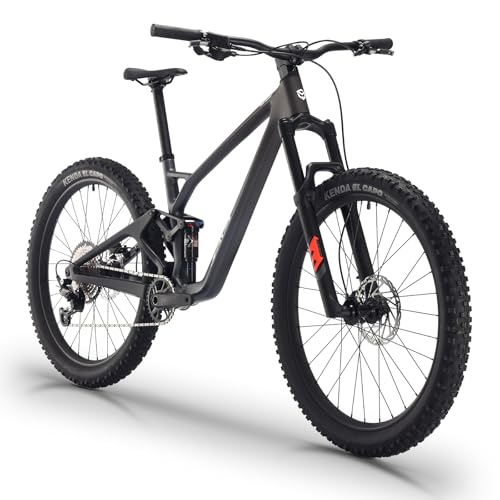
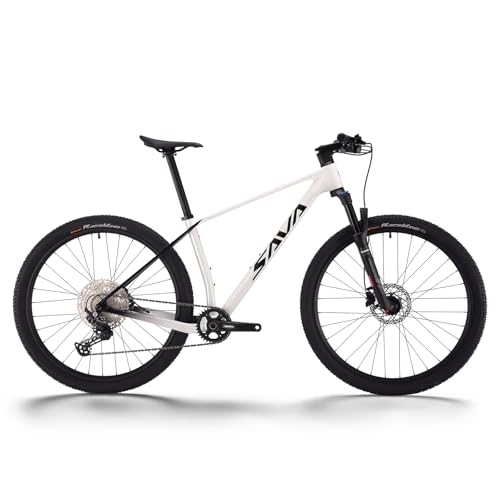
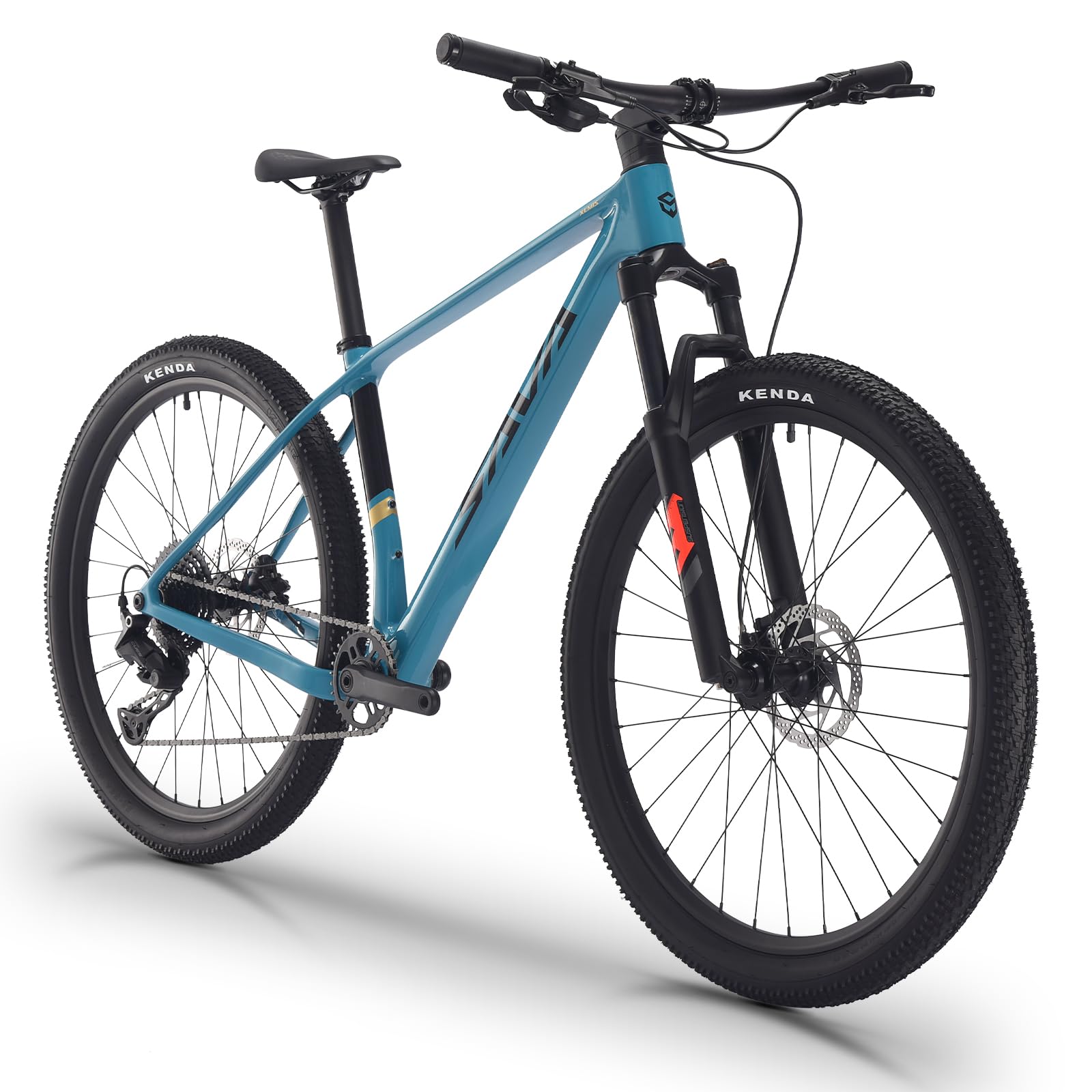

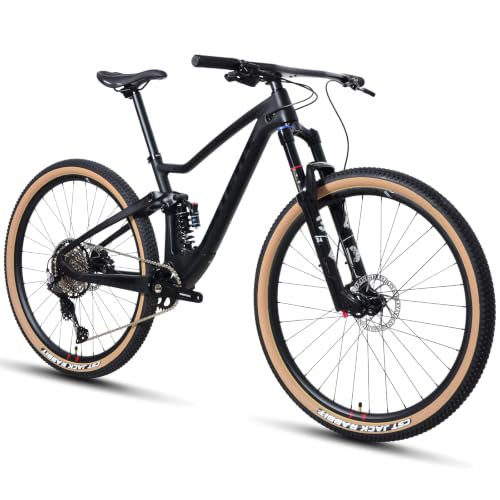
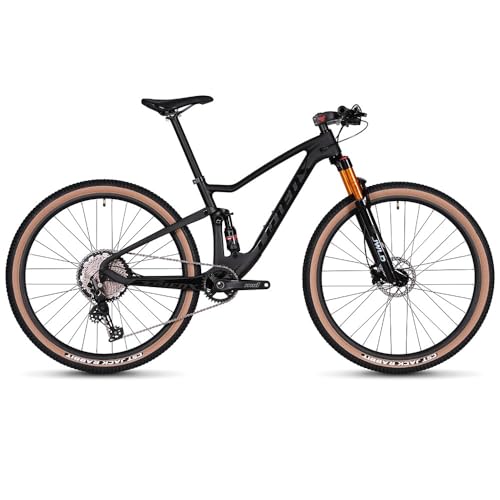
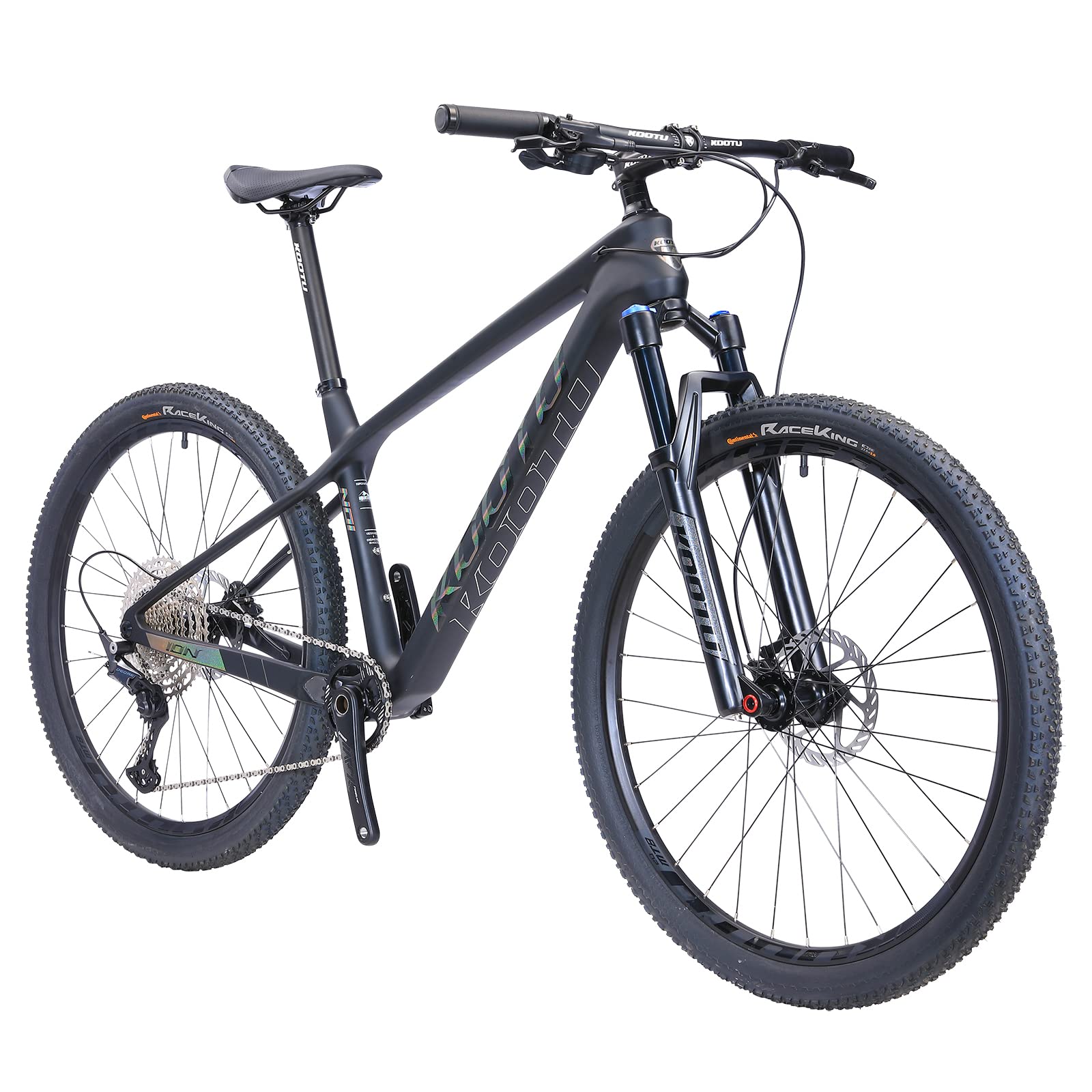


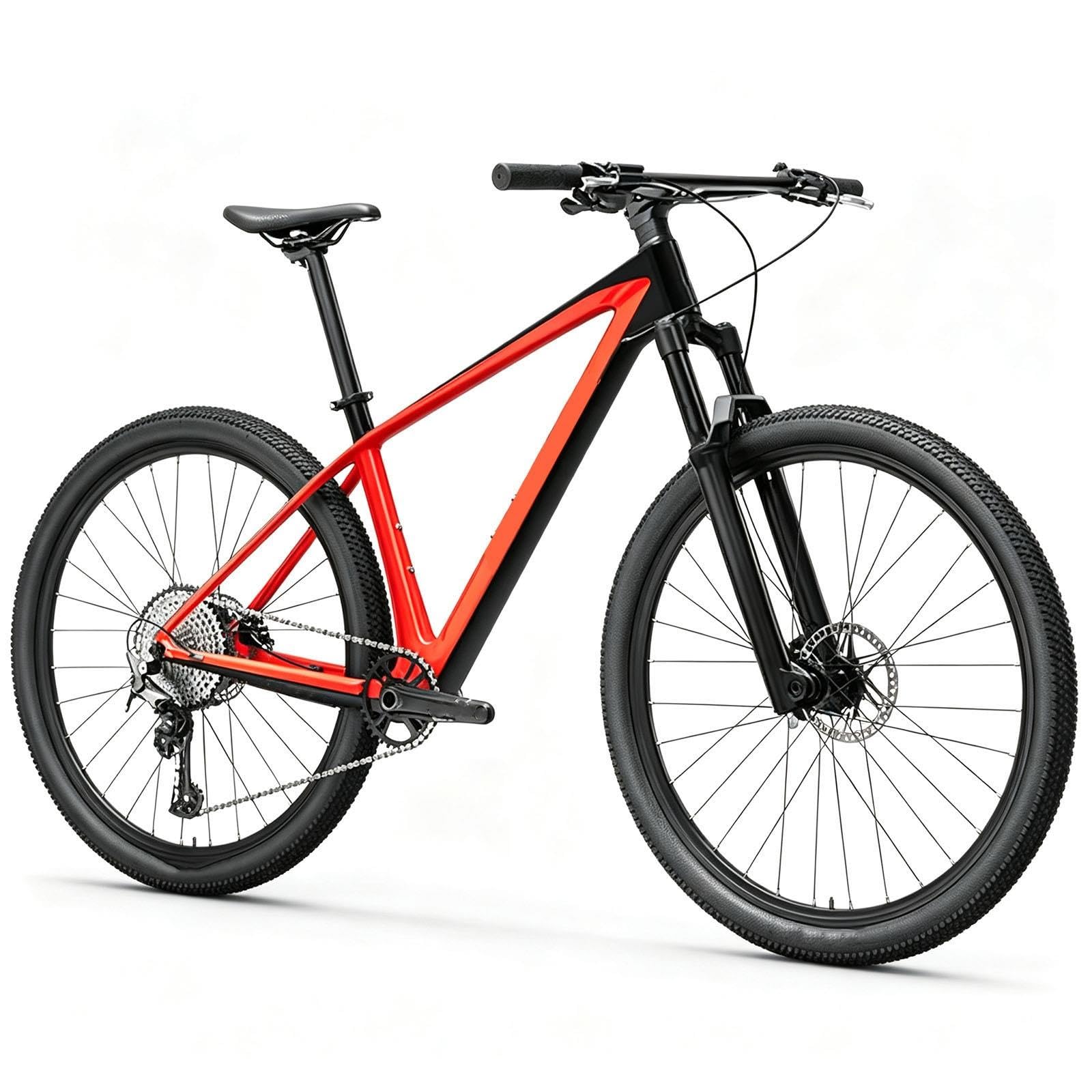
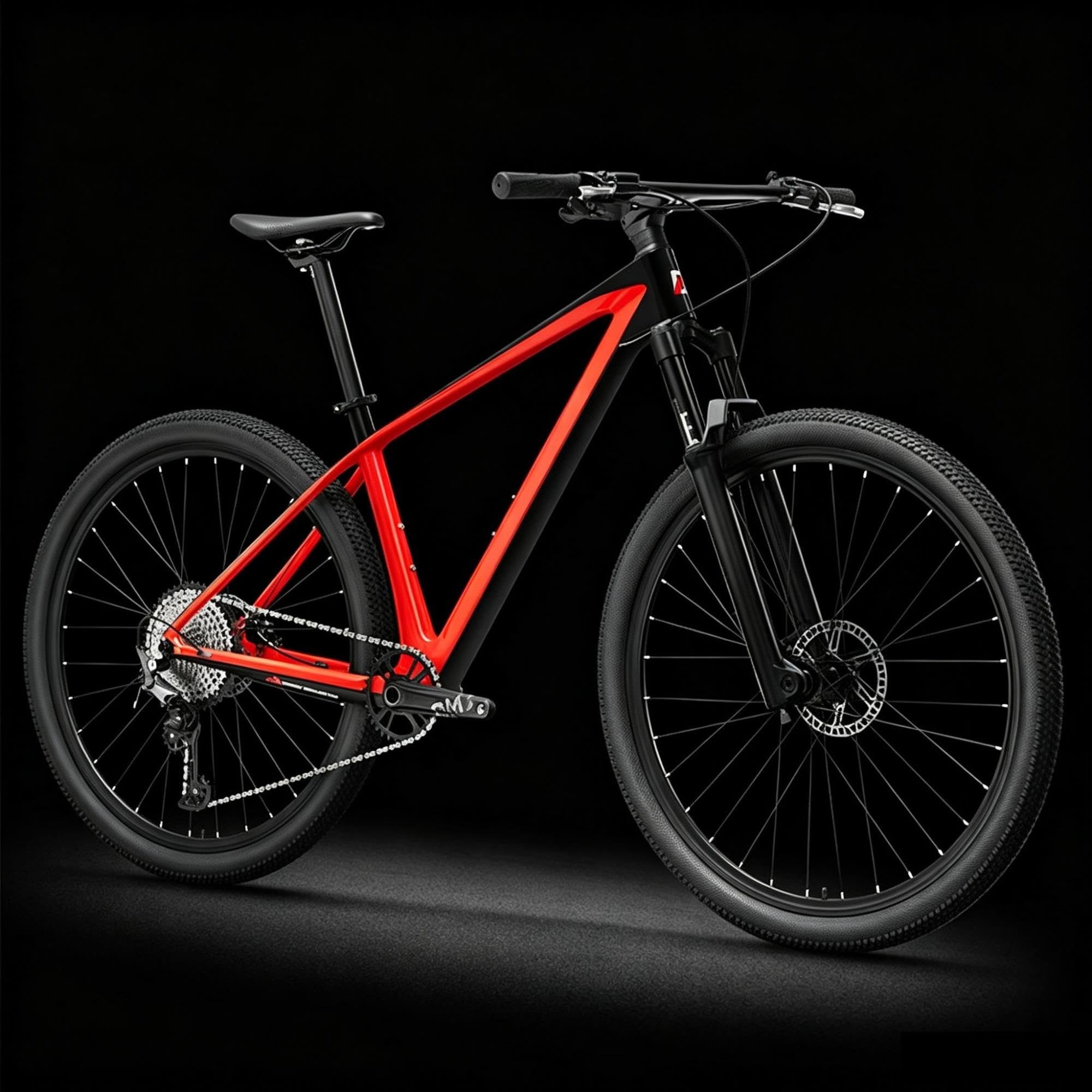
Start with the trails you ride most. Smooth cross country loops, technical descents and bike park days demand different geometry and suspension. A bike built for your terrain will always beat a lighter bike built for someone else's riding.
Trail centers, natural trails and bike parks demand different bikes. Trail centers offer groomed, predictable surfaces where efficient bikes excel. Natural trails mix rocks, roots and mud, demanding grip and durability. Bike parks feature jumps and drops that stress frames and suspension.
Riding mostly at one venue type should shape geometry and travel choices more than magazine reviews.
Who Should Buy a Carbon Mountain Bike
Regular trail riders who climb a lot benefit most from carbon weight savings, since lighter bikes accelerate and climb with less effort. Racers gain from stiffness and efficient power transfer. Riders who travel with bikes also appreciate lighter lifting onto racks and into cars.
Beginners and crash prone riders may prefer alloy value while skills develop. Carbon suits riders who already ride often, maintain their bikes and want a long term machine. If you ride occasionally or mostly on smooth paths, an alloy bike may deliver equal enjoyment for far less money.
Key Features to Compare
Geometry shapes handling more than material. Head angle, reach and chainstay length decide stability on descents and agility in tight trails. Longer, slacker bikes feel confident downhill but slower in tight turns. Compare geometry charts against bikes you have ridden, not just headline frame weight.
Suspension design and travel matter next. Cross country bikes use shorter travel and efficient pedaling. Trail bikes balance climbing and descending. Enduro bikes prioritize descending with longer travel.
Check suspension quality too: a good damper beats extra travel on paper. Frame protection, cable routing and service access also affect ownership.
Frame Quality and Durability
Not all carbon frames are equal. Layup design, resin quality and manufacturing control affect strength and ride feel. Reputable brands test frames thoroughly and offer crash replacement policies. Check warranty terms and crash replacement options before buying, since they matter if you ride hard.
Inspect carbon frames regularly for cracks, especially after crashes or rock strikes. Small paint chips are usually cosmetic, but deep cracks need professional assessment. Never ride a frame with suspected structural damage. Alloy frames dent visibly, while carbon damage can hide under paint, so careful checks matter.
Sizing and Fit
Correct sizing transforms a carbon bike. Too large a frame feels unwieldy on technical trails. Too small a frame feels cramped on climbs. Use maker size charts as a start, then consider reach, standover and stack.
A professional bike fit or a test ride helps enormously, especially at the boundary between sizes.
Also check component fit: dropper post travel, handlebar width and crank length suit different riders. A great frame with poor contact points still disappoints. Budget for a saddle, grips or pedals that suit you, since stock parts are chosen for average riders, not for you specifically.
Budget and Value
Carbon bikes cost more at every level, so value comes from ride frequency and terrain. A rider on trails weekly may justify carbon. A rider on trails monthly may not. Previous model year carbon bikes often offer strong savings with nearly identical geometry and parts.
Compare complete bikes, not frames alone. Suspension, wheels and drivetrain quality vary widely at similar prices. A carbon frame with weak suspension may ride worse than an alloy bike with better parts. Spend across the whole bike, and remember maintenance costs: suspension service, tires and drivetrain wear apply to every mountain bike.
Quick Checklist Before You Buy
- Match geometry and travel to your usual trails.
- Check warranty and crash replacement terms.
- Inspect carbon regularly after crashes and rock strikes.
- Size by reach and test ride at size boundaries.
- Compare complete bikes, not frames alone.
Related guides on carbon wheels, bars and hardtail options can help you compare upgrades and frame styles alongside a complete bike. best carbon mountain bike wheels, best carbon mountain bike bars, best carbon mountain bike handlebars, best hardtail carbon mountain bike, best carbon fiber mountain bike.
Getting the Most From Your Choice
Wheels and tires transform ride feel as much as frames. Carbon wheels feel responsive but cost more and crack on hard impacts, while alloy wheels bend and often survive. Tire width, tread and pressure affect grip enormously. Experiment with tire pressure before blaming geometry, since a few pounds of pressure change traction and comfort dramatically.
Maintenance skills matter with carbon bikes. Learn torque settings for carbon parts, since over tightening clamps cracks frames and seatposts. Use a torque wrench for cockpit and seatpost bolts. Inspect the frame after crashes and wash mud from pivots regularly.
Owners who maintain their bikes enjoy carbon reliability; owners who neglect them risk expensive surprises.
A Final Check Before You Order
Upgrade paths differ between carbon and alloy bikes. A great carbon frame justifies future upgrades to wheels, suspension and drivetrain. A budget alloy frame may not. If you plan gradual upgrades, invest in the frame first.
If you want a complete bike that stays as bought, balance frame and components evenly from the start.
Test riding remains irreplaceable. Geometry charts cannot convey how a bike feels on your local trails. Demo days, shop test rides and friend bikes offer real impressions. Ride the same trail section on different bikes when possible, and note climbing, descending and cornering feel separately.
A bike that excels everywhere is rare, so prioritize your weakest riding area.
Mud and grit management separates happy carbon owners from frustrated ones. After wet rides, rinse the frame with low pressure water, clean pivots and dry the bike before storage. Avoid high pressure washers near bearings and seals, since forced water drives grit inside and shortens component life. A quick post ride routine of ten minutes protects suspension, drivetrain and frame finish, and it gives you a regular chance to spot cracks, loose bolts or worn tires before they become trail problems.
Frequently Asked Questions
Is carbon worth it for a mountain bike?
Carbon is worth it if you ride often, climb a lot and value light weight and tuned ride feel. For occasional or gentle trail riding, alloy bikes offer similar enjoyment for less money. Weigh your ride frequency, terrain and budget together. Carbon earns its premium through regular use, not through ownership alone.
Do carbon mountain bike frames break easily?
Modern carbon frames are strong and tested for trail use, but they can crack from sharp impacts that would dent alloy. Most damage comes from crashes or rock strikes, not normal riding. Inspect after incidents, follow torque settings for clamps and use a crash replacement policy if damage occurs. Proper care keeps carbon frames reliable for years.
Carbon or alloy: which climbs better?
Carbon usually climbs better due to lower weight and efficient stiffness, which helps on long or steep climbs. The difference matters most on sustained climbs and for racers. On short or gentle climbs, fitness and tire choice matter more. Geometry and suspension efficiency also affect climbing, so compare complete bikes, not just frame material.
How do I size a carbon mountain bike?
Use the maker size chart, then check reach, stack and standover against your current bike. Test ride if possible, especially between sizes. Smaller frames feel agile, larger frames feel stable. A professional fit helps for expensive purchases, and also confirm dropper post travel and handlebar width suit your height and riding style.
Can a cracked carbon frame be repaired?
Some carbon damage can be repaired by specialists, depending on location and severity. Minor cosmetic chips need only touch up paint. Structural cracks need professional assessment and may require replacement. Never ride a frame with suspected structural damage, and check warranty and crash replacement terms before buying, since they affect repair options and cost.
Final Thoughts
The best carbon mountain bike fits your trails, your body and your budget. Use the product table to compare geometry, suspension and complete builds, then test ride before committing. Material is only one part of a great bike.
Choose a bike you will ride often and maintain well. With the right fit and sensible care, a carbon mountain bike can deliver lively, rewarding rides for many seasons.


