
Best Carbon Mountain Bike Handlebars of 2026: Complete Buying Guide
Disclosure: We may earn a commission when you buy through links on this page, at no extra cost to you. As an Amazon Associate I earn from qualifying purchases. Learn more

Compare carbon mountain bike handlebars by width, rise, sweep, clamp size and weight, plus setup, inspection and answers to common handlebar questions.
Handlebars shape how a mountain bike steers, climbs, and feels on rough ground, and carbon bars add light weight and vibration damping to that mix. This guide compares the factors that matter most, from width and rise to clamp size and safe installation. The best carbon mountain bike handlebars for you depend on your riding style, your bike fit, and your stem, not on the widest or lightest bar available. Use the product table for a quick overview, then work through the buying factors before you choose.
Carbon bars are a component, not a whole bike upgrade. They must match your stem clamp diameter, leave room for brake levers, shifters, and a dropper remote, and suit the trails you ride. A bar that is too wide can feel awkward on tight trails, while a bar that is too narrow can feel twitchy at speed. Fit comes first, weight second.


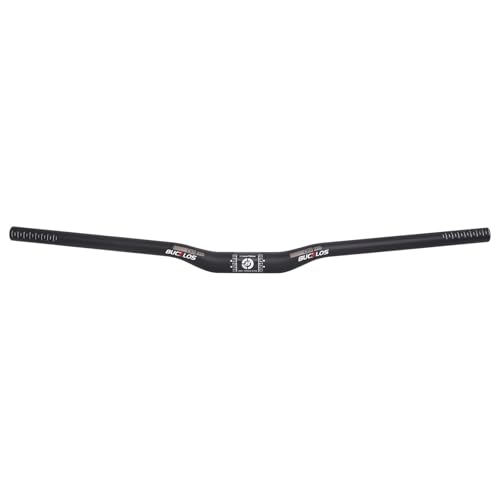
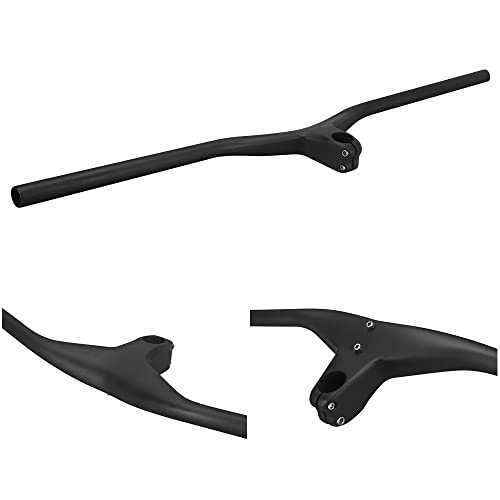
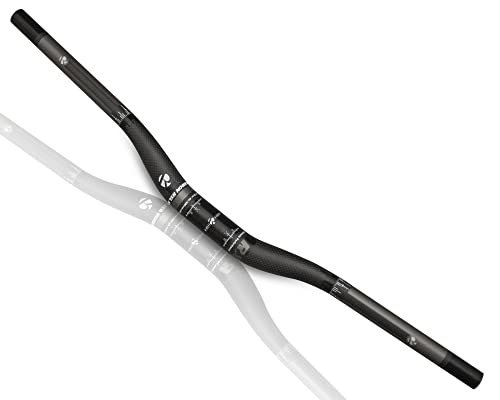


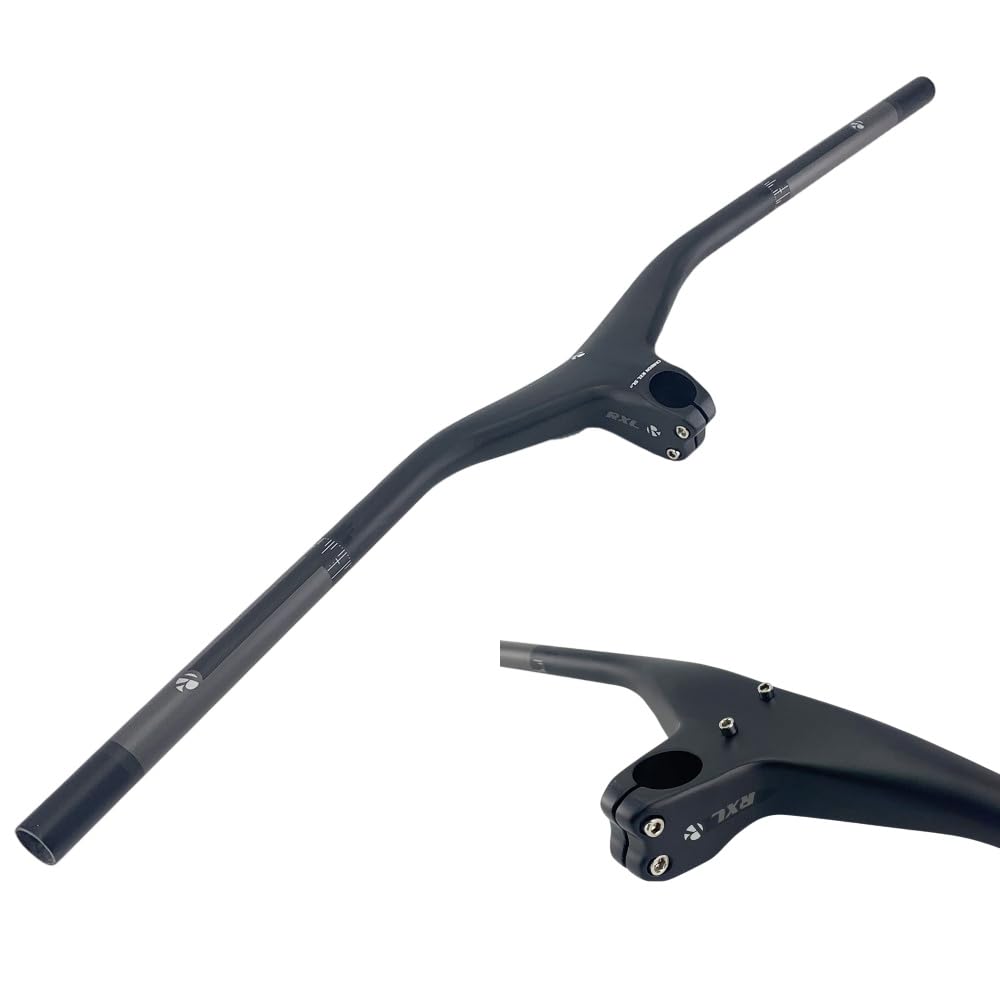
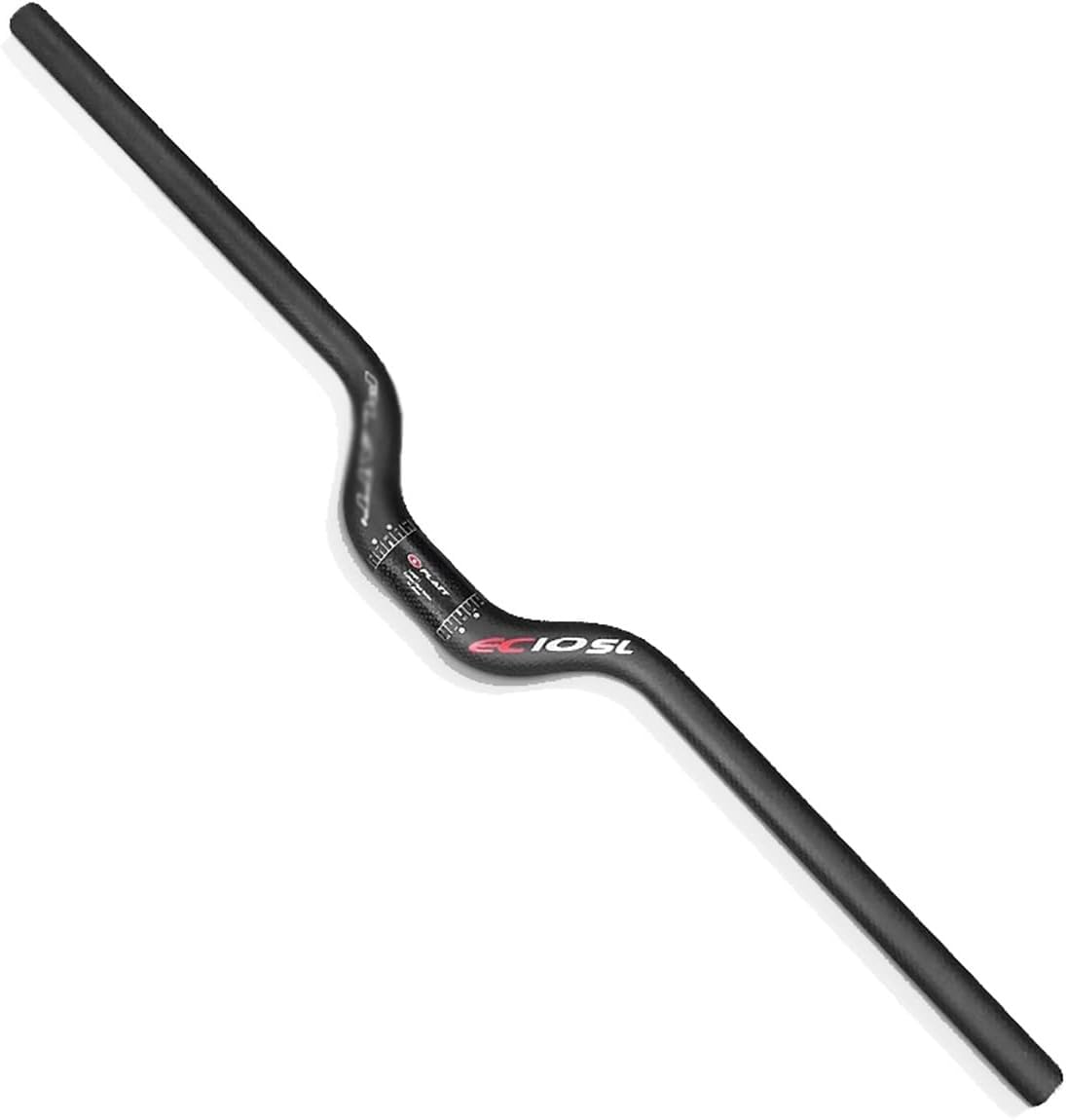

Spending Levels for Carbon Mountain Bike Handlebars
Prices vary widely, so it helps to think in spending levels. Each level suits a different rider and a different set of priorities. Match the level to how and where you ride, not to the most expensive bar you can afford.
Budget Spending Level
Budget carbon bars, usually about $30 to $80, suit riders trying carbon for the first time or building a second bike. Expect a straightforward shape, a common clamp size, and a moderate weight saving over aluminum. Check the stated clamp diameter, width, and rise carefully, since budget bars may offer fewer size options. Clear maker torque guidance is essential at any price.
Mid Range Spending Level
Mid range bars, usually about $80 to $160, suit regular trail riders who want a wider choice of width, rise, and sweep. This level often brings better finish, clearer sizing, and a more refined ride feel. It is often the best balance for riders who ride weekly and want a bar that fits well without paying for race level weight savings.
Premium Spending Level
Premium bars, usually about $160 to $300, suit riders who prioritise the lightest weight and a specific ride feel. They may offer more width options, a tuned layup, and a polished finish. The extra cost only pays off if the shape and size suit you. A premium bar in the wrong width or rise will feel worse than a well fitting mid range bar.
How to Choose Carbon Mountain Bike Handlebars
Compatibility With Your Bike and Stem
Clamp diameter is the first check. Most modern stems use a 31.8 mm or 35 mm clamp, and the bar must match exactly. A 31.8 mm bar will not fit a 35 mm stem safely, and shims are not a reliable fix for carbon bars.
Measure your stem clamp or check the maker specification before you order. Also leave room on the bar for brake levers, shifters, and a dropper remote.
Width and stem length work together. A wider bar shortens the effective reach, so riders moving to a much wider bar may need a slightly longer stem to keep a familiar position. If you are unsure, change one thing at a time. Keep your old bar until the new setup feels right, so you can compare positions on the same trails.
Width, Rise, and Riding Position
Width affects steering leverage and control. Trail riders often use bars from about 760 to 800 mm, while cross country riders may prefer about 720 to 760 mm. Wider bars give more leverage on descents but can feel awkward between trees.
Narrower bars feel quicker but can feel less stable at speed. Choose a width that suits your trails, not just the widest option.
Rise changes hand height and therefore your position on the bike. A higher rise lifts your hands and can ease pressure on your back and shoulders on long rides. A lower rise keeps your weight forward for climbing.
Rise is measured in millimeters, and a change of 10 to 20 mm is easy to feel. Pair rise with stem length and spacer height to fine tune your position.
Backsweep, Upsweep, and Bar Shape
Backsweep is the angle at which the bar ends angle back toward you, usually about 7 to 9 degrees. More backsweep can feel more natural for wrists on long rides.
Upsweep is the upward angle of the bar ends, usually about 4 to 6 degrees. Together they shape hand comfort and control. If your wrists ache on long rides, a different sweep may help more than a different material.
Shape also includes the bend profile. Some bars have a gentle, even bend, while others have a more pronounced rise in the center. The right shape depends on your shoulder width, arm length, and riding style. Try to compare shapes by their stated sweep and rise figures rather than by appearance alone, since two similar looking bars can feel quite different.
Materials and Weight
Carbon bars are lighter than comparable aluminum bars and can damp small trail vibrations. That damping can reduce hand fatigue on long, rough rides. Weight savings vary by width and layup, so compare bars of the same width rather than the lightest bar in a range. A very light bar that is too narrow for your riding will not feel better.
Carbon also needs different care from aluminum. It does not bend to warn you of damage in the same way, so inspection matters. Look for a maker that states the intended riding use, such as trail or cross country, and follow that guidance. A bar built for light cross country use may not suit aggressive downhill riding.
Mounting and Ease of Installation
Installation needs care and the right tools. Use a torque wrench and follow the maker torque figures for the stem clamp, brake levers, and shifter clamps. Carbon assembly paste on the clamp area helps grip without excess force. Tighten stem bolts evenly in small steps, alternating sides, so the clamp loads the bar evenly.
Do not overtighten to stop slipping. Overtightening can crush carbon fibres and weaken the bar, while undertightening lets controls rotate. If a control slips at the stated torque, check for paste, clean the clamp area, and recheck the torque. If it still slips, seek advice from a bike shop rather than forcing the bolts tighter.
Inspection, Durability, and When to Replace
Inspect carbon bars regularly, especially after a crash or a hard impact. Look for cracks, deep scratches, delamination, or a change in feel. Run a finger lightly over the surface to feel for rough spots or raised fibres. Any sign of damage means the bar should be replaced, not repaired, since hidden damage can fail without warning.
Replace bars after any significant crash, even if damage is not visible. Also replace a bar that has been overtightened or clamped with the wrong stem size. Keep a record of when you fitted the bar, and check it as part of routine bike care. A careful inspection routine is part of the cost of riding carbon.
Carbon Handlebars Compared With Other Options
Carbon bars are one option among several, and the right choice depends on budget, riding style, and how much you value weight saving and vibration damping.
Aluminum Handlebars
Aluminum bars are heavier but often cheaper and more forgiving of small installation errors. They can bend slightly before failing, which gives a visible warning after a crash. Riders on a tight budget, or those who crash often, may prefer aluminum. Carbon suits riders who want the lightest setup and accept stricter torque and inspection care.
Flat Handlebars
Flat bars have little or no rise and suit riders who want a low, forward position for climbing and cross country riding. They can feel direct and efficient on smooth trails. Riser bars, by contrast, lift the hands and suit trail and downhill riding. Choose based on your position needs, not on fashion.
Riser Handlebars
Riser bars lift the grip area above the clamp, which can ease back and shoulder strain and improve control on descents. They suit trail riders and those with a more upright position. The rise figure matters: a small rise may suit a rider who only needs a slight lift, while a larger rise suits a rider who wants a clearly more upright position.
Wider Trail Handlebars
Wider bars give more leverage and stability on rough descents, but they need more room on narrow trails and can feel tiring on long climbs. Narrower bars feel quicker and suit tight, wooded trails. If you ride mixed trails, a mid width bar is often the best compromise. You can also cut a wider bar shorter, but you can never make a narrow bar wider, so choose the wider option if you are between sizes.
Setup and Care Tips
- Check fit and tightness before each ride, including stem bolts and control clamps.
- Use carbon assembly paste and a torque wrench, and follow the maker torque figures exactly.
- Inspect the bar after any crash, and replace it if you find cracks, deep scratches, or delamination.
- Clean the bar with a soft cloth and mild cleaner, and avoid harsh solvents that can harm the finish.
- Store the bike away from direct heat and sharp objects that could nick the bar surface.
For a close comparison, see our guide to the best carbon fiber mountain bike handlebars, which covers a closely related shape range. For general fit, see our guide to the best handlebar for mountain bike. For a different bar style, see our guide to the best carbon mountain bike bars. Follow the maker safety guidance and local trail rules on every ride.
Frequently Asked Questions
What width should a mountain bike handlebar be?
Width depends on your riding style, shoulder width, and trails. Cross country riders often use about 720 to 760 mm, while trail riders often use about 760 to 800 mm. Wider bars give more leverage on descents, while narrower bars feel quicker on tight trails. One new point to consider is tree clearance: if your local trails have narrow gaps, a very wide bar can catch vegetation, so measure your usual gaps before choosing.
Can a carbon handlebar be cut shorter?
Yes, a carbon bar can be cut shorter, but only with the right tools and care. Use a fine tooth saw or a carbon specific cutting guide, and follow the maker instructions for cutting and finishing the ends. Cutting removes grip area, so check that brake levers, shifters, and grips still fit with room to spare. A useful extra check is to mark the cut line, then ride with grips moved inward temporarily to test the narrower width first.
Is a 31.8 mm or 35 mm clamp better for carbon bars?
Neither clamp size is better on its own; the bar must match your stem exactly. A 35 mm clamp can give a stiffer feel at the center, while a 31.8 mm clamp offers a wider choice of stems and bars. The key point is compatibility, not size alone. An extra detail worth noting is that some 35 mm stems use different bolt patterns, so check the maker specification for both bar and stem before ordering.
How do carbon handlebars compare with aluminum bars?
Carbon bars are lighter and can damp small vibrations better than aluminum bars, which can reduce hand fatigue on long rides. Aluminum bars are usually cheaper and more forgiving of installation errors. Carbon needs stricter torque control and regular inspection, since damage may not be visible. A further point is crash behavior: aluminum often bends visibly, while carbon can fail without an obvious bend, so post crash inspection matters more for carbon.
When should a carbon handlebar be replaced?
Replace a carbon bar after any significant crash, even if you cannot see damage, and at once if you find cracks, deep scratches, or delamination. Also replace a bar that has been overtightened or fitted with the wrong clamp size. A practical extra step is to keep a fitting date note with your bike records, so you can judge age and use when deciding whether a bar that feels different is due for replacement.
Final Thoughts
Choose by clamp size first, then by width, rise, and sweep for your riding style and trails. Weight saving matters, but fit and safe installation matter more. Check the product table before you order, and remember that the best carbon mountain bike handlebars are the ones that fit your bike, suit your trails, and that you inspect and torque with care. Follow the maker guidance, check the bar before each ride, and follow local trail rules.


