
Best Carbon Wheels for Mountain Bike: Buying Guide for 2026
Disclosure: We may earn a commission when you buy through links on this page, at no extra cost to you. As an Amazon Associate I earn from qualifying purchases. Learn more

Compare carbon mountain bike wheel rim width, hub engagement, axle fit, and tubeless setup to match your riding style, plus care and spending guidance.
Carbon wheels change how a mountain bike accelerates, climbs, and holds a line, because they cut rotating weight and add stiffness where it counts. The best carbon wheels for mountain bike riding match your rim width, hub, and axle standards to your trails, and this guide explains each choice in plain terms. Use the product table to weigh wheel options side by side.
Carbon is not automatically better for every rider, and the wrong rim or hub can feel harsh, wear fast, or fail to fit your bike. This guide focuses only on wheel factors, from rim shape and spoke count to tubeless setup and crash care, so you can judge value without wading through whole bike buying advice.
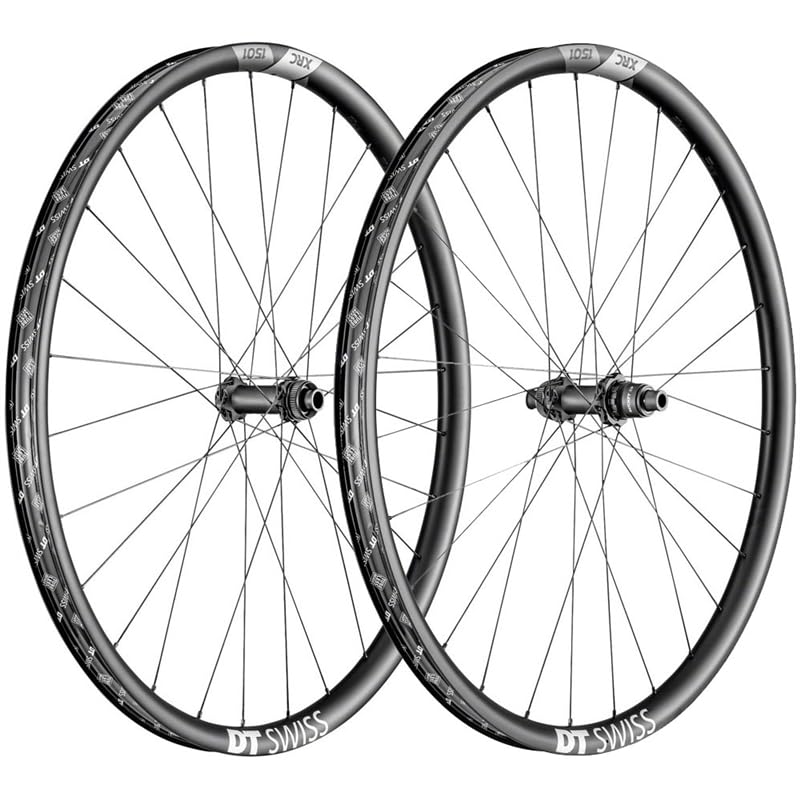
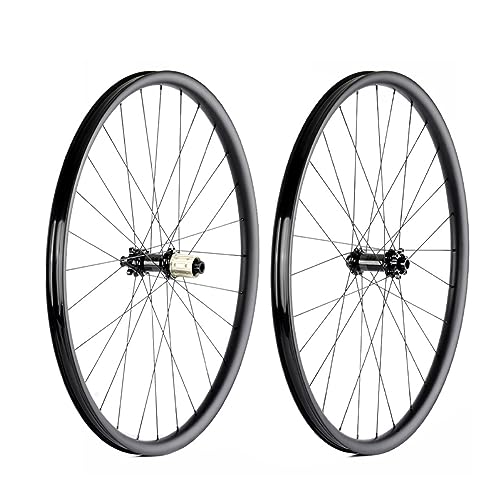

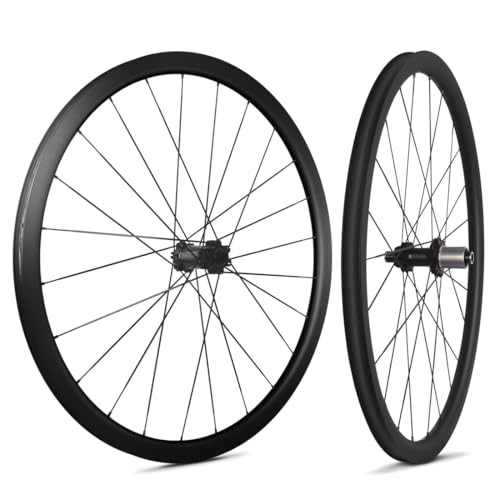
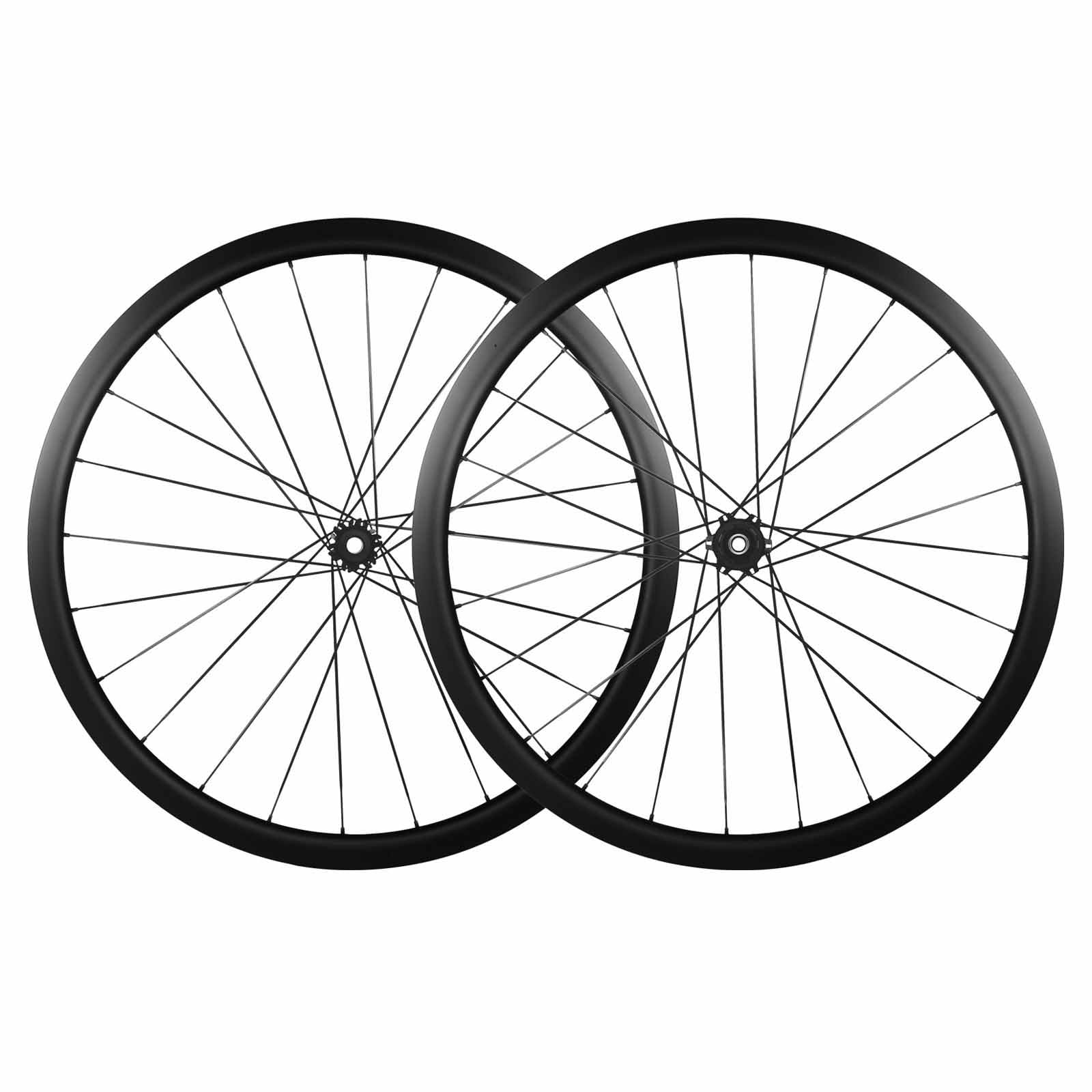
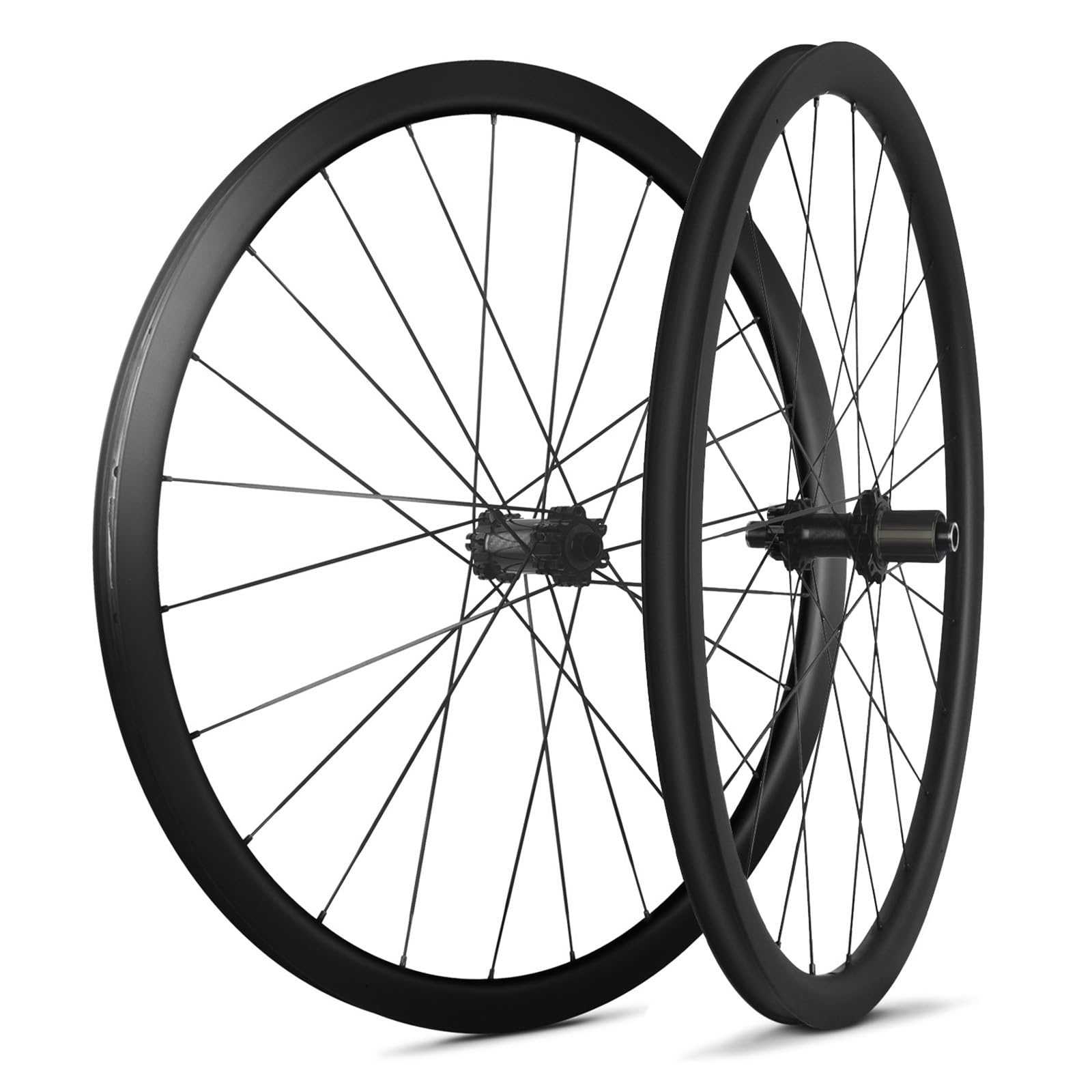

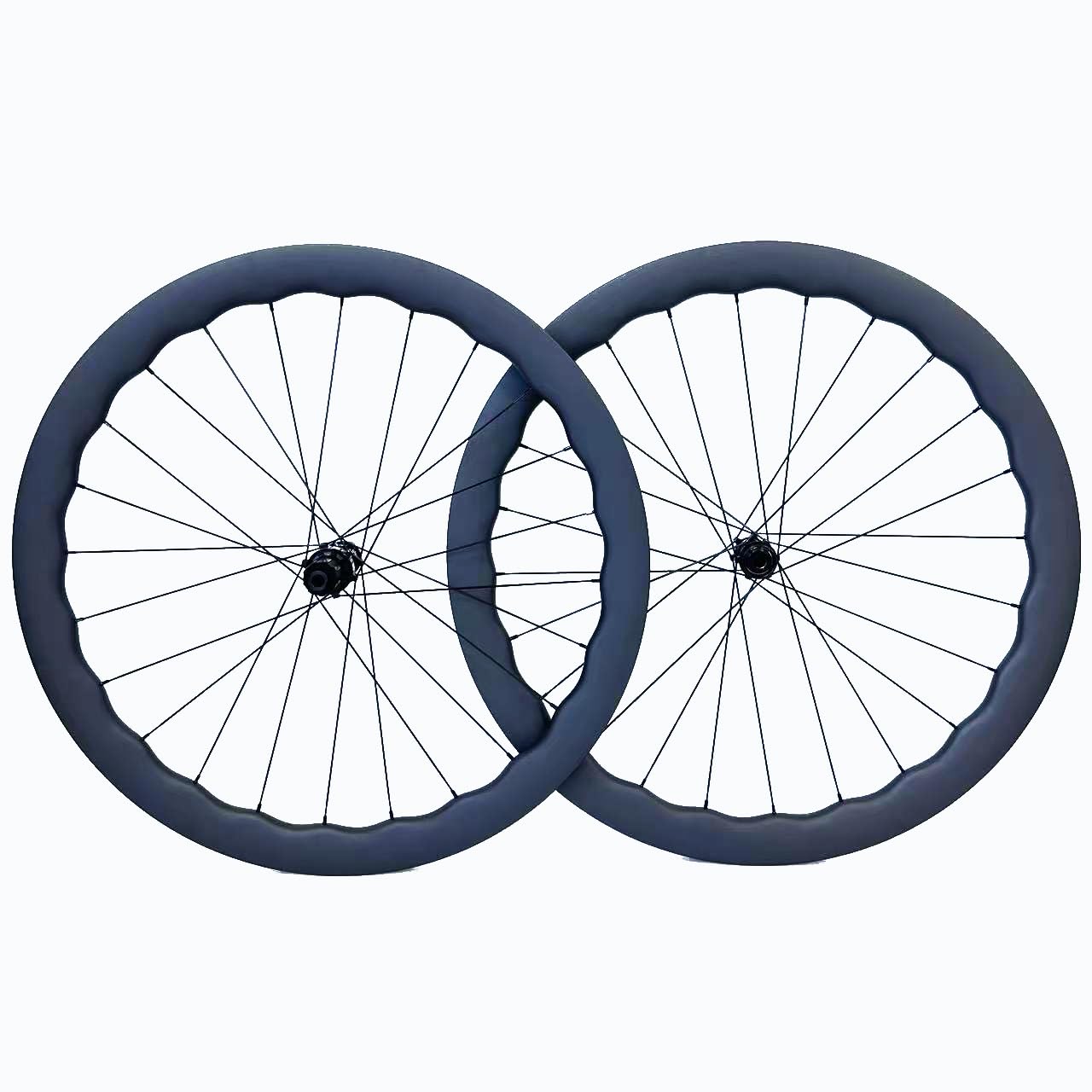
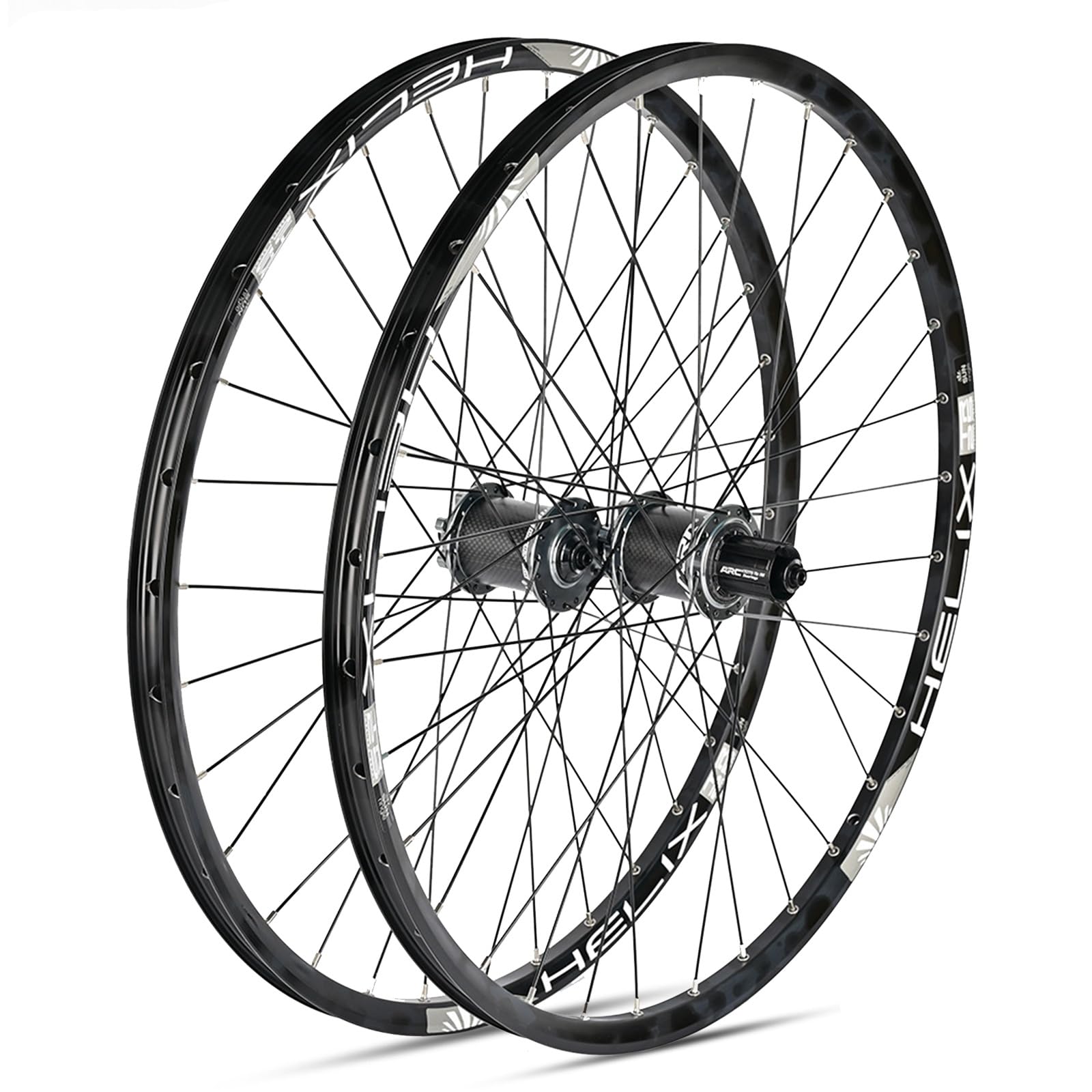
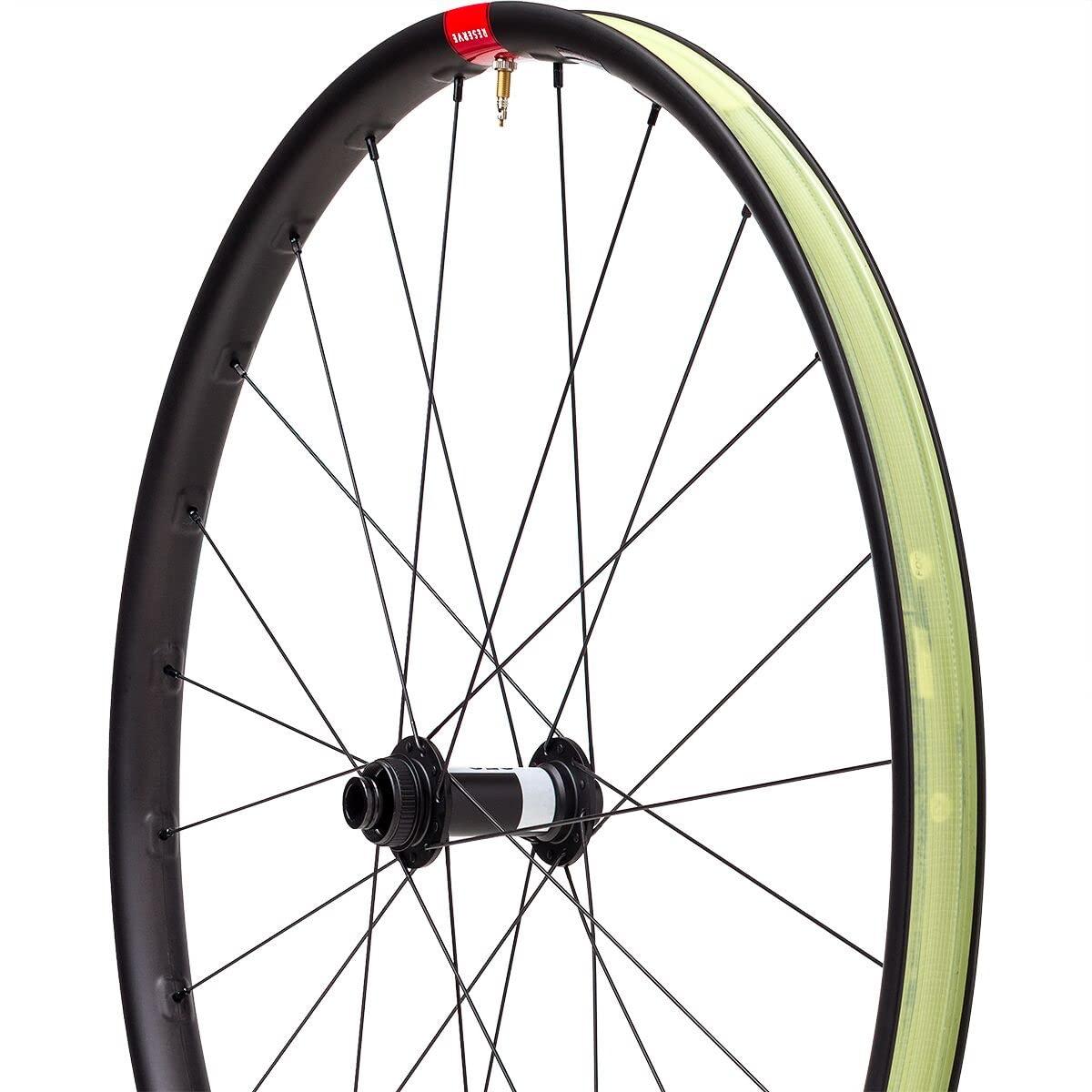
Who Should Buy Carbon Mountain Bike Wheels?
Cross Country Riders
Cross country riders gain most from light wheels that spin up fast and climb with less effort. A narrower rim, a light build, and a quick engaging hub suit smooth trails and long climbs. Durability still matters, since a fragile wheel that needs frequent truing will erase the speed gain.
Trail Riders
Trail riders need a balance of weight, strength, and grip, since their trails mix climbs, roots, rocks, and fast descents. A mid width rim supports a wider tire for traction, and a sturdy spoke count helps the wheel survive repeated hits.
Enduro and Gravity Riders
Enduro and gravity riders put wheels through hard landings, rock strikes, and high speeds, so strength comes first. A wider, tougher rim, more spokes, and a hub built for heavy loads suit this riding, even if the wheel weighs more.
Key Features to Compare
Rim Width and Tire Support
Internal rim width decides how a tire sits and how much grip you get. A narrow rim pinches a wide tire into a round profile, which can feel vague in corners, while a very wide rim can expose the sidewall to cuts. Match the rim to the tire width you actually ride.
Rim Depth and Stiffness
Rim depth affects stiffness and ride feel. A deeper rim feels stiffer and more precise in corners, but it can also feel harsher on rough trails. A shallower rim offers a bit more compliance, which suits riders who value comfort on long descents.
Hub Engagement and Bearings
Hub engagement is how quickly the wheel picks up drive when you pedal, and it matters most on technical climbs where you ratchet the pedals through rocks. Faster engagement gives a more direct feel, but very high engagement hubs can need more frequent service. Sealed bearings last longer in mud and wet trails.
Spoke Count and Lacing
Spoke count and lacing pattern set how well a wheel handles loads and stays true. More spokes spread the load and help the wheel survive a broken spoke, while fewer spokes save weight but leave less margin after damage. Even spoke tension matters more than the spoke count alone.
Axle, Freehub, and Brake Fit
Fit is the factor that can ruin an otherwise good purchase. Check your axle standard, freehub body, and disc brake rotor mount. A wheel that does not match these standards will not fit, so confirm each detail against your current wheels before ordering.
Fit and Compatibility Checks
Before you buy, note the axle, freehub, rotor mount, and tire clearance on your frame and fork. A wider rim or tire may rub the frame, and if you are unsure, a qualified bike mechanic can check fit quickly.
Related wheel guides can help you compare close options. Our guide to the best wheels for mountain bike covers the broader wheel choice, while our guide to the best carbon fiber mountain bike wheels looks at carbon construction in more depth. Our guide to the best carbon mountain bike wheels 29 focuses on 29 inch options.
Wheel Types by Riding Style
Cross Country Wheels
Cross country wheels favor light weight, quick engagement, and a narrower rim that suits fast rolling tires. They climb well and feel lively, but they are less forgiving on rough descents.
Trail Wheels
Trail wheels balance weight and strength with a mid width rim and a sturdy build. They suit mixed terrain and handle a wider tire for grip, making them the most versatile type.
Enduro and Downhill Wheels
Enduro and downhill wheels favor strength above all, with a wide rim, high spoke count, and a tough hub. They weigh more, but they stay true through hard hits and high speeds.
Spending Levels to Consider
Entry Level Carbon
At about $250 to $700 for a wheelset, entry level carbon offers a weight and stiffness gain over alloy without the highest price. The rims may be heavier and the hubs simpler, but the ride improvement is real for many trail riders. Check the warranty and crash replacement terms.
Mid Range Carbon
At about $700 to $1,200, you get lighter rims, better hubs, and a more refined build. This range suits serious trail and enduro riders who want a durable wheel that also climbs well.
High End Carbon
At about $1,200 and above, you get the lightest builds, fastest hubs, and the most precise construction. The gains over mid range wheels are smaller, so this range suits riders who race or ride very often.
Common Mistakes to Avoid
- Buying a rim width that does not suit your tire, which harms grip and risks sidewall cuts.
- Ignoring axle, freehub, and rotor fit, which can make a new wheel unusable on your bike.
- Choosing the lightest wheel for rough trails, where strength matters more than weight.
- Over tightening spokes or nipples, which can crack a carbon rim and void the warranty.
- Skipping a post crash inspection, since carbon damage can hide under the surface.
- Running tubeless tires at the wrong pressure, which harms grip and risks burping air on corners.
Care and Maintenance Tips
Keep carbon wheels clean and check spoke tension and trueness regularly, especially after hard rides. Inspect the rim for cracks and delamination after any crash, and stop riding a damaged rim until a qualified mechanic has checked it. Follow the maker guidance for torque, sealant, and tire pressure, and keep small parts away from children.
Frequently Asked Questions
What features matter most in carbon wheels for mountain bike riding?
Rim width, hub engagement, and fit matter most, since they decide grip, pedal response, and whether the wheel fits your bike at all. A rim matched to your tire width gives better cornering grip, a quick hub helps on technical climbs, and correct axle and freehub standards avoid a useless purchase.
How do I choose the right rim width for my tires?
Start with the tire width you ride most, then check the rim maker guidance for the safe tire range for that rim. A mid width rim suits most trail tires, while narrower rims suit fast cross country tires and wider rims suit aggressive tires. If you plan to change tire sizes later, choose a rim that covers the range you expect to use, not just your current tire.
Are carbon wheels worth it over alloy wheels?
Carbon wheels are worth it when you value lower rotating weight and stiffer tracking and you ride often enough to feel the difference. Alloy wheels remain a smart choice for rough riding on a budget, since they cost less and often survive dents that would end a carbon rim. Weigh the price against your riding frequency, terrain, and crash history before deciding.
How do I care for carbon mountain bike wheels?
Clean the rims and hubs after muddy rides, check spoke tension and trueness often, and refresh tubeless sealant on the maker schedule. Inspect the rim closely after crashes, since carbon damage is not always visible. Use a torque wrench for rotor and axle bolts, and let a qualified mechanic handle any suspected rim damage.
When should I replace carbon mountain bike wheels?
Replace a carbon wheel when the rim shows cracks, soft spots, or delamination, or when it will no longer stay true after a proper build. A wheel that creaks or loses air through the rim needs prompt inspection, not another ride. Age alone is not a reason to replace a wheel, but a history of hard crashes shortens its safe life.
The Bottom Line
Match rim width to your tires, hub to your riding style, and axle and freehub to your bike, then weigh weight against strength for your trails. For most trail riders, a mid width, well built carbon wheelset with a solid warranty is the best value. The best carbon wheels for mountain bike riding feel fast on climbs, steady in corners, and durable enough for your trails, and the product table can help you compare options before you order.


