
Best Carbon Mountain Bike Bars: Complete Buying Guide for 2026
Disclosure: We may earn a commission when you buy through links on this page, at no extra cost to you. As an Amazon Associate I earn from qualifying purchases. Learn more

Pick carbon mountain bike bars by width, rise, sweep and clamp size, then fit them with a torque wrench and check them after every crash.
New bars change how your bike feels more than almost any other part, because they set where your hands, shoulders and weight sit over the front wheel. The best carbon mountain bike bars are light, but they also have to match your stem clamp, your trails and your body.
The product table lists carbon bars across flat, riser and integrated designs. Use this guide to decide which design you need before you compare prices.

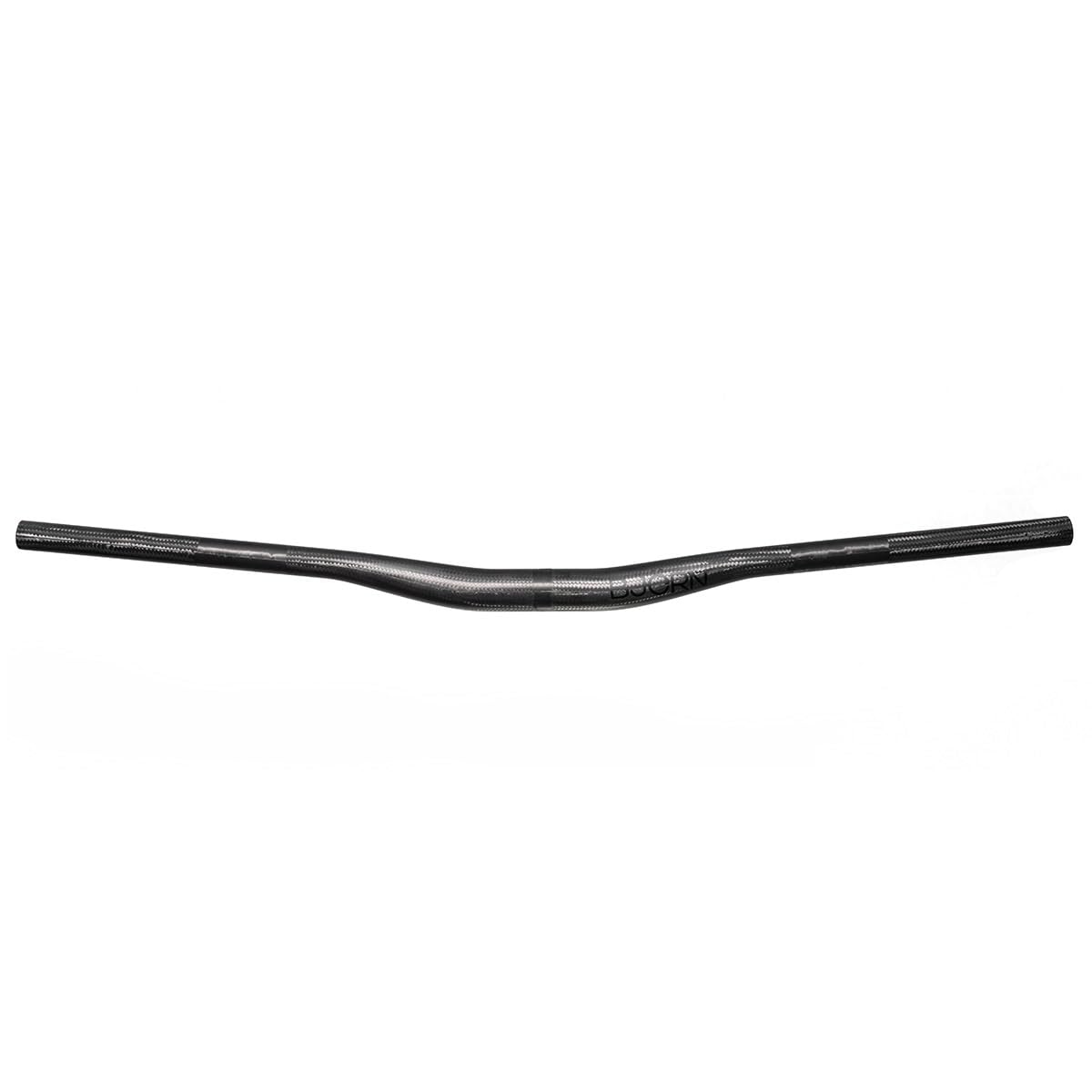
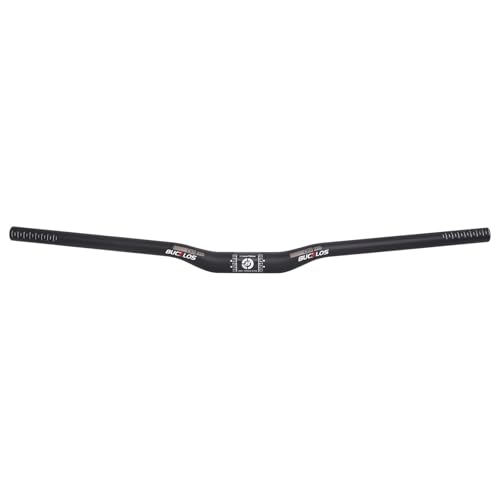


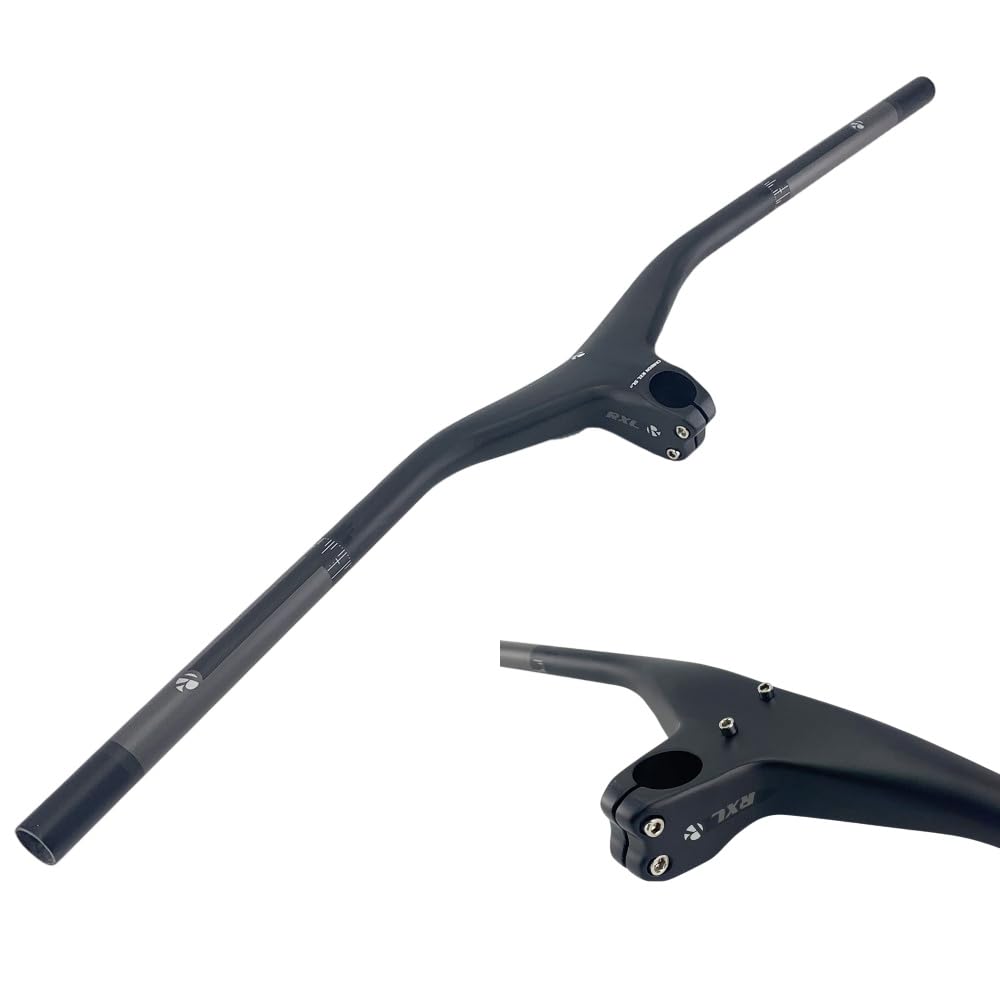
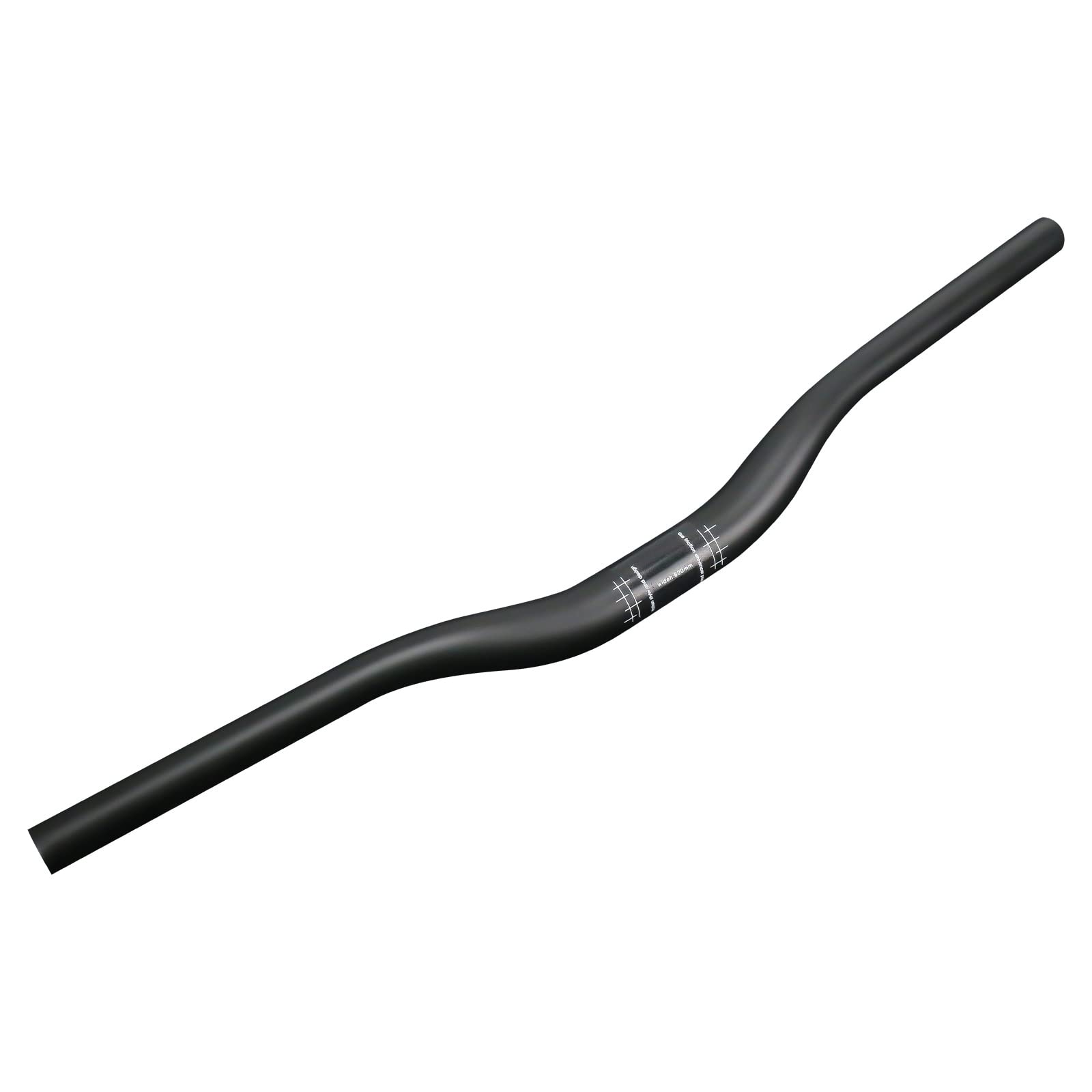
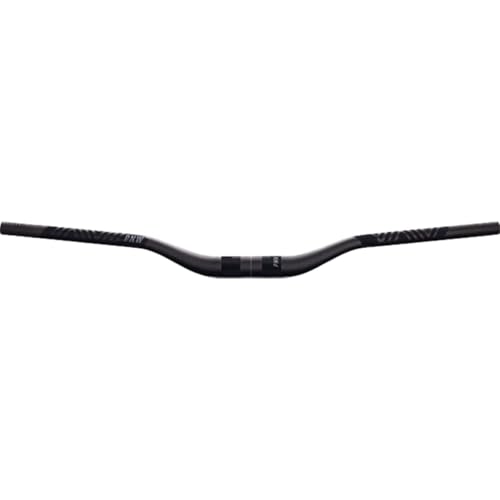
Flat, Riser and Integrated Carbon Bars
Flat Bars for Cross Country
Flat bars have little or no rise and keep your hands low and your weight forward. That position is efficient on climbs and smooth race courses, but it puts more weight on your wrists on steep descents. Riders who like a fast, aggressive position choose flat bars, and many race bikes ship with them.
Riser Bars for Trail and Enduro
Riser bars lift the grips by about 10 to 40 mm and are the standard choice for trail riding. The extra height takes weight off your hands and keeps the front wheel from feeling too loaded on steep ground. If you are not sure which to pick, a moderate rise is the safest starting point.
Integrated Bar and Stem Combinations
Some carbon bars are one piece with the stem, which saves weight and gives a clean cockpit. The catch is that you cannot change stem length or bar width separately, so measure carefully before ordering. They also usually need a specific steerer tube diameter, so check your fork first.
What to Check Before You Order Carbon Mountain Bike Bars
- Clamp diameter: Most modern bikes use a 31.8 mm clamp, and some newer stems use 35 mm. The bar clamp zone must match the stem exactly, and adapters or shims are a poor fix for a carbon bar.
- Width: Most trail riders land between 740 and 800 mm. Wider bars add leverage on descents but can feel awkward in tight trees, and many carbon bars let you trim them by a few millimeters within the maker limit.
- Rise and sweep: Rise changes hand height, while backsweep and upsweep change wrist angle. Change one thing at a time so you can tell what helped.
- Rider weight limit and use rating: Light cross country bars often carry a lower weight limit than trail or enduro bars. Choose a bar rated for your riding.
- Brake and shifter fit: Check that the grip zone is long enough for your grips, brake levers and shifters, especially if you plan to trim the bar.
The same fit rules apply to our guide to the best carbon mountain bike handlebars, which covers the same upgrade from a slightly different angle.
Prices and Value
Carbon bars start at roughly $30 to $50 from direct-to-consumer brands, and well-known names with independent strength testing and crash replacement programs run about $150 to $230. Lower-priced bars can be perfectly good for light trail use, but check the stated weight limit and warranty before you buy. Paying more usually buys tighter quality control, clearer use ratings and better support if something goes wrong.
If you ride aggressive enduro terrain or crash often, an alloy bar can be the smarter buy, because you can replace it cheaply after a hard hit. For related options, see our guide to the best mountain bike bars.
Choosing Width and Rise for Your Trails
The trails you ride should guide your width. Tight, wooded singletrack favors a narrower bar that clears trees, while open, steep descents reward the extra leverage of a wider bar. If you are unsure, start near the width of your current bar and change it only a little at a time, riding the same loop each time so you can compare.
Rise works the same way. A taller riser lifts your hands and shifts weight toward the rear, which helps on steep descents, while a flat bar keeps weight forward for climbing. Write down how your hands and shoulders feel after each ride, and you will quickly find the combination that suits you.
Fitting and Caring for Carbon Bars
Fit carbon bars with a torque wrench, set to the lower of the bar and stem limits, and tighten the bolts in a cross pattern a little at a time. A dab of carbon assembly paste helps the clamp grip at lower torque. Too much torque can crush the fibers, and too little lets the bar slip in the clamp.
Inspect the clamp area and the grip zone every month for cracks, deep scratches and dull or soft spots. After a crash, look the bar over carefully, because damage can hide under paint, and replace any bar that you doubt. If you cut a bar, use a fine blade and a guide, and wear a dust mask because carbon dust irritates the lungs.
Common Mistakes When Buying Carbon Bars
- Choosing a very wide bar for tight, wooded trails.
- Mixing clamp diameters and relying on a shim to make the bar fit.
- Using a race-weight bar on rough enduro trails.
- Tightening bolts by feel instead of using a torque wrench.
- Riding on a bar after a hard crash without inspecting it.
For more on upgrades, see our guide to the best carbon mountain bike wheels.
Frequently Asked Questions About Carbon Mountain Bike Bars
Are carbon bars worth it over alloy?
Carbon bars save weight and damp some trail buzz, but a good alloy bar is strong and much cheaper. Choose carbon if weight or ride feel matters to you and you will follow torque limits. Stay with alloy if you crash often or want cheap replacements.
What width should I choose?
Start from your shoulder width and the kind of trails you ride. Many trail riders are happy at 760 to 780 mm. Try a width for a few rides before you cut any bar, because you cannot add the length back.
Can I cut a carbon bar?
Many carbon bars can be trimmed within the maker's printed limit. If the bar has no cutting marks or no stated limit, do not cut it. Use a guide so the end stays square, and sand the edge lightly afterward.
How do I know when to replace a carbon bar?
Replace it after any hard crash that bent the controls or hit a rock or tree, and whenever you see cracks, creases or exposed fibers. Do not ride a bar you doubt, because a handlebar failure can cause a serious crash.
Do carbon bars need special grips?
Most standard grips fit, but check the diameter and clamp style. Lock-on grips work well because they spread the clamping force, and you should avoid over-tightening the grip clamps.
Final Thoughts
Pick the design that matches your riding, check the clamp size and weight limit, and fit the bar with a torque wrench. Compare your short list in the product table, and the best carbon mountain bike bars for you will be the ones that fit your stem, suit your trails and come from a brand that stands behind its strength ratings.


