
Best Carbon Plate Shoes: A Buying Guide for 2026
Disclosure: We may earn a commission when you buy through links on this page, at no extra cost to you. As an Amazon Associate I earn from qualifying purchases. Learn more

A clear buying guide to carbon plate shoes, covering plate feel, foam cushioning, fit, durability, calf load, and who benefits most from plated shoes.
Choosing best carbon plate shoes can feel tricky, because plated shoes promise speed but feel very different from normal trainers. This guide explains how carbon plates work, who benefits most, and how to judge fit, cushioning, and durability, so you can decide whether a plated shoe suits your running or racing goals.
You will learn how plate stiffness, foam type, and stack height affect feel, and why a plated shoe that suits a marathon may feel awkward for easy daily miles. The sections that follow help you match a shoe to your pace, distance, and foot shape, and the product table lists current pairs.
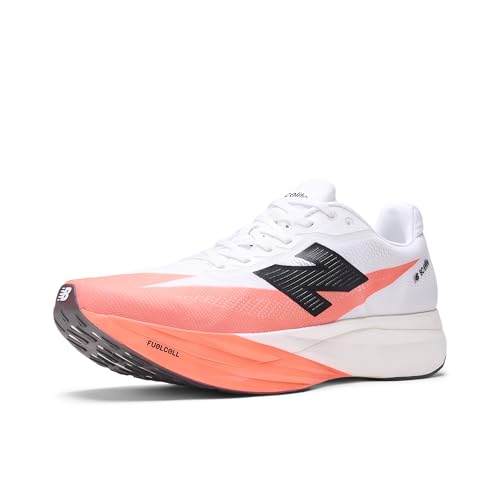
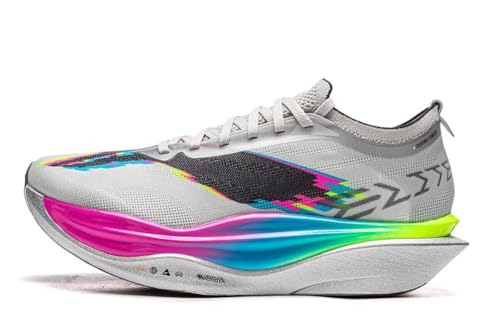
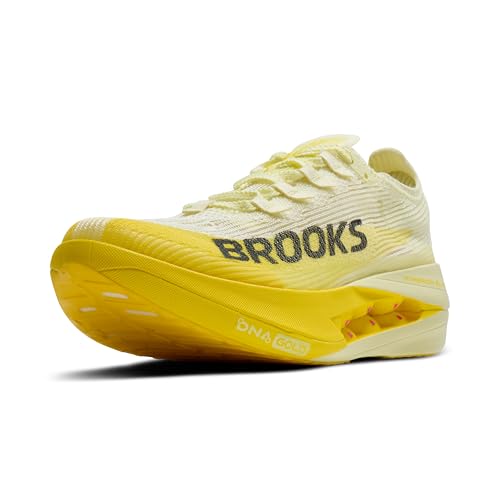
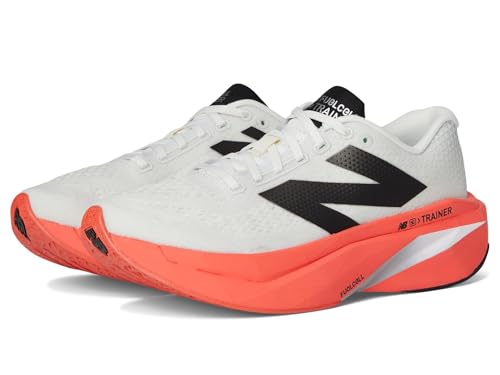
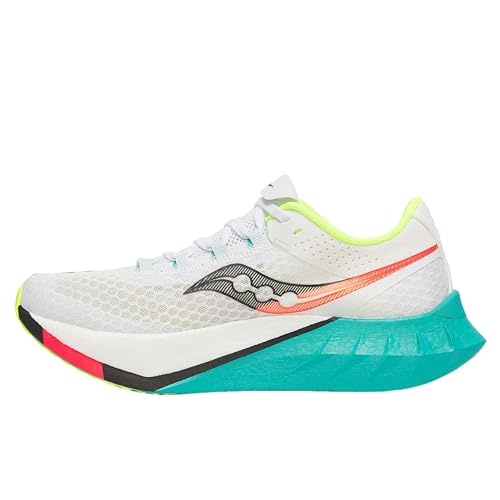

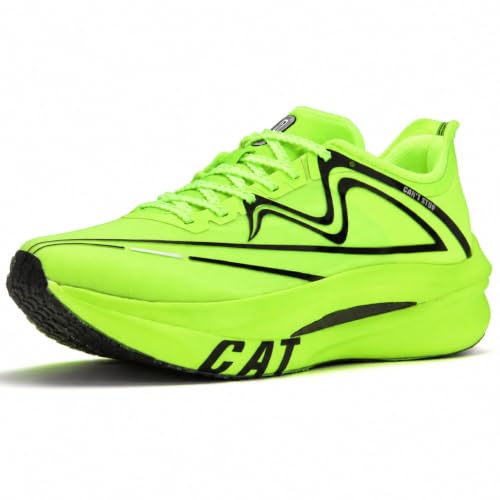
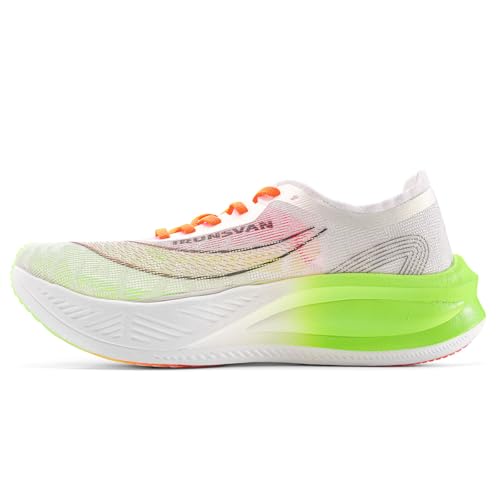
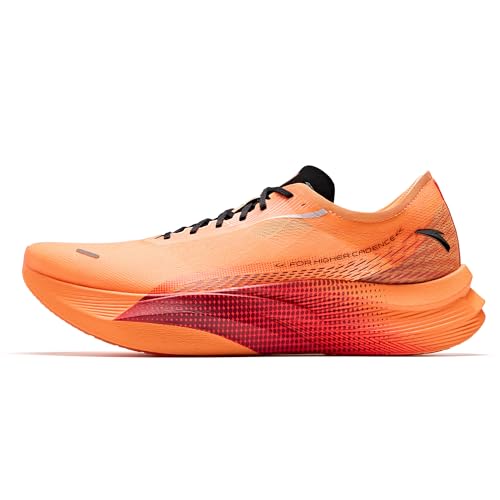


Who This Guide Is For
This guide suits runners training for races, from 5K to marathon, who want extra energy return on race day. If you run mainly easy miles, a plated shoe may feel unstable and wear faster than a normal trainer. If you race regularly and want a faster feel, a plated shoe can be a useful tool alongside a daily trainer.
It also helps runners curious about plates but unsure about fit, calf load, or durability. Think about your race distance, your weekly mileage, and whether you have calf, Achilles, or foot issues, then let those answers shape your short list. A plated shoe should support your training, not force you to change your stride overnight.
Types Compared
Plated shoes differ in plate length, foam softness, and stability, so compare them by race distance and running style.
| Type | Best For | Typical Price |
|---|---|---|
| Full Length Plate Racers | Marathon and half marathon racing | about $200 to $300 |
| Training Plated Shoes | Speed work and long runs | about $150 to $250 |
| Short Distance Racers | 5K to 10K and track racing | about $150 to $250 |
| Stability Plated Shoes | Runners needing more support | about $180 to $280 |
Full Length Plate Racers
Full length plate racers combine a stiff carbon plate with soft, light foam for maximum energy return over long distances. They feel fast and bouncy but can feel unstable on corners and uneven ground. This type suits experienced racers who want race day speed and already run in light, responsive shoes.
Training Plated Shoes
Training plated shoes use a plate with more durable foam and a slightly heavier build, which suits tempo runs and long training sessions. They last longer than pure racers and feel more stable, but they may feel less explosive. This type suits runners who want plate feel in training without wearing out a race shoe quickly.
Short Distance Racers
Short distance racers use a firmer, lower profile plate feel for quick turnover and ground contact. They suit fast, shorter races where agility matters more than long distance cushioning. Check fit and forefoot flexibility, because a very stiff shoe can feel harsh at slower paces.
Stability Plated Shoes
Stability plated shoes add wider bases, firmer foam on the inner side, or guide rails to help runners who overpronate. They feel more planted than pure racers but may feel less bouncy. If you need support in normal trainers, look for a plated shoe that offers similar support rather than switching to a neutral racer.
Key Features to Compare
These features decide whether a plated shoe helps or hurts your running, so test them carefully.
Plate Feel and Stiffness
Plate stiffness shapes propulsion and calf load, with stiffer plates feeling more aggressive and softer plates feeling more natural. A very stiff plate can increase calf and Achilles load, especially if you switch suddenly from soft trainers. Break in plated shoes gradually with short runs, and stop if you feel sharp calf or foot pain.
Foam Type and Cushioning
Foam type decides softness, bounce, and durability, with newer foams feeling lighter and more responsive but wearing faster. Soft foam suits long races, while firmer foam suits shorter races and heavier runners. Check stack height and drop, because a high stack can feel unstable on corners and cambered roads.
Fit and Toe Box
Fit should be checked with running socks, in the afternoon when feet are slightly larger, and with room for toes to spread. Plated shoes often fit narrow, so wide footed runners should check wide versions or a roomier toe box. Walk and jog in the shop if possible, because a tight toe box causes blisters and black toenails on long runs.
Outsole and Grip
Outsole rubber decides grip on wet roads, durability on rough surfaces, and weight. Racers often use less rubber to save weight, which wears faster on abrasive roads. If you train on wet or rough surfaces, choose a plated trainer with fuller outsole coverage rather than a pure racer with exposed foam.
Durability and Race Use
Plated racers often last fewer miles than daily trainers, because soft foam compresses and plates lose snap over time. Save racers for key sessions and race day, and use a daily trainer for most mileage. Track your mileage, rotate shoes, and replace plated shoes when foam feels flat or the plate feels less responsive.
Related Guides to Compare
For a running focused look at plate models, distances, and paces, see our guide to the best carbon plate running shoes. For plate construction and stiffness, our guide to the best carbon fiber plate running shoes goes deeper, and the best carbon running shoes guide covers carbon-infused shoes beyond full plate racers.
Common Mistakes to Avoid
A common mistake is wearing a plated racer for every run, which increases calf load and wears the shoe out fast. Another mistake is buying a narrow racer that pinches toes on long runs. Use plated shoes for key sessions and races, break them in gradually, and choose a fit with toe room for your longest race distance.
Care and Upkeep Over Time
Rotate plated shoes with a daily trainer, and let foam recover between runs by resting shoes for a day. Clean mud and grit from outsoles, dry shoes at room temperature away from direct heat, and avoid machine washing unless the maker allows it. Replace insoles if they wear, and track mileage so you can judge when foam and plate response fade.
Questions to Ask Before You Order
Ask yourself what race distance you target, how many miles you run weekly, and whether you need stability support. Ask about plate stiffness, foam type, stack height, fit, and outsole coverage, and check return policy so you can test fit at home. Finally, plan a gradual break in and a rotation plan so the shoe supports training without overloading calves.
Frequently Asked Questions
Do carbon plate shoes make you faster?
Carbon plate shoes can help many runners feel faster on race day, thanks to light foam and plate propulsion, but gains vary by pace, distance, and running form. Faster runners often gain more than slower runners, and the shoe does not replace training. Use plated shoes as a race day tool, not as a shortcut for consistent training.
Are carbon plate shoes bad for calves?
Carbon plate shoes can increase calf and Achilles load, especially when switching suddenly from soft, flexible trainers. Break them in gradually with short runs, strengthen calves, and stop if pain is sharp or persistent. If you have a history of calf or Achilles issues, ask a doctor or physio before racing in a stiff plated shoe.
Can beginners wear carbon plate shoes?
Beginners can wear plated shoes, but a stable daily trainer is usually a better first choice for building mileage and strength. Plated shoes feel less stable and can mask form issues that are better addressed with gradual training. If you try a plated shoe, use it for short speed sessions first and keep most miles in a supportive trainer.
How long do carbon plate shoes last?
Plated racers often last about 200 to 300 miles of racing and key sessions, while plated trainers may last longer with more durable foam. Foam compression, outsole wear, and loss of bounce are signs to replace them. Save racers for races and key workouts to extend life, and rotate with a daily trainer for easy miles.
Do I need a different size in plated shoes?
Sizing varies by brand and model, and plated shoes often fit narrow or long, so try your normal running size first and check toe room. Wear running socks, test in the afternoon, and jog in the shop if possible. If toes touch the front on downhill or long runs, try a half size larger or a wide version.
Final Thoughts
The best plated shoe is the one that matches your race distance, your pace, and your foot shape, without overloading calves or pinching toes. Use the product table to narrow the choice, then compare plate feel, foam, fit, and durability before you decide.
Break in gradually, rotate with a daily trainer, and listen to your body, because best carbon plate shoes should help race day feel faster and smoother, not leave you sore for days after. If pain persists, ask a doctor or physio about footwear and training load.


