
Best Carbon Mountain Bike Wheels: Guide for 2026
Disclosure: We may earn a commission when you buy through links on this page, at no extra cost to you. As an Amazon Associate I earn from qualifying purchases. Learn more

Pick the best carbon mountain bike wheels by size, rim width and hub standards, then check the warranty and crash replacement terms before you order.
Carbon wheels are one of the most talked-about upgrades in mountain biking, and also one of the easiest to get wrong. The best carbon mountain bike wheels are the ones that fit your frame, suit your tires and survive your trails, and weight is only part of that.
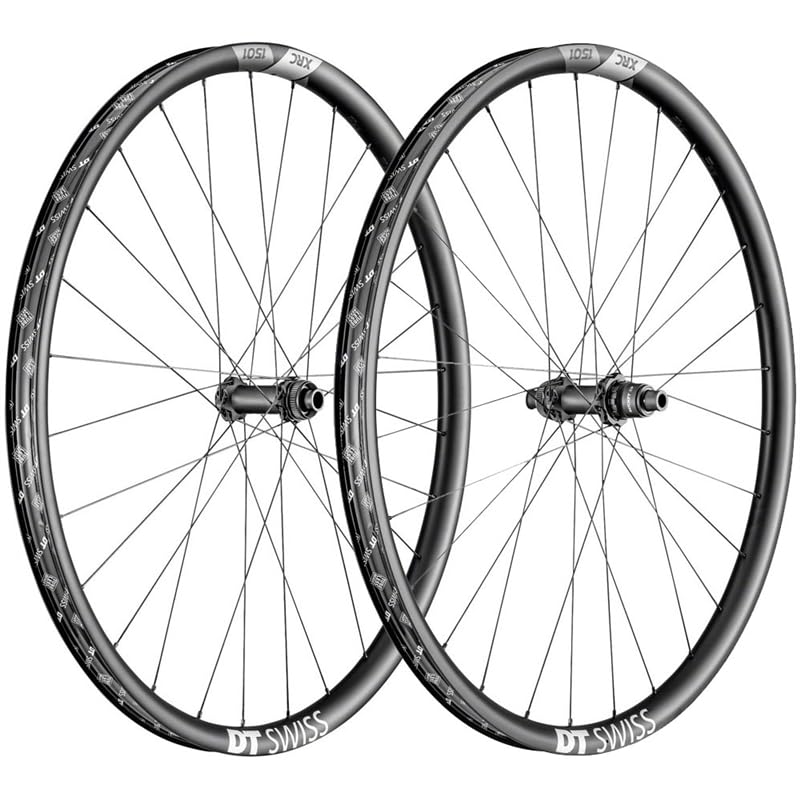
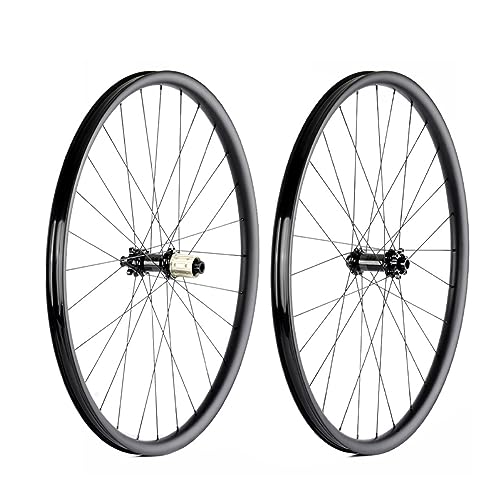
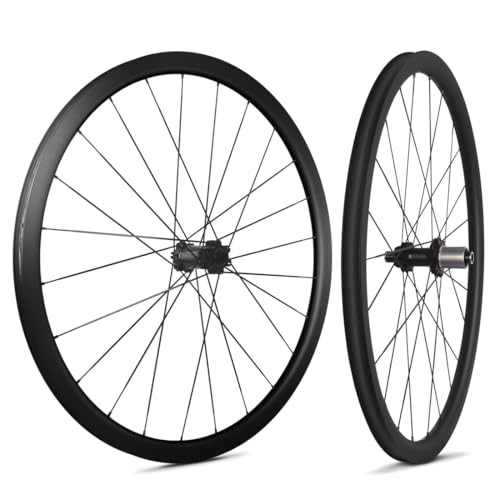
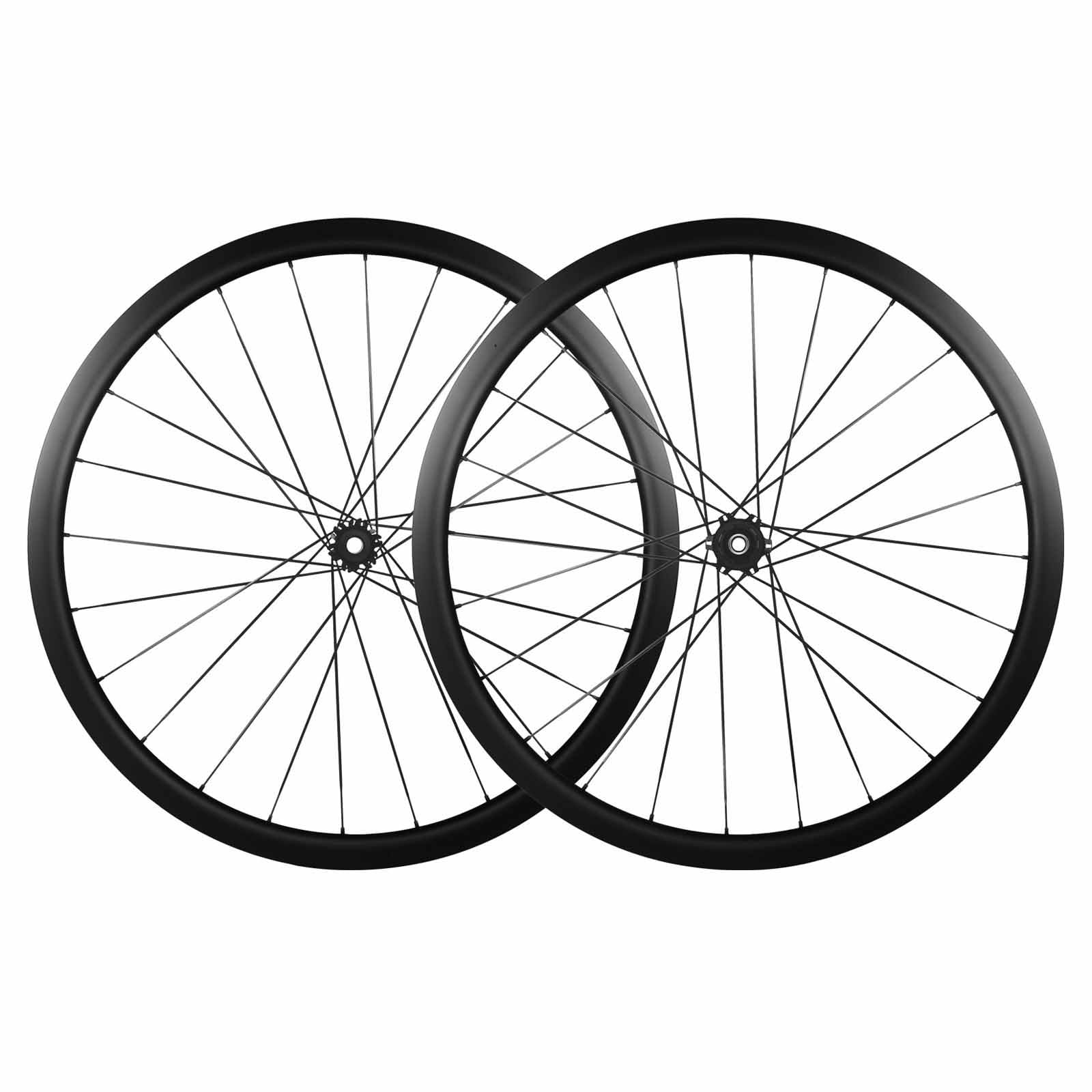
The product table lists carbon wheelsets in 27.5 and 29 inch sizes. This guide explains how to compare them, from rim width and hubs to warranty terms.

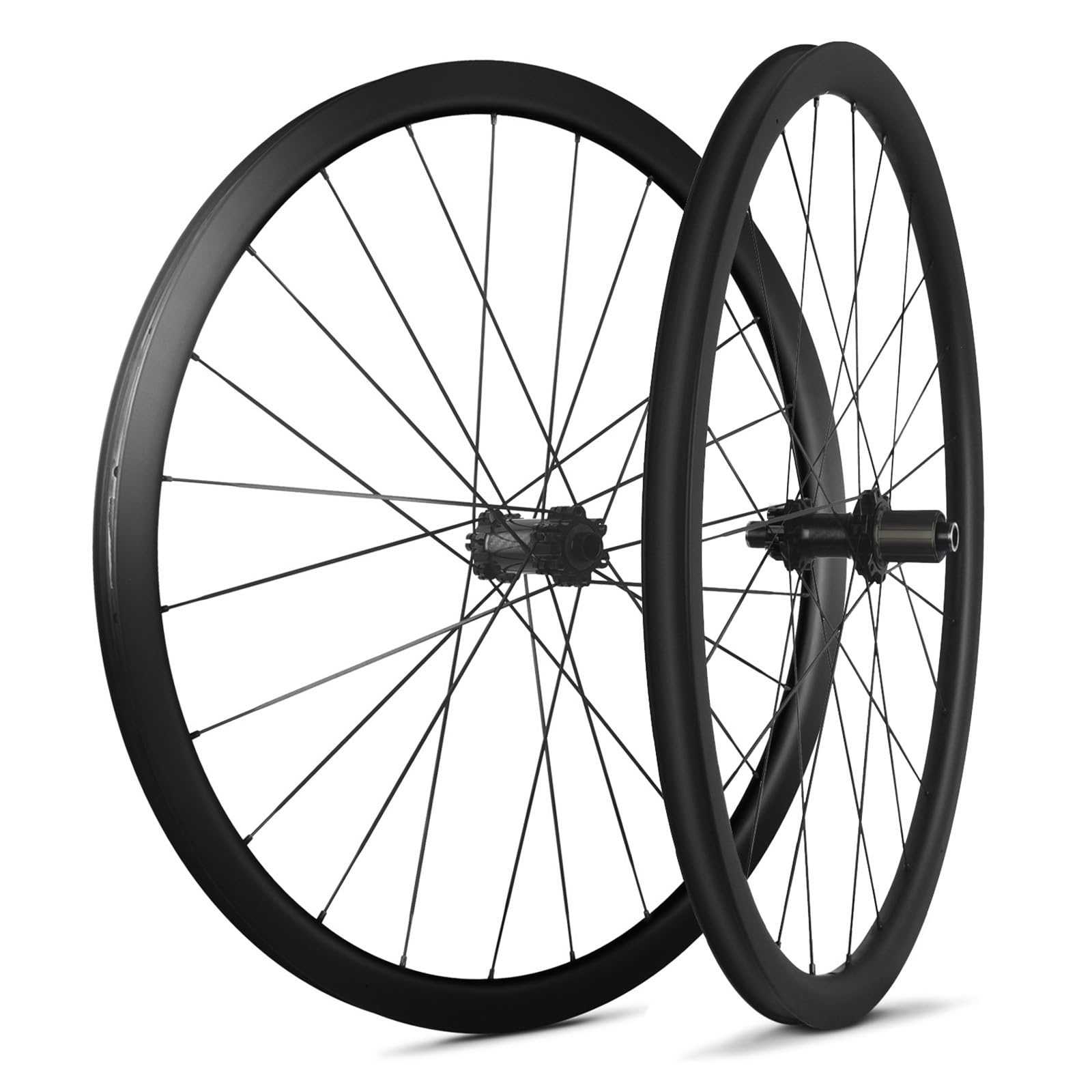

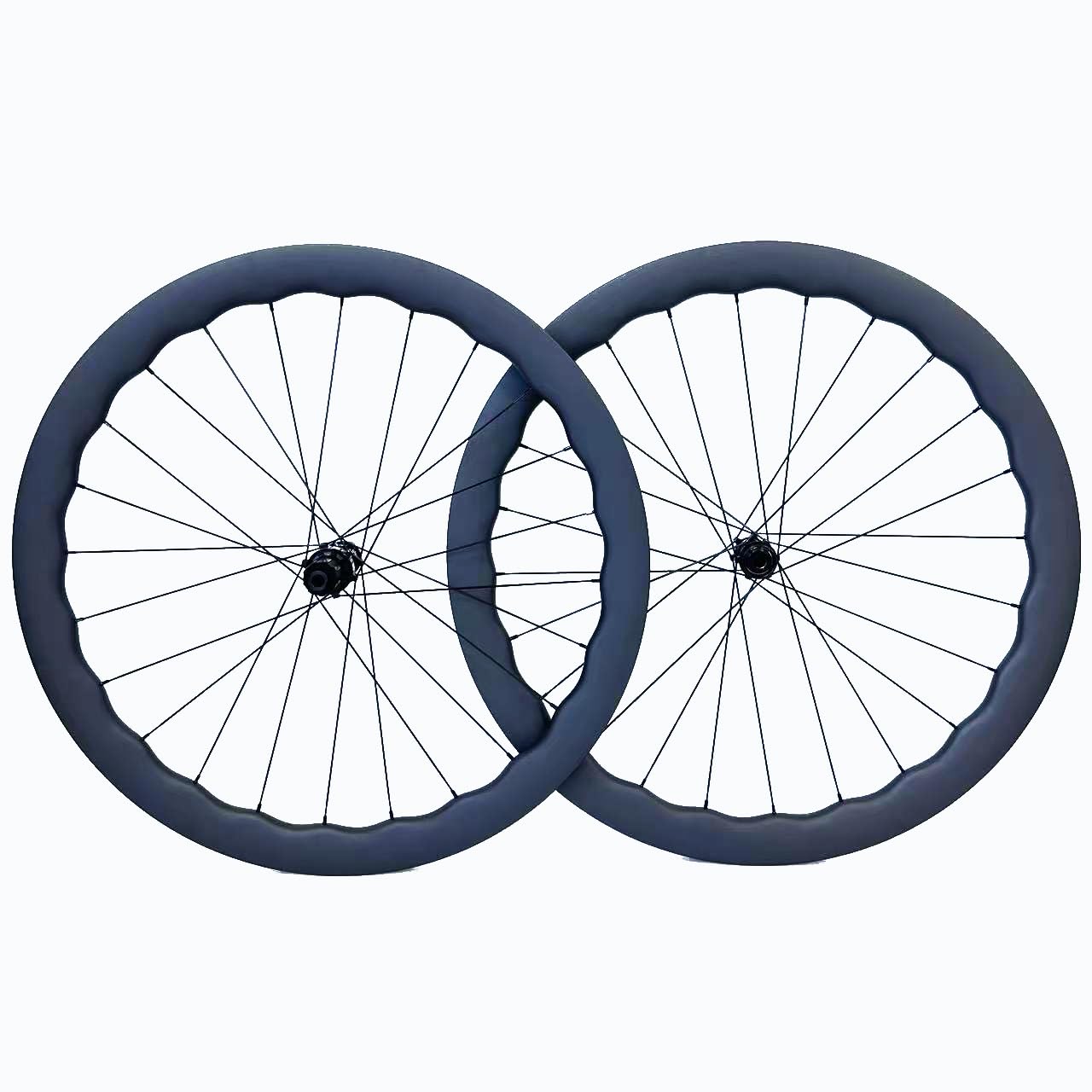
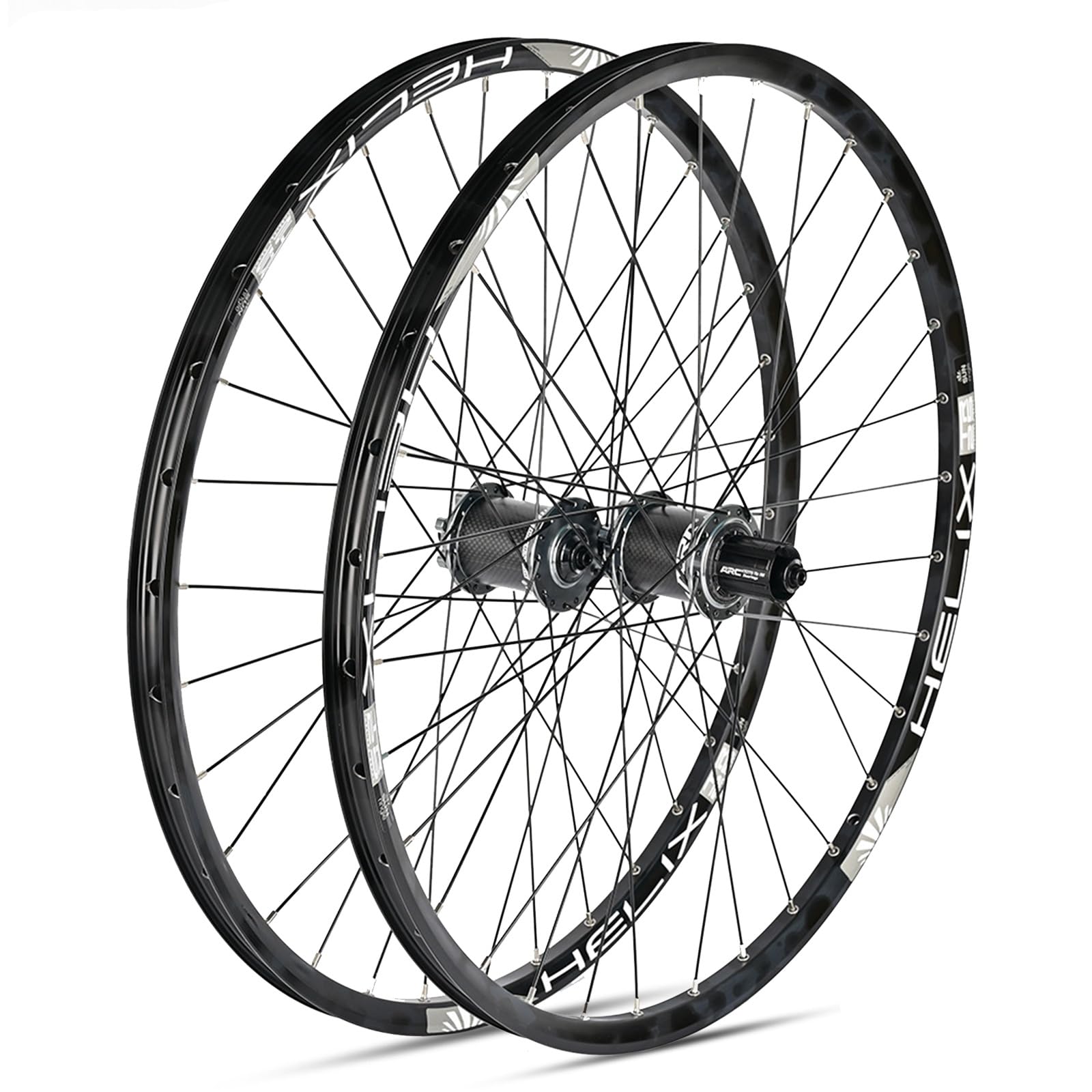
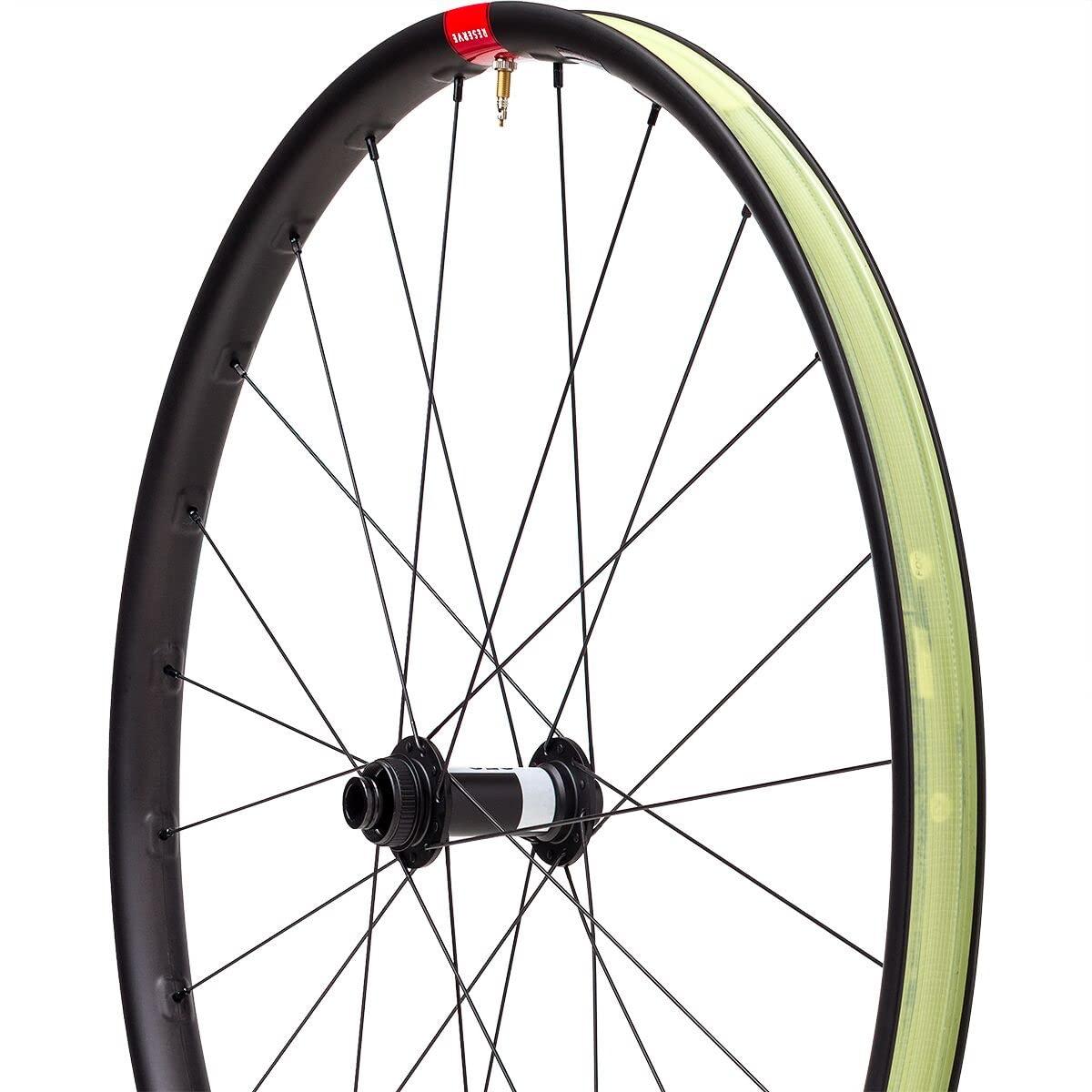
What Carbon Wheels Change on a Mountain Bike
Carbon rims are stiffer than alloy rims at the same weight, so the wheel holds its shape better in corners and under hard braking. A lighter rim also means less rotating weight, which helps the bike accelerate and change direction. Many carbon rims also have a wider, tubeless-ready profile that supports a wider tire at lower pressure, which adds grip.
The downsides are price and impact behavior. Carbon rims can crack from sharp rock strikes that only dent an alloy rim, and a cracked rim usually needs replacing. For riders on smooth or moderate trails, that risk is small and the gains are real. For riders on rough, rocky trails, a strong rim and a good crash replacement policy matter more than the last few grams.
Which Wheel Type Suits Your Riding
Cross Country Wheels
These prioritize low weight and efficient rolling. They have narrower rims and lighter spokes and suit riders who race or climb a lot on smoother trails.
Trail Wheels
Trail wheels balance weight, width and strength, and are the best starting point for most riders who mix climbs with technical descents.
Enduro and Downhill Wheels
These use stronger rims and more spokes for repeated hard hits. They weigh more, but they are the sensible choice for steep and rocky terrain.
Wheel Size: 27.5 Inch or 29 Inch
29 inch wheels roll over obstacles more easily and carry speed well, which is why most modern trail and cross country bikes use them. 27.5 inch wheels are lighter, accelerate quickly and feel playful in tight corners, and they suit shorter riders and some enduro bikes. Your frame and fork decide the size, so check the maker's wheel size rating before you shop. Our guide to the best carbon mountain bike wheels 29 looks at the larger size in more detail.
Compatibility Checklist
- Axle standard: Check the front and rear axle diameter and the rear hub spacing (for example 142 mm or 148 mm Boost).
- Freehub: Make sure the freehub matches your cassette, whether Shimano HG, SRAM XD or Micro Spline.
- Brake rotor mount: Choose a hub with the same rotor mount as your brakes, six bolt or center lock.
- Rim width and tires: Match the inside rim width to the tire width you plan to run, using the tire maker's chart.
- Tubeless setup: Check for tubeless-ready rims, and confirm whether tape and valves are included.
Price and Value
Carbon mountain bike wheelsets start at about $200 for basic direct-to-consumer sets and rise to $1,500 or more for well-known brands. The cheaper sets can be a way to try carbon, but hubs, spokes and warranties vary, so read the terms before you buy. A good alloy set with better tires often gives more for the money, so carbon makes the most sense if you ride often and want the stiffness and weight savings.
Who Should Skip Carbon Wheels
Carbon wheels are not the right upgrade for every rider. If you ride rough, rocky trails and often hit rocks, a strong alloy wheelset can survive hits that would crack a carbon rim, and it costs much less to replace. If your bike has a basic fork, heavy tires and entry-level brakes, those parts will change the way the bike feels more than a wheel upgrade, and spending on them first is usually the wiser move.
Carbon wheels make the most sense for riders who already have a well set up bike, ride often enough to feel the difference and are comfortable with the extra care and cost. If that sounds like you, the stiffer feel and lower rotating weight can make climbing and cornering noticeably more lively.
Setup and Care
Start with lower tire pressure than you used on alloy rims, then raise it slightly if you feel the rim hit the ground. Check spoke tension after the first few rides, inspect the rims after any hard impact and check tubeless sealant every few months. Avoid pressure washing close to the hub bearings. If you hear creaking or feel a wobble that truing does not cure, have a shop look at the wheel.
Common Mistakes
- Buying on weight alone without checking the strength rating.
- Ordering the wrong axle or freehub standard.
- Choosing a rim that is too narrow or too wide for the tires you run.
- Forgetting that a crash replacement policy can matter more than the price.
If you are also planning other upgrades, see our guide to the best carbon mountain bike bars, and for a whole new bike see the guide to the best carbon mountain bike.
Frequently Asked Questions About Carbon Mountain Bike Wheels
Are carbon wheels worth it?
Carbon wheels improve stiffness and cut rotating weight, but they cost far more than alloy. They are worth it if you ride often and value the feel, and if you accept the risk of a cracked rim. Alloy suits riders who want durability and a low replacement cost.
What rim width suits my tires?
Match rim width to tire width using the maker's chart. A rim that is too narrow makes the tire round and unstable, and one that is too wide can expose the sidewall. For most trail tires, an inside width of 30 to 32 mm works well.
Do carbon wheels break easily?
Modern carbon wheels handle normal trail riding well, but a sharp rock strike can crack a rim that would only dent in alloy. Many makers offer crash replacement at a discount, so check the policy first.
How do I maintain carbon wheels?
Keep the spokes tensioned, check the bearings and clean the rims after muddy rides. Inspect the rims for cracks after hard impacts, and have a shop check the wheel if it feels loose or wobbles.
Can I use carbon wheels with any brakes?
Most mountain bike wheels use disc brakes, so check the rotor mount, axle and freehub standards. A few carbon rims suit rim brakes, but they need specific pads.
Final Thoughts
Check the standards that decide fit, pick a wheel type for your terrain and compare warranty terms before price. Your short list in the product table should hold the best carbon mountain bike wheels that fit your bike and that you feel comfortable riding hard.


