
Best Carbon Running Shoes 2026: What Actually Matters Before You Buy
Disclosure: We may earn a commission when you buy through links on this page, at no extra cost to you. As an Amazon Associate I earn from qualifying purchases. Learn more

Learn how to judge carbon running shoes by plate, foam, fit, and price. This guide cuts through hype and helps you choose a pair that suits you.
Sorting out the best carbon running shoes is harder than it looks, because every model claims speed while prices and ride feel vary widely. Carbon shoes share a stiff plate and soft foam, yet stack height, plate shape, and fit change the experience a lot. The right pair depends on your pace, distance, and foot type, not on which model wins the most headlines. The product table lists current pairs for a quick comparison.
This guide focuses on what actually matters: how the plate and foam feel at your pace, how fit affects stability, and when carbon shoes are worth their price. It avoids ranking claims and instead gives you checks you can use in a shop or on a short trial run.
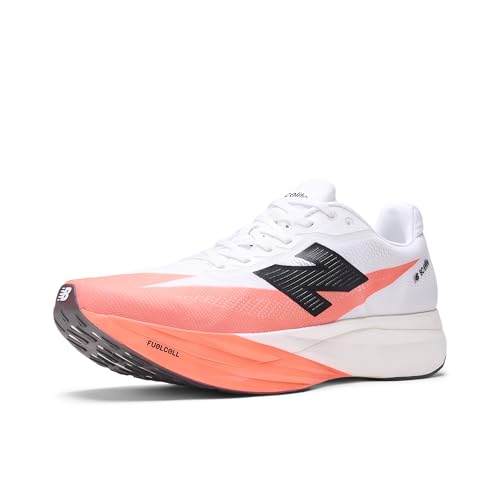
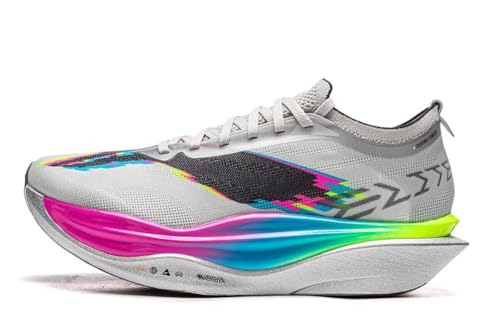
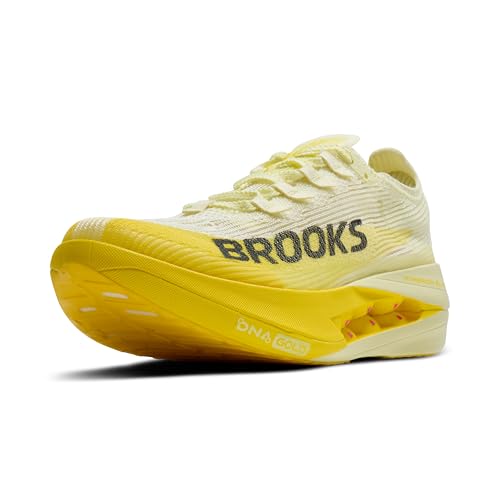
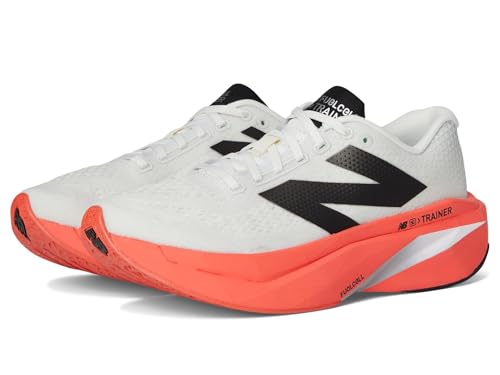
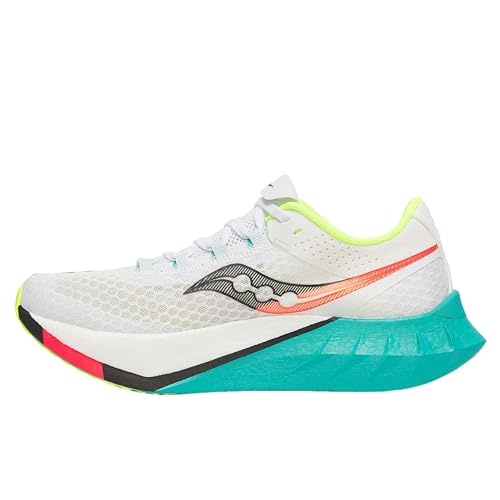

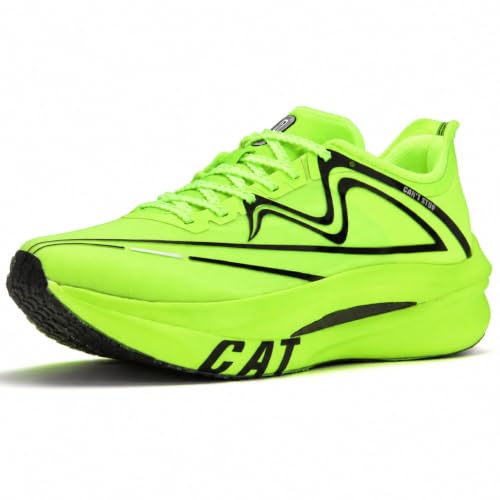
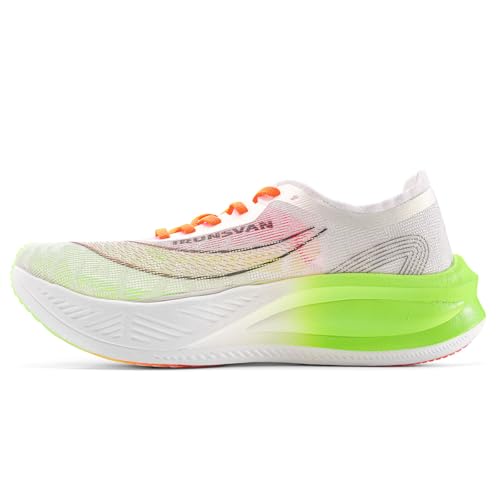
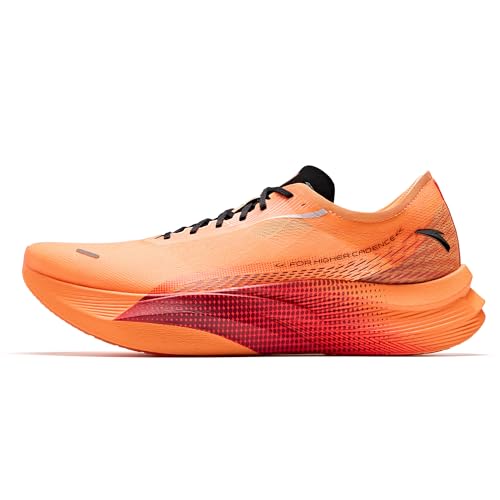


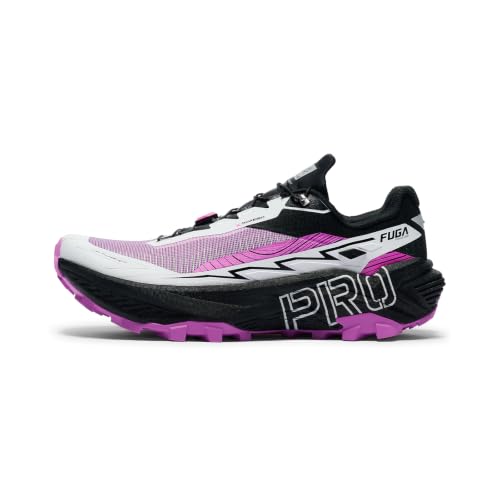
Plate Shape and Foam Feel
Plate shape guides how your foot rolls, with curved plates pushing you forward more firmly and flatter plates feeling closer to a normal trainer. Full length plates give the strongest lever effect, while split or partial plates allow more natural foot movement. Foam softness decides comfort and rebound, with softer foams feeling bouncier but wearing faster. Together, plate and foam create the ride, so judge them as a pair rather than praising carbon alone.
Stack height adds cushioning but also raises your foot, which can feel less stable on cambered roads or tight turns. Lower stack carbon shoes feel more grounded and suit runners who value control over maximum cushioning. Higher stack shoes suit long races where leg fatigue matters more than agility. Try shoes at your normal training pace, since walking around a shop rarely shows how a plate behaves at speed.
Fit Checks That Matter Most
Fit should hold the midfoot snugly while leaving toes room to spread during longer runs. Heel slip wastes energy and causes blisters, so lace carefully and check heel hold on a short run, not just standing still. Width matters too, since narrow carbon shoes can pinch wide feet even when length seems right. If a model only comes in one width, try a half size up or a different model rather than forcing a poor fit.
Stability deserves attention because high stack shoes can feel tippy, especially for runners with weaker ankles. Wider platforms and stability features help some runners, but they add weight and change the ride. Runners with flat feet or a history of ankle sprains should test stability carefully and build mileage slowly. A shoe that feels secure at easy pace may still feel unstable when tired late in a long run.
Training Use and Race Day Value
Carbon shoes work best for races and fast sessions, where their propulsive feel helps most. Using them daily wears soft foam quickly and costs more per kilometer than regular trainers. A rotation works well: carbon shoes for races and tempo work, plus durable trainers for easy and long slow runs. This approach also keeps race shoes feeling fresh, since foam recovers between uses and mileage stays lower.
Value depends on how often you race and how much you care about race day feel. A runner racing monthly may justify a carbon pair that lasts a season or two of races. A runner racing once a year may get more from two pairs of training shoes instead.
Prices run from under $60 for budget brands to about $300 for premium race pairs, so weigh race frequency and budget before buying.
Durability, Care, and Warning Signs
Soft race foam compresses with mileage, so carbon shoes lose their best feel sooner than firm trainers. Track your kilometers and note when the ride feels flat, less springy, or uneven from side to side. Outsole rubber wear also changes grip, especially on wet roads, so inspect soles regularly. Replace race shoes before a key event if they feel tired, since foam does not recover with rest once it has compressed.
Care is simple: air dry after wet runs, avoid machine washing and high heat, and store shoes at room temperature. Heat from radiators or car boots in summer ages foam faster and can warp plates slightly. Rotate pairs when possible, and keep carbon shoes for running rather than daily walking to preserve their ride. Small care habits add up over a season of racing.
Common Buying Mistakes to Avoid
A common mistake is buying the model worn by elite athletes without checking fit, stack, and pace suitability for your own running. Elite models often assume fast paces and efficient form that many runners do not share. Another mistake is racing in brand new carbon shoes without a trial, since new plates and high stacks can surprise calves and Achilles tendons. Build up with short fast sessions first, and watch for pain rather than pushing through it.
Chasing the lowest weight can also mislead, since a very light shoe may sacrifice durability or stability you need. Compare weight together with stack, fit, and price, not alone. Finally, avoid judging a shoe only by its first kilometer, since foam feel changes as legs tire. A short trial run with a return option gives a far better verdict than shop walking alone.
A Final Check Before You Order
Before ordering, compare two or three models on stack height, weight, and fit rather than fixing on one brand early. Try each at your normal training pace, noting stability on turns and comfort when legs tire. Check race rules on stack height if you compete, since some models exceed limits for track events. A shortlist tested in person beats a single model chosen on headlines.
Build mileage gradually in new carbon shoes, starting with short fast sessions and alternating with familiar trainers. Watch for calf or Achilles soreness in the first weeks, and ease back if pain appears rather than pushing through. Keep notes on which model felt stable and which felt tippy, since that record guides future purchases. Patience in transition protects legs far better than rushing to race day.
Track total kilometers in carbon shoes and replace them before a key race if the ride feels flat or uneven. Soft foam does not recover with rest once compressed, so a tired pair will not revive before race day. Store shoes at room temperature, air dry after wet runs, and avoid high heat that ages foam faster. Careful tracking keeps race day performance predictable.
Frequently Asked Questions
Are carbon running shoes worth the price?
Carbon shoes are worth the price if you race regularly and value race day feel, since their plate and foam aid forward roll at faster paces. Value falls if you race rarely, since soft foam wears and the cost per kilometer rises. Runners who race monthly often justify a pair reserved for races, while occasional racers may prefer training shoes. Weigh race frequency, budget, and fit before deciding.
Do carbon shoes help slow runners?
Carbon shoes can help slower runners through soft foam comfort, though speed gains tend to be smaller than for faster runners. The plate still aids forward roll, but slower paces load foam and plate less firmly. Comfort over long distances may matter more than speed for slower marathoners. Try shoes at your race pace and judge comfort and feel over several runs, not by marketing claims.
How should carbon running shoes fit?
Carbon shoes should hold the midfoot snugly while leaving toes room to spread, with no heel slip on a short run. Width matters as much as length, since narrow models can pinch wide feet. Lace carefully and test on a treadmill or short outdoor run before committing. A secure fit wastes less plate energy and reduces blister risk over long distances.
Can carbon shoes cause injury?
Carbon shoes can change calf and Achilles loading through stiff plates and high stacks, so build mileage gradually rather than racing in new shoes at once. Runners with flat feet, ankle instability, or recent injuries should take extra care and ask a doctor or physio if pain appears. Alternate with familiar trainers during the first weeks. Stop and rest if pain develops, rather than pushing through in the hope of adapting.
How long do carbon running shoes last?
Carbon race shoes often lose their best feel after a few hundred kilometers, depending on weight, pace, surfaces, and foam type. Soft foam compresses with use and does not recover, while outsole wear also changes grip. Track mileage and replace shoes before a key race if the ride feels flat. Rotating with training shoes and reserving carbon pairs for races extends their useful life.
Final Thoughts
Judge carbon shoes by plate shape, foam feel, fit, and stability at your pace, not by brand hype or elite endorsements. Reserve them for races and fast sessions, build mileage gradually, and watch for calf or Achilles soreness in the first weeks. A careful trial run tells you more than any review claim about whether a model suits your feet.
Compare your short list in the product table once more before ordering. With a snug fit and realistic expectations, the best carbon running shoes can make race day feel smoother without replacing steady training.
Related Buying Guides
For a closely related choice, see our guide to best running shoes. You may also find our guide to best tennis shoes for running. For more on a related option, read our guide to best male running shoes.
Another useful comparison is our guide to best ladies running shoes. For a related buying angle, see our guide to best carbon plate running shoes.


