
Best Carbon Frame Mountain Bike of 2026: Complete Buying Guide
Disclosure: We may earn a commission when you buy through links on this page, at no extra cost to you. As an Amazon Associate I earn from qualifying purchases. Learn more

Compare the best carbon frame mountain bike types by geometry, travel, sizing and value, with a checklist to help you choose the right fit for your trails.
A lighter frame can make long climbs feel less draining, but the wrong geometry or travel can leave an expensive bike feeling nervous on descents. The best carbon frame mountain bike for you is the one whose fit, stiffness, and suspension match your trails, not simply the lightest option in the range.
This guide walks through who gains most from carbon, the frame details that change ride feel, and sizing checks that protect comfort. Use the product table to line up frames, then work through the checklist before you spend.
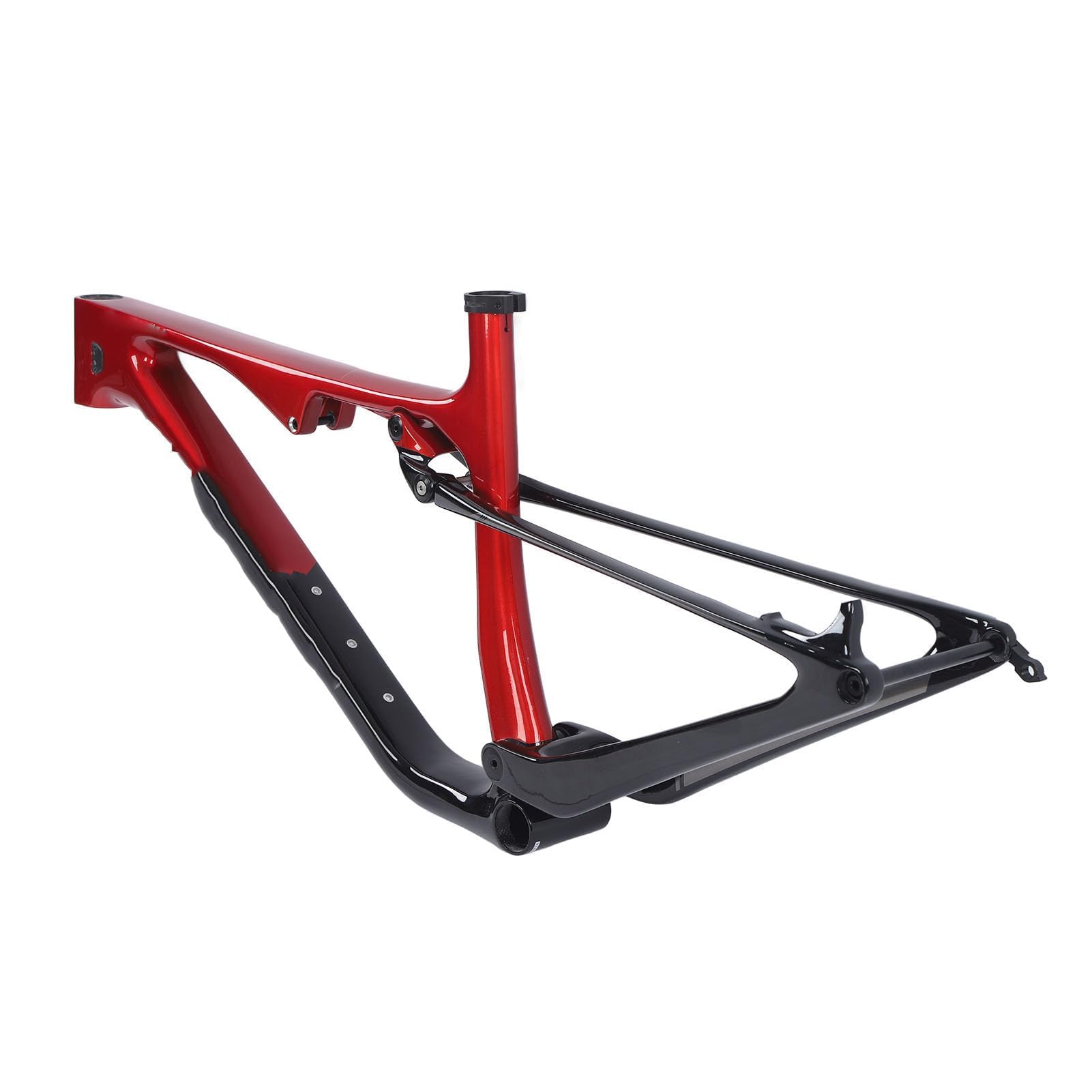

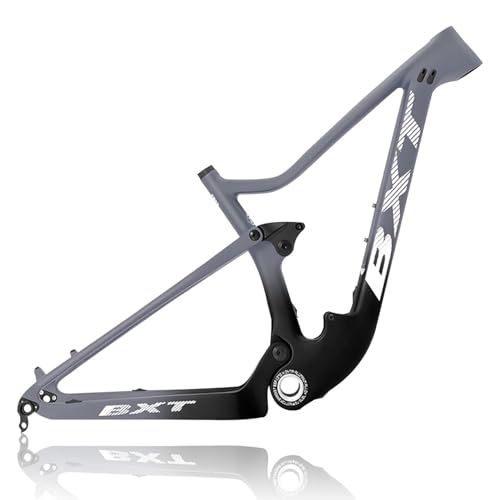

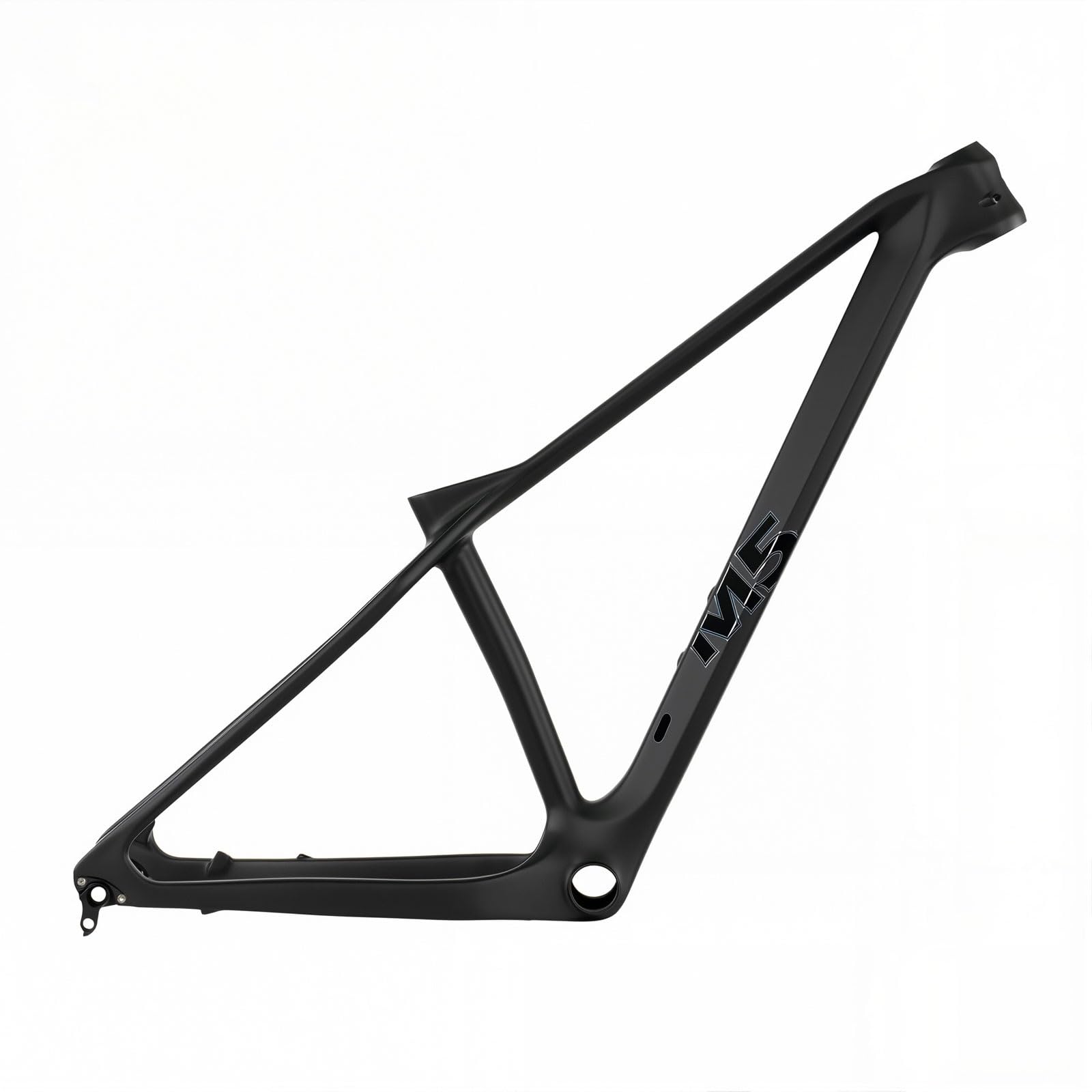

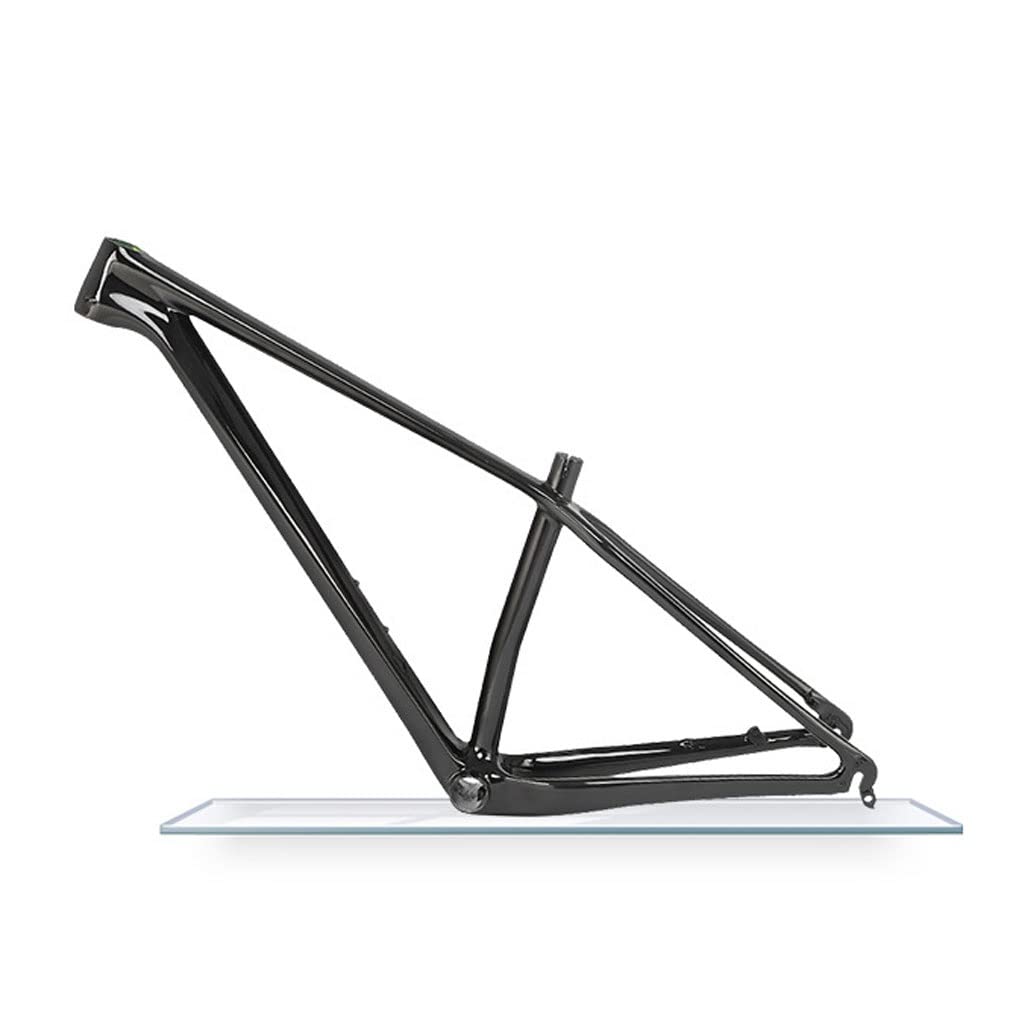

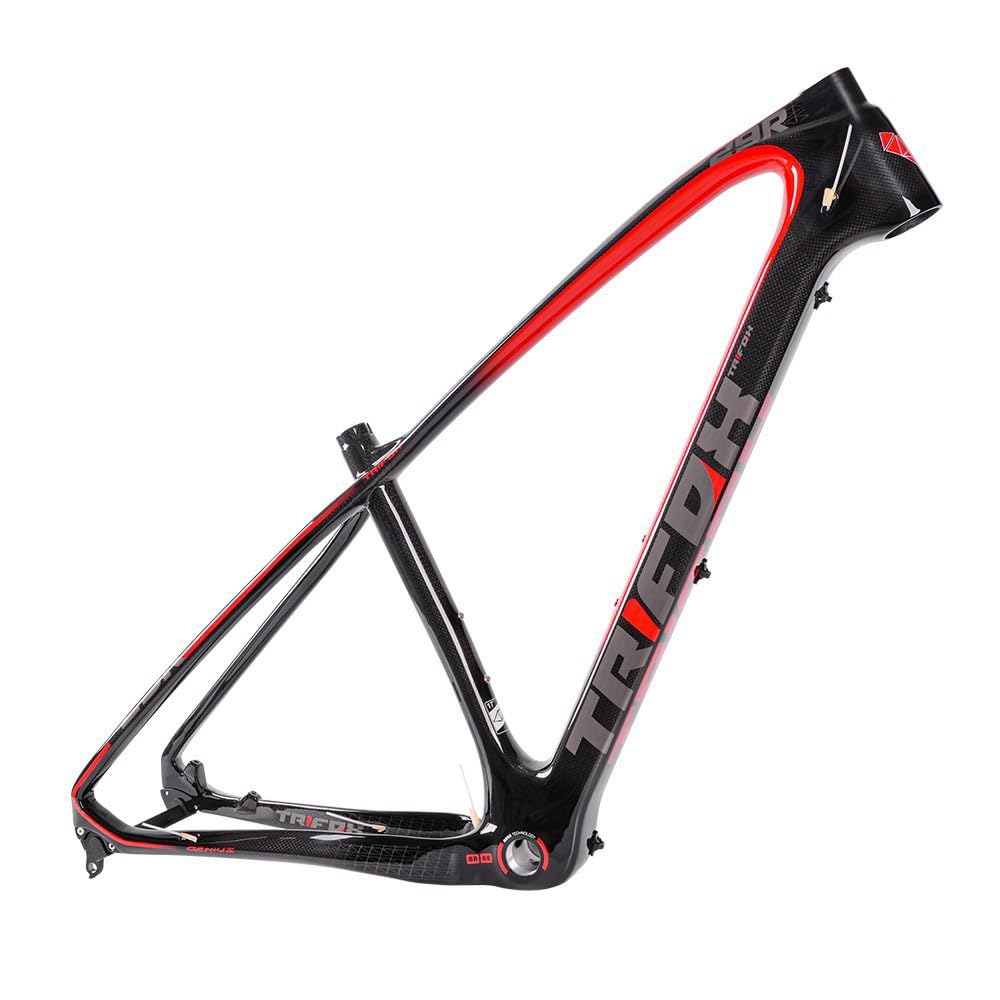
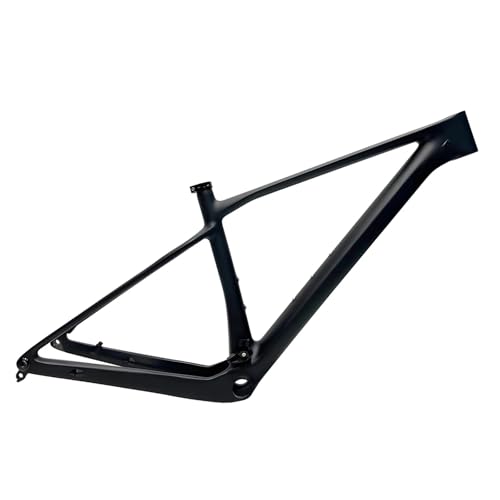

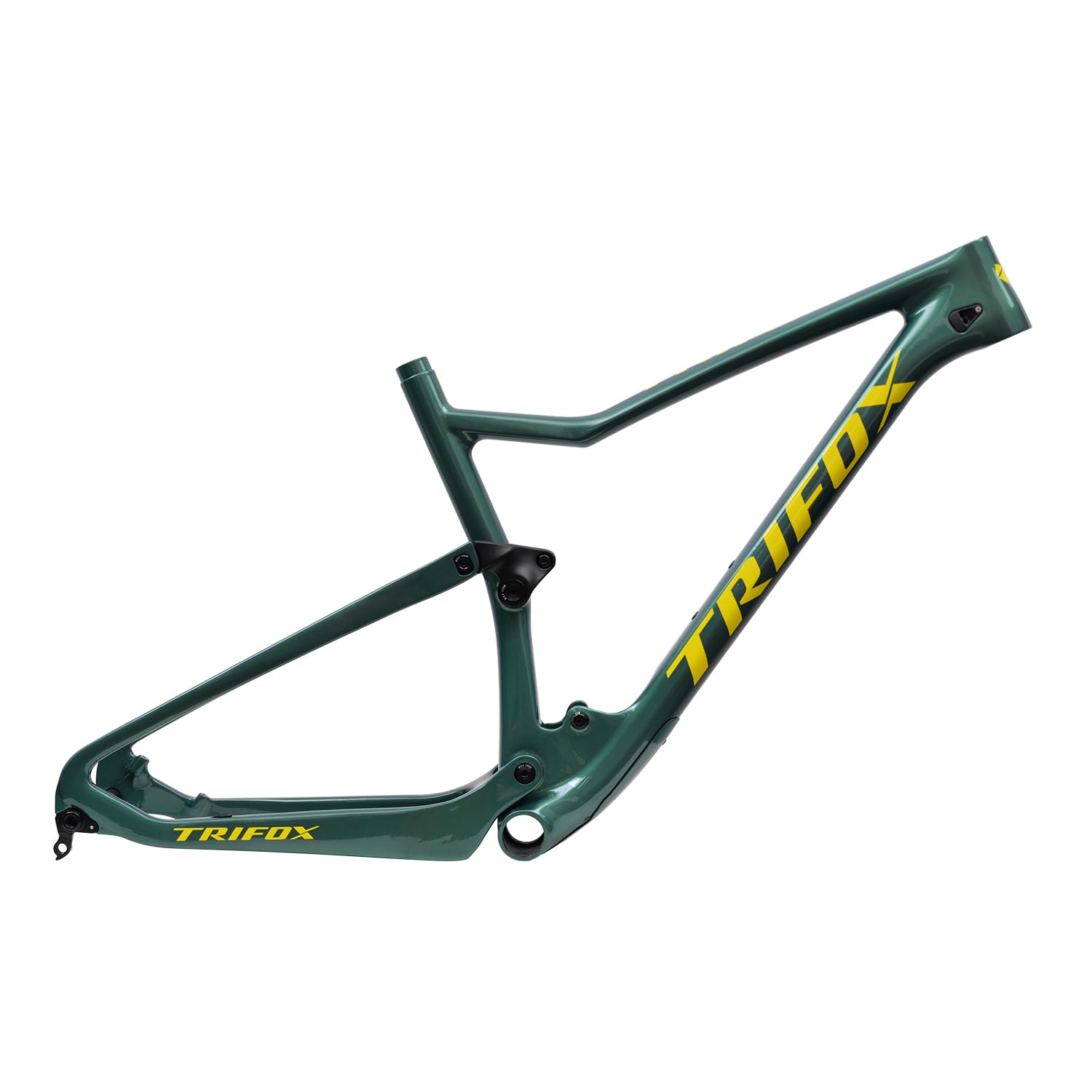
Who Should Buy a Carbon Frame Mountain Bike?
Carbon rewards riders who will notice small gains in weight, vibration control, and precise handling, and it asks for careful sizing in return. Find your riding pattern below.
Cross Country Racers Who Climb and Sprint Often
You race or chase fast friends on rolling trails where climbs repeat all day. A light carbon frame with about 100 to 120 mm of travel helps you accelerate out of corners and hold speed on short, punchy rises. Low weight and firm pedaling response shape nearly every minute of your ride.
Trail Riders Who Want a Calmer Ride on Rough Ground
You ride mixed trails with roots, rocks, and loose corners, and your hands feel beaten up after long descents. Carbon can be tuned to flex in chosen places, which takes sting out of trail chatter while the front stays accurate. Look for about 130 to 150 mm of travel and geometry that keeps you centered.
Enduro Riders Who Earn Steep Descents on Long Climbs
You climb because the descents are worth it, and you need a frame that stays composed when the trail turns steep and broken. A stronger carbon layup and about 160 to 170 mm of travel give support on hard landings without a heavy frame on the way up. Check warranty and crash support before you buy.
Key Features to Compare for Carbon Frame Mountain Bikes
When you judge the best carbon frame mountain bike for your riding, start with the frame itself. The five factors below decide how the bike climbs, turns, and fits you.
Carbon Layup and Frame Weight
Layup means how the carbon sheets are layered and angled inside the frame, and it decides where the frame is stiff and where it gives a little. A good layup feels firm when you sprint yet calm over small bumps, while an overly light layup can feel vague or harsh. A carbon frame can save roughly 300 to 700 grams over a similar aluminum frame, felt most on climbs. For a closer look at layup terms, see our guide to the best carbon fiber mountain bike frame.
Geometry, Reach, and Head Angle
Reach is the horizontal distance from the bottom bracket to the top of the head tube, and it sets how roomy the bike feels when you stand. Longer reach steadies you at speed but can feel slow in tight turns, while shorter reach feels playful and demands more care on steep ground. Head angles run from about 68 degrees on cross country bikes to about 63 degrees on enduro bikes, with slacker angles tracking straighter downhill. For the wider frame picture, see our guide to the best frame for mountain bike.
Suspension Design and Travel
Travel is how far the wheels can move to absorb impacts, and matching it to your trails matters more than chasing the biggest number. About 100 to 120 mm suits rolling trails, 130 to 150 mm covers most trail riding, and 160 to 170 mm is for steep, rough descents. Set sag at about 25 to 30 percent of travel so the suspension can extend into dips as well as compress over rocks.
Sizing, Standover, and Fit
Brand size charts use your height as a starting point, but reach and standover decide whether the bike truly fits. Stand over the top tube with clear space to spare, and check that your dropper post extends fully without sitting too high at its lowest setting. If you fall between sizes, the smaller frame feels easier to move around, while the larger one feels calmer at speed. A short test ride will tell you more than any chart.
Wheel Size, Tire Clearance, and Parts Fit
Wheels of 29 inches roll over rocks and roots with less effort, while 27.5 inch wheels turn more quickly and suit smaller riders, and some bikes mix both sizes. Check tire clearance if you plan tires about 2.4 to 2.6 inches wide, and confirm fit points such as 148 mm rear axle spacing before planning upgrades. Most builds pair hydraulic disc brakes with a single ring drivetrain and tubeless tires. If you would rather buy a complete build, see our guide to the best carbon mountain bike, and for upgrades see our guide to the best carbon mountain bike wheels.
Types of Carbon Frame Mountain Bikes Compared
Carbon appears across three main mountain bike types, and each trades weight, comfort, and control differently. Choose the type first, then compare frames inside it.
Hardtail Carbon Mountain Bikes
A hardtail has a suspension fork up front and a rigid rear end, so it is the lightest and simplest carbon option. It climbs with little lost energy and needs less care, with no rear pivots or shock to service. The trade off is comfort, because rough descents send more impact through your legs. It suits cross country riders on mostly smooth trails.
Short Travel Full Suspension Mountain Bikes
These full suspension mountain bikes use about 100 to 130 mm of rear travel to add traction and comfort without giving up much pedaling speed. The rear wheel follows rough ground instead of skipping across it, so you can stay seated on climbs that would bounce a hardtail rider around. They suit racers and all day riders on rolling terrain.
Trail and Enduro Full Suspension Mountain Bikes
Trail and enduro models use about 140 to 170 mm of travel, slacker geometry, and stronger layups built for repeated hard descents. They feel calm at speed and forgive poor line choices, but they weigh more and can feel sluggish on flat trails. Choose this type if your hardest local descents decide your fun.
Common Mistakes to Avoid When Buying a Carbon Frame Mountain Bike
- Choosing travel for trails you rarely ride leaves you carrying extra weight and slack geometry on every ordinary ride.
- Buying on frame weight alone can land you with a layup too fragile or too harsh for your weight and terrain.
- Skipping the standover and dropper post check can leave you with a frame you cannot mount safely or size correctly.
- Ignoring the warranty and crash terms can turn one hard impact into a full price replacement instead of a supported repair.
- Ordering between sizes without a test ride can lock you into reach numbers that no stem change can fully correct.
Care and Maintenance for a Carbon Frame Mountain Bike
Carbon is strong in the directions it was designed for, but it dislikes crushing forces and hidden impact damage. Clamp a work stand only on the seatpost, never on the top tube, and use a torque wrench on stem, bars, and seatpost so bolts stay snug without crushing the material. Carbon assembly paste helps those parts grip at lower torque. Wash the frame with mild soap and water, and add protective film on the down tube if your trails throw up loose rock.
After any crash, inspect the frame for cracks, deep paint chips, or a crunchy sound when you press the tubes gently, and do not ride a frame you suspect is damaged. Have a qualified shop check suspect damage, because some failures sit below the surface. Check tire pressure before rides, clean and lube the chain every 100 to 200 miles, and book a professional tune up once a year.
Frequently Asked Questions About Carbon Frame Mountain Bikes
Is a carbon frame mountain bike worth paying more for than an aluminum frame?
Yes, a carbon frame is worth more if you ride often enough to feel its lower weight and calmer ride, and less so if your budget would then force cheap tires and brakes. Wheels and tires change ride feel at least as much as frame material. If money is tight, a sound aluminum frame with good tires is the smarter buy.
How much lighter is a carbon mountain bike frame than an aluminum frame?
A carbon frame is typically a few hundred grams lighter, yet the gap shrinks once the complete bike is built. Forks, wheels, tires, and the dropper post make up most of the total weight, so two finished bikes can end up close. Weigh complete builds, not bare frames, when you compare final options.
Can a carbon frame mountain bike be repaired after a crash?
Yes, many damaged carbon frames can be repaired by a specialist, after inspection confirms the damage is limited to one area. A proper repair restores strength in that spot and usually costs far less than a replacement frame. Ask the brand about crash replacement pricing before you buy, because those terms vary widely.
What size carbon frame mountain bike do you need for your height?
The size you need starts with your height, but your inseam and arm length settle the final choice. Measure your inseam barefoot against a wall, then compare it with the standover figure on the chart for each size. Riders with long legs and short torsos often fit better on the smaller of two sizes.
Should new trail riders choose a carbon hardtail or a carbon full suspension bike?
New trail riders usually progress faster on a full suspension bike, because rear traction hides small mistakes on loose climbs and rough corners. A hardtail still teaches clean line choice and costs less to maintain, with no shock to service each season. Pick the hardtail for smooth trails and the suspended bike for rocky ones.
Final Thoughts
Start with the type that matches your trails, then compare layup, geometry, and fit before parts or price. A frame that fits well and carries a fair warranty will serve you longer than the lightest frame on sale. When you are ready to choose the best carbon frame mountain bike for your riding, revisit the product table and check your size once more.


