
Best Bike Frame for Mountain Bike by Budget: A Smart Guide for 2026
Disclosure: We may earn a commission when you buy through links on this page, at no extra cost to you. As an Amazon Associate I earn from qualifying purchases. Learn more

Where frame money improves the ride: the best bike frame for mountain bike use by budget tier, material, geometry and fit for trail, XC and enduro riders.
Frame prices stretch from under $200 to well over $3,000, and the gap is not just about weight. Geometry, material, wheel standard and suspension design all change how a bike climbs, descends and holds up over years of trail use. This guide shows you where money actually improves the ride and where it only trims grams.
Start by matching the frame to your terrain and your parts, then set a budget. The best bike frame for mountain bike for you is the one that fits your body, accepts your wheels and fork, and leaves room in the budget for the parts that wear out.
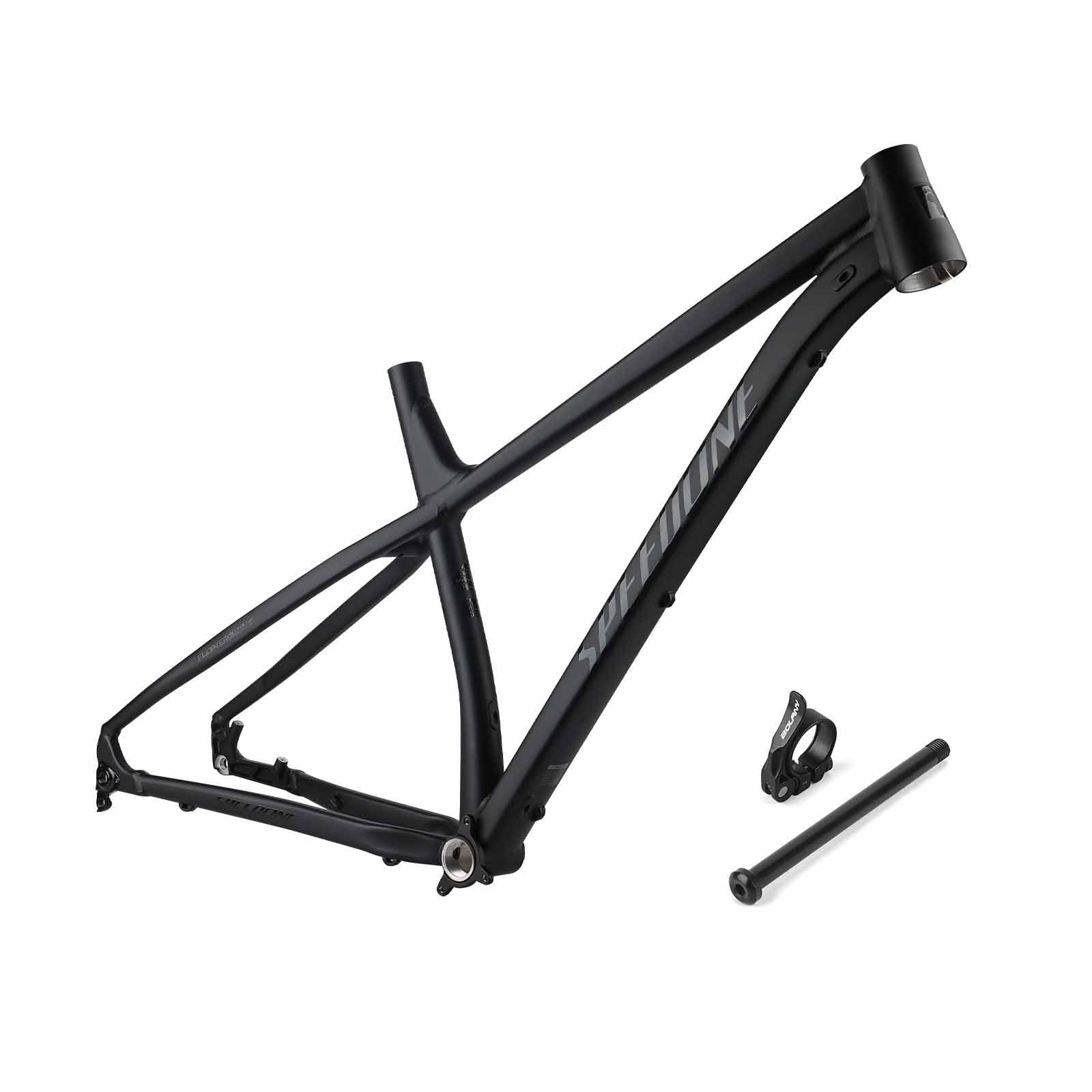
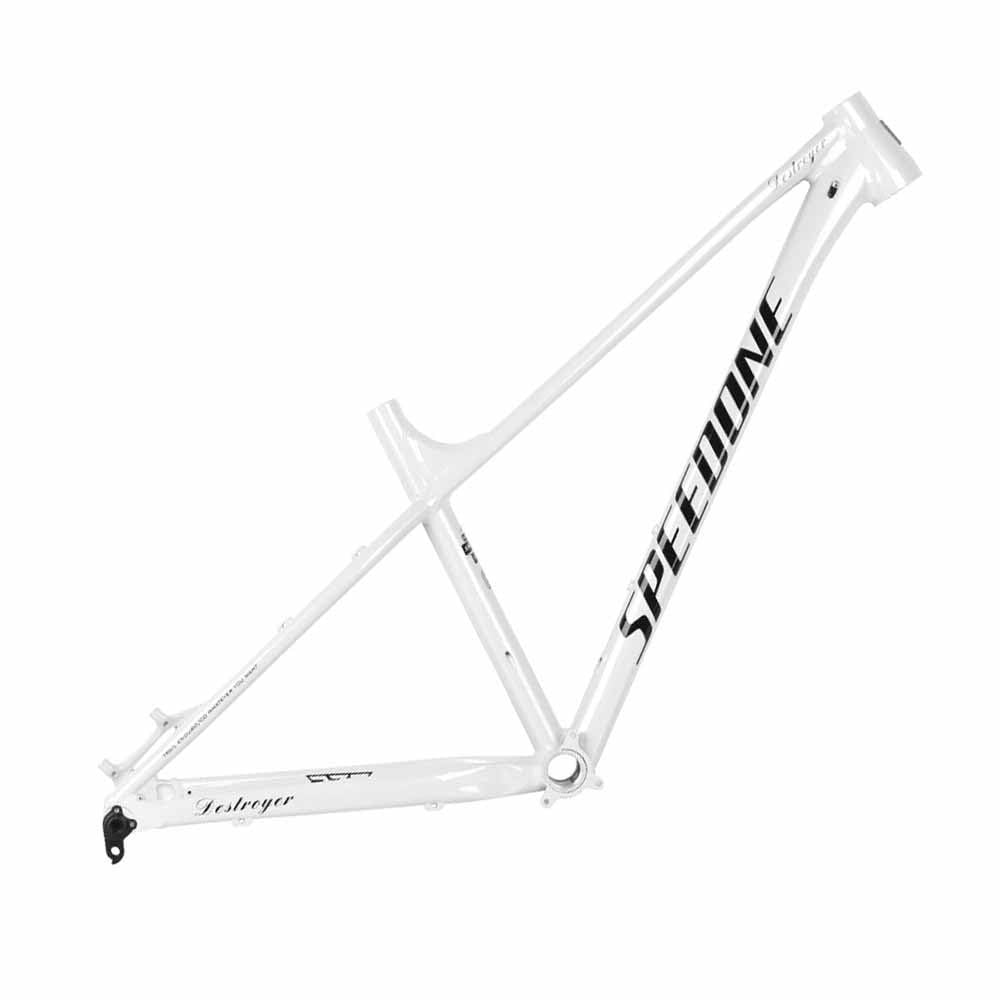
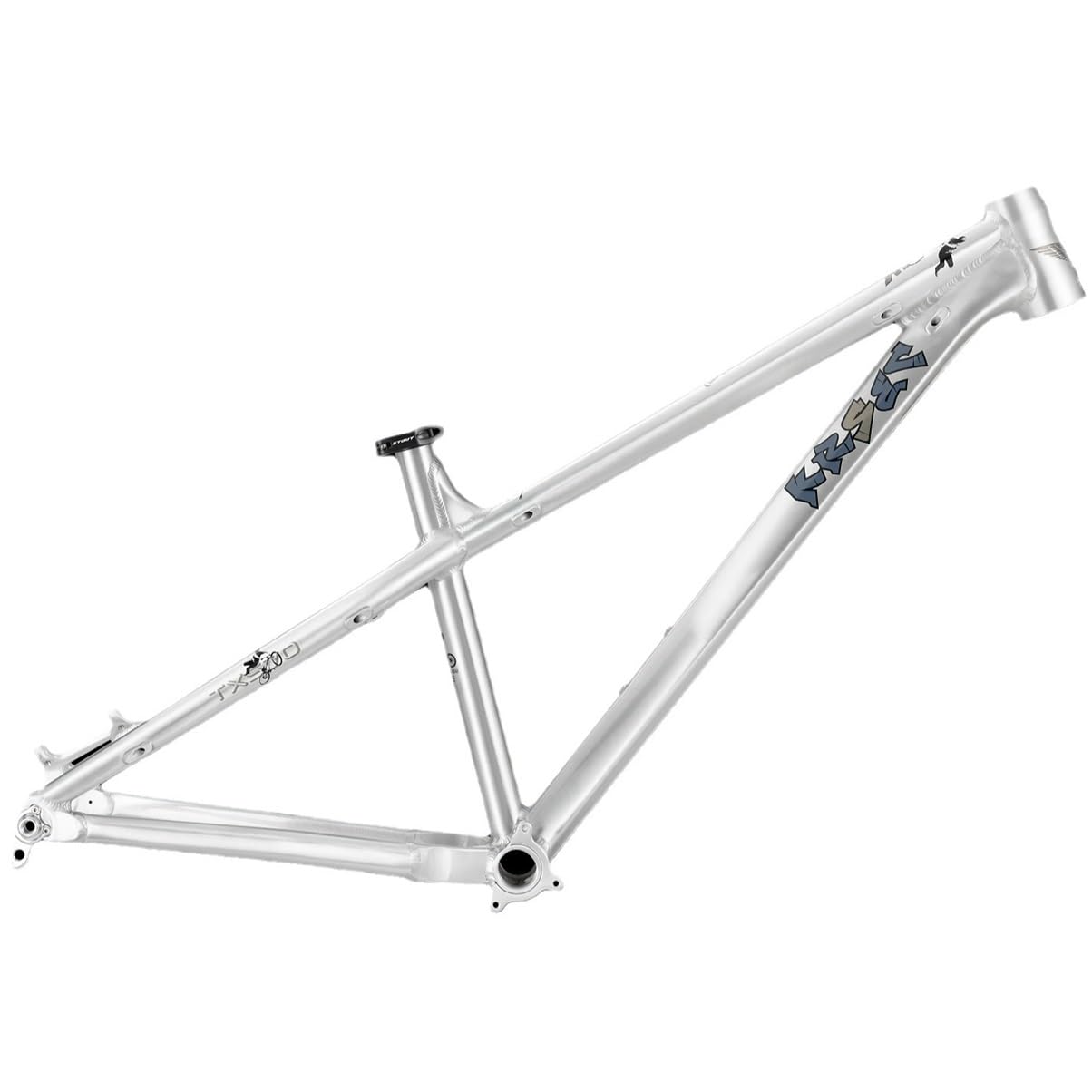


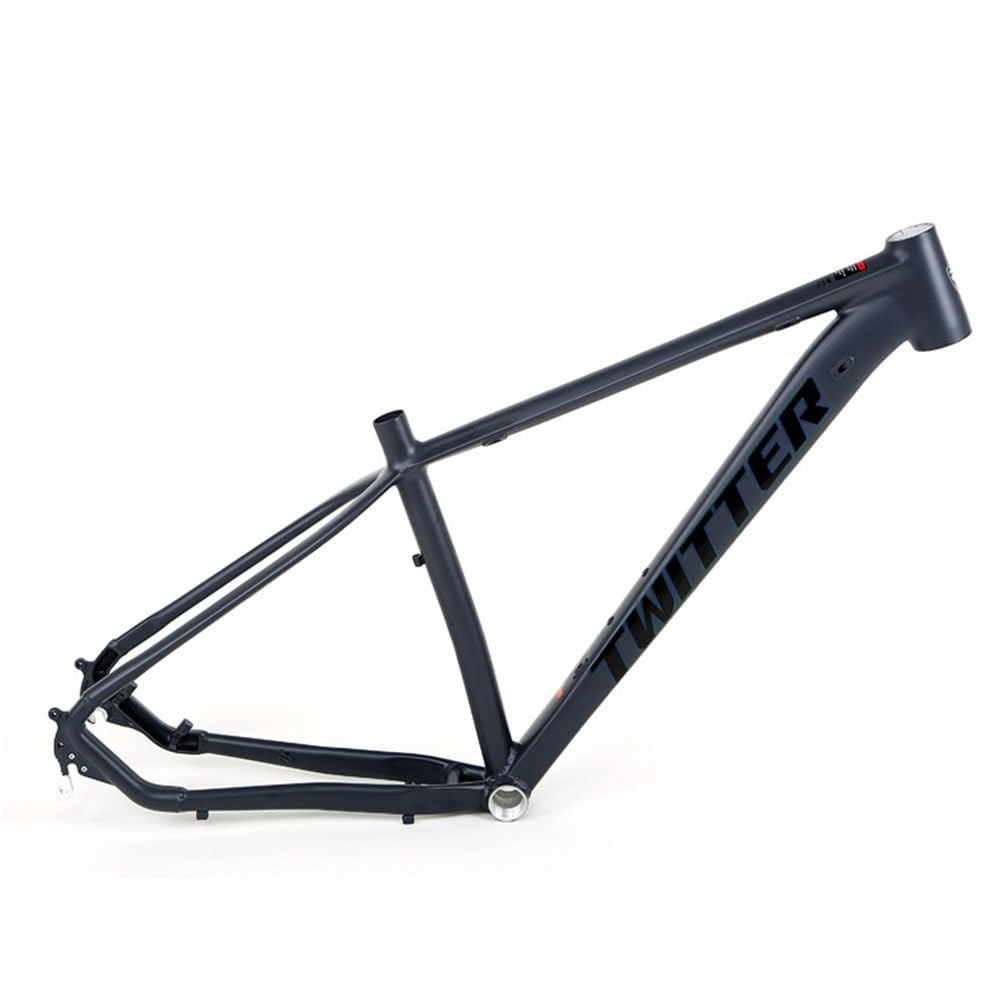
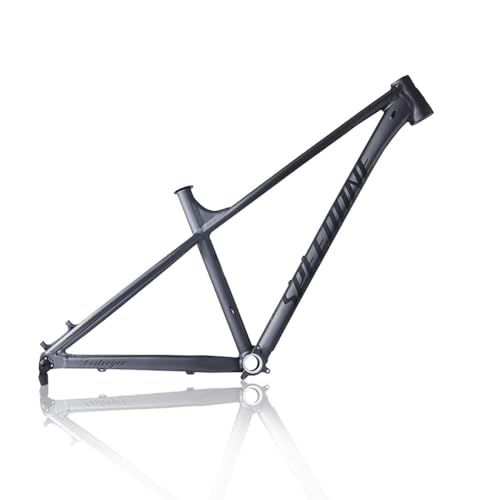
Choosing by Budget: Three Frame Tiers
Instead of chasing a single winner, think in tiers. Each tier below describes the rider it suits, what it does well and the compromise you accept. Compare the frames in the comparison table below against these profiles before you spend.
Budget Tier: For New Builders and Spare Parts Builds
A budget frame, usually around $150 to $400, suits a first build, a winter bike or a project that reuses parts you already own. Expect aluminum tubing, simple geometry and support for a single chainring drivetrain. The main limits are weight, fewer size options and older axle or headset standards on some models. Check the bottom bracket standard carefully, because an unusual standard can erase the savings when you buy tools and parts.
Midrange Tier: The Sweet Spot for Most Trail Riders
Frames around $400 to $1,200 fit most trail and cross country riders who ride every week. You typically get modern geometry with a slacker head angle, internal cable routing, boost axle spacing and a tapered head tube that accepts current forks. Full suspension designs at this level use proven linkage layouts with sealed bearings. For riders comparing the best mountain bike frames in this range, fit and geometry matter more than small weight differences.
Premium Tier: For Racers and Long Term Keepers
Premium frames, about $1,200 and up for hardtails and $2,000 and up for full suspension, suit riders who will keep the bike for many seasons. Carbon layups get more refined, bearings and hardware improve, and brands offer more sizes with dialed geometry per size. You also gain stronger warranty support in many cases. The trade off is cost per crash: a damaged carbon frame needs professional inspection, and replacement parts cost more.
What Your Money Gets You at Each Price Tier
Budget Tier: What to Expect
At the budget level you pay for a sound structure, not refinement. Aluminum frames dominate because the material is affordable, durable and easy to repair. Geometry often copies older designs, so steering feels quicker and descents feel less stable at speed. Mounts for a frame bag or extra bottles may be limited. If storage matters on long rides, read our guide to the best mountain bike frame bag to see what in frame space you need before choosing a small triangle design.
Midrange Tier: The Sweet Spot for Most Buyers
Midrange money buys current standards, and current standards protect your upgrade path. Boost hubs, thru axles and universal derailleur hangers make replacement parts easy to find. Riders who prefer metal can also step up here: our guide to the best steel frame mountain bike explains why steel still appeals for comfort and durability. Suspension frames in this tier balance pedaling support and small bump comfort well enough for all day trail rides.
Premium Tier: When Spending More Pays Off
Spending more pays off when it buys fit, not just lightness. Premium lines offer five or six sizes, sometimes with mixed wheel options, so shorter and taller riders stop compromising. If standard sizes have always felt too big, our guide to the best small frame mountain bike covers reach and standover targets for smaller riders. Premium carbon and high end aluminum also hold alignment tolerances tighter, which keeps suspension action smooth and shifting crisp.
Features Worth Paying For (and Ones to Skip)
Suspension (Hardtail vs Full Suspension) and Travel
A hardtail frame costs less, weighs less and needs almost no pivot maintenance, which makes it ideal for smooth trails and cross country racing. Our guide to the best mountain bike frame hardtail walks through when a rigid rear end is the smarter buy. Full suspension adds traction and control on rough descents. Match travel to terrain: about 100 to 120 mm for cross country, 130 to 150 mm for trail, and 160 mm or more for enduro.
Features That Matter for Mountain Bike Frames
Geometry decides handling more than material does. Look at reach, stack, head tube angle and chainstay length for your size, not just the size label. A head angle near 65 to 67 degrees feels stable on descents, while steeper angles steer faster on climbs. Insist on a threaded bottom bracket if you service your own bike, since press fit systems can creak. Tire clearance for at least 2.4 inch tires and room for a water bottle inside the front triangle are practical details you will notice every ride.
Motor, Battery, and Range (for E Bikes)
An e bike frame is built around its motor mount and battery space, so you cannot swap motor systems later. Mid drive motors sit at the bottom bracket and keep weight low and central, while hub motors place weight in the rear wheel. Battery capacity, listed in watt hours, sets range more than motor power does. Frames that let you remove the battery make charging and winter storage easier. Confirm the frame is rated for the motor torque you plan to use, because standard frames are not built for motor loads.
Drivetrain and Gearing
Most modern frames assume a single chainring drivetrain, often written as 1x, with a wide range cassette. That setup simplifies shifting and frees space for a dropper post lever. Check chainline and maximum chainring size before you buy parts, since some suspension designs limit ring size. A universal derailleur hanger is worth having because it is cheap to replace after a crash and easy to source. Cable routing ports should match the drivetrain and dropper post you plan to run.
Bike Type and Riding Style
Cross country frames favor low weight and efficient pedaling, trail frames balance climbing and descending, and enduro frames add strength and travel for steep terrain. Gravel and hybrid frames look similar at a glance but use different tire clearance and geometry, so they rarely convert well to trail duty. Older designs can still ride beautifully, and our guide to the best vintage mountain bike frames shows what to check on classic frames, including headset and axle standards that limit modern parts.
Long Term Costs to Factor In
The frame price is only the start. A full suspension frame needs pivot bearings every one to three years, plus shock service that many riders schedule yearly. Budget for a headset, seatpost clamp and protective film, and for carbon, a torque wrench so you never crush a tube by overtightening a bolt. Warranty length and crash replacement pricing differ a lot between brands, so read the fine print. A slightly pricier frame with cheap replacement parts often costs less to own than a bargain frame with rare hardware.
Bike Frames: Your Questions Answered
What features matter most in bike frames for mountain bike use?
Fit and geometry matter most, followed by wheel and axle standards. A frame with the right reach and head angle will feel better than a lighter frame that fits poorly. After that, check tire clearance, bottom bracket type and whether the frame accepts a dropper post with enough insertion depth for your legs.
Aluminum or carbon: which frame material is better?
Aluminum is cheaper, tough and easy to repair, so it suits most riders and first builds. Carbon is lighter and can be tuned for stiffness, but it costs more and needs professional inspection after a hard crash. Pick the material that fits your budget, then put the saved money into fit and parts.
How much should I spend on my first bike frame?
Spend enough to get current standards and a size that fits, which for most new riders means the budget to midrange span of about $300 to $800 for a frame. Going cheaper often means odd standards that block upgrades. Save part of your budget for a fork, wheels and a dropper post, because those parts shape the ride as much as the frame does.
What size bike do I need?
Start with the brand size chart, then compare reach to a bike you already like. Your inseam sets minimum standover, but reach and stack decide comfort on the trail. If you fall between sizes, shorter riders often size down for control, while riders who value stability at speed size up. A short test ride or a professional fit settles doubts better than any chart.
Hardtail or full suspension for beginners?
A hardtail is the better first frame for most beginners on smooth to moderate trails. It costs less, needs less service and teaches clean line choice. Choose full suspension if your local trails are rocky or rooty, or if joint comfort is a concern, because rear suspension reduces fatigue and improves rear wheel traction on climbs.
The Bottom Line
Set your tier first, then judge frames on fit, geometry and standards rather than weight alone. Midrange frames give most riders the best mix of modern design and sensible cost, while premium frames earn their price through fit options and long term support. When you are ready, compare the options in the product table above and pick the best bike frame for mountain bike riding that matches your terrain, your parts and your budget.


