
Best Carbon Plate Running Shoes 2026: Buying Guide
Disclosure: We may earn a commission when you buy through links on this page, at no extra cost to you. As an Amazon Associate I earn from qualifying purchases. Learn more

Compare carbon plate running shoes by plate shape, foam, drop and race use, then pick a pair that matches your pace, your distance and your training load.
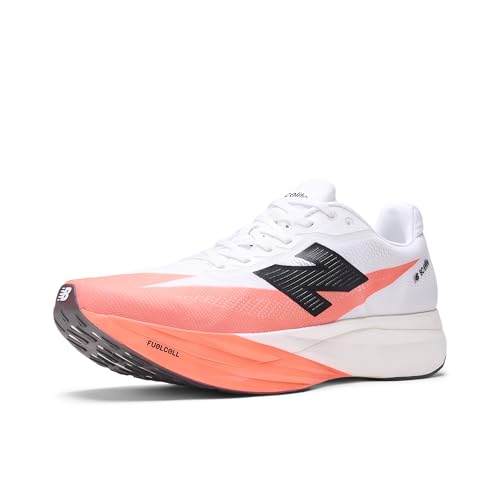
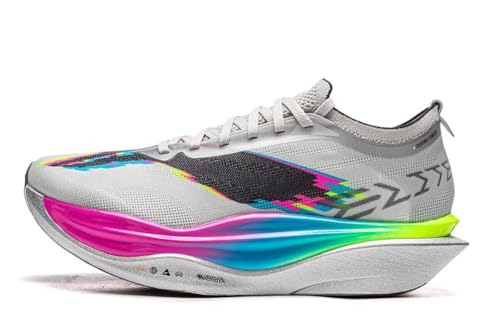
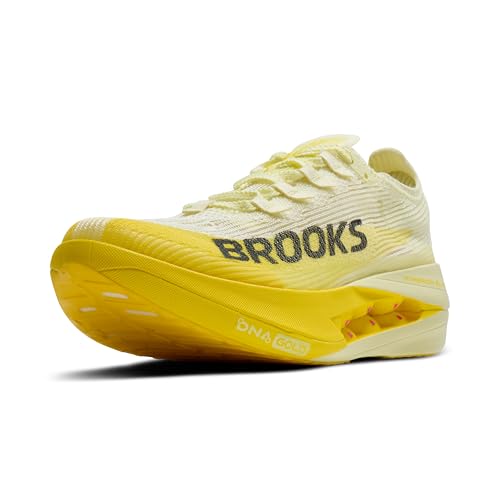
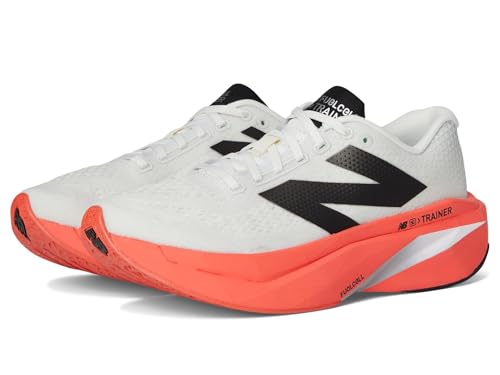
The best carbon plate running shoes use a stiff plate inside soft foam to help each stride feel springy and efficient, and that feeling has made them popular for races and fast training. The product table lists current pairs, and this guide explains the plate styles so you can compare them without marketing claims.
Before you choose, think about your usual pace, your longest run and whether you want a shoe for race day only or for regular speed work. A very stiff race shoe can feel harsh at easy pace, while a milder plate shoe may suit more of your weekly miles.
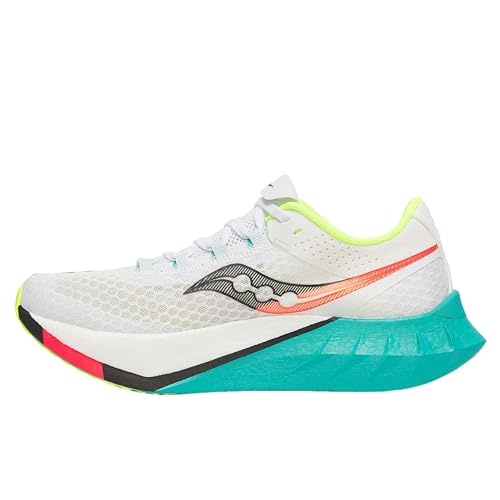

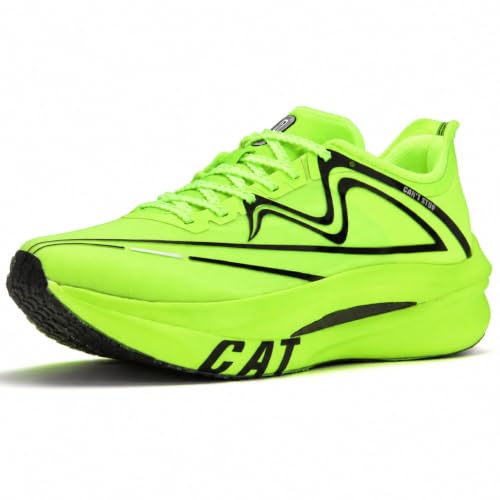
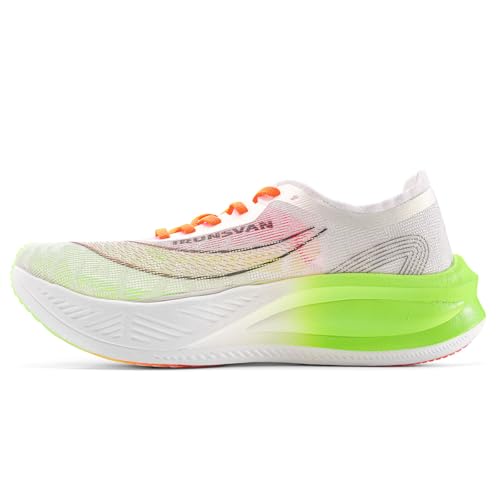
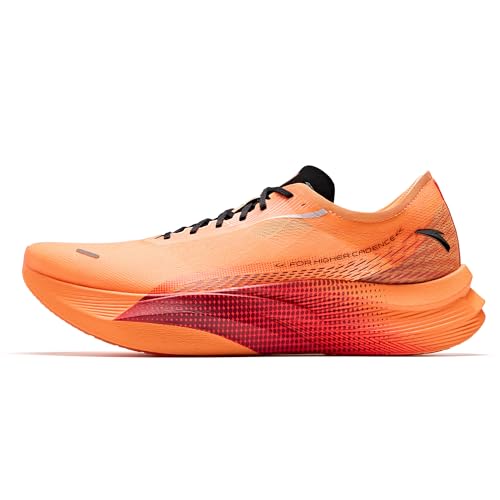


Who Should Buy This Style
Carbon plate shoes suit runners chasing a personal best, racing from 5k to marathon distance, or adding speed sessions to a steady training plan. They also suit runners who like a firm, propulsive feel and have already built up to regular running without pain.
They suit less well for slow recovery runs, trail running, walking or standing all day. The stiff plate and soft foam can wear faster than a daily trainer, and the high stack may feel unstable on uneven ground. Keep a regular trainer for easy miles.
Key Features to Compare
Plate Shape and Stiffness
A full length plate feels firmer and more propulsive, while a partial plate or a split plate feels more flexible and forgiving. Stiffer plates suit faster runners and race day, while softer setups suit a wider range of paces. Try both styles if you can, because the feel changes a lot with your weight and stride.
Foam and Stack Height
Soft, light foam gives the springy feel, but it can also feel unstable and wear down faster. A higher stack adds cushioning for long races, yet it raises your foot and can feel tippy on corners. Balance cushioning with stability, especially if you run on cambered roads.
Drop and Fit
Drop is the height difference between heel and forefoot, and it changes how the shoe loads your calf and Achilles. A lower drop may suit a midfoot stride, while a higher drop may feel easier if you heel strike. Fit matters more than drop: the shoe should hold your midfoot without squeezing your toes.
Durability and Use
Race foam and plates are built for speed, not for very high mileage, so many runners save these shoes for key sessions and races. Check the outsole coverage, because a shoe with little rubber may wear fast on rough roads. Rotate with a daily trainer to make the pair last longer.
Types Compared
Full Plate Race Shoes
Full plate race shoes give the firmest, most propulsive ride and suit race day and fast workouts. They often cost the most and feel best at faster paces, while easy pace running can feel awkward. Save them for sessions where speed matters.
Partial Plate Trainers
Partial plate trainers blend a plate with a more flexible forefoot, which makes them easier for tempo runs and longer training blocks. They cost less than top race shoes and usually last longer. They suit runners who want plate feel without a race only shoe.
Super Trainers for Daily Speed
Super trainers pair soft foam with a plate or a firm rod and aim for a versatile fast day shoe. They work for tempo runs, long runs with fast sections and some races. They are heavier than pure race shoes, but they cope better with higher mileage.
Budget and Value
Entry level plate shoes usually cost about $120 to $180 and offer a milder plate feel for runners trying the style. Mid range options at about $180 to $250 add lighter foam and a firmer plate for serious racing. Top race shoes above that range focus on the lightest build and the most responsive foam.
Do not judge value by price alone. A cheaper plate shoe that fits well and suits your pace will help more than an expensive race shoe that feels unstable. Count how many fast sessions you run each month, because a race only shoe needs fewer miles to justify its price.
Setup, Care and Everyday Use
Break plate shoes in with a short tempo run before race day, and check the fit after your feet warm up. Keep them for roads and tracks, avoid muddy trails, and let them dry at room temperature after wet runs. Replace them when the foam feels flat or the plate area creaks and flexes unevenly.
Rotate plate shoes with a stable daily trainer, especially for easy runs and recovery days. If you feel calf tightness, Achilles soreness or foot pain that lasts more than a day, ease back and ask a doctor or physio before you keep using a stiff shoe.
Related Guides Worth Reading
For nearby options, read our guides to the best running shoes, the best carbon fiber plate running shoes and the best carbon running shoes, and compare each with the styles described above.
Common Mistakes to Avoid
One common mistake is racing in a brand new plate shoe without a trial run, which can leave calves sore and pacing uncertain on race day. Another mistake is using a stiff race shoe for every run, because easy miles in a stiff shoe can overload tissues that need gentle recovery. Save plate shoes for speed work and races, and keep a daily trainer for easy days.
Do not choose a plate shoe by weight alone, because a lighter shoe that feels unstable can cost you more time than it saves. Test the shoe at your race pace, on a surface like your race course, and check how it feels on corners and downhills. Stability at speed matters more than a few grams.
Long Term Value
Long term value depends on how many fast miles you run and how well you rotate shoes. A race pair used only for key sessions lasts far longer in calendar terms than the same pair used daily. Track your miles in the pair, and replace it when the foam feels flat or the ride becomes uneven.
Consider a partial plate trainer if you run speed work weekly but race rarely, because it offers plate feel with better durability and a lower price. A race only shoe makes sense when you chase a time goal and train specifically for it, not when you simply like the look.
Frequently Asked Questions
Are carbon plate shoes good for beginners?
Carbon plate shoes can work for a beginner who already runs regularly, but they are not the best first shoe for most new runners. A stable daily trainer builds strength and form with less risk of calf or foot soreness. Try a plate shoe later, once you run several times a week without pain.
How long do carbon plate shoes last?
Most carbon plate shoes last fewer miles than a daily trainer, because the soft foam compresses and the outsole wears faster. Many runners get about 200 to 300 miles of fast use from a race pair, while a super trainer may last longer. Replace the pair when the ride feels flat or uneven.
Can I use carbon plate shoes every day?
You can, but most runners do better by saving plate shoes for speed work and races. Daily use wears the foam faster and may overload your calves if you run easy miles in a stiff shoe. A daily trainer for easy runs keeps your legs fresher and your race pair in better shape.
Do carbon plate shoes help slower runners?
Slower runners can still enjoy the springy feel, but the benefit is often smaller at easy pace and the shoe may feel less stable. A partial plate or super trainer usually suits a slower pace better than a very stiff race shoe. Fit, comfort and injury free miles matter more than plate speed.
Should I size up in carbon plate shoes?
Sizing varies by brand and model, so use your usual running size as a starting point and check the toe room after a short run. Your toes should have room to spread without sliding forward on downhills. If the shoe squeezes your forefoot, try a wide version before you change length.
Can carbon plate shoes cause injury?
Any shoe change can cause soreness if you switch too fast, and stiff plate shoes can load calves and feet differently from a daily trainer. Build up gradually, start with short tempo runs, and ease back if pain lasts more than a day. Ask a doctor or physio about persistent pain, because shoe advice here is general and cannot replace professional assessment.
Final Thoughts
Pick the plate style that matches your pace and your race distance, then check fit and stability before you worry about weight. A shoe that feels stable at your fastest pace will serve you better than a lighter shoe that feels tippy.
The product table lists current pairs, and the best carbon plate running shoes for you are the ones that feel fast without forcing your stride or leaving your calves sore.
Pick a plate style that suits your pace, test it at speed, and build up gradually. A shoe that feels fast and stable on your key sessions will help you race with confidence.


