
Best Alloy Frame Mountain Bike for Every Need: How to Pick the Right One for 2026
Disclosure: We may earn a commission when you buy through links on this page, at no extra cost to you. As an Amazon Associate I earn from qualifying purchases. Learn more

Match the best alloy frame mountain bike to your rides with advice on fit, wheels, suspension, and care for every kind of rider.
No single alloy frame bike suits every rider, because trails, budgets, and riding styles pull the design in different directions. A light cross country frame feels quick on climbs but nervous on rocky descents, while a slack trail frame does the reverse. This guide to the best alloy frame mountain bike starts with your use, not with a parts list.
Alloy, meaning aluminum, remains the value sweet spot for most riders because it balances weight, strength, and price well. Use the comparison table below for current options, then work through the rider groups and features here to find your match.
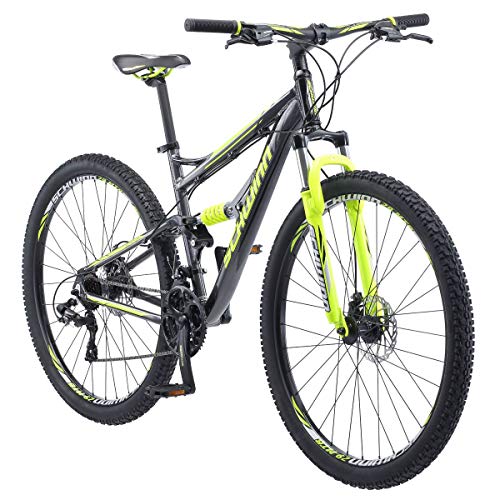

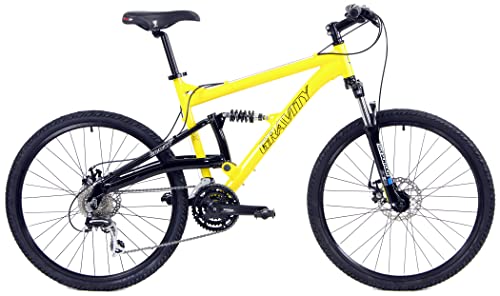


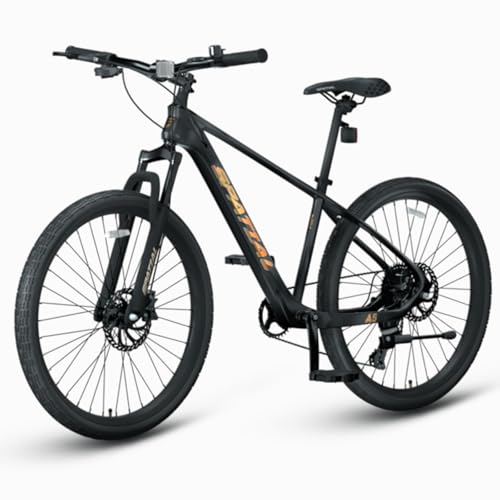

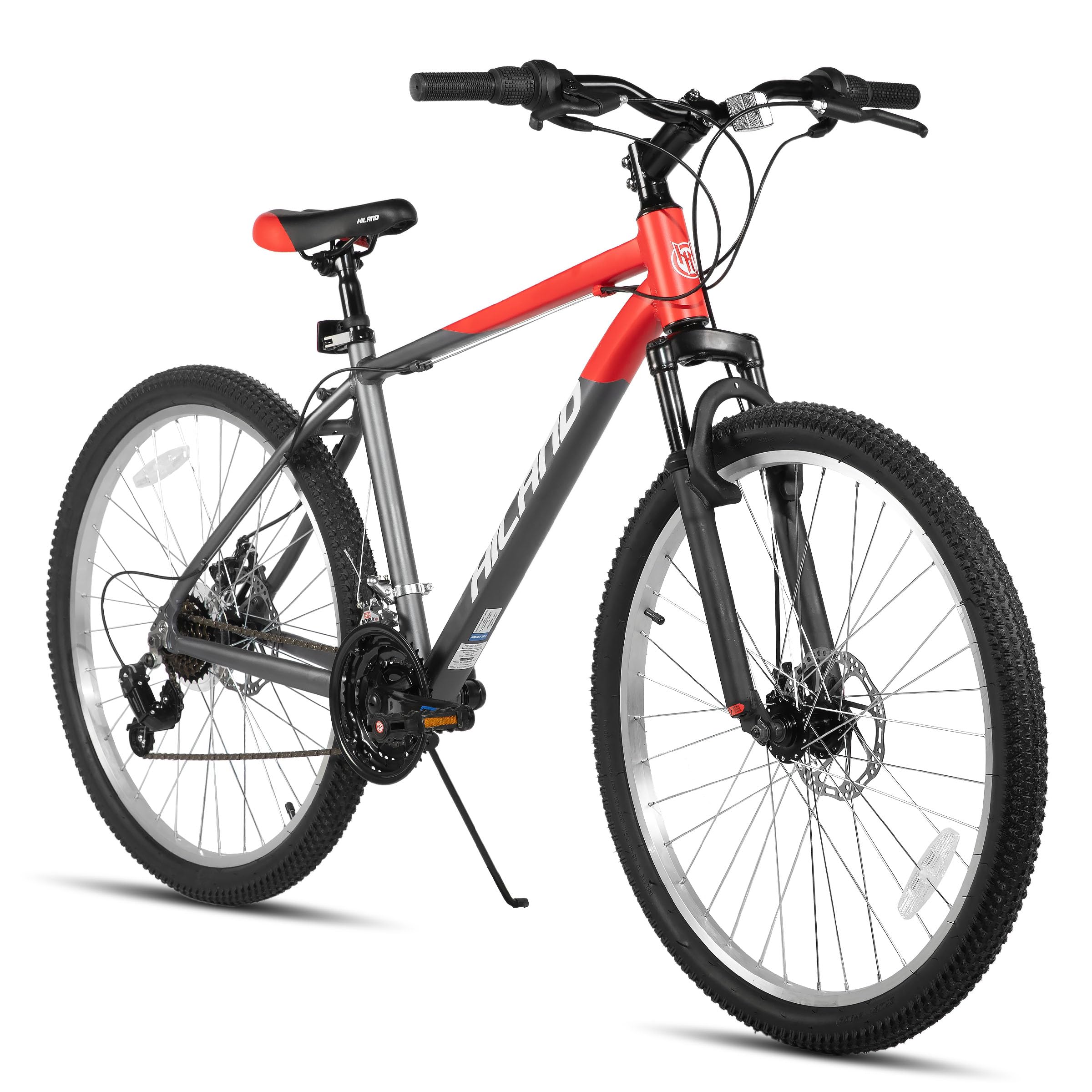

Who Should Buy Which Alloy Frame Mountain Bikes?
Start by naming your hardest regular ride, not your dream ride. A frame and parts package that handles your weekly trails with margin will serve you better than a race focused setup you rarely use to its potential.
For Bad Weather and Tough Conditions
Riders who ride through wet winters and gritty trails should value sealed bearings, strong brake performance, and a frame finish that shrugs off mud and road salt. Alloy handles this abuse well and does not rust, though you should still wash grit from the drivetrain after wet rides. Choose tires with open tread that clears mud, and budget for more frequent chain and brake pad replacement. A simpler drivetrain with fewer small parts often proves easier to keep shifting cleanly in poor conditions.
For Small Spaces and Easy Storage
Apartment riders need a bike that stores flat against a wall and carries up stairs without a struggle. Alloy frames help here because complete alloy bikes often weigh less than budget steel builds at the same price. Look for a standard frame shape that works with wall hooks and indoor racks, and avoid very long wheelbase designs that are awkward in halls and lifts. Quick release or thru axle wheels that remove fast also make storage and car transport simpler.
For Weekend Beginners
New riders need stable handling, a forgiving fit, and parts that a local shop can service cheaply. A trail hardtail with moderate travel, a single chainring drivetrain, and hydraulic disc brakes covers most first year needs. Spend on fit and brakes before paying for lighter parts, since control builds confidence faster than small weight savings. If you are comparing frame options broadly, our guide to the best frame for mountain bike explains how frame shape changes handling.
For Frequent or Serious Users
Riders who ride several times a week should look at frame details that affect years of use, such as replaceable derailleur hangers, internal cable routing that stays quiet, and standards that keep future parts available. A tapered head tube and thru axles add stiffness where hard riding loads the frame most. Warranty terms and local dealer support matter more at this level, because a small crack or a worn linkage bearing should not end the season. Prioritize durability over the lightest possible frame weight.
Key Features to Compare
These features decide how an alloy frame bike rides long after the first test loop. Read them with your rider group in mind, and note where a feature helps your trails and where it only adds cost or weight.
Weight and Components Upgrade Path
Complete bike weight matters on climbs and when you lift the bike onto a rack, but where the weight sits matters too. Heavy wheels feel far worse than the same weight in the frame, because wheels must spin up to speed on every acceleration. A smart buying move is to choose a solid frame and fork, then upgrade wheels and tires later. Check that the frame uses current axle and brake standards so those later upgrades fit without adapters or compromises.
Wheel Size and Tires
Wheels of 29 inch diameter roll over roots and rocks with less effort and hold speed well, which suits taller riders and cross country or trail use. Wheels of 27.5 inch diameter turn quicker and leave more room for shorter riders and playful riding styles. Tire width and tread matter as much as diameter, and a tubeless setup lets you run lower pressure for grip without pinch flats. Ask whether the rims and tires are tubeless ready if you plan that upgrade, since it is one of the best value changes you can make.
Suspension With Hardtail vs Full Suspension and Travel
A hardtail suspends only the front wheel, which keeps it lighter, simpler, and cheaper to maintain, and it climbs smoothly on even ground. Full suspension adds a rear shock that improves traction and comfort on rough descents, at the cost of weight and service needs. Travel from about 100 to 120 mm suits cross country use, 120 to 150 mm suits general trail riding, and longer travel suits steep enduro terrain. For a deeper look at front only designs, see our guide to the best mountain bike frame hardtail options and trade offs.
Sizing and Fit
Frame size should follow your height and inseam, but reach and standover height decide real comfort. As a rough guide, riders near 5 ft 6 in often fit a small or medium, while riders near 6 ft often fit a large, with wide overlap between brands. You should be able to stand over the frame with clearance and reach the bars without a fully straight back or locked elbows. If you fall between sizes, the smaller frame usually feels more agile and the larger frame feels more stable at speed.
Practical tip: test pedaling with the saddle at full height and check that your knee keeps a slight bend at the bottom of the stroke. A saddle set far above or below that point hides fit problems and can cause knee pain on longer rides. Adjust fit before judging how a frame handles.
Bike Type and Riding Style
Cross country bikes favor light weight and efficient pedaling for long climbs and smooth trails. Trail bikes balance climbing and descending and suit the widest range of riders. Enduro bikes trade climbing ease for control on steep and rough ground. Be honest about your mix, because an enduro bike on flat trails feels slow, while a cross country bike on steep trails feels fragile. Riders who split time with road or gravel riding should also weigh tire choice, since one bike rarely does both jobs perfectly.
Common Mistakes to Avoid When Buying Alloy Frame Mountain Bikes
- Judging by price alone and ignoring fit, brakes, and fork quality, which shape every ride.
- Skipping the weight and components upgrade path, then finding later parts do not fit the frame standards.
- Buying a size too large for growth or too small for a bargain, both of which ruin handling.
- Choosing travel and tire tread for terrain you ride once a year instead of your weekly trails.
- Ignoring warranty terms and local service, which matter when linkage or frame issues appear.
Most of these mistakes come from shopping by a single number, such as weight, travel, or discount. A balanced check of fit, standards, and service avoids nearly all of them.
Care and Maintenance Tips
Check tire pressure before every ride, since low pressure dulls handling and raises the risk of rim damage on rocks. Clean and lube the chain every 100 to 200 miles, and sooner after wet or dusty rides, to protect the drivetrain. Wipe the fork stanchions after rides so grit does not wear the seals.
Have a professional tune up yearly, or twice a year if you ride weekly, covering brake pads, cable or hose condition, and bearing play. If you carry spares or tools on the frame, our guide to the best mountain bike frame bag covers sizes that fit without rubbing the frame. A small bag for a tube, levers, and a pump turns a flat tire from a walk home into a short stop.
FAQs
Is an aluminum frame stronger than steel?
Strength depends on tube design and wall thickness more than on the material name. Aluminum frames are usually lighter and do not rust, while steel can feel smoother and is easier to repair. For most trail riders an alloy frame lasts for years if it is sized well and checked after hard crashes.
How much should I spend on my first alloy frame mountain bike?
Spend enough to get hydraulic disc brakes, a clutch derailleur, and an air or quality coil fork, which often means around $800 to $1,500 for a hardtail. Below that range, heavy forks and weak brakes limit learning and safety on real trails. Above it, gains shift toward lighter parts and refinement. Keep part of your budget for a helmet, a pump, and basic tools, since those items complete the purchase.
What size alloy frame mountain bike do I need?
Start with the size chart for your height, then confirm with reach and standover on the actual frame. Your saddle should allow a slight knee bend at the bottom of the pedal stroke, and the bars should feel reachable without strain. Between sizes, choose smaller for agility and larger for stability. A short test ride on mixed ground tells you more than any chart, so use shop demos when you can.
Do alloy frame mountain bikes need special care?
They need the same care as any bike: keep the chain lubed, tires inflated, and bolts snug. After a crash, look over the frame near the welds and the head tube for cracks or dents, and have a shop inspect anything doubtful before riding again.
Hardtail or full suspension for beginners on an alloy frame?
A hardtail is the better first choice for most beginners because it costs less, weighs less, and teaches clean line choice. The money saved can go toward better brakes, tires, and fit. Full suspension helps once your trails are rough enough that rear traction and comfort limit your speed or enjoyment. Many riders start on a hardtail, learn their terrain, and then choose a full suspension design with a clear purpose.
Riders weighing frame materials often compare alloy with other options before deciding. Our guide to the best alloy mountain bike models covers complete bikes, while our guide to the best steel frame mountain bike designs explains where steel still makes sense. Alloy usually wins on weight and price, while steel appeals for its smooth feel and simple repair story.
Final Thoughts
Choose the frame size and riding style first, then judge suspension, wheels, and upgrade standards against your weekly trails. Beginners gain most from a well fitted hardtail, while frequent riders gain most from durable standards and service support. Return to the product table above and pick your best alloy frame mountain bike with fit and terrain in clear view.


