
Best Catchers Gear Sets for Every Need: How to Pick the Right One for 2026
Disclosure: We may earn a commission when you buy through links on this page, at no extra cost to you. As an Amazon Associate I earn from qualifying purchases. Learn more

Match the best catchers gear sets to how you play: fit, protection and durability for youth and adult catchers.
No single set is right for every catcher, because a youth player in a first season, a high school starter playing four games a week, and an adult in a weekend league need different protection, fit, and durability. The best catchers gear sets for you are the ones sized correctly for your body, rated for your level of play, and comfortable enough that you never think about them during a pitch.
Safety comes first in this position, so this guide leads with fit and protection, then value. Use the comparison table below to check sizes and included pieces, then work through the sections for your level.


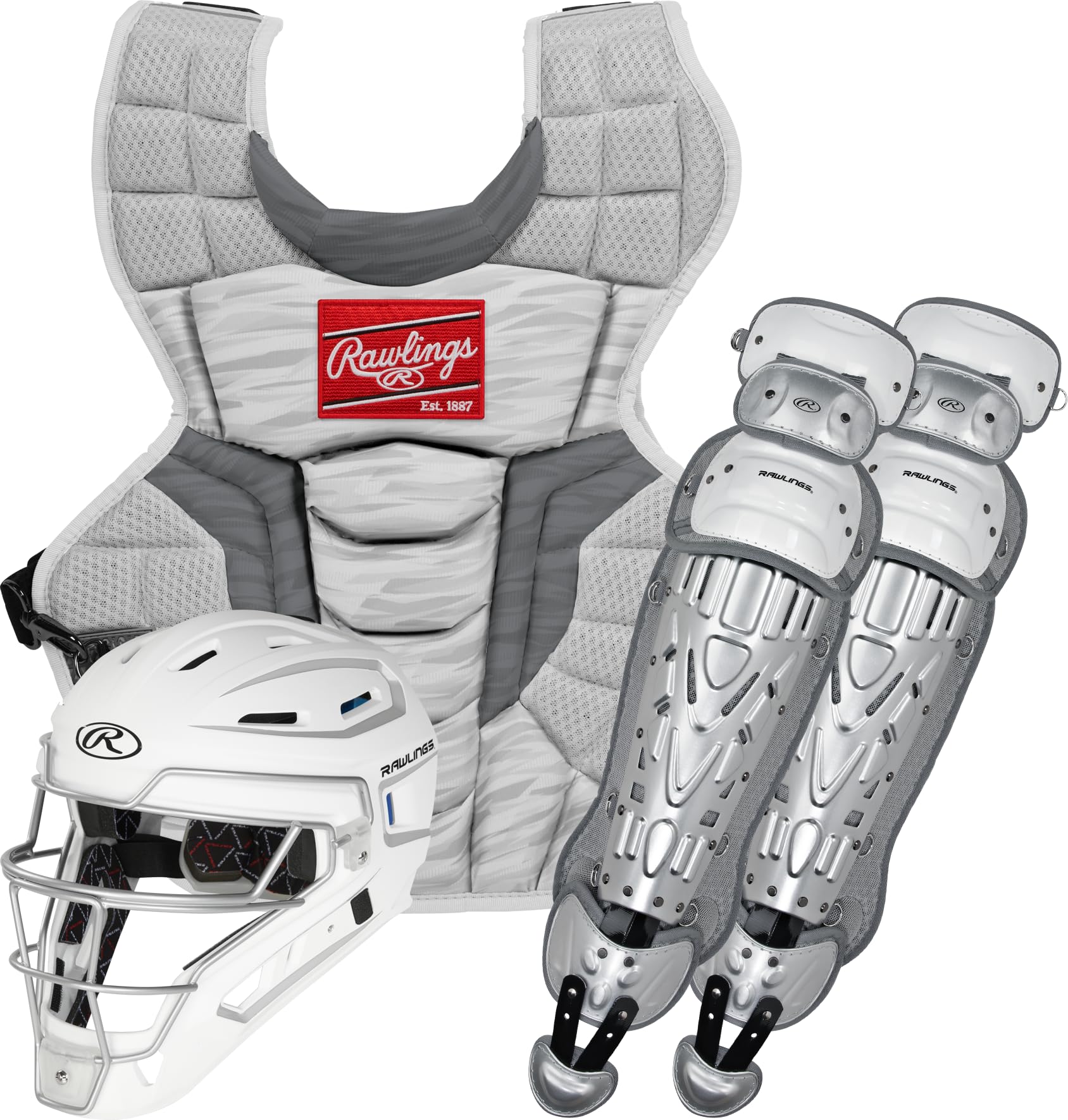

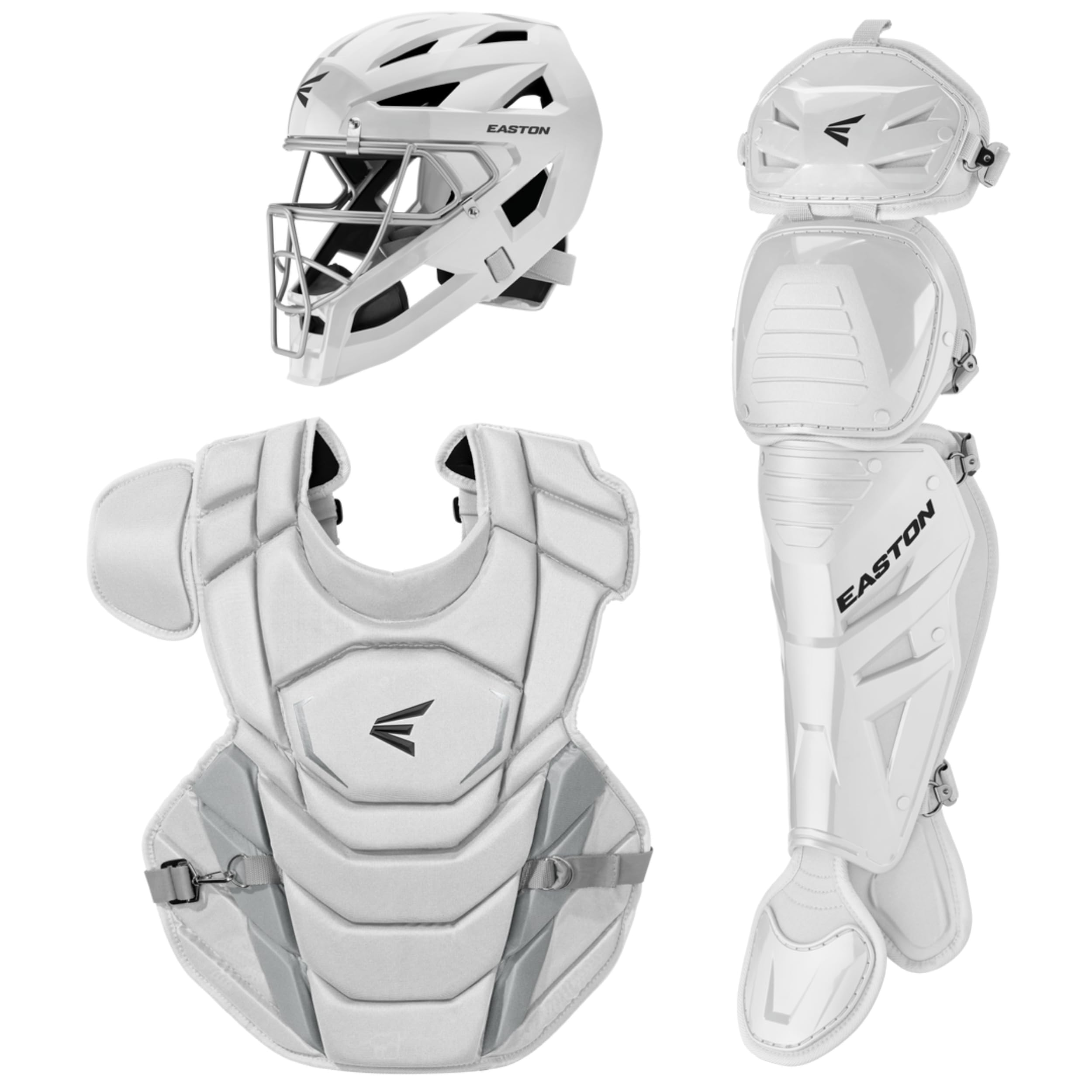


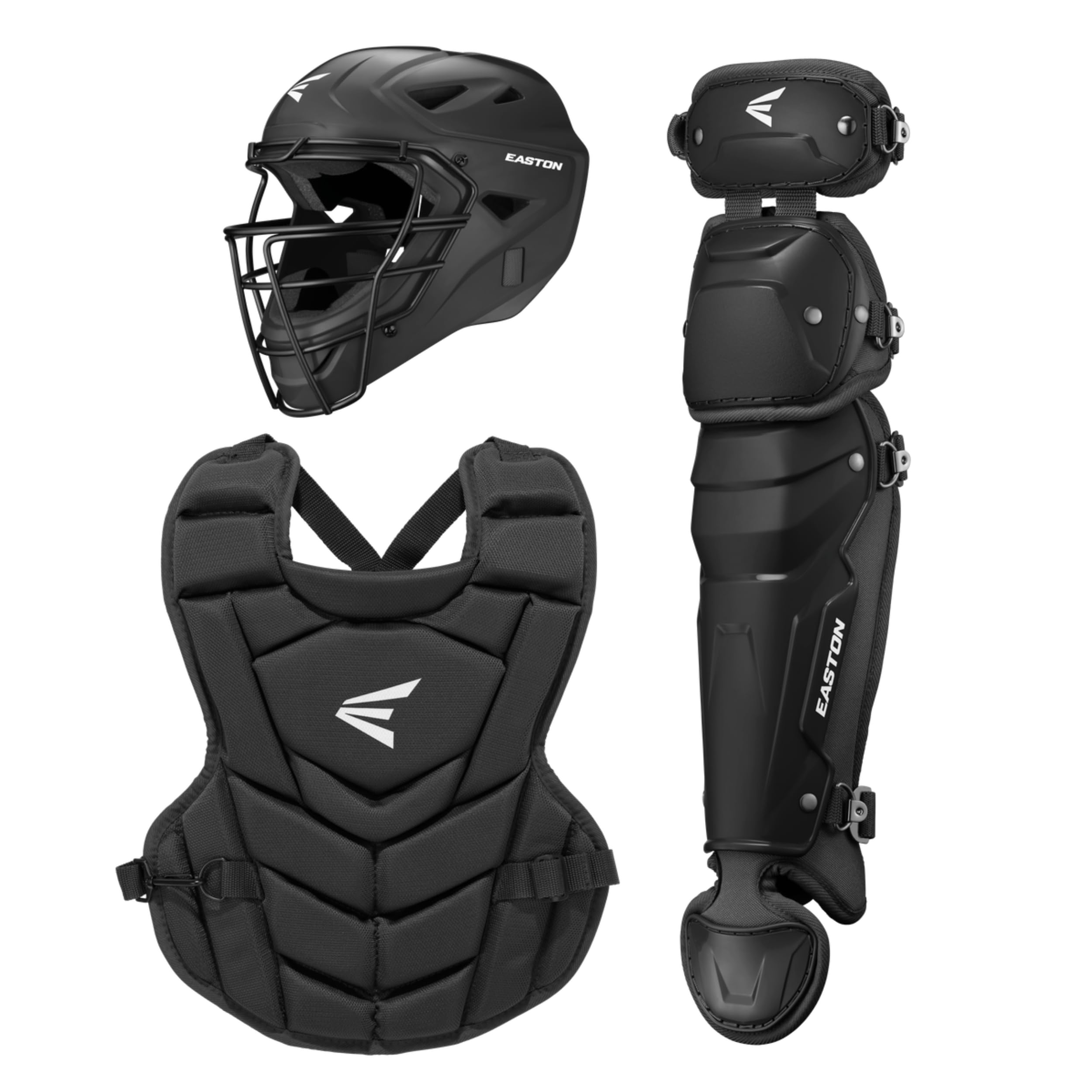
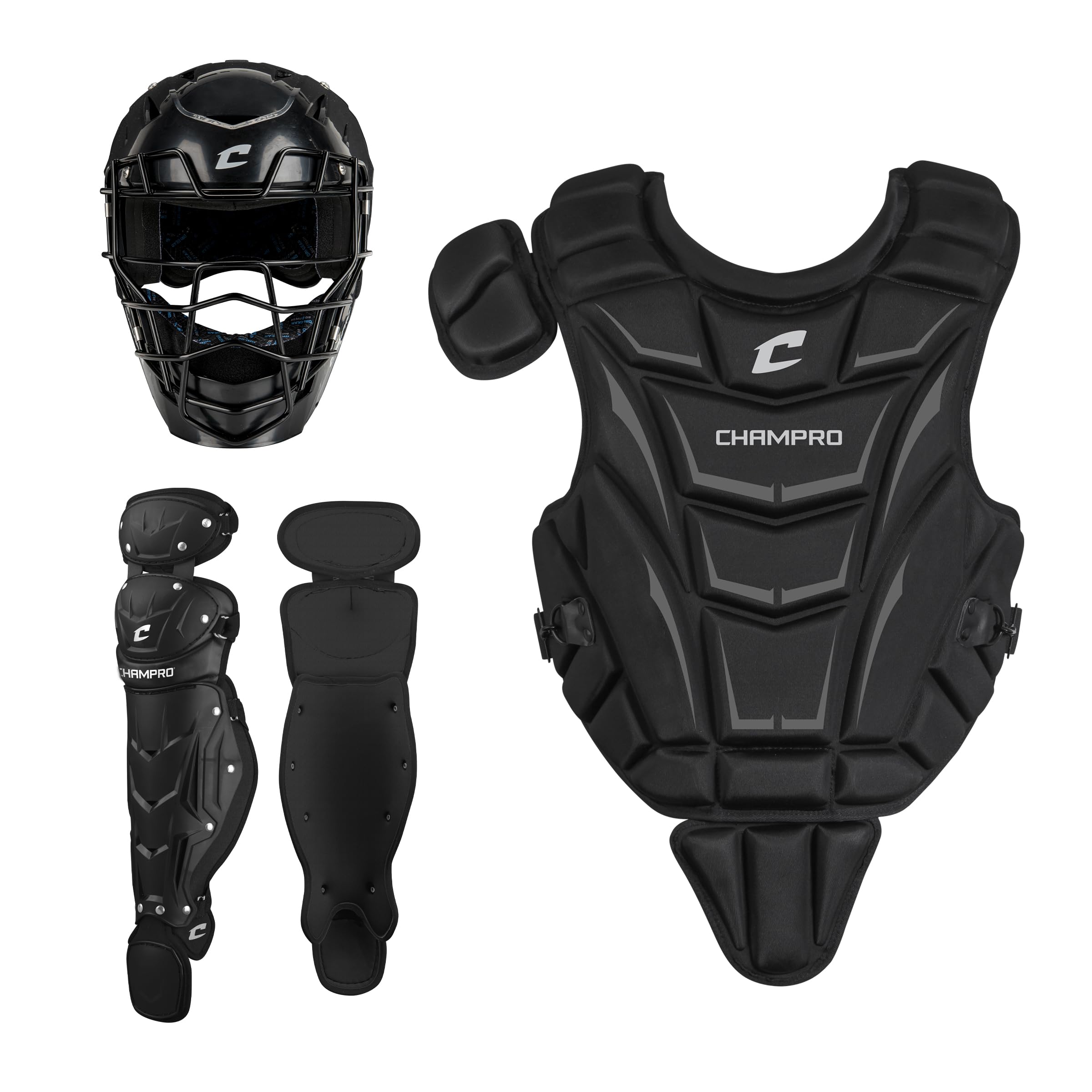
Who Should Buy Which Catchers Gear Sets?
A complete set normally includes a helmet or mask, a chest protector, and leg guards, and some sets add a throat guard or a gear bag. Your level of play decides how much protection and durability you need inside each of those pieces.
For Gift Shoppers
A set makes a satisfying gift, but sizing is the risk, so shop with the player measurements in hand: head size, chest length, and shin length. Choose a set with adjustable straps and a clear size chart, and keep the receipt, because an exchange for size is common and expected. A mid range set from a known maker, often around $150 to $300 for youth sizes, balances safety and cost for a growing player. Avoid the cheapest no name sets for a gift, since protection ratings and strap quality are hard to verify from a listing photo.
For People Who Want the Best Performance
Serious catchers gain real value from premium sets through lighter helmets, better ventilation, chest protectors that absorb and deaden impact, and leg guards that stay in place during blocks and throws. Expect around $350 to $600 for adult premium sets. The gains show up late in a doubleheader, when a lighter helmet means a fresher neck and clear focus. Fit still beats features, so a premium set in the wrong size protects worse than a mid range set that sits exactly where it should on your body.
For First Time Buyers
First time buyers should choose simple, complete, and easy to adjust. A matched set removes the guesswork of mixing brands with different strap systems and size scales. Look for clear labeling of age and size range, padding that can be removed for washing, and a helmet style your league allows. Spend your energy on correct sizing and a preseason fit check at home, with the player in full squat, rather than on advanced features. A good first set can later become a backup or practice set when the player grows or moves up a level.
Choosing Catchers Gear Sets for Your Situation
Most sizing mistakes happen when buyers shop by age alone. The short section below covers the adult case in detail, and the same measurement habit protects youth buyers too.
Best Adult Catchers Gear Sets: What to Prioritize
When you shop for adult catchers gear sets, prioritize three adult specific points. First, impact rating matters more, because adult pitchers throw harder, so confirm the helmet and chest protector meet the safety standards your league requires. Second, size ranges run larger and longer, especially chest protector length and leg guard length, so measure rather than assuming a large label fits. Third, durability under weekly use matters, with stronger buckles and reinforced knees. Adults also tend to prefer a traditional mask or a hockey style helmet based on vision and comfort, so try both if you can.
Key Features to Compare
Compare sets piece by piece, not just by the bundle price. A strong helmet with a weak chest protector is not a balanced set, and the sections below show what good looks like in each part.
Intended Use and Who It Is For
Match the set to the highest level of play it will face this season, including tournaments and showcase games, not just regular league nights. Baseball and fastpitch softball sets can differ in chest protector shape and fit, so confirm the sport on the label. A practice only set for bullpen work can be lighter, while a game set needs full rated protection. Also consider how often the player catches: a backup catcher needs safe and correct gear, but a starter catching 100 pitches a game needs the ventilation and padding quality of a higher tier.
Price vs Value
Budget sets often run under $150 for youth sizes and suit a first season or a growing player who will size out within a year. Mid range sets, around $150 to $350, add better foam, stronger straps, and helmets with improved ventilation, and they suit most school and travel players. Premium sets, around $350 to $600 for adult sizes, buy lighter materials and longer durability across several seasons. Value is cost per season of safe use, so a set that fits for three seasons beats a cheap set replaced every year, as long as growth does not intervene.
Size, Weight, and Fit for Your Body
Measure three things: head circumference for the helmet, torso length from the neck base to the waist for the chest protector, and shin length from mid knee to ankle for the leg guards. The chest protector should cover the collarbone and ribs without riding up in a squat or blocking your throwing arm. Leg guards should protect the top of the foot area without digging into the ankle. Try the full set in a squat, a block position, and a throwing motion. Any piece that shifts, pinches, or blocks vision in the store will be worse by the seventh inning.
Key Performance Specs
The specs that matter are helmet safety certification for your league, chest protector impact standard compliance, and strap and buckle quality across all pieces. Many leagues require gear that meets NOCSAE standards, so verify the exact requirement in your league rulebook before you buy, because a non compliant chest protector can be barred from games. Ventilation ports, moisture wicking liners, and low rebound chest foam are performance features with real value. Weight is a true spec for catchers: a lighter full set, even by a pound, reduces fatigue across a long tournament day.
Warranty and Customer Support
Check the warranty length and what it covers, especially helmet shells and chest protector stitching, which take the most stress. Good makers sell replacement straps, buckles, and pads, which extends set life for a small cost instead of a full replacement. Buy from a seller with a clear return window that allows a home fit check with tags on. Register the product if the maker offers it, and keep your proof of purchase with your gear bag paperwork, so a mid season claim does not stall on missing details.
Common Mistakes to Avoid When Buying Catchers Gear Sets
- Sizing by age alone, without measuring head, torso, and shin, which leaves gaps in protection or gear that shifts during play.
- Buying a set a player will grow into, because oversized gear moves on impact and a helmet that sits loose is a safety risk now.
- Ignoring league rules on helmet style and chest protector standards, then discovering the set is not legal for games.
- Choosing the lowest price for a starter who catches every game, where padding quality and strap strength decide comfort and safety.
- Skipping a full motion fit check, so problems with squat, block, and throwing positions only appear during the first game.
Parents comparing sizes for younger players should also read our guide to the best youth catchers gear sets, which focuses on growth, age ranges, and school league rules.
Care and Maintenance Tips
Read the care label before first use, and air the full set out after every game, ideally in shade with moving air, because trapped sweat breaks down foam and breeds odor fast. Wipe helmet shells and leg guard plastics with mild soap and water, and let removable pads dry fully before you close the gear bag. Inspect straps, buckles, and stitching every few weeks, and check the helmet for cracks after any hard foul tip. Store the set in a dry place out of a hot car trunk, since heat ages foam and weakens plastic over a single summer. Handy tip: a light sprinkle of baking soda in the bag between games controls odor without harsh sprays on padding.
FAQs About Catchers Gear Sets
How do I maintain a catchers gear set?
Maintain it with air, inspection, and prompt small repairs. Hang each piece to dry after play, wash removable pads as the label allows, and tighten or replace loose straps before they fail in a game. One point owners miss is the helmet interior: wipe the pads and check the chin strap and snaps weekly, because sweat corrodes small metal parts quietly. A set that is inspected monthly rarely fails without warning signs you could have caught at home.
How long does a catchers gear set last?
A well kept set usually lasts two to four seasons for a regular player, with leg guard straps and chest foam wearing first. Youth players often outgrow a set before they wear it out. Replace the helmet at once after a crack or a severe impact, even if the set is new, and follow maker guidance on helmet life. Sun and heat storage can halve the life of foam, so where the bag lives between games matters as much as how often you play.
What features matter most when buying catchers gear sets?
Correct fit, league compliant protection, and strap quality matter most, in that order. After those, ventilation and weight shape comfort across long games. A helpful store test is to time how long a full fitting takes: a set with logical, reachable adjustments gets worn correctly every game, while a fussy set gets worn loosely. For a broader view of set quality across sports, our guide to the best gear sets covers the shared signs of durable stitching and hardware.
How much should I spend on a catchers gear set?
Spend around $100 to $150 for a young beginner in a first season, around $150 to $350 for a committed school or travel player, and around $350 to $600 for an adult starter or premium needs. Let level of play and number of games per week set the tier, not the look of the set. Reserve part of the budget for likely extras, such as a throat guard if your league requires one, a gear bag, and replacement straps in the second season.
Are expensive catchers gear sets worth it?
Expensive sets are worth it for starters who catch many innings each week, because lighter helmets, better chest foam, and stronger hardware reduce fatigue and last longer. They are harder to justify for a backup catcher or a fast growing youth player. One extra test helps: if the player has finished games with neck soreness or a chest protector that left them bruised after blocked balls, a higher tier is a safety and comfort upgrade, not a luxury, and it should move up your priority list.
Our Verdict
Measure first, confirm your league protection standards, and choose the tier that matches games per week. Those three steps matter more than color, brand fame, or bundle extras. Stop using any piece with a crack, torn strap, or compressed foam, and ask a coach or equipment manager to check fit if you are unsure, because a second set of eyes catches gaps a mirror misses. When you are ready, compare the best catchers gear sets in the product table above and choose the set that fits the player who will wear it this season.


