
Best Affordable Mountain Bike Wheels for Every Need: How to Pick the Right One for 2026
Disclosure: We may earn a commission when you buy through links on this page, at no extra cost to you. As an Amazon Associate I earn from qualifying purchases. Learn more

Match the best affordable mountain bike wheels to your trails with this buying guide on sizing, rim width, hubs, tubeless setup, and lasting care.
Wheels change how a bike feels more than almost any other upgrade. They decide how fast the bike spins up, how much grip your tires can use, and how often you stop to fix a wobble. The best affordable mountain bike wheels for you depend on your wheel size, your axle standards, and the trails you ride most.
There is no single set that suits everyone, so this guide sorts wheels by rider type first and then covers the specs that matter. You will find the comparison table below for a quick look at current styles and prices.
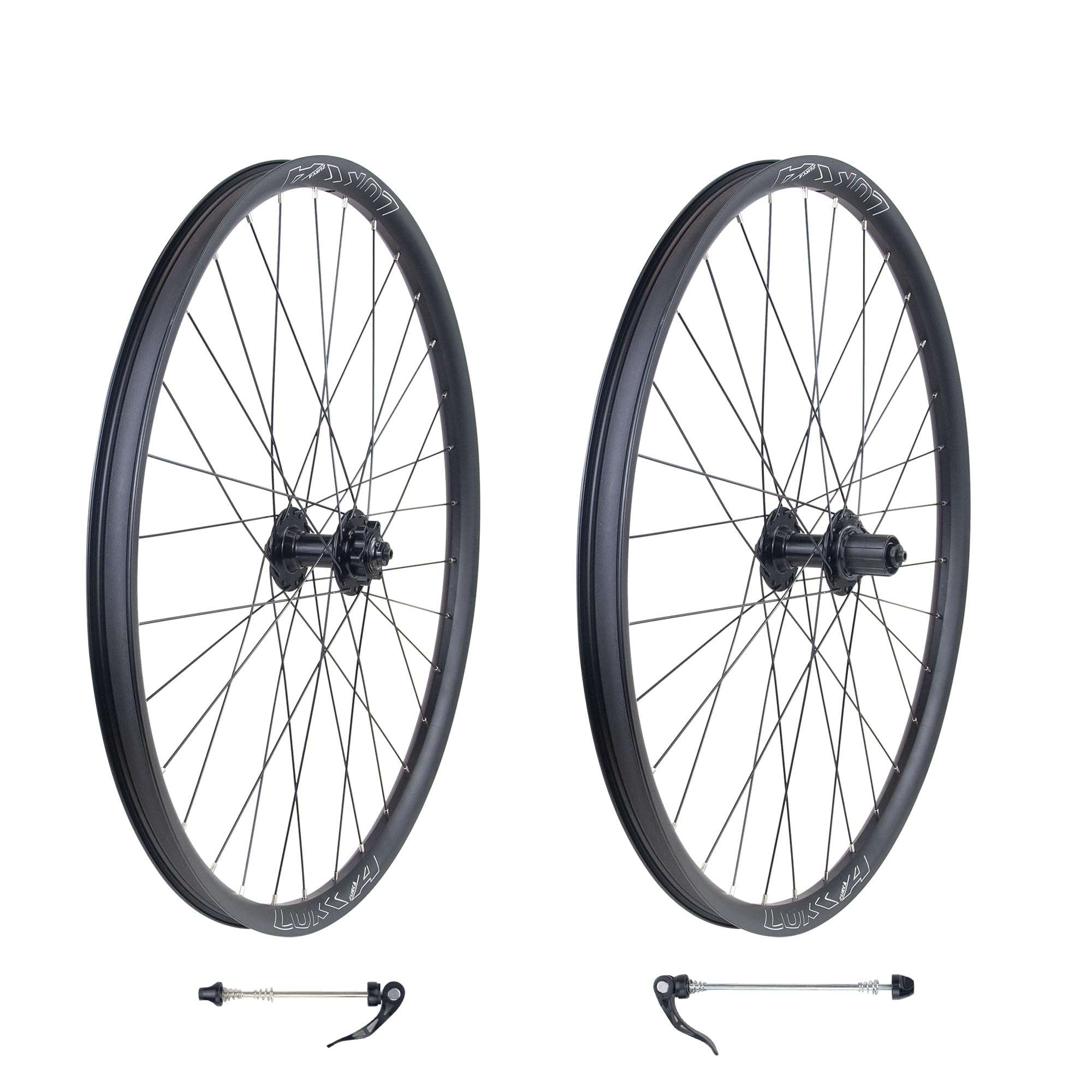

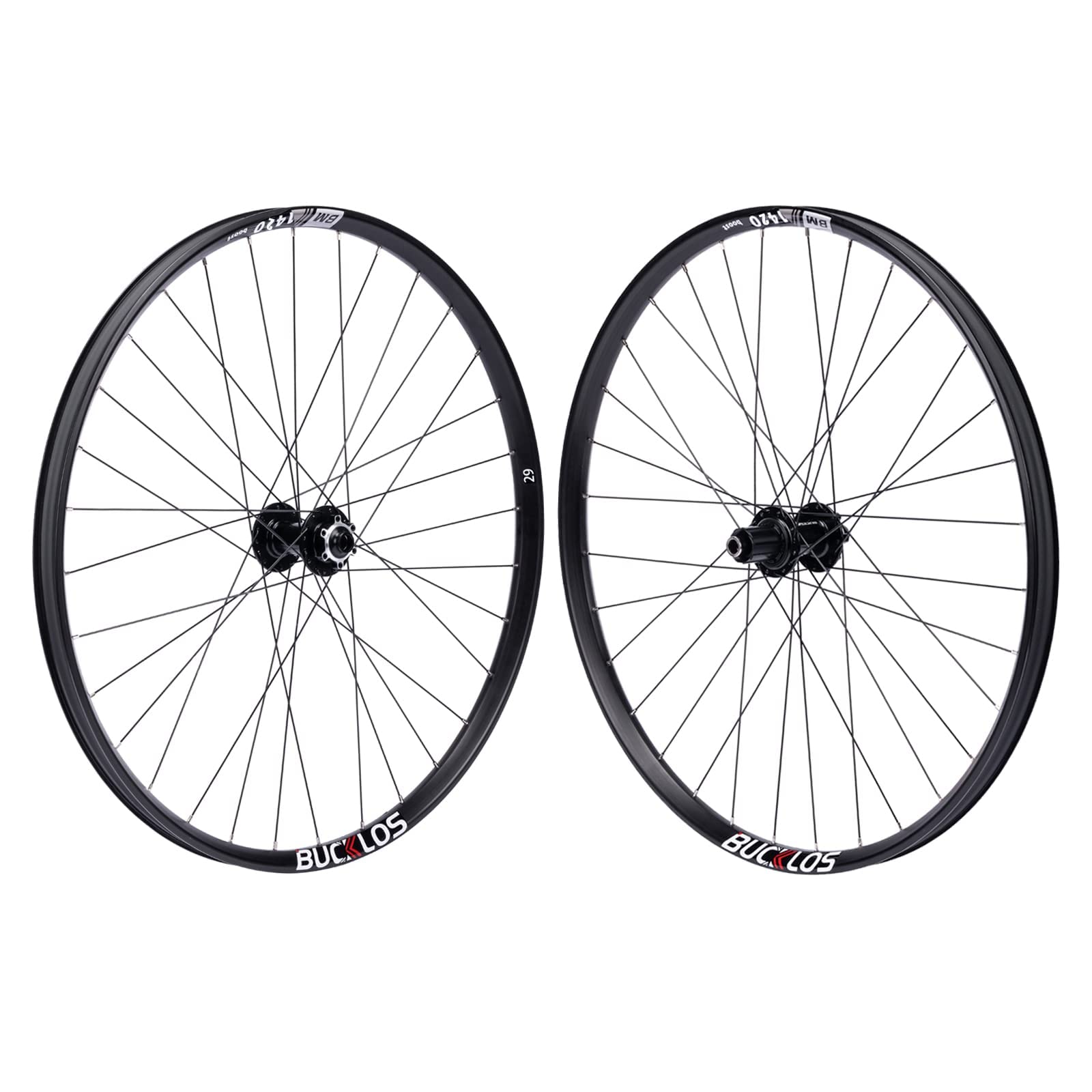

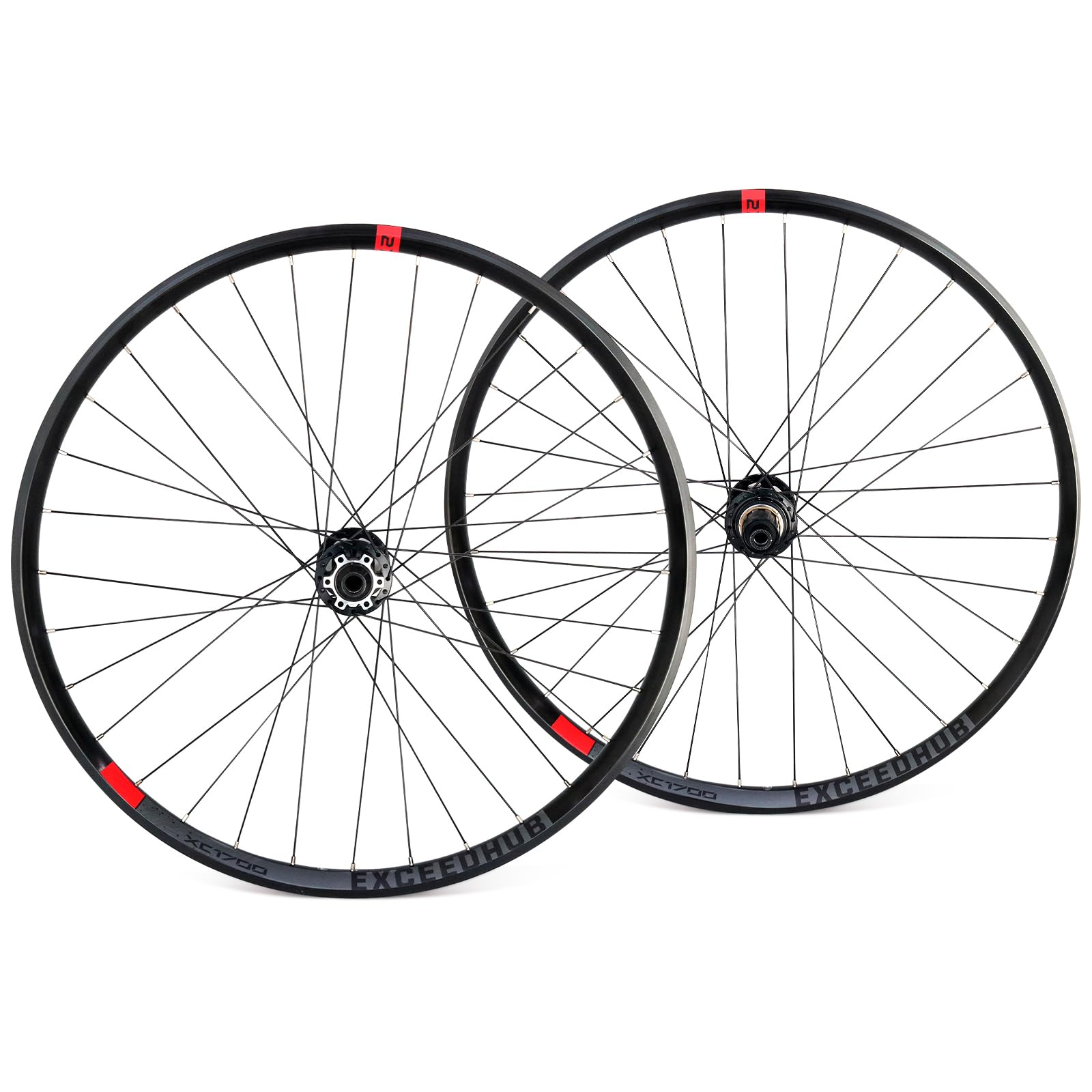


Who Should Buy Which Mountain Bike Wheels?
For Small Spaces and Easy Storage
Apartment riders and van travelers care about wheels that remove quickly and store flat without fuss. Standard quick release or common thru axle wheels come off in seconds, and a padded wheel bag keeps rotors and cassettes from chewing up car interiors. Avoid exotic hub standards, because a wheel that needs rare tools or parts is a burden on the road.
Lighter alloy sets also make loading a roof rack or carrying a bike up stairs noticeably easier. If storage shapes your choice, weight and simple, widely supported hubs matter more than a small stiffness gain.
For Weekend Beginners
New riders need wheels that survive beginner mistakes: cased jumps, low tire pressure, and the odd rock strike. A sturdy alloy rim with a generous spoke count, usually 32 spokes, forgives far more than a light race set. Tubeless ready rims are worth having from day one, since sealant fixes most small punctures without a trailside stop.
Budget sets around $200 to $350 cover this well. If you are speccing a whole starter build, our guide to the best affordable mountain bike shows how wheel costs fit the total picture.
For Bad Weather and Tough Conditions
Riders in wet, gritty regions should look for sealed bearing hubs, strong rim joints, and spokes and nipples that resist corrosion. Mud and pressure washing destroy cheap hubs quickly, so bearing quality matters more than rim decoration. Wider rims also support the lower pressures that grip wet roots and slick rock.
Plan on more frequent bearing checks if you ride through winter. A wheelset that allows home bearing replacement will save repeated shop bills, which is part of the real cost of tough condition riding.
For Frequent or Serious Users
High mileage riders should prioritize hub engagement, serviceability, and warranty support. More engagement points in the rear hub mean the pedals catch sooner after coasting, which helps on technical climbs. Rims with published rider weight limits and crash support policies protect your investment.
Serious users also benefit from standard parts: common spoke lengths, standard bearings, and freehub bodies that shops stock. For a broader view of upgrade paths, see our guide to the best wheels for mountain bike riding across disciplines.
Key Features to Compare
Sizing and Fit
Start with diameter: most adult mountain bikes use 29 inch or 27.5 inch wheels, and the two are not interchangeable on most frames. Next check axle width and type, since modern trail bikes commonly use wider Boost spacing while older bikes use narrower standards. A wheel that does not match your frame and fork spacing simply will not fit.
Rim internal width shapes tire behavior. Widths around 25 to 30 mm support typical trail tires well, while very narrow rims make wide tires feel squirmy. Match the rim to the tire widths you actually run.
Bike Type and Riding Style
Cross country riders value low rotating weight for climbing and quick acceleration. Trail riders need a balance, with rims strong enough for rough descents but light enough for all day pedaling. Enduro and downhill riders should choose strength first, accepting extra weight for rims and hubs that survive big impacts.
Be honest about your mix. A rider who spends most miles on flow trails gains little from downhill rated wheels, and a park rider will dent light cross country rims within a season. Your style, not your aspirations, should pick the category.
Hubs, Engagement, and Drivetrain Fit
The rear hub must match your cassette. Different freehub standards fit different cassette families, so confirm yours before ordering, or budget for a new cassette. Engagement speed, listed in degrees or points, affects how the bike feels when you restart pedaling on climbs and out of corners.
Brake fit matters too. Most modern wheels use disc rotors in either six bolt or center lock mounting, and your rotors must match the hub. Swapping a rotor is easy, but discovering the mismatch on ride day is not.
What You Can Realistically Get on a Budget
Around $200 to $300 usually buys an alloy wheelset with sealed bearings, tubeless ready rims, and solid but basic hubs. Around $300 to $500 adds faster engagement, lighter rims, and better finishing. Carbon rims mostly start above that range, and our guide to the best carbon mountain bike wheels explains what the extra money changes.
Do not save money by accepting a mismatched axle or freehub standard. Compatibility parts and shop labor erase the savings fast, and a wheel you cannot mount is no bargain at any price.
One more practical point: keep your old wheelset if storage allows. A spare set mounted with different tires lets you swap between fast dry tires and grippy wet tires in minutes, and it keeps you riding while one set waits on a shop repair. Many riders find the spare set extends the life of both, since each sees fewer total miles per season.
Common Mistakes to Avoid When Buying Mountain Bike Wheels
- Ordering by diameter alone and ignoring axle spacing, then finding the wheel cannot mount.
- Ignoring the freehub standard, so your existing cassette does not fit the new rear hub.
- Chasing the lightest set for rocky trails where rim strength matters more.
- Forgetting tubeless tape, valves, and sealant in the budget when switching from tubes.
- Skipping the rider weight limit, which matters for heavier riders and loaded bikes.
How to Make Your Mountain Bike Wheel Last Longer
Check tire pressure before every ride, since underinflated tires let rims strike rocks and dent. Keep spokes evenly tensioned; a wheel that stays true spreads impacts across the whole rim instead of one weak spot. Ask a shop to check tension after the first few rides on a new set, because spokes settle as they bed in.
Rinse grit off hubs after muddy rides and avoid aiming a pressure washer at bearings. Clean and lube the chain every 100 to 200 miles so the cassette and freehub wear slowly, and book a professional tune up yearly to catch bearing wear before it ruins a hub shell.
Mountain Bike Wheels: Your Questions Answered
Do wheel standards differ for e mountain bikes?
E mountain bike wheels face higher weight and torque, so many carry stronger rims, more spokes, and higher weight ratings. If you ride an e bike, choose wheels rated for that use rather than assuming a standard set will cope. Riders comparing complete bikes can see our guide to the best affordable e mountain bike options for context on rated parts.
How much should I spend on my first mountain bike wheelset?
Most first upgrades land around $200 to $400 for an alloy set that is tubeless ready with sealed bearings. Below that range, wheels often weigh nearly as much as the stock set they replace. Above it, gains turn incremental. Spend first on correct fit and standards, then on weight, because a compatible mid priced set beats a light set you cannot mount.
Hardtail or full suspension: does frame type change wheel choice?
Yes, a hardtail sends more impact straight into the rear wheel because no shock absorbs the hit. Hardtail riders often choose slightly stronger rear rims or run a touch more tire pressure. Full suspension riders can lean a bit more toward lighter wheels, since the suspension shares the load. Either way, rim width should still match your tires.
How does tubeless setup change wheel buying?
Tubeless ready rims have a shaped bead seat that seals with tape, valves, and liquid sealant instead of an inner tube. The payoff is lower pressure for grip and sealant that plugs most small punctures as you ride. Confirm the set includes or supports tape and valves, and remember sealant needs refreshing every few months to stay effective.
What size mountain bike wheel do I need?
You need the diameter your frame and fork were built around, most often 29 inch or 27.5 inch, plus matching axle spacing. Check the markings on your current rims or the frame maker specifications before ordering. Taller riders often prefer the roll over ability of 29 inch wheels, while smaller riders may find 27.5 inch wheels easier to handle.
Wrapping Up
Confirm diameter, axle spacing, and freehub fit first, because no feature matters if the wheel cannot mount. Then choose rim width for your tires and strength for your trails. The product table above gathers current options so you can compare sets that meet those basics.
Chosen that way, the best affordable mountain bike wheels feel like a new bike for a fraction of the cost: quicker to spin up, calmer on rough ground, and simple to keep true season after season.


