
Best Casual Running Shoes: A Buying Guide for 2026
Disclosure: We may earn a commission when you buy through links on this page, at no extra cost to you. As an Amazon Associate I earn from qualifying purchases. Learn more

A friendly buying guide to casual running shoes, covering comfort, fit, cushioning, support, everyday wear, and light jogging without overthinking it.
Choosing best casual running shoes should feel simple, because these shoes are made for everyday comfort, short jogs, and all day wear rather than elite racing. This guide explains cushioning, fit, and durability in plain language, so you can pick a pair that feels good for walking, errands, gym sessions, and occasional runs.
You will learn how to judge comfort without chasing race features, how to match shoes to your foot shape, and how to spot a pair that will last through daily use. The comparison table below gives a quick overview of the main casual running styles, and the sections that follow help you build a short list that suits your routine.
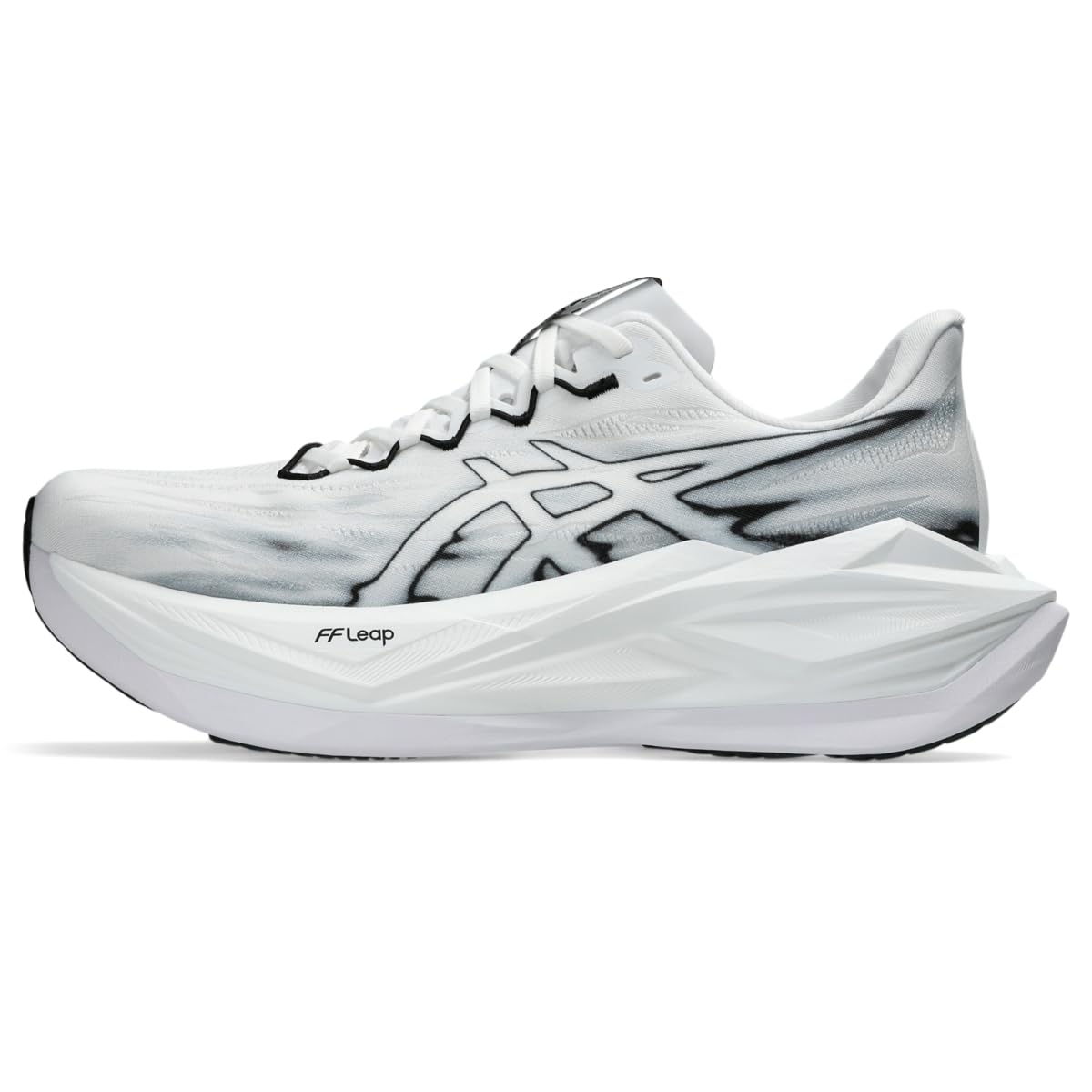

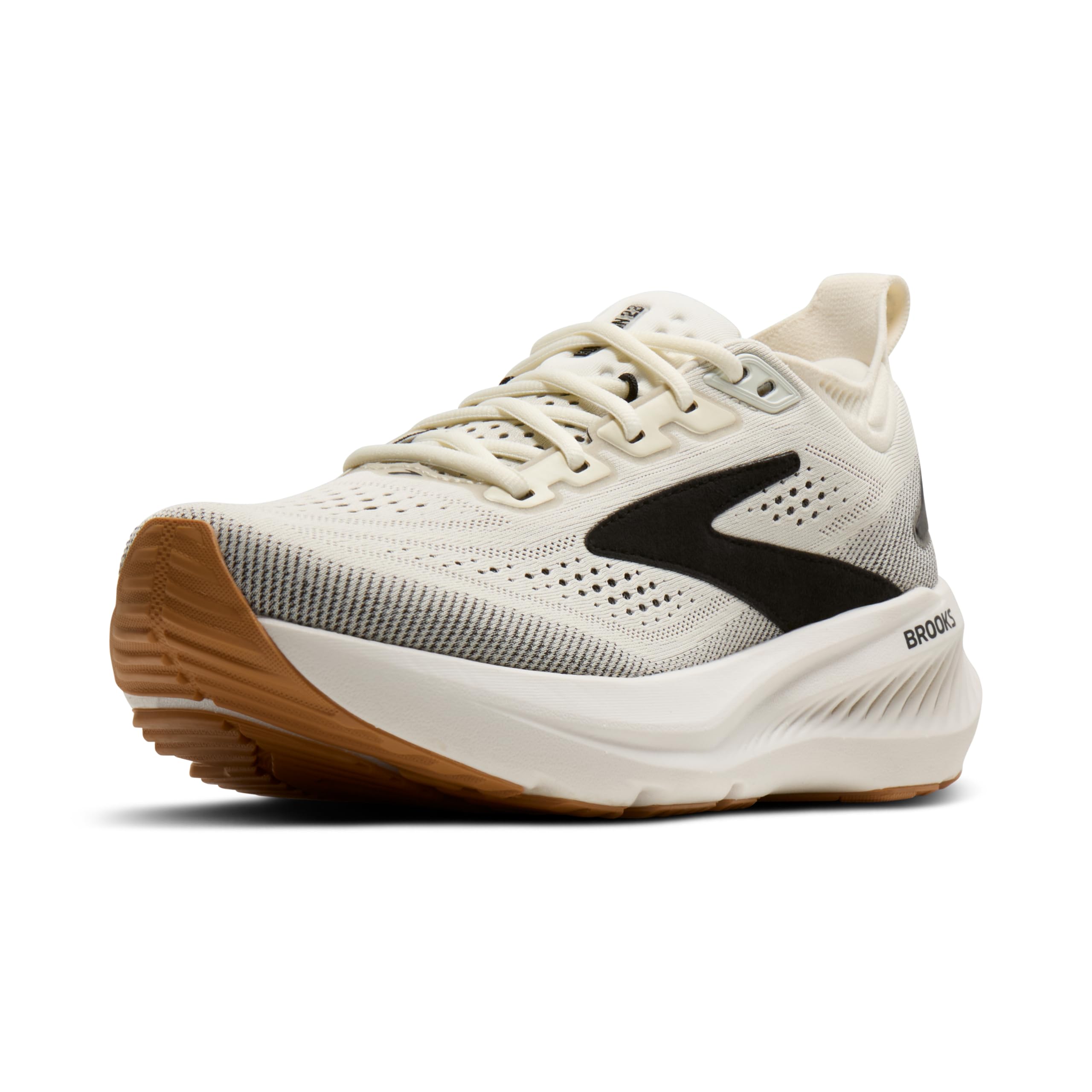

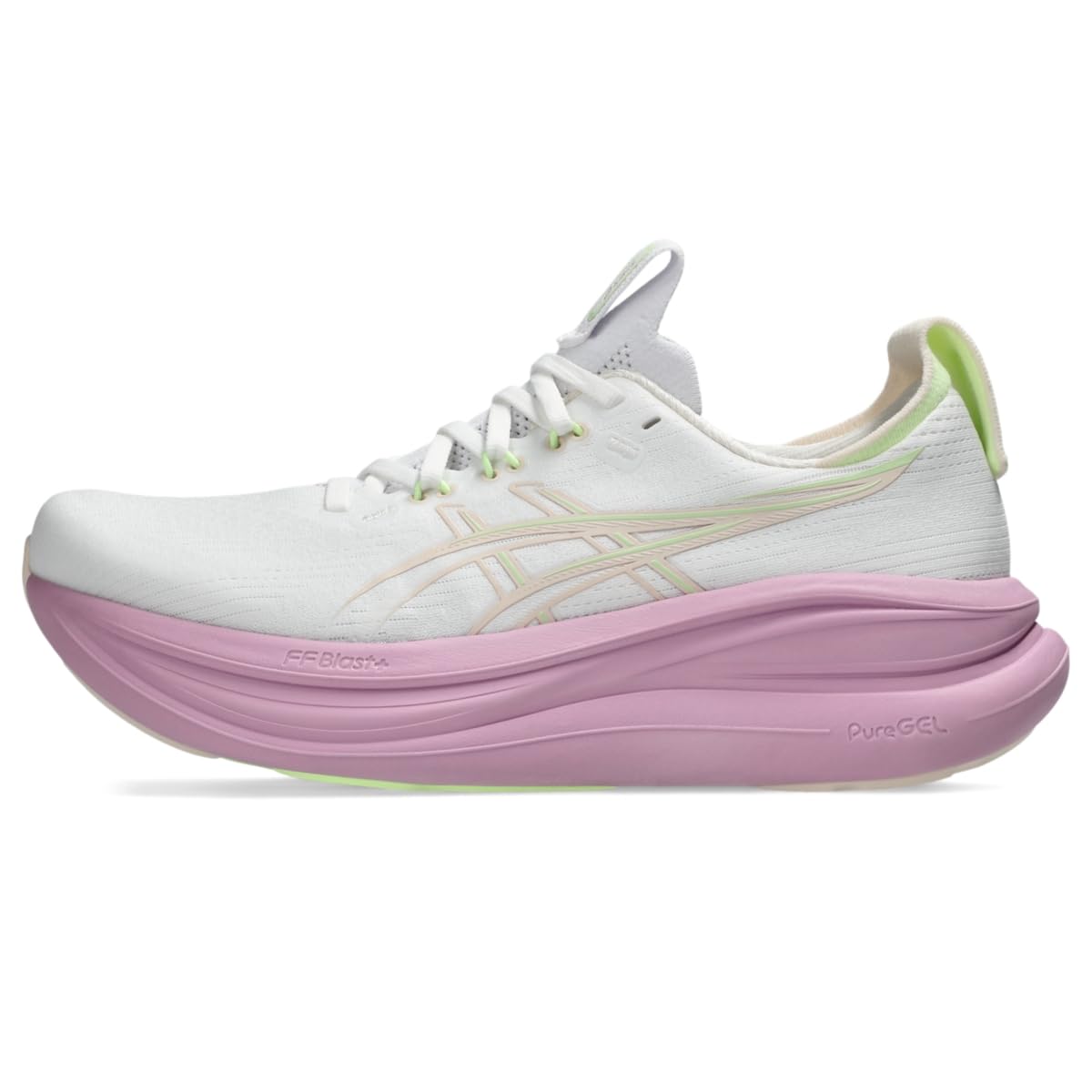
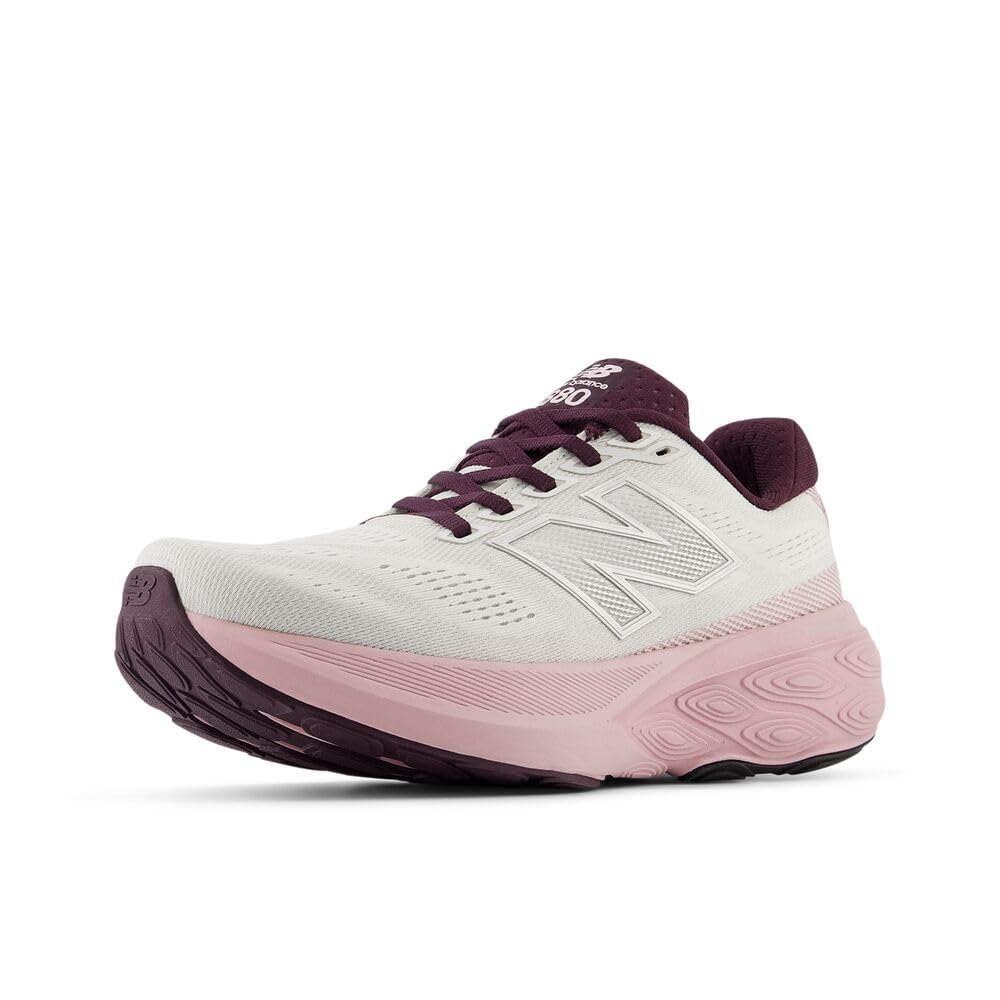
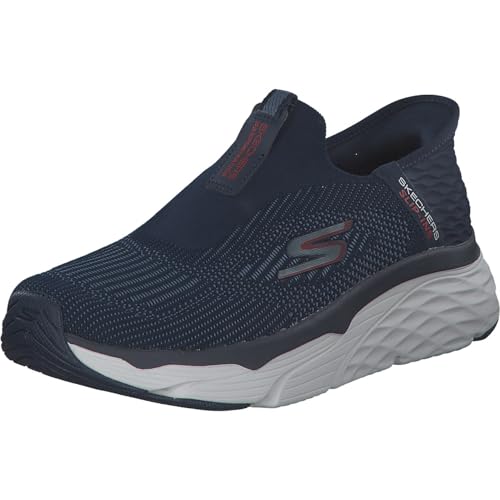

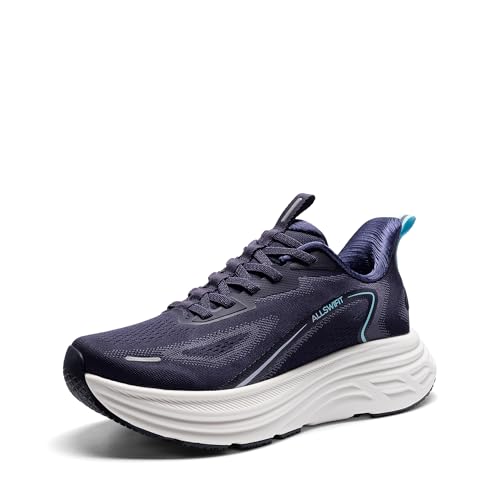


The comparison table below gives a quick overview of the main types, and the sections that follow explain each choice in plain language so you can match a type to your routine.
Who This Guide Is For
This guide suits people who run a few times a week for fitness, walk a lot, or want one comfortable pair for daily life and light exercise. If you run long distances or race often, a dedicated performance trainer may suit you better. If your runs are short and your days are active, a casual running shoe offers a good balance of comfort and value.
It also helps buyers who wear running shoes mainly for walking, travel, and standing all day. Think about your weekly mileage, your foot width, and whether you need extra support, then let those answers narrow the style. A shoe that feels good after a full day will serve you better than a race shoe that feels harsh on easy miles.
Types Compared
Casual running shoes differ in cushioning and support, so compare them by how you spend most hours in them.
| Type | Best For | Typical Price |
|---|---|---|
| Neutral Cushioned Shoes | Easy runs and all day comfort | about $80 to $160 |
| Stability Shoes | Overpronation and tired feet | about $90 to $170 |
| Lightweight Everyday Trainers | Travel and light workouts | about $70 to $140 |
| Max Cushion Shoes | Soft landings and joint comfort | about $120 to $200 |
Neutral Cushioned Shoes
Neutral cushioned shoes offer soft, even cushioning and suit runners with a neutral stride who want comfort for easy miles and daily wear. They feel smooth and forgiving, and they pair well with walking and gym use. Check heel cushioning and forefoot flexibility, because a very soft shoe can feel unstable for some runners.
Stability Shoes
Stability shoes add firmer foam or guide features on the inner side to help feet that roll inward. They suit runners who notice shoes wearing heavily on the inner edge or who feel arch fatigue. If you are unsure about your stride, a running shop gait check can help you decide whether stability support is useful.
Lightweight Everyday Trainers
Lightweight trainers feel agile and pack well for travel, and they suit short runs, gym sessions, and daily errands. They may offer less cushioning for long walks, so check heel and forefoot padding if you spend many hours on your feet. This type is a good choice when you want one pair for several light activities.
Max Cushion Shoes
Max cushion shoes use thick, soft foam for a plush landing, which many walkers and easy runners enjoy. They can feel tall and less stable on uneven ground, so try them on turns and slopes. If you have knee or foot sensitivity, a soft but stable max cushion shoe may feel kinder than a firm racer.
Key Features to Compare
These features decide daily comfort more than race specs do, so try them on real walks and short runs.
Cushioning and Drop
Cushioning softness and heel to toe drop shape how your foot lands and rolls forward. A higher drop suits heel strikers, while a lower drop feels more natural for midfoot strikers. Try different drops on a short jog, because the right drop feels smooth rather than forcing your stride.
Fit and Width
Fit should leave toe wiggle room, hold the heel without slipping, and match foot width across the forefoot. Many casual shoes come in wide versions, which help wide feet far more than sizing up in a narrow shoe. Check fit in the afternoon with running socks, and walk and jog in the shop if possible.
Breathability
Breathability matters on warm days and long walks, because hot feet blister and swell more easily. Mesh uppers breathe well but offer less water resistance, while denser uppers protect better in rain. Choose mesh for warm climates and daily wear, and keep a water resistant pair for wet weather if needed.
Outsole Durability
Outsole rubber coverage decides how long a casual shoe lasts on pavements, treadmills, and gym floors. Fuller rubber coverage lasts longer but adds weight, while exposed foam feels lighter but wears faster. If you walk a lot on rough pavements, choose a shoe with solid outsole coverage in high wear areas.
Weight and Flexibility
Weight affects fatigue on long days, while flexibility affects how naturally the shoe bends with your foot. A light, flexible shoe suits short runs and travel, while a slightly heavier shoe may offer more cushioning and support. Bend the shoe by hand and check forefoot flex, because a very stiff shoe can feel awkward for walking.
Related Guides to Compare
For a wider look at running shoes across performance levels, see our guide to best running shoes alongside this buying guide.
If you also play court sports, our guide to best tennis shoes for running explains why court shoes and running shoes differ.
For men styles, widths, and fit notes, see our guide to best male running shoes before you narrow your list.
For women styles, widths, and fit notes, see our guide to best ladies running shoes alongside this guide.
If casual running is your main activity, our guide to best running shoes for casual runners focuses on easy miles and everyday comfort.
Common Mistakes to Avoid
A common mistake is buying a race shoe for casual use and then finding it harsh, unstable, or short lived. Another mistake is ignoring width and buying a narrow shoe a half size larger, which still pinches across the forefoot. Choose a casual trainer in the right width, try it on a walk and a short jog, and check the return policy for home trials.
Care and Upkeep Over Time
Rotate shoes with a second pair if you wear them daily, and let foam recover between wears. Clean mud and dust with a soft brush, dry shoes at room temperature away from direct heat, and avoid machine washing unless the maker allows it. Replace shoes when cushioning feels flat, outsoles wear through, or new aches appear that were not there before.
Questions to Ask Before You Order
Ask yourself how many miles you run weekly, how many hours you walk daily, and whether you need stability support. Ask about cushioning, drop, width, breathability, and outsole coverage, and check whether the shoe suits your main surfaces. Finally, check fit in the afternoon with running socks so the pair feels good at the end of a long day, not only in the morning.
Frequently Asked Questions
Can I wear running shoes for walking all day?
Yes, many casual running shoes work well for walking all day, thanks to cushioning and flexible soles. Choose a pair with good heel cushioning, forefoot flex, and a fit that holds the heel without slipping. If you walk very long distances daily, a walking specific shoe with a firmer heel may last longer.
How do I know if I need stability shoes?
You may need stability shoes if your feet roll inward noticeably, your shoes wear heavily on the inner edge, or your arches tire quickly. A running shop gait check or a look at old shoe wear patterns can help. If you are unsure, a neutral shoe with a supportive insole is a safe starting point.
How long should casual running shoes last?
Casual running shoes often last about 300 to 500 miles of running and walking, depending on weight, surfaces, and foam type. Signs to replace them include flat cushioning, worn outsoles, torn uppers, or new foot, knee, or back aches. Rotate pairs and track mileage to judge wear more accurately.
Should casual running shoes feel tight or loose?
Casual running shoes should feel snug at the midfoot and heel, with toe wiggle room and no pinching across the forefoot. A shoe that feels tight in the shop rarely improves with wear, while a very loose shoe can cause blisters from sliding. Try with running socks and walk and jog before you commit.
Are expensive running shoes worth it for casual runners?
Expensive shoes are worth it only if the extra cushioning, fit options, or durability match your needs. Many mid priced casual shoes offer excellent comfort for easy miles and daily wear. Spend more for wide fits, stability features, or premium foam if those solve a real problem for your feet, not simply for a brand name.
Final Thoughts
The best casual running shoe is the one that feels good on easy runs, long walks, and full days on your feet. Use the product table above to narrow the type, then compare cushioning, fit, width, and durability before you decide.
Try shoes properly, choose the right width, and rotate pairs for longer life, because best casual running shoes should make daily movement feel easier, not add aches to your routine. If pain persists, talk with your clinician about fit and support.


