
Best Cardio Watches 2026: A Practical Buying Guide
Disclosure: We may earn a commission when you buy through links on this page, at no extra cost to you. As an Amazon Associate I earn from qualifying purchases. Learn more

Learn how the best cardio watches track heart rate and workouts, which sensors matter, and how to weigh comfort, battery and app features.
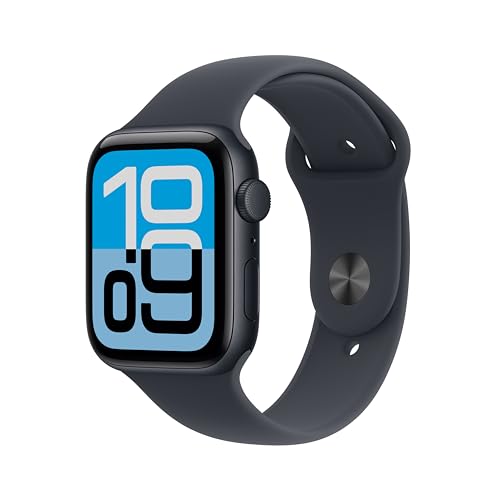
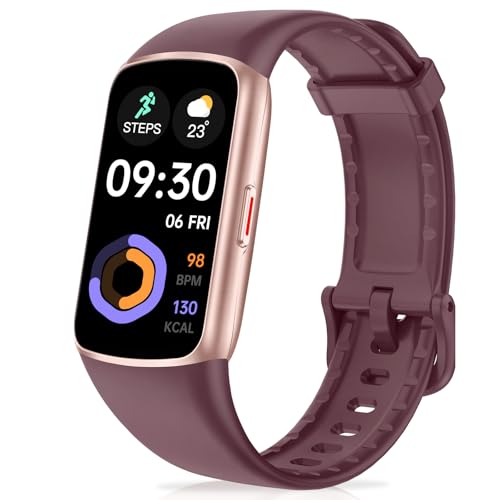
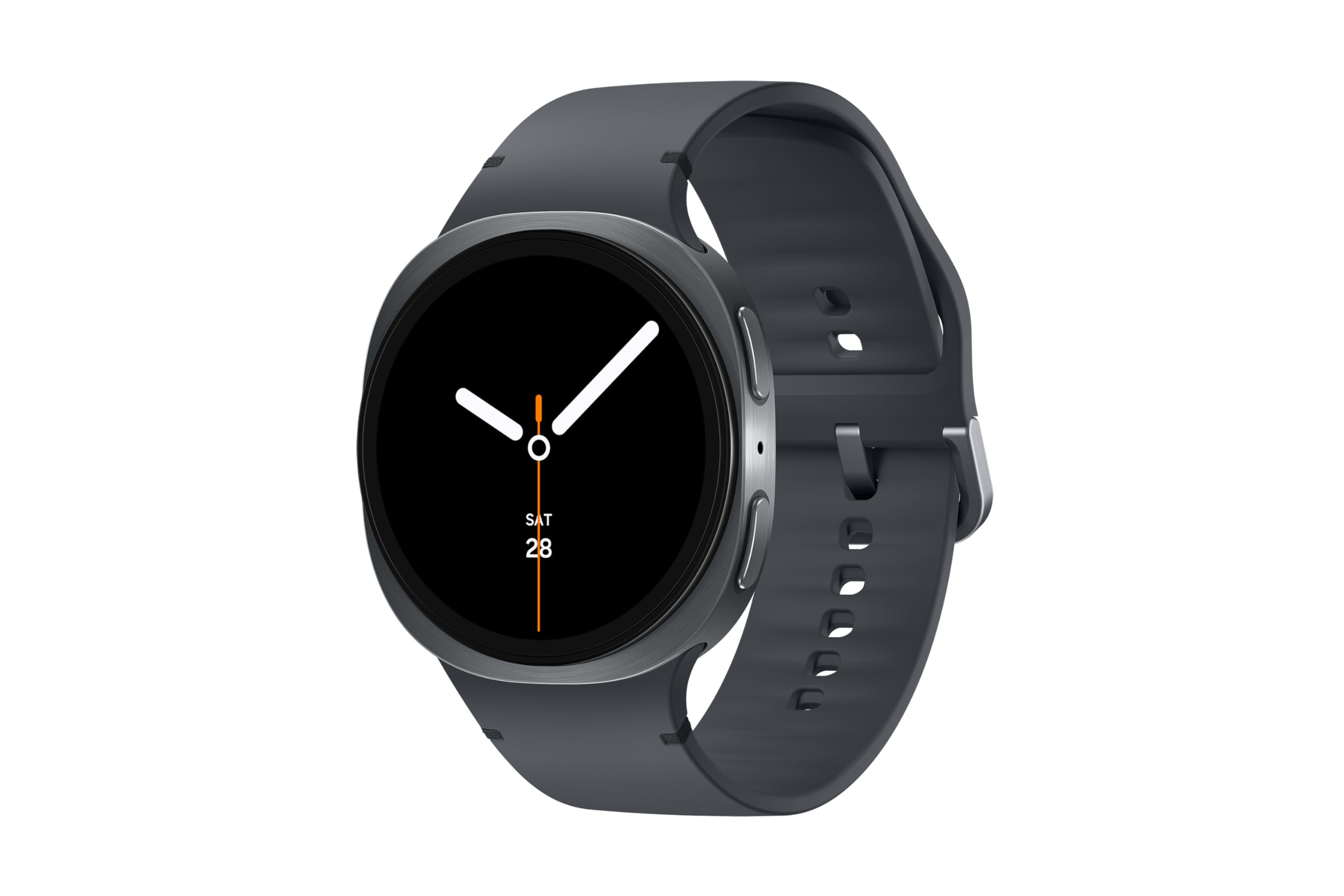
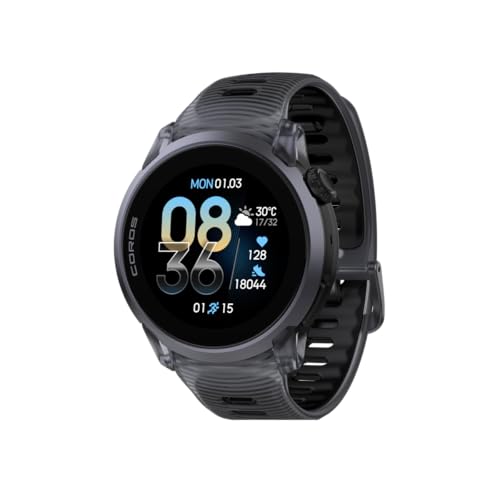
A watch that tracks heart rate can guide training, pacing and recovery, and best cardio watches now range from simple pulse trackers to advanced training tools. The product table below outlines the main choices, and this guide explains what actually helps. Sensor quality, comfort and useful data matter more than the number of features on the box.
Heart rate data is only useful if the watch fits well and you understand the numbers. A loose watch gives jumpy readings. An overloaded app gives data you never use. Focus on accurate tracking during your chosen activities, comfortable all day wear and clear recovery guidance that fits your routine.




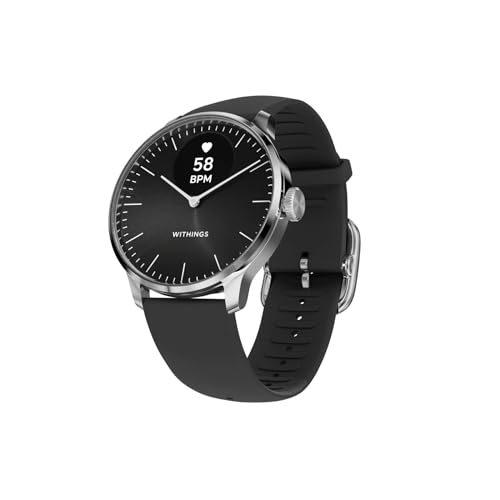

Who Should Buy a Cardio Watch
Training goals shape which metrics matter. A runner chasing a personal best needs pace, heart rate zones and training load. A general fitness user needs activity, sleep and resting heart rate trends. A gym user needs timers, heart rate and workout history. Defining your primary goal prevents paying for advanced metrics you never open.
Runners, cyclists and gym goers benefit from heart rate zones that guide effort. Zones help you pace long sessions, push intervals wisely and avoid going too hard on easy days. If you train with structure, a cardio watch turns guesswork into measurable effort.
General fitness users benefit from resting heart rate trends, sleep tracking and activity reminders. These features support steady habits without complex training plans. If you mainly want daily movement awareness, a simpler watch with good comfort and battery may suit you better than an advanced training model.
Remember that watches are wellness tools, not medical devices. They support training decisions and general fitness awareness, but they do not diagnose conditions. If readings concern you, or symptoms persist, talk with a clinician rather than relying on watch data alone.
Key Features to Compare
Sensor design matters most. Optical sensors on the wrist work well for steady activities but can struggle during high intensity intervals or activities with heavy wrist movement. A chest strap, where supported, gives more reliable readings for intense training. Check whether the watch pairs with external sensors.
Also check sport profiles, GPS accuracy and battery life in GPS mode. A watch that dies mid run helps no one. Screen readability in sunlight, button versus touch control during sweaty workouts and strap comfort all affect daily use. Test these practical details, not just spec sheets.
Comfort, Fit and Accuracy
Fit decides accuracy. Wear the watch snug above the wrist bone during workouts, and slightly looser for daily wear. A strap that slips during intervals ruins readings. Try different strap materials: silicone suits sweat, fabric suits comfort and metal suits style but adds weight.
Skin tone, tattoos, cold weather and motion can affect optical readings. If readings look erratic, tighten the strap, warm up first and clean the sensor. For critical training decisions, compare watch readings with perceived effort. Data should support your body signals, not override them.
Apps, Data and Recovery Guidance
Good apps show trends, not just daily numbers. Resting heart rate, training load and sleep trends help you spot fatigue before it becomes burnout. Look for clear explanations of zones and recovery advice, not just colorful charts. Data you understand changes behavior; data you ignore does not.
Check data ownership and subscription costs. Some features need ongoing payments, while others are included. Also check compatibility with apps you already use for running or cycling. A watch that fits your existing routine gets used far more than one that forces a new system.
Budget and Value
Budget cardio watches cover heart rate, basic GPS and sleep for casual users. Mid range models add better sensors, longer battery and training features. Premium models add maps, advanced metrics and longer support. Value depends on training seriousness, not feature count.
Avoid paying for features you will never open. A runner needs GPS and zones. A gym user needs reliable heart rate and timers. A general user needs comfort and battery.
Match the watch to your main activity, and spend the saving on a comfortable strap or a chest sensor if accuracy matters.
Quick Checklist Before You Buy
- Wear the watch snug during workouts for stable readings.
- Check GPS battery life, not just daily battery claims.
- Favor clear trends and recovery guidance over feature counts.
- Confirm chest strap pairing if intense training matters.
- Check subscription costs before committing.
Related guides on quality watches and workout watches can help you compare general watch features with training focused models. best quality watches, best workout watches.
Getting the Most From Your Choice
Sleep data complements heart rate training more than many users expect. Poor sleep raises resting heart rate and reduces training quality, so tracking sleep helps explain performance swings. Look for sleep stages and consistency trends rather than single night scores. Regular sleep times often improve training more than any gadget feature.
Motivation features help some users and annoy others. Streaks, badges and social sharing encourage consistency for many, but pressure can backfire. Choose a watch whose app tone suits you: encouraging and calm, or competitive and social. A watch that motivates you personally gets worn longer than a technically superior watch you resent.
A Final Check Before You Order
Skin and strap care affect long term wear. Rinse the watch and strap after sweaty sessions, and dry fully before rewearing. Silicone straps can irritate some skin if worn constantly without cleaning. Rotating straps or loosening the watch at night improves comfort.
If rash or irritation persists, try a different strap material and consult a clinician if needed.
Data privacy deserves a quick check. Fitness apps collect sensitive health data, so review privacy settings and sharing defaults. Disable public sharing unless you want it, and understand what data syncs to third party apps. A few minutes of privacy setup protects personal health information while you enjoy training insights.
Charging habits decide whether a cardio watch actually gets worn. A watch that dies before your morning run stays in a drawer, so build charging into an existing routine, such as while showering or during desk work. Check whether the charger is proprietary, since losing a unique cable can sideline the watch for days. Keeping a spare charger at work or in a travel bag prevents gaps in data and keeps training trends continuous across busy weeks.
Frequently Asked Questions
How accurate are wrist heart rate sensors?
Wrist sensors are reasonably accurate for steady activities such as running, walking and cycling at moderate effort. They can struggle during high intensity intervals, strength work or activities with heavy wrist movement. For the most reliable intense training data, pair the watch with a chest strap. Use trends over time rather than single readings for decisions.
Do I need GPS in a cardio watch?
GPS helps runners and cyclists track pace, distance and routes without a phone. Gym users and general fitness users may not need it. GPS drains battery faster, so check GPS mode battery life. If you train outdoors often, GPS is valuable, and if you train indoors, heart rate and timers matter more.
What heart rate zones should I train in?
Common zones range from easy aerobic work to hard intervals, based on maximum heart rate estimates. Easy zones build endurance, moderate zones build stamina and hard zones build speed. Estimates vary by person, so treat zones as guides. Combine zone data with perceived effort and talk with a coach or clinician if you have health concerns.
Can a cardio watch detect health problems?
Cardio watches can flag unusual readings, but they are wellness tools, not medical devices, and they do not diagnose conditions. Irregular readings, chest pain, dizziness, fainting or persistent breathlessness need prompt medical attention. Do not rely on watch alerts alone. If symptoms concern you, contact a clinician promptly, and comparing two or three options side by side usually clarifies the trade offs.
How long should a cardio watch battery last?
Daily battery claims often assume light use without GPS. In GPS training mode, battery life drops sharply, sometimes to hours rather than days. Check GPS mode figures for your typical session length. If you train daily, favor longer GPS battery or a routine charging habit that fits your schedule, so check the details for your exact model before ordering.
Final Thoughts on Choosing Cardio Watches
The best cardio watch fits your training, your wrist and your routine. Use the product table above to compare sensors, GPS battery and app clarity, then choose comfort and useful data over feature counts. A watch you wear daily teaches you more than an advanced model left in a drawer.
Use heart rate data as a guide alongside how you feel, and treat the watch as a wellness tool, not a medical device. If readings or symptoms concern you, talk with a clinician. Train steadily, recover well and let good data support good habits.
Useful data, comfortable fit and honest recovery guidance make a cardio watch valuable, and best cardio watches should support your training without overwhelming it. Use the product table above to compare sensors and battery, then let trends guide steady, enjoyable progress.


