
Best Car Door Speakers for Every Need: How to Pick the Right One for 2026
Disclosure: We may earn a commission when you buy through links on this page, at no extra cost to you. As an Amazon Associate I earn from qualifying purchases. Learn more

A clear buying guide to car door speakers, covering speaker size, sound quality, bass response, power handling, sensitivity, and fit for your car doors.
Choosing best car door speakers is easier when you know your car door size and how you listen, because a speaker that fits poorly or lacks power will disappoint even if it sounds good in a shop. This guide explains speaker sizes, sound balance, bass, and power handling in plain language, so you can upgrade factory sound without guesswork.
You will learn how coaxial and component speakers differ, how to check fit and depth, and how much power your car stereo or amplifier should provide. The comparison table below gives a quick overview of the main speaker types, and the sections that follow help you match a speaker to your music, your car, and your budget.


Who This Guide Is For
This guide suits drivers who want clearer vocals, stronger bass, or less distortion at higher volumes, from commuters to long distance travelers. If you listen mainly to podcasts and talk radio, clarity matters more than deep bass. If you listen to bass heavy music, woofer size and power handling matter far more.
It also helps buyers upgrading factory speakers on a budget, because a good door speaker can improve sound a lot without replacing the whole system. Think about your car model, your stereo power, and whether you will add an amplifier later, then let those answers shape your short list. Check fit first, because the best sounding speaker is useless if it does not fit your door.
Types Compared
Door speakers differ in design and sound balance, so compare them by music style and system plans.
| Type | Best For | Typical Price |
|---|---|---|
| Coaxial Speakers | Simple upgrade for factory systems | about $50 to $200 |
| Component Speakers | Best clarity and sound staging | about $150 to $500 |
| Midbass and Woofer Upgrades | Stronger bass without a subwoofer | about $80 to $300 |
| Shallow Mount Speakers | Tight doors and limited depth | about $60 to $250 |
Coaxial Speakers
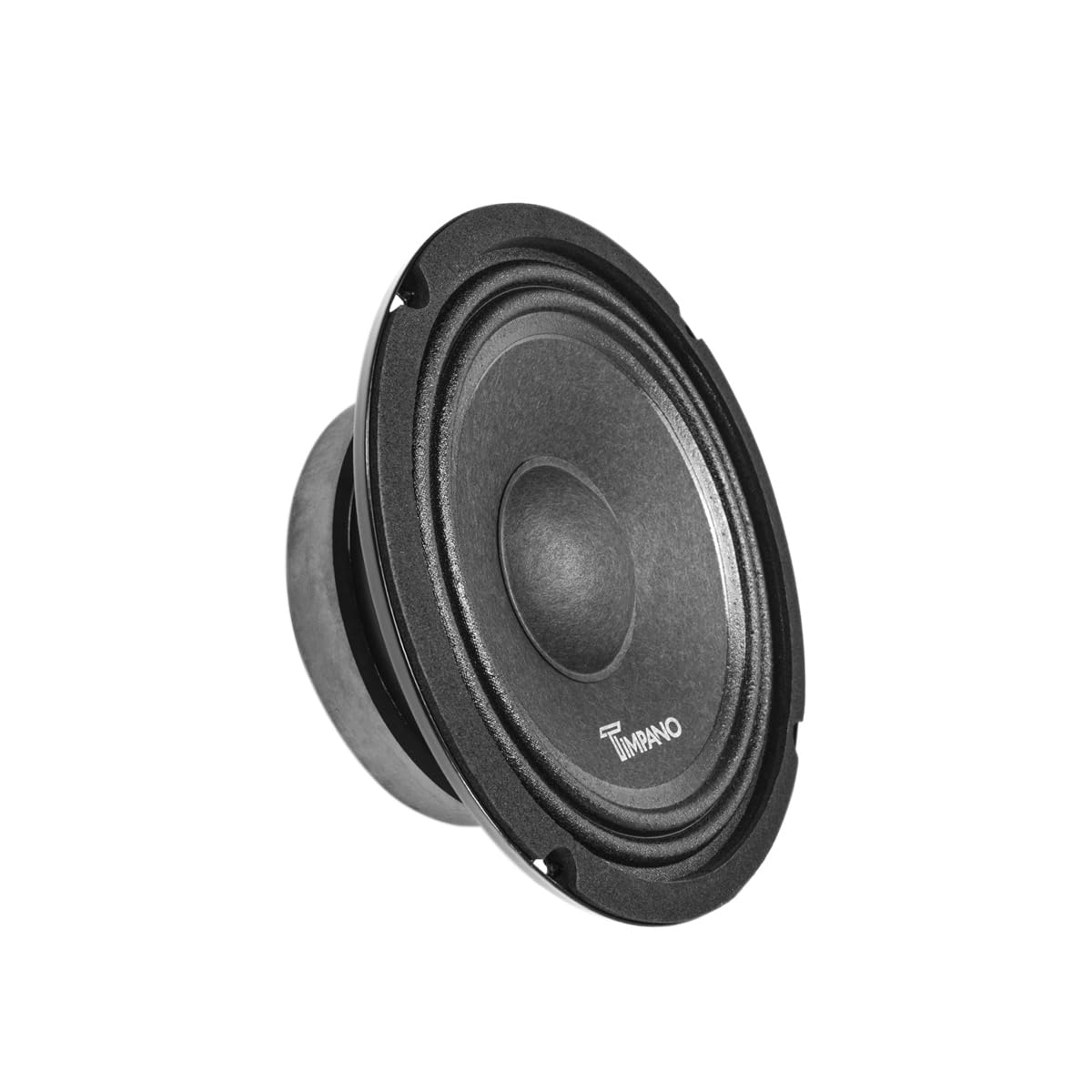
Coaxial speakers combine woofer and tweeter in one unit, which makes installation simpler and suits factory stereos without an external amplifier. They improve clarity and bass over many factory speakers and fit most doors with an adapter. Check size, mounting depth, and tweeter angle for good sound from the driving position.
Component Speakers
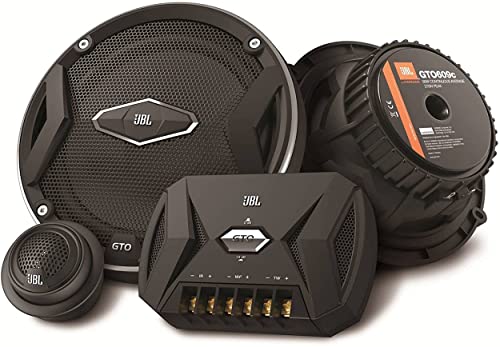
Component speakers separate woofer and tweeter with a crossover, which gives clearer vocals and better sound staging when tweeters are placed higher in the door or dash. They need more installation work and often benefit from an amplifier. This type suits listeners who want detailed, balanced sound and are willing to plan placement.
Midbass and Woofer Upgrades
Larger woofers and midbass drivers add warmth and punch for rock, pop, and hip hop, especially when a subwoofer is not planned. They need enough door space and power to control bass without distortion. Check door depth, mounting adapter, and whether door panels need sound deadening for best results.
Shallow Mount Speakers
Shallow mount speakers fit doors with limited depth, window tracks, or tight panels where standard speakers would not clear. They trade some bass depth for fit, but modern designs still sound clear and balanced. Measure depth carefully, including window travel, before you choose a shallow model.
Key Features to Compare
These features decide sound quality and fit more than wattage numbers on the box do.
Size and Fit
Car door speaker sizes vary by model, and common sizes include 6.5 inch and 6x8 inch openings, often with adapters for other sizes. Measure your factory opening, mounting depth, and window clearance, and check adapter rings for your car. A speaker that fits cleanly without forcing panels will sound better and last longer than a forced fit.
Power Handling and Sensitivity
Power handling tells you how much power a speaker can take, while sensitivity tells you how loud it plays with a given power input. High sensitivity speakers sound louder on a factory stereo, while lower sensitivity speakers may need an amplifier to shine. Match speaker power range to your stereo or amplifier, and avoid driving speakers into distortion, which damages them faster than clean power.
Sound Balance and Tweeter Type
Sound balance decides whether vocals sound clear, cymbals sound smooth, and bass sounds tight rather than boomy. Soft dome tweeters often sound smoother, while other tweeter materials can sound brighter and more detailed. Listen to music you know well if you can, and check crossover design for component sets, because it shapes how smoothly woofer and tweeter blend.
Bass Response
Bass response depends on woofer size, door sealing, and power, not only on speaker size. A well sealed door with sound deadening can improve bass a lot, even with a modest speaker. If you want deep bass for hip hop or electronic music, plan for a subwoofer as well, because door speakers alone rarely reproduce very low bass cleanly.
Build and Weather Resistance
Door speakers face moisture, temperature changes, and vibration, so build quality matters for long life. Look for treated surrounds, sturdy baskets, and protected crossovers, especially in cars parked outdoors. Check warranty and whether the speaker is designed for car door use rather than home use, because home speakers may not handle door conditions well.
Related Guides to Compare
If clarity and balanced vocals matter most, our guide to best car door speakers for sound quality focuses on tweeter design and sound staging.
For stronger bass without a separate subwoofer, our guide to best car door speakers for bass explains woofer size, door sealing, and power needs.
For a broader look at car audio door options, see our guide to best car audio door speakers alongside this buying guide.
If your car uses a 6x8 opening, our guide to best 6x8 car door speakers covers fit, adapters, and sound options for that size.
Common Mistakes to Avoid
A common mistake is buying speakers by peak wattage alone, which tells little about sound quality or fit. Another mistake is skipping fit checks and discovering the speaker hits the window track or door panel. Measure opening, depth, and window clearance, check adapter needs, and match power to your stereo before you order.
Care and Upkeep Over Time
Keep door panels and speaker grilles clean, and check wiring connections now and then for corrosion or loose terminals. Avoid blasting speakers into distortion, because clipped signals damage voice coils faster than clean power. If a speaker rattles, check mounting screws, adapter fit, and door panel clips before assuming the speaker itself has failed.
Questions to Ask Before You Order
Ask yourself what car you drive, what size opening it has, and how much power your stereo provides. Ask about speaker type, sensitivity, tweeter design, and mounting depth, and check adapter and wiring harness needs. Finally, plan for sound deadening and future amplifier upgrades so the system can grow without replacing speakers again.
Frequently Asked Questions
What size car door speakers do I need?
Size depends on your car model and factory opening, with common sizes including 6.5 inch and 6x8 inch. Check your car manual, measure the opening, or use a fit guide for your exact year and model. Adapters can fit some sizes into other openings, but depth and window clearance still need checking.
Do I need an amplifier for new door speakers?
You do not always need an amplifier, especially with high sensitivity coaxial speakers on a factory stereo. An amplifier helps component speakers and lower sensitivity models reach their best clarity and volume without distortion. If sound distorts at your normal listening level, an amplifier or a more sensitive speaker may help.
Why do my new speakers sound worse than factory speakers?
New speakers can sound worse if power is too low, wiring polarity is reversed, or door panels rattle and leak sound. Check wiring, phase, and mounting fit, and give speakers a short break in period at moderate volume. If bass is weak, door sealing and sound deadening often help more than a different speaker.
Can I install door speakers myself?
Many drivers can install coaxial door speakers with basic tools, adapter rings, and wiring harnesses, following a model specific guide. Component speakers and amplifier wiring take more skill, especially for tweeter placement and door panel removal. If you are unsure about airbags, wiring, or panel clips, ask a professional installer for help.
How do I stop door rattles after an upgrade?
Door rattles often come from loose panels, clips, or wires vibrating against metal, rather than from the speaker itself. Tighten screws, replace broken clips, secure loose wires, and add sound deadening to large flat panels. Check that the speaker does not touch the door panel or window track at full excursion.
Final Thoughts
The best door speaker is the one that fits your car, matches your stereo power, and suits the music you listen to most. Use the product table above to narrow the type, then compare size, sensitivity, tweeter design, and build before you decide.
Measure carefully, match power wisely, and listen with familiar music, because best car door speakers should make every drive sound clearer and more enjoyable, not louder and harsher.


