
Best 6x9 Car Speakers for Sound Quality: A 2026 Buying Guide
Disclosure: We may earn a commission when you buy through links on this page, at no extra cost to you. As an Amazon Associate I earn from qualifying purchases. Learn more

Tweeters, cones, sensitivity, and sealing explained to help you choose the best 6x9 car speakers for sound quality.
Sound quality in a car speaker means clear vocals, smooth highs, and bass that stays controlled instead of booming, and the large 6x9 oval can deliver all three when it is chosen and installed well. This guide to the best 6x9 car speakers for sound quality explains the materials, specifications, and install steps that separate a refined pair from one that is merely loud.
The product table right after this introduction lists current options side by side. Use it with the checks below, because tweeter material, crossover quality, and a sealed mount shape the sound more than a headline wattage number.

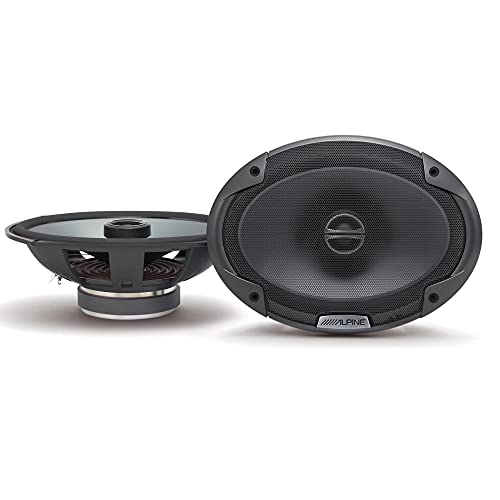


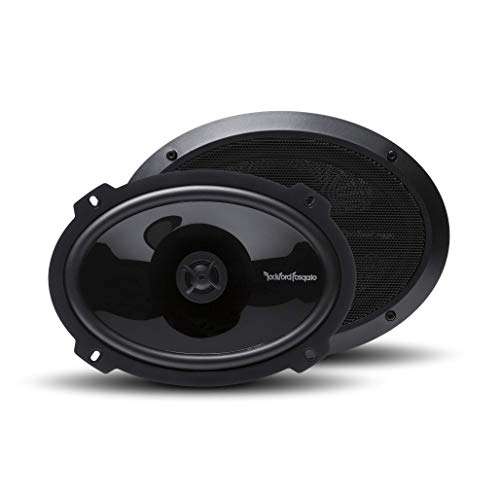


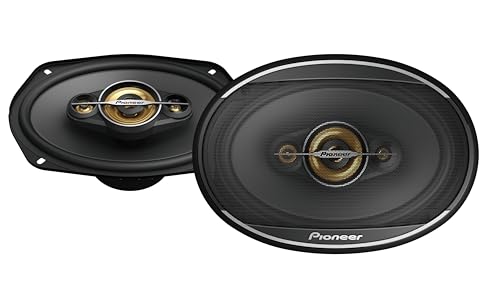


Who Should Buy the Best 6x9 Car Speakers for Sound Quality
These speakers suit listeners who care about detail: vocals, acoustic instruments, and cymbals that sound natural rather than sharp. They also suit drivers upgrading rear deck or door openings who want a clear improvement over worn factory speakers without a full system rebuild. If you mainly want maximum bass, see the related guides at the end.
What Makes a 6x9 Speaker Sound Good
Tweeter Material and Crossover
The tweeter sets the top end. Silk and other soft dome tweeters sound smooth and relaxed, while metal domes sound bright and detailed but can glare in a reflective cabin. The crossover decides how the woofer and tweeter hand off, and a design with real components blends more smoothly than a single capacitor. Three way designs add a midrange driver that can separate vocals, but only when the crossover is well done.
Cone Stiffness and Surround
A stiff, light cone, such as polypropylene or treated fiber, keeps vocals clear and bass controlled. Rubber surrounds hold the cone steady for years, while foam surrounds soften with heat and age. A rigid steel or cast basket stops the frame from flexing and coloring the sound.
Sensitivity and Power Handling
Sensitivity near 90 dB or higher lets a factory radio drive the speakers cleanly, which matters because distortion hurts sound quality more than a lack of volume does. If you use an amplifier, match its per channel output to the speaker RMS rating and leave a little headroom.
Frequency Response and Balance
Published ranges, such as 50 Hz to 22 kHz, are a rough guide only. Balance matters more: voices should sit in front of the music, bass should support rather than cover them, and treble should add air without hiss. Look for descriptions that mention an even response instead of boosted extremes.
Fit, Sealing, and Installation
A good seal matters as much as the speaker itself, because air leaks around a 6x9 frame thin out bass and add buzz. Measure the opening, the depth behind it, and clearance for the magnet and tweeter, and check whether your car uses a factory amplifier or a simple stereo feed. Install with a foam ring or gasket, keep polarity the same on both sides, and add sound deadening to the surrounding metal.
After fitting, match polarity, secure the speaker evenly, and listen to familiar music before refitting trim. Start with the equalizer flat, trim any harsh band by a few decibels, and raise bass slowly, because a clean setup sounds better than a loud, distorted one.
Where the Money Goes
Pairs around $40 to $80 are a clear step up from worn factory speakers. Pairs around $80 to $150 add better tweeters, stiffer cones, and smoother crossovers, which is where most listeners hear the biggest gain in clarity. Pairs above that add refined materials and higher power handling and make sense with an amplifier. Component sets cost more and take longer to install, but they place the tweeter where the treble reaches your ears directly.
Matching Speakers to Your Power Source
A factory radio typically delivers only about 15 to 20 watts per channel, so a high sensitivity pair sounds fuller and cleaner than a power hungry one. If you add an amplifier later, choose a pair with RMS handling that covers the amplifier output per channel, and keep the gains conservative. Quality sound comes from clean power at modest volume, not from pushing a small radio until it distorts.
Rear Deck, Door, and Cabin Effects
Most 6x9 openings sit in the rear deck, where the trunk acts as a large enclosure, so bass tends to be strong and highs reach you indirectly. Use the balance and fade controls to bring the front stage forward, and consider a component set or a separate tweeter on the dash if you want vocals to sound centered. Hard glass and plastic reflect treble, which is why a smooth dome tweeter is usually the safer choice in a bright cabin.
Break In and Long Term Care
New surrounds are stiff, so give the pair several hours of ordinary listening before you settle on the final tone settings. Over the years, keep mounting screws snug, clear dust from the grilles with a soft brush, and keep rear deck speakers free of heavy items that rattle. Rubber surrounds and sealed mounts keep a good pair sounding right for a decade.
Common Mistakes to Avoid
- Chasing bass alone, which ends with boomy sound that hides vocals.
- Skipping the seal around the frame, which wastes the benefit of a better speaker.
- Choosing the brightest speaker from a short demo, which tires the ears on long drives.
- Judging by peak watts instead of RMS power and sensitivity.
- Ignoring the return policy and warranty terms before you pay.
Related Guides
For nearby choices, see best 6x9 car speakers for bass and sound quality, best car speakers for sound quality, best sounding 6x9 car speakers, best sound quality 6x9 speakers, and best car speakers for bass and sound quality.
Frequently Asked Questions
What makes a 6x9 speaker sound good?
A smooth tweeter, a stiff cone, a well made crossover, and a sealed mount. Sensitivity that suits your source matters too, because a speaker that strains on factory power distorts and sounds harsh.
Do I need a subwoofer as well?
Not for clear sound. A 6x9 pair gives useful midbass, but a small subwoofer takes the deepest octave and lets the speakers play cleaner at volume. Add one later if you want more low end.
How do I tune a new speaker set?
Start with the equalizer flat, listen to familiar tracks at moderate volume, and change one setting at a time. Trim a harsh band before you boost anything, and use a high pass filter if your system offers one.
Why does bass sound boomy?
Boomy bass usually means a leaky mount, a rattling panel, or too much bass boost. Seal the frame, add deadening to the panel, and lower the boost.
Can factory wiring limit sound quality?
Thin or damaged factory wiring and a weak factory radio can limit volume and bass control. For most upgrades the factory wiring is fine, and adapter harnesses avoid cutting it. If you add an amplifier later, run proper gauge wire.
Final Thoughts
Choose for tweeter quality, cone stiffness, and a sealed fit first, then match sensitivity and RMS power to your source. The product table lets you compare current options with those checks in mind.
Chosen that way, the best 6x9 car speakers for sound quality make every drive sound clearer and more natural.


