
Best Car Audio Component Speakers: 2026 Full Guide
Disclosure: We may earn a commission when you buy through links on this page, at no extra cost to you. As an Amazon Associate I earn from qualifying purchases. Learn more

Component speakers separate woofers, tweeters, and crossovers for clearer car sound. Compare sizes, power, and crossovers to upgrade your car audio properly.
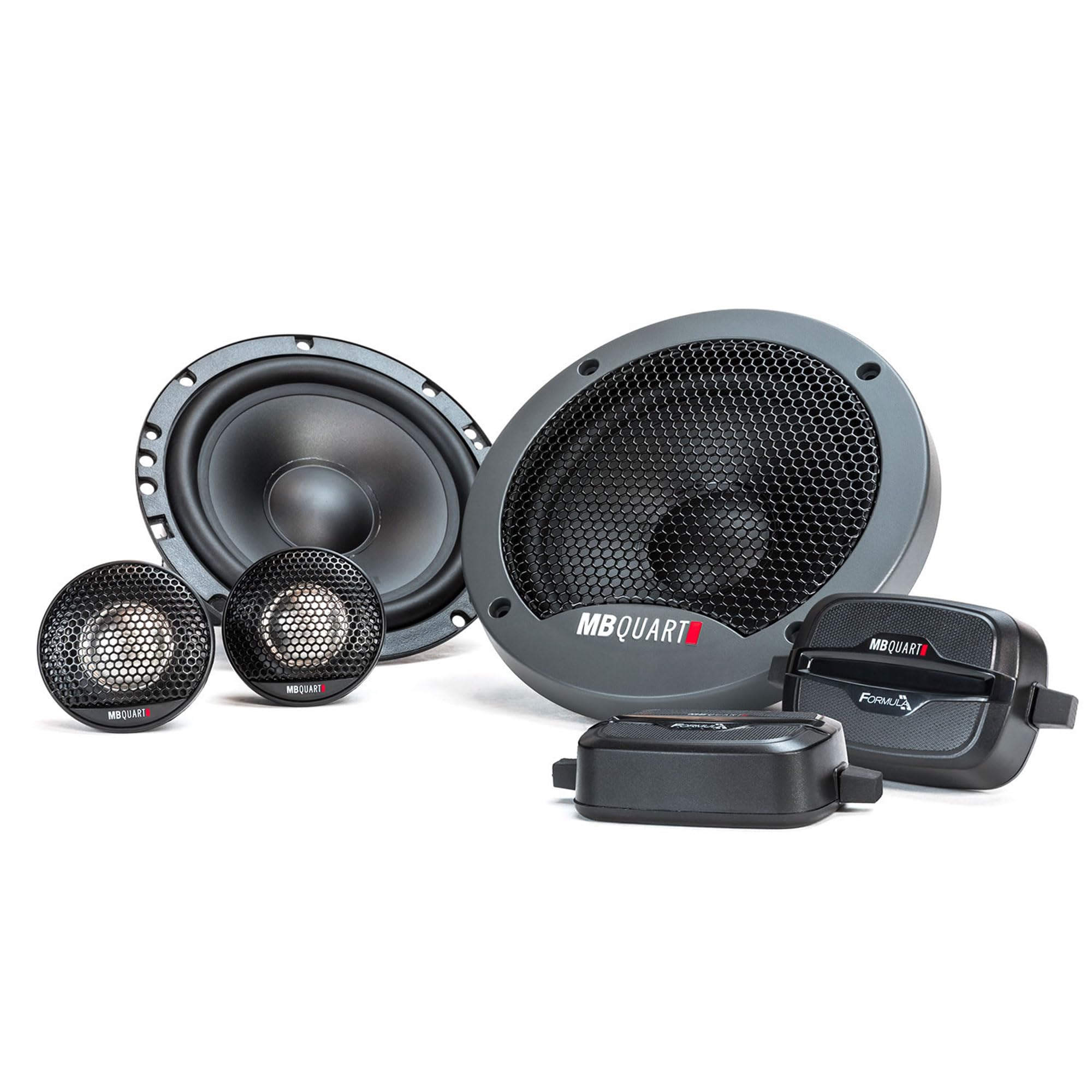
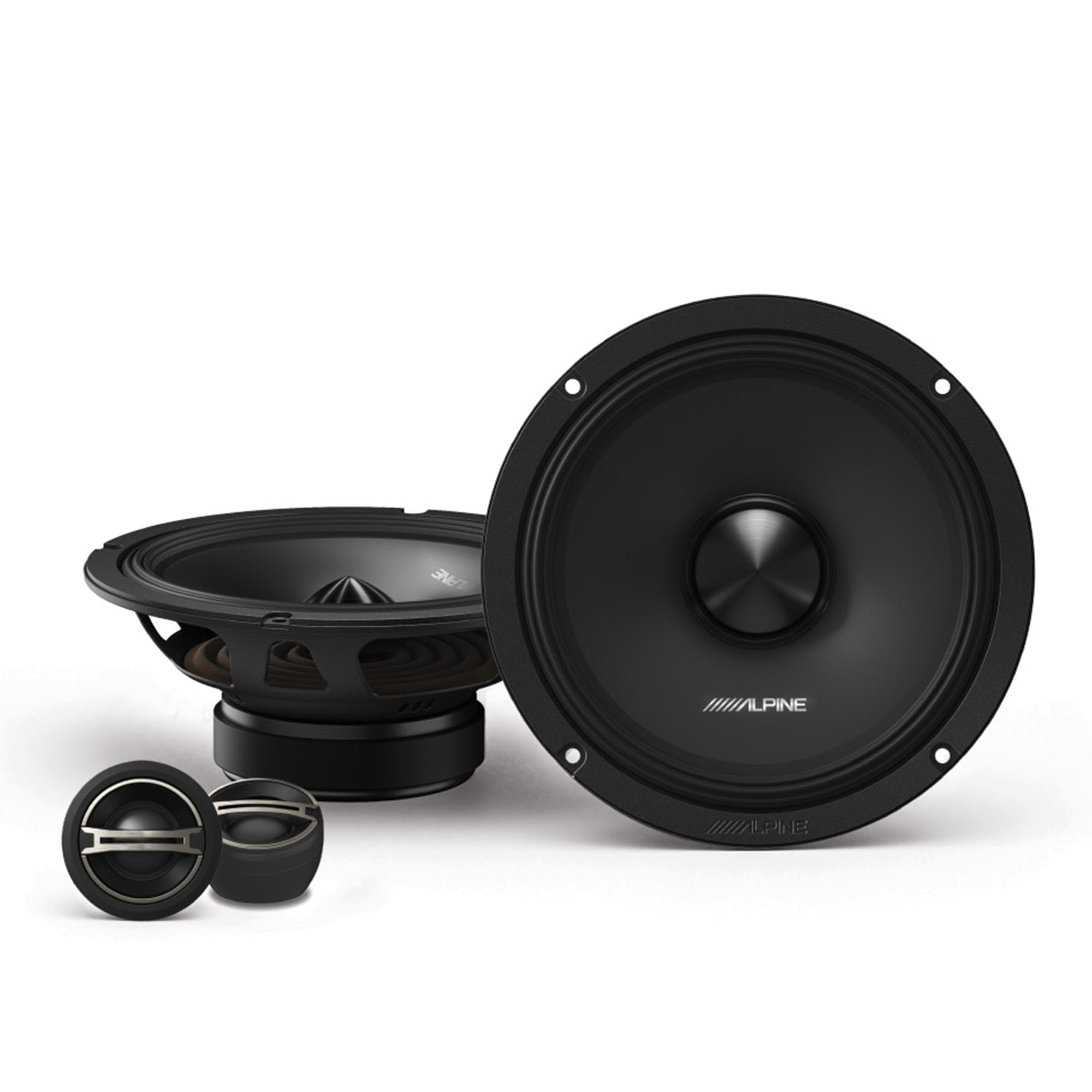
The best car audio component speakers start with what makes them different: separate woofers, tweeters, and crossovers instead of one combined speaker. That separation gives clearer vocals, sharper highs, and a wider soundstage than coaxial speakers. the product table above compares component speaker sizes and layouts side by side.
Component speakers suit listeners who care about clarity and imaging, and who are willing to invest in proper installation. They cost more and take more work to fit than coaxial speakers, but the sound difference is real, especially for vocals and acoustic music. This guide explains sizes, crossovers, power matching, and installation, so you can judge whether components suit your car and budget.




Who Should Choose Component Speakers
Music lovers who listen critically in the car benefit most. If you notice muddy vocals, harsh highs, or a flat soundstage, components address exactly those flaws. They suit rock, jazz, classical, and acoustic listeners especially, where vocal and instrument separation matters.
Casual listeners who mainly hear talk radio or background music may prefer simpler coaxial speakers. Components reward careful installation and tuning, so they suit owners who will invest that time or pay a professional. If your car has factory tweeter locations in pillars or doors, components fit more naturally.
How Component Systems Work
A component system splits sound by frequency. The woofer handles midrange and midbass, the tweeter handles highs, and the crossover directs each frequency to the right driver. That separation reduces distortion and lets each driver do one job well. Two way systems use a woofer and tweeter, while three way systems add a dedicated midrange driver for even clearer vocals.
Crossovers come as passive units included with the set, or active setups run from a digital processor and separate amplifier channels. Passive crossovers are simpler and suit most installs. Active setups give precise tuning control but need more amplifier channels, knowledge, and budget. Start passive unless you already run a processor based system.
Sizes and Power Matching
Common component sizes include 5.25 inch, 6.5 inch, and 6 by 9 inch sets, and your car door or factory location decides which fits. Measure mounting depth and cutout diameter before you order, since shallow doors limit options. Adapter rings and spacers can solve some fit problems, but very deep woofers may foul window mechanisms.
Match power sensibly. Component speakers usually handle more power than coaxial sets and sound best with an external amplifier, not just a head unit. Check the RMS power rating, not the peak number, and pair with an amplifier that delivers clean power in that range. Underpowering with distortion damages speakers more often than clean, ample power does.
Installation and Tuning
Installation quality shapes component sound as much as the speakers themselves. Solid mounting, sealed door panels, and sound deadening reduce rattles and improve midbass dramatically. Tweeter placement matters: pillar or dash locations near ear height image better than low door positions. Aim tweeters toward the listener for the best soundstage.
After fitting, set crossover points and levels carefully, and listen with familiar music. Avoid extreme bass boost, which muddies vocals and strains woofers. A subwoofer handles deep bass better than door woofers, so let components focus on midrange and highs. If wiring or door panels intimidate you, a professional install is money well spent.
A Final Check Before You Order
Before you order, measure your car speaker locations carefully: cutout diameter, mounting depth, and clearance behind the speaker for window mechanisms and door bars. Component woofers vary in depth, and a woofer that looks right on paper can foul a window regulator when the window drops. Check a fit guide for your exact car model and year, and confirm tweeter locations in pillars or dash corners.
Compare crossover quality and flexibility, since the crossover shapes the sound as much as the drivers. Look for adjustable tweeter level controls, which let you tame bright highs in cars with lots of glass, and check whether the crossover mounts neatly inside the door or needs a separate protected spot. A crossover rattling loose inside a door will buzz and eventually fail.
Finally, budget the full install: speakers, amplifier, wiring, adapter rings, sound deadening, and professional fitting if you will not do it yourself. A component set bought without install budget often ends up fitted poorly on head unit power, which wastes its potential. Price the system complete, and buy from a seller with a warranty and a return policy.
Getting the Most From Your Choice
Once your components arrive, plan the install carefully: solid mounting rings, sealed door panels, sound deadening, and tweeter aim toward the listener. Test tweeter positions temporarily with tape before fixing them permanently, since a small aim change transforms the soundstage. Listen with familiar music at each stage, so you hear what each install step improves.
Tune patiently after fitting: set crossover points, balance levels, and adjust tweeter level gently, listening across genres at normal volume. Avoid extreme equaliser boosts, which strain drivers and muddy vocals, and let a subwoofer handle deep bass so components focus on midrange and highs. A well tuned system sounds balanced at low volume as well as loud.
Maintain the system by checking door panels for new rattles after a few weeks, since clips and trim settle after an install. Tighten loose fixings promptly, and keep amplifier gains set where you tuned them, resisting the urge to crank gains for more volume. Clean, well maintained components deliver clarity for years of driving.
Related Buying Guides
Component sets sit between simple coaxials and a full system. Our guides to the best car audio speakers and best component speakers for car cover the wider choice, while voice speakers, sound quality picks, and door speakers help if you are weighing a simpler swap.
Frequently Asked Questions
What is the difference between component and coaxial car speakers?
Component speakers separate the woofer, tweeter, and crossover into distinct parts, which gives clearer vocals, sharper highs, and a wider soundstage. Coaxial speakers combine woofer and tweeter in one unit, which is simpler and cheaper to fit but less clear. Components suit critical listeners who invest in installation, while coaxials suit simple upgrades and casual listening.
Do component speakers need an amplifier?
Component speakers sound best with an external amplifier, since they usually handle more power and need clean power to show their clarity. A head unit alone can drive them quietly, but the sound stays thin and strained at volume. Match the amplifier RMS power to the speaker rating, and avoid distortion from an underpowered source, which damages speakers more often than ample clean power.
What size component speakers fit my car?
Your car door or factory speaker location decides the size, with 6.5 inch sets fitting most cars and 5.25 inch sets fitting smaller doors. Measure mounting depth and cutout diameter before you order, since shallow doors limit options. Adapter rings and spacers solve some fit problems, but very deep woofers may foul window mechanisms. Check a fit guide for your exact car model and year.
Where should I mount component tweeters?
Mount tweeters high, in pillars, dash corners, or factory tweeter locations near ear height, for the best soundstage and imaging. Aim them toward the listener rather than flat against glass, which causes harsh reflections. Avoid low door positions, which pull the soundstage down. If your car has factory tweeter pods, use them first, since they were designed for that location.
Are component speakers worth the extra cost?
Component speakers are worth it if you listen critically, value vocal clarity and imaging, and will invest in proper installation and amplification. The sound difference over coaxial speakers is real, especially for acoustic, jazz, and vocal music. If you mainly hear talk radio or background music, or want a simple swap, coaxial speakers give better value with far less work.
Final Thoughts
Choosing the best car audio component speakers means matching size, power, and installation to your car and listening habits. Separate drivers and crossovers deliver clarity that coaxial speakers cannot match, but only with solid mounting and clean power. The product table above can help you compare sizes side by side. Measure first, deaden the doors, and enjoy vocals and instruments with new clarity.


