
Best Car Speakers for Bass Without Amp 2026: What Matters on Factory Power
Disclosure: We may earn a commission when you buy through links on this page, at no extra cost to you. As an Amazon Associate I earn from qualifying purchases. Learn more

Efficiency beats peak power on a stock radio. See how sensitivity, cone size and fit decide the best car speakers for bass without amp for factory head units.
Strong bass from a factory head unit is a physics problem before it is a shopping problem. With only modest power on tap, cone size, sensitivity, and fit decide how much low end you actually hear. This checklist for the best car speakers for bass without amp shows you how to judge each option before you buy. Start with the comparison table below, then work through the evaluation points in order and note which ones your current doors and rear deck can support.
The good news is that a well matched speaker set can add real fullness without an amplifier, extra wiring, or lost trunk space. The key is choosing efficiency over headline power numbers every time.
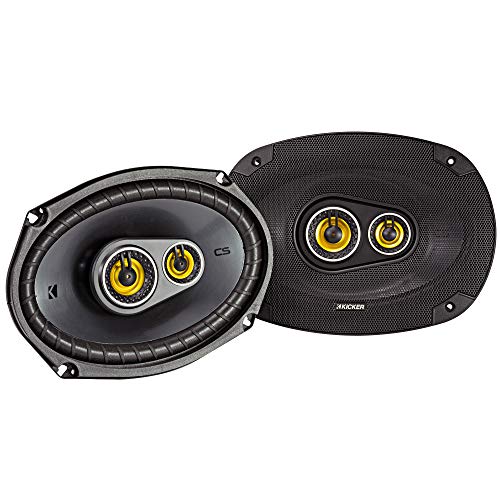

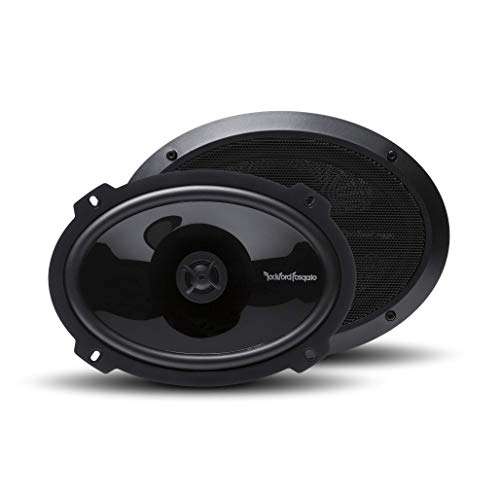


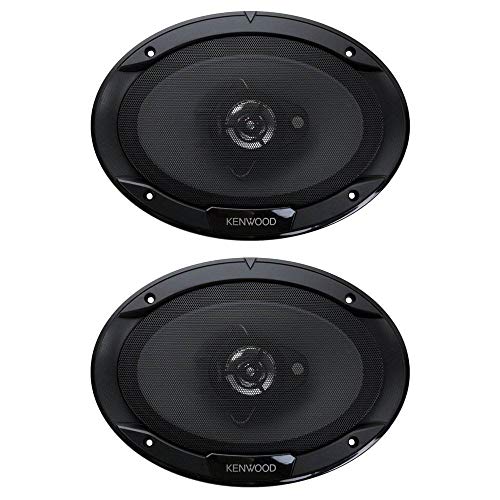
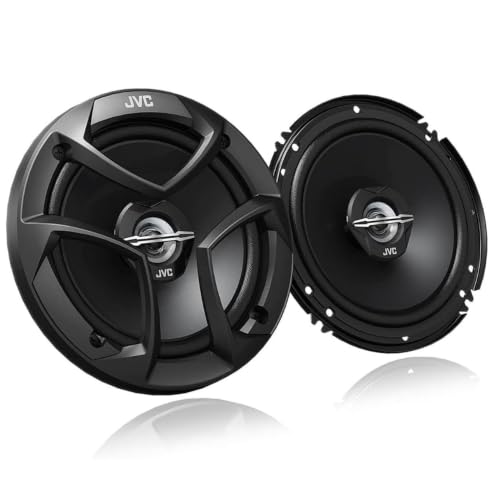


How to Evaluate Car Speakers: A Buyer Checklist
Use the six checks below as a scoring sheet. A speaker that passes the first three will sound full on factory power. A speaker that fails sensitivity or fit will disappoint no matter how impressive its magnet looks in photos.
Features That Matter for Bass
Bass needs air movement, and air movement needs cone area plus efficient motion. Larger cones, especially 6x9 inch rear deck speakers, move more air per watt than small door speakers. Look for a low end response reaching toward about 45 to 55 Hz and a stiff, light cone that starts and stops cleanly. If you want the wider picture on low end design, our guide to the best car speakers for bass explains how cone area and enclosure volume work together in amplified and simple systems alike.
Why Choose a Car Speaker Without Amp
Skipping the amplifier keeps cost, wiring, and installation time down, and it preserves your factory controls and warranty position. The trade off is a lower ceiling on volume and deep bass, since a head unit alone cannot push large woofers hard. This route suits drivers who want fuller sound at normal listening levels rather than window shaking output. If that matches your goal, see our guide to the best car speakers without amp for more on living within factory power limits without giving up clarity.
Vehicle Compatibility
Confirm the sizes your car accepts in the doors and rear deck, plus mounting depth behind each panel. Many sedans take 6.5 inch front speakers and 6x9 inch rear speakers, a pairing that helps bass because the larger rear cones handle low notes. Check impedance as well, since most factory systems expect 4 ohm speakers. Note your head unit type, because some factory premium systems use unusual impedance or active crossovers that limit your choices and may need adapters.
Ease of Installation
Most coaxial speakers in factory sizes are close to plug and play work with basic hand tools and panel clips. Budget about an hour per pair the first time you do it. The fiddly parts are brittle clips, tight door seals, and tweeter placement on component sets. Choose speakers that include or match common wiring adapters for your car, so you avoid cutting factory wires. If a set needs new holes or deep spacers to clear the window, count that time and cost before you call it a simple upgrade.
Features and Extras
Useful extras for this category are practical, not flashy. Foam sealing rings help press the speaker against the door panel and reduce lost bass through gaps. Included grilles matter on rear decks exposed to sun and cargo. Swivel tweeters on coaxial models let you aim high notes toward listeners, which restores balance when bass output rises. Treat decorative lighting or app controls as low priority here, because none of them move more air, and air movement is the whole point of this purchase.
Build Quality and Weather Resistance
Door and deck speakers face moisture, heat, and vibration for years. Rubber surrounds survive that cycle far better than foam, and polypropylene or treated fiber cones resist humidity that warps plain paper. A rigid basket keeps the voice coil aligned under strong bass strokes, which protects the speaker from rubbing and distortion. Terminals should feel firm and accept standard connectors without looseness. In hot climates, rear deck speakers also bake in direct sun, so UV resistant cone materials are worth a small premium.
Three Speaker Setups That Meet the Checklist
Instead of chasing model names, shop by setup type. Each setup below describes what to look for, what it generally costs, and where its limits show up on factory power.
Balanced Full Range Setup
This setup pairs efficient 6.5 inch front speakers with 6x9 inch rear speakers, usually for about $120 to $220 in total. The fronts keep vocals clear while the larger rears supply most of the low end weight. Look for sensitivity of about 92 dB or higher across the set and RMS ratings that match head unit output of roughly 15 to 25 watts per channel. For most sedans, this is the most satisfying no amplifier arrangement.
Value Setup for Factory Power
A value setup replaces only the weakest link first, often the rear deck pair, for about $60 to $110. Factory front speakers in many cars are acceptable, while rear speakers are frequently thin and quiet. One efficient 6x9 pair with rubber surrounds and honest sensitivity figures can transform fullness for modest money. The limit is balance: if the new rears overwhelm weak fronts, vocals can feel distant.
Compact Setup for Small Cabins
Small hatchbacks and two door cars often lack a rear deck, so this setup uses efficient 6.5 inch speakers at all four corners, usually for about $100 to $180. Choose models with strong mid bass response down toward 55 Hz and shallow mounting depth for tight doors. A small cabin helps you here, because less air volume is easier to fill with bass at low power. The limit is ultimate depth, so set expectations toward punch and warmth rather than subwoofer style rumble.
Quick Buyer Checklist
Answer each question before you order.
- Is sensitivity listed at about 91 dB or higher, so factory power can drive the speaker properly?
- Does the RMS range include the 15 to 25 watts per channel that most head units supply?
- Have you confirmed diameter and mounting depth for every location you plan to change?
- Is impedance a safe match for your factory system, usually 4 ohm?
- Do the cones use rubber surrounds and moisture resistant materials for door life?
- Does the low end response reach toward 55 Hz or lower for the larger speakers in the set?
- Can you add foam seals or deadening later if the first listen reveals rattles?
Red Flags to Watch For
Weak products in this category share a few warning signs. Spotting them early protects both your money and your Saturday installation plans.
- Huge peak watt claims with no RMS figure, or an RMS figure far above any head unit output.
- No sensitivity rating at all, which usually means the number would not impress you.
- Vague frequency response with no test conditions, such as a claim of 20 Hz from a small door speaker.
- Very short warranty coverage paired with foam surrounds and thin, flexible baskets.
- Listings that promise subwoofer depth with no amplifier and no subwoofer, which physics does not support. Our guide to the best car speakers for bass without subwoofer sets realistic limits for what door and deck speakers can do alone.
Best Car Speakers for Specific Needs
Best 6x9 Car Speakers for Bass without Amp: What to Check
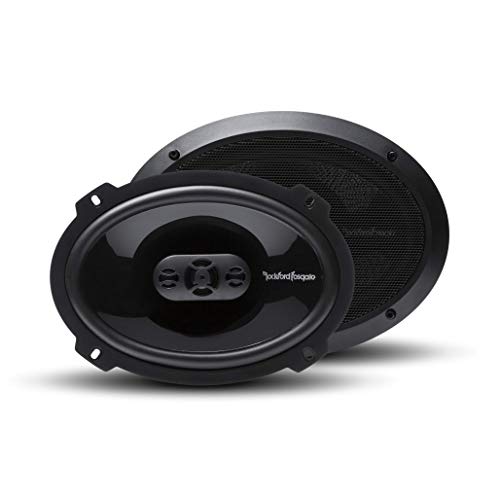
When you shop for the best 6x9 car speakers for bass without amp options, focus on three checks that smaller sizes cannot match. First, confirm your rear deck truly takes the 6x9 oval shape and has depth for the larger magnet. Second, favor sensitivity at or above 92 dB, because the big cone only pays off if factory power can move it. Third, look for a low end rating near 45 to 50 Hz with rubber surrounds. For size specific comparisons, see our guide to the best 6x9 speakers for bass without amp and our guide to the best 6x9 car speakers without amp before you decide.
Tips to Get the Most From Your Car Speaker
Seal the speaker to the door or deck with foam tape so air pressure works for you instead of leaking behind the panel. Set bass boost and loudness controls to off at first, because boost at low power mostly adds distortion. If a door rattles on strong notes, a small piece of deadening behind the speaker usually fixes it.
Frequently Asked Questions
What features matter most in car speakers for bass?
Sensitivity and cone area matter most when power is limited. A rating around 92 dB or higher lets a factory head unit produce real fullness, and larger cones move the air that bass requires. Rubber surrounds and a stiff cone protect that performance over time. Also check the low end response figure, but treat maker claims as a guide rather than a promise, and weigh sensitivity more heavily in close calls.
How long do bass focused car speakers last?
Expect about five to eight years from a decent set in daily use. Heat on a rear deck and moisture in doors are the main aging factors, so material choice matters more than brand. Rubber surrounds and coated cones age slowly, while foam surrounds can fail much sooner in hot climates. Playing at sensible volume also helps, because constant distortion heats voice coils and shortens life even when the speaker still looks fine.
Will bass focused car speakers fit my vehicle?
They will fit when diameter, depth, and impedance all match your car. Measure depth with the window down on door locations, since glass travel is the clearance most buyers forget. Rear deck 6x9 locations are usually generous, but trunk springs and parcel shelf shape can intrude. Adapter rings solve many small mismatches. If a listing cannot state mounting depth clearly, treat that as a reason to choose a better documented option.
Do I need professional installation for bass focused car speakers?
Most coaxial replacements in factory sizes are realistic home jobs with panel tools and patience. Professional help is worth it when doors contain airbag sensors, factory amplifiers complicate wiring, or custom spacers are needed for deep magnets. An installer can also seal and deaden doors during the same visit, which improves bass more than a small step up in speaker price. Ask for the old speakers back if you may return the car to stock later.
What specs matter most for bass without an amplifier?
Sensitivity leads the list, followed by an RMS range that starts low enough for head unit power and a low end response that reaches toward 50 Hz on larger cones. Impedance should match your system, usually 4 ohm, because a mismatch can reduce output or strain a factory radio. Peak watts matter least of all. One extra check is cone material: stiff and light beats heavy and flashy when every watt has to count.
Our Verdict on Car Speakers for Bass Without Amp
On factory power, efficiency wins. Prioritize sensitivity near 92 dB or higher, the largest well fitted cones your car accepts, and durable surround materials, then compare the best car speakers for bass without amp in the product table above. That order of checks gives you the fullest sound a head unit can honestly deliver, without wiring an amplifier or giving up trunk space. Compare the best car speakers for bass without amp in the table above one last time before you order.


