
Best Car Speakers for Bass with Subwoofer 2026: Types Compared and How to Choose
Disclosure: We may earn a commission when you buy through links on this page, at no extra cost to you. As an Amazon Associate I earn from qualifying purchases. Learn more
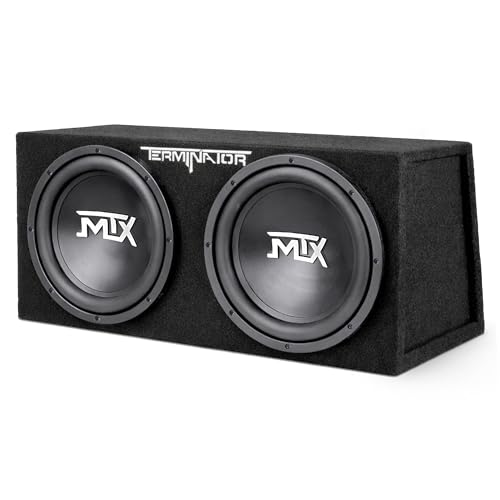
Compare speaker and subwoofer setups for the best car speakers for bass with subwoofer, covering enclosure size, power matching and fit in small trunks.
Door speakers alone rarely deliver the deep, physical bass that makes music feel complete in a car. Adding a subwoofer changes the whole system, but it also raises new questions about power, space, and which speakers pair well with a sub. This guide compares the main setup types so you can choose the best car speakers for bass with subwoofer for your vehicle and your trunk space.
The comparison table below outlines the tiers and typical prices. The sections after it explain how each type works, what it costs you in space and wiring, and who should choose it.
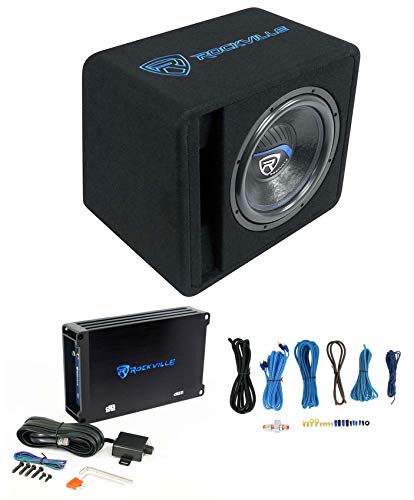
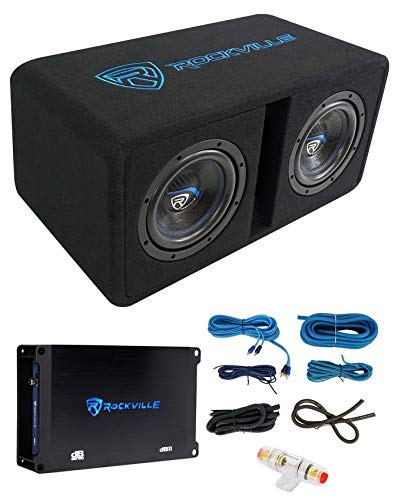

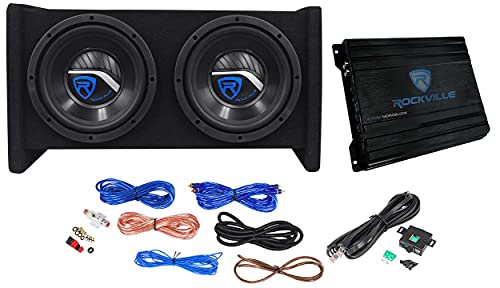




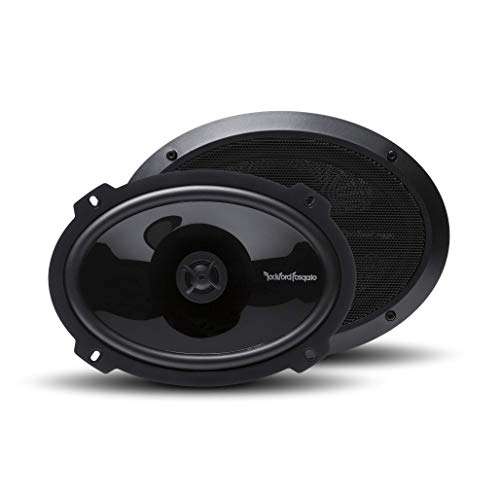
Types of Car Speakers Compared
Every setup here pairs door or deck speakers with a subwoofer, but the form differs a lot. Compact powered subs hide under a seat, component based systems spread parts across the car, budget builds reuse factory locations, and premium builds add separate amplifiers and enclosures. Total system cost can run from about $150 for a simple powered sub added to decent speakers, to well over $1,000 for a full premium build with fitting.
Compact and Portable Options
The compact route usually means a powered subwoofer in a slim enclosure that slides under a seat or against a trunk wall, paired with coaxial speakers in the factory spots. The amplifier is built into the sub unit, so wiring stays simpler and the whole bass unit can be removed when you need the space back. Bass output is modest but real, filling in the low notes your door speakers miss.
Choose this type if you lease your car, carry cargo often, or want a one weekend project. The trade off is depth and volume: a slim unit will not match a large box for very low, loud bass. For small cabins and moderate listening levels, though, it is often the smartest first step.
Pro Grade Options
Pro grade setups pair component speakers up front with a separate amplifier and a boxed subwoofer of about 10 or 12 inches in the trunk. The amplifier feeds each part the power it needs, crossovers keep deep bass out of the door speakers, and the doors can then play louder and cleaner through the midrange. Sound quality and output both jump compared with compact gear.
The costs are space, wiring effort, and money. A trunk box gives up cargo room, and power cable runs from the battery require care and a proper fuse. Choose this route if you listen loud, play bass heavy music, and plan to keep the car for years. Our guide to the best subwoofer speakers for car covers enclosure choices in more detail.
Budget and DIY Options
A budget build usually keeps the factory radio, upgrades the front speakers to efficient coaxial models, and adds a single subwoofer with a modest amplifier bought as a matched set. Many owners fit the parts themselves using vehicle specific harnesses, which keeps labor cost at zero. Done carefully, this path delivers most of the audible gain of a bigger system for a few hundred dollars.
The risk is mismatch. A sub amplifier that is far stronger than the speakers can swamp the cabin with bass while voices stay faint, and cheap wiring kits with thin cable can limit power and run warm. Buy the wiring kit by its true cable gauge, not its headline claim, and set levels patiently. If you are still deciding whether a sub belongs in your build at all, our guide to the best car speakers for bass without subwoofer shows what a sub free system can do.
Premium Options
Premium systems treat the car as a small listening room. They combine high grade component speakers, a strong multi channel amplifier plus a dedicated sub amplifier, a large or dual subwoofer setup, sound deadening in the doors and trunk, and often a digital signal processor for tuning. Bass becomes deep, tight, and even, and the whole system stays clean at high volume.
This tier costs the most in parts, fitting time, and tuning, and it can add real weight to the car. It suits committed listeners who hear the difference and will keep the vehicle long term. Everyone else will get better value from the pro grade tier, which captures most of the benefit at a fraction of the total spend.
Compact and Portable Options vs Pro Grade Options: Which Should You Choose?
Judge them on five points. For bass depth, the boxed pro grade sub wins clearly, reaching lower notes at higher volume. For space, compact wins, since an under seat unit leaves the trunk free. For fitting effort, compact wins again, with fewer cables and no separate amplifier mounting. For clarity at volume, pro grade wins because its door speakers are relieved of deep bass duty. For total cost, compact is far cheaper. Renters, commuters, and cargo haulers should start compact; music focused owners with spare trunk room should go pro grade from the start rather than buying twice.
How to Choose the Right Car Speaker
Warranty and Brand Support
Multi part systems make warranty terms matter more, since a failure can sit in the speakers, the amplifier, or the sub. Look for at least one year of coverage on each part and clear terms for self fitted gear. Brands that publish wiring diagrams and crossover settings for their own matched sets make setup easier and support calls shorter. Keep every receipt in one folder, and register products when the maker offers it, because amplifier warranties sometimes extend with registration.
Vehicle Compatibility
Confirm speaker sizes and mounting depth for each location, then check the electrical side. A factory radio without preamp outputs needs an amplifier with speaker level inputs or a separate converter, which is a compatibility point many buyers miss. Alternator capacity also matters for large systems: very powerful amplifiers can dim lights on small cars, a sign the charging system is strained. Finally, measure the trunk or under seat space with a tape before ordering any enclosure, and allow room for the amplifier to cool.
Why Choose a Car Speaker With Subwoofer
A subwoofer handles roughly the lowest range of music, about 20 to 80 Hz, which door speakers reproduce weakly or not at all. Offloading those notes lets the door speakers play the midrange cleaner and louder with less distortion. You feel kick drums and bass lines instead of merely hearing a hint of them. The honest limits are cost, space, and fitting effort. If your listening is mostly talk radio and podcasts at low volume, a sub adds little, and better door speakers alone will serve you well. Our guide to the best car speakers for bass helps you judge how much low end you truly need.
Performance Specs
Match RMS ratings across the system: the subwoofer RMS handling, the amplifier RMS output at the sub impedance, and the door speaker RMS per channel should sit in the same sensible range. Sensitivity near 90 dB or higher helps door speakers keep up with the sub on modest power. Check the sub enclosure volume the maker specifies, because the same sub sounds boomy in a wrong sized box and tight in the right one. Ignore peak power figures when comparing, since they describe a momentary burst and not the sustained output that bass demands.
Features That Matter for Bass
Bass quality depends on control as much as power. An adjustable low pass filter lets you set where the sub hands off to the door speakers, and a phase switch helps blend the sub with the rest when its position causes cancellation. A wired remote level knob is genuinely useful, letting you trim bass for talk content or night driving without menu diving. On the speaker side, stiff cones and rubber surrounds keep mid bass accurate at volume. Shoppers comparing large door woofers can also read our guide to the best 6x9 car speakers for bass for size specific notes.
Setup and Care Tips
Safe setup starts with the manual for your car and your gear. Disconnect the battery before running power cable, fuse the amplifier power line near the battery, and keep signal cables away from power cables to avoid whine. Set gains by ear at moderate volume and stop before distortion, since a clipped signal can cook a sub voice coil quickly. Secure the enclosure so it cannot slide in a hard stop. Every few months, check terminals for looseness and listen for new rattles, which often trace to a loose panel clip rather than a failing speaker.
Frequently Asked Questions
What features matter most in car speakers for bass?
With a sub in the system, the door speakers matter most for mid bass punch and clarity rather than depth. Look for stiff cones, rubber surrounds, and sensitivity around 90 dB or higher so they keep pace with the sub. A proper low pass and high pass crossover setup matters just as much as the parts, because clean handoff between sub and speakers is what makes the system sound like one instrument instead of two.
What specs matter most?
RMS power match across sub, amplifier, and speakers matters most, followed by the sub enclosure volume the maker specifies. A sub in the correct box size plays deeper and tighter than a stronger sub in the wrong box. Also confirm impedance: wiring a sub to a lower impedance than the amplifier supports can send the amp into protection mode or damage it, so follow the wiring diagram for your exact voice coil setup.
Will it fit my vehicle?
The speakers fit when size and depth match your doors, and the sub fits when its enclosure clears your trunk or under seat space with room for cables and cooling. Measure both before ordering, and check seat travel over an under seat unit with the seat at its lowest and furthest back. Hatchback and SUV owners should also confirm the box will not block the spare tire well if they need roadside access to it.
How long does it last?
A well fitted system often serves eight to twelve years. Subwoofers usually fail from heat and distortion abuse rather than age alone, so sensible gain settings are the best lifespan tool you have. Rubber surrounds outlast foam, and amplifiers last longer when they can shed heat rather than baking under a seat with no airflow. A yearly check of terminals, fuses, and mounting screws catches most small problems before they become failures.
Do I need professional installation?
A powered under seat sub with harness adapters is a realistic home project for a careful owner. A full system with amplifier power cable through the firewall, component crossovers, and tuning is where professional fitting earns its fee, both for safety around airbags and battery wiring and for the final level setting. Many shops will also tune a system you fitted yourself for a modest charge, which is a good middle path. For more on pairing speakers with a sub as one system, see our guide to the best car speakers for bass and sound quality.
Wrapping Up on Car Speakers for Bass with Subwoofer
Pick the type that fits your space first, then match RMS power across sub, amplifier, and speakers, then set the crossovers with patience. Compact powered subs suit most drivers; boxed pro grade systems reward those who want real depth and volume. Use the best car speakers for bass with subwoofer in the product table above as your shortlist, confirm your measurements and power needs, and your system should deliver full, controlled bass on every drive. Compare the best car speakers for bass with subwoofer in the table above one last time before you order.


