
Best Car Audio Speakers for Sound Quality: 2026 Guide
Disclosure: We may earn a commission when you buy through links on this page, at no extra cost to you. As an Amazon Associate I earn from qualifying purchases. Learn more

Sound quality in a car comes from speakers, placement, and power together. Compare speaker types, materials, and tuning to get clearer, more balanced car sound.
If you want the best car audio speakers for sound quality, start with the whole system, not just the speakers. Great speakers in a rattling door with weak power still sound thin, while well installed mid range speakers with clean power can sound excellent. The product table above compares the main car speaker approaches side by side.
Car sound quality depends on speaker design, cone and tweeter materials, mounting, door treatment, and amplifier power. Road noise, glass reflections, and odd speaker positions all fight clarity. This guide explains each factor in plain language and helps you spend where it improves sound most, whether you upgrade speakers alone or plan a fuller system.





What Shapes Car Sound Quality
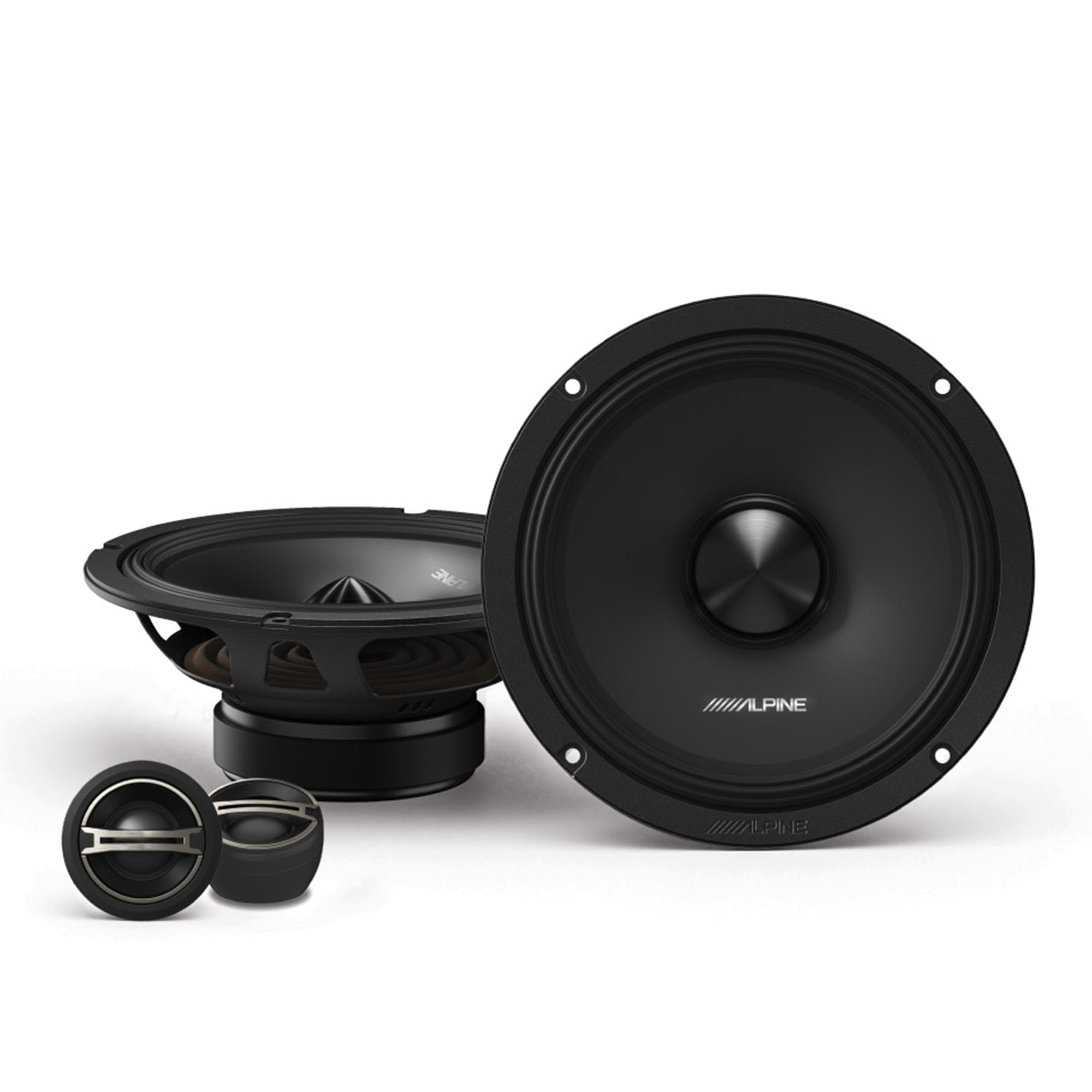
Speaker design comes first. Component speakers with separate tweeters image better than coaxial sets, since highs come from near ear height. Cone material shapes tone: polypropylene is smooth and durable, woven fibres add detail, and metal cones can sound crisp but harsh if poorly tuned. Tweeter material matters too: silk domes sound smooth, while metal domes sound detailed but can turn bright.
Mounting and doors matter as much as the speaker. A loosely mounted speaker wastes energy shaking the door instead of moving air. Sound deadening, sealed panels, and solid adapter rings tighten midbass and reduce rattles dramatically. Even the best speaker sounds mediocre in an untreated, buzzing door.
Power and Source Quality
Clean power is essential. A head unit alone delivers limited power, which strains at volume and distorts. An external amplifier gives headroom, so peaks stay clean and quiet passages stay detailed. Match amplifier RMS power to the speaker rating, and set gains carefully to avoid distortion.
Source quality caps everything downstream. Low bitrate streaming through a poor connection limits detail no speaker can recover. Use the highest quality source your system supports, whether that is a wired connection, high quality streaming, or lossless files. A good source through modest speakers beats a poor source through great speakers.
Speaker Types for Quality Listening
Component sets suit quality listeners best, with separate tweeters and crossovers for imaging and clarity. High quality coaxial speakers suit simpler installs and still improve greatly over factory speakers, especially with an amplifier. Subwoofers handle deep bass, freeing door speakers to focus on midrange and vocals, which cleans up the whole sound.
Factory premium systems vary widely. Some are genuinely good and only need a subwoofer or better tuning, while others benefit from a full speaker swap. Listen critically to your current system first and note what bothers you: muddy vocals, missing bass, harsh highs, or a flat soundstage. That diagnosis guides spending better than any brand list.
Tuning for Better Sound
Basic tuning transforms a system. Set crossover points so door speakers avoid deep bass they cannot reproduce cleanly, and let a subwoofer handle the lows. Balance left and right levels for your seating position, and use time alignment if your head unit offers it, so sound from each speaker arrives together.
Equaliser adjustments should be gentle. Cut problem frequencies rather than boosting everything, since heavy boosting strains speakers and adds distortion. Listen with familiar music across genres, and tune at normal listening volume, since settings that suit loud listening often sound wrong at quiet levels.
A Final Check Before You Order
Before you order, listen critically to your current system and write down exactly what bothers you: muddy vocals, missing bass, harsh highs, a flat soundstage, or distortion at volume. That diagnosis guides spending far better than any brand ranking, since different flaws need different fixes. A system with muddy vocals needs better midrange and door treatment, while a system with no bass needs a subwoofer more than new door speakers.
Check your car factory system type, since some cars use unusual impedances, integrated amplifiers, or digital signal processing that complicate upgrades. Research your exact model and year for known upgrade paths, adapter harnesses, and warning chimes or safety sounds that run through the factory speakers. A little model specific research prevents expensive surprises during fitting.
Finally, set a system budget that includes installation and deadening, not just speakers. A mid range speaker set with proper fitting and an amplifier usually beats a premium set fitted poorly, so allocate money across the whole system. Buy from a seller with a warranty, and keep packaging until the system is fitted and tested.
Getting the Most From Your Choice
Once your speakers arrive, fit them with care: solid rings, sealed panels, deadening, and clean wiring with proper connectors rather than twisted tape joints. Test each speaker before refitting door trims, since finding a wiring fault after reassembly wastes hours. Listen with familiar music and note improvements against your original complaint list.
Tune the system in stages: first set crossovers and gains, then balance and time alignment if available, then gentle equaliser adjustments. Listen at normal driving volume with road noise present, since a system tuned in a silent garage often sounds wrong on the road. Revisit tuning after a week, since ears adapt and initial excitement fades.
Protect your investment by keeping gains set, checking for rattles after the install settles, and using the best source quality your system supports. Low bitrate streaming caps detail no speaker can recover, so use wired connections or high quality streaming where possible. A balanced, well maintained system rewards you on every drive.
Related Buying Guides
Sound quality is a system result, so it helps to read around it. The best car audio speakers and best car speakers for sound quality guides cover the basics, bass and sound quality looks at balance, and the pages on voice speakers and 6x9 speakers suit specific cars.
Frequently Asked Questions
What matters most for car sound quality?
Speaker design, mounting, and clean power matter most together. Component speakers image better than coaxial sets, solid mounting and door deadening tighten midbass, and an external amplifier gives clean headroom. Source quality caps everything, so use the best source your system supports. No single upgrade fixes a system alone, so balance speakers, installation, and power rather than spending everything on one part.
Are expensive car speakers worth it?
Expensive speakers are worth it only with good installation and clean power. A well installed mid range set with an amplifier often beats a premium set fitted loosely on head unit power. Spend first on solid mounting, door treatment, and an amplifier, then on speakers. If your budget forces a choice, a mid range component set with proper installation gives better value than a premium set fitted poorly.
Do I need an amplifier for better car sound?
An amplifier helps greatly for sound quality, since it gives clean headroom that a head unit cannot match. Music peaks stay clean, quiet details emerge, and distortion at volume drops sharply. Match amplifier RMS power to your speakers and set gains carefully. Even a modest amplifier transforms factory or aftermarket speakers, and it protects them from the distortion that damages speakers most.
How does sound deadening improve car audio?
Sound deadening reduces door panel vibration and rattles, so speaker energy moves air instead of shaking metal. It tightens midbass, lowers road noise, and lets you hear detail at lower volumes. Apply it to outer and inner door skins around the speaker, and seal large holes in the inner panel. Even a basic treatment of the front doors improves sound more than many speaker upgrades alone.
What speaker material sounds best in a car?
No single material sounds best for everyone. Polypropylene cones sound smooth and durable, woven fibre cones add detail, and metal cones sound crisp but can turn harsh if poorly tuned. Silk dome tweeters sound smooth and forgiving, while metal domes sound detailed but brighter. Listen to sets with familiar music if you can, and trust your ears over material claims, since tuning and installation shape the result as much as materials.
Final Thoughts
Getting the best car audio speakers for sound quality means balancing speakers, mounting, power, and source. Components image best, deadened doors tighten bass, clean amplification prevents distortion, and a good source preserves detail. The product table above can help you compare approaches side by side. Diagnose what bothers you now, spend where it helps most, and tune gently with familiar music.


