
Best Car Speakers for Bass and Sound 2026: Types Compared Side by Side
Disclosure: We may earn a commission when you buy through links on this page, at no extra cost to you. As an Amazon Associate I earn from qualifying purchases. Learn more

Compare coaxial, component and premium types to choose the best car speakers for bass and sound, with price ranges, fit checks and power matching explained.
Factory speakers usually fail in two places at once: the bass turns thin and muddy, and voices lose clarity when you raise the volume. Sorting replacements is confusing because size, power ratings, and speaker type all change the result. This guide compares the main types plainly, so the best car speakers for bass and sound for your car becomes a fit and power decision rather than a guess.
Start with the comparison table below for price tiers and types. Then read on for the specs that actually predict bass depth and clean sound in a real cabin.
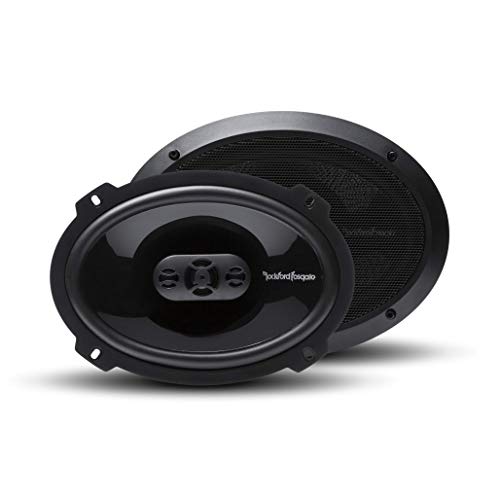

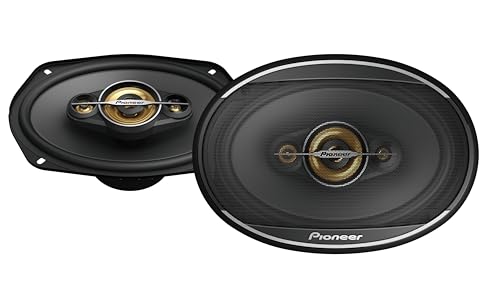

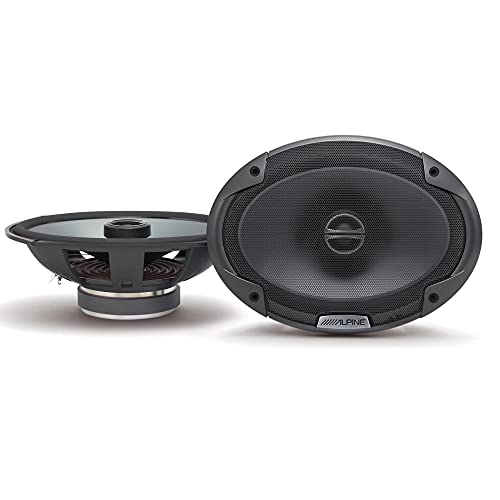


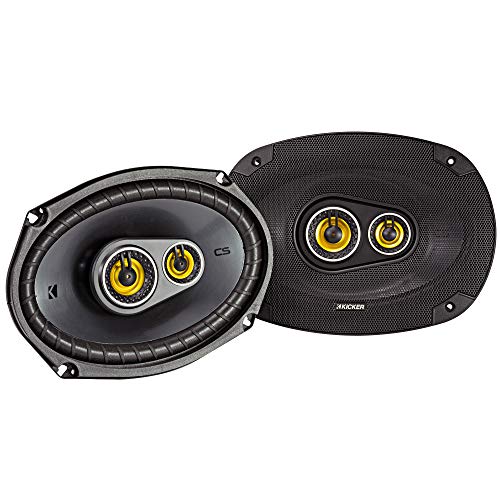

Types of Car Speakers Compared
Three broad tiers cover the market. Compact options focus on easy fitting and modest cost, often around $40 to $120 a pair. Pro grade component sets separate the woofer and tweeter for cleaner staging, often around $120 to $350. Premium options add stronger materials and higher power handling, often above $350 a pair before amplification.
Compact and Portable Options
In car audio, the compact route usually means coaxial speakers that combine a woofer and a small tweeter in one unit that drops into the factory door or dash location. They need little power, so most run well from a standard head unit without an added amplifier. Fitting is fast, and many owners can swap a pair in an afternoon with basic trim tools.
The limit is bass depth. A small coaxial cone in a thin door cannot move much air, so low notes sound lighter than the ratings suggest. Choose this tier if your factory speakers are worn out and you want a clear step up in clarity and modest punch for daily driving, not window shaking bass.
Pro Grade Options
Pro grade in this category usually means component sets, where the woofer sits in the door and a separate tweeter mounts higher on the dash, door top, or A pillar. A small crossover network sends low notes to the woofer and high notes to the tweeter, which lifts voices and instruments to ear level. The result is a wider, cleaner sound stage than any single point speaker can give.
These sets ask more of you: more fitting time, more wiring, and usually an amplifier to reach their best. Prices and effort rise, but so does control. Pick this tier if you listen closely, play varied music loudly, and plan to keep the car long enough to enjoy the work. Our guide to the best car door speakers for bass and sound quality goes deeper on door placement in particular.
Premium Options
Premium speakers use stiffer, lighter cones, larger voice coils, and silk or metal dome tweeters tuned for smooth highs. They handle more continuous power, stay composed at volume, and pair naturally with a separate subwoofer that covers the lowest octave. Build quality also improves, with better terminals and weather resistant treatments for door use.
The catch is the system around them. A premium pair fed by a weak factory radio will not justify its price, so budget for amplification and door sound deadening as part of the same job. Choose premium when you are building a full system step by step and want speakers you will not outgrow. Shoppers focused on one popular size can compare notes in our guide to the best 6x9 car speakers for bass and sound quality.
Compact and Portable Options vs Pro Grade Options: Which Should You Choose?
Compare them on five points. On cost, compact coaxial sets win easily, with lower prices and no amplifier needed. On clarity, component sets win because the raised tweeter puts voices at ear level. On bass, neither reaches truly low notes alone, but the larger woofers in component sets usually play deeper and cleaner at volume. On fitting effort, coaxial sets are far simpler. On upgrade path, component sets grow with an amplifier and a subwoofer, while coaxial sets are often the end of the road. If you want a weekend fix, go compact. If you want a system that keeps improving, start with components.
How to Choose the Right Car Speaker
Vehicle Compatibility
Fit comes before sound. Check your car year, model, and factory speaker sizes for each location, since doors, dash, and rear decks often use different sizes in the same car. Note mounting depth as well, because a deeper magnet can hit the window mechanism inside the door. Adapter brackets and wiring harnesses made for your vehicle let most swaps stay plug and play without cutting factory wires. If a seller lists fit by vehicle, still confirm the size with your owner manual or a trusted fit guide before ordering.
Features That Matter for Bass and Sound
Bass and balanced sound together need three things: cone area, controlled movement, and clean highs. A larger woofer, such as a 6.5 inch or 6x9 inch unit, moves more air and plays lower than a small dash speaker. A rubber surround lasts longer and controls the cone better than foam. For sound quality, look for a balanced frequency response rather than a boosted low end on paper, and a tweeter material that stays smooth rather than harsh. Readers weighing the two goals separately may find our guide to the best car speakers for bass helpful for the low end side.
Performance Specs
Read RMS watts first, because that figure describes continuous power the speaker can handle, while peak watts only describe a brief burst. Match speaker RMS ratings to your radio or amplifier output per channel so neither side is badly mismatched. Sensitivity matters just as much: a rating around 90 dB or higher means the speaker plays louder on modest power, which suits factory radios. Impedance is usually 4 ohms in car audio, and mixing ratings can overload a small amplifier. Frequency response that reaches near 50 Hz suggests useful mid bass, though no door speaker replaces a subwoofer below that range.
Features and Extras
Useful extras protect the sound you paid for. Grilles matter in rear decks and low door spots where cargo and feet can strike the cone. Swivel tweeters on some coaxial models let you aim high notes toward the seats instead of the windshield. Weather resistant cones and treated surrounds help in doors, which are damp places by design. Built in crossovers on component sets should be sturdy and easy to mount out of sight. Skip flashy extras like light rings if the budget trade off costs you cone quality or power handling.
Warranty and Brand Support
A warranty of at least one year is standard, and better brands offer two years plus real support channels. Keep proof of purchase and note whether the warranty requires fitting by an authorized shop, since some brands treat self fitting differently. Support matters after the sale too: clear wiring diagrams, spare grilles, and replacement tweeters extend the life of a component set. Buying from a seller with a fair return window also protects you if the fit guide proves wrong for your trim level.
Setup and Care Tips
Good fitting habits protect both sound and car. Disconnect the battery before wiring work, and check your owner manual for airbag locations in doors and pillars before removing trim near them. Set amplifier gain with care: raise volume slowly and back off at the first sign of distortion, since distortion destroys speakers faster than clean power does. Add simple door deadening pads behind the woofer if the panel buzzes. Every few months, listen at low volume for rattles or fading on one side, which can signal a loose connector. Keep spare fuses for any added amplifier in the glove box.
Frequently Asked Questions
What features matter most in car speakers for bass and sound?
Cone size, RMS power match, and tweeter placement matter most. A larger woofer with a rubber surround gives fuller mid bass, while a sensitivity rating near or above 90 dB keeps the speaker lively on factory power. If voices matter as much as bass, favor a component set or a coaxial model with an aimable tweeter, because high notes are directional and suffer when fired at your ankles from a low door mount.
Do I need professional installation?
Not always. A coaxial swap with vehicle specific harnesses is within reach for a careful owner with trim tools and an hour or two. Component sets, amplifiers, and subwoofers add wiring through the firewall and tuning steps that many owners prefer to hand to a shop. If your car has airbags in the A pillars or complex door modules, professional fitting is the safer choice, and the labor cost often includes a distortion check when the job is done.
Will it fit my vehicle?
It will fit if size, depth, and impedance all match your car. Confirm the factory size for the exact location, measure mounting depth behind the panel if space is tight, and check that the speaker impedance suits your radio or amplifier. Trim level matters because premium factory systems sometimes use unusual sizes or low impedance speakers. When a fit guide conflicts with your manual, trust the manual and the measurements you take yourself.
What specs matter most?
RMS power handling, sensitivity, and frequency response tell you the most, in that order. Match RMS numbers to your power source, choose sensitivity around 90 dB or higher for a factory radio, and look for response reaching toward 50 Hz for honest mid bass. Ignore peak power claims in large print, since they describe a split second burst rather than daily use. Our guide to the best car speakers for sound quality explains response curves in more depth.
How long does it last?
A quality car speaker often lasts eight to twelve years in normal use. Heat, moisture in the doors, and playing into distortion shorten that span, while foam surrounds age faster than rubber ones. Listen for buzzing, scratchy notes at low volume, or one side playing softer than the other, all signs that a cone or voice coil is failing. Gentle volume habits and dry, secure mounting do more for lifespan than any single spec.
The Bottom Line on Car Speakers for Bass and Sound
Decide by fit, power match, and tweeter placement, and the rest falls into place. Compact coaxial sets refresh a tired factory system cheaply, while component sets reward you with a real sound stage and a path to add bass later. Whichever route you take, let the best car speakers for bass and sound in the product table above be your shortlist, then confirm size and RMS ratings against your own car before you buy. If your main goal leans toward clarity first, compare your shortlist with our guide to the best speakers for bass and sound quality before deciding. Compare the best car speakers for bass and sound in the table above one last time before you order.


