
Best Car Audio Door Speakers: Fit, Power and Materials Checklist for 2026
Disclosure: We may earn a commission when you buy through links on this page, at no extra cost to you. As an Amazon Associate I earn from qualifying purchases. Learn more

Use this checklist for the best car audio door speakers, covering fit, RMS power, cone materials and install steps for clean sound in any car door.
Door speakers fail buyers in predictable ways. They are the wrong depth, they distort at highway volume, or they sound thin because nobody checked the power rating against the radio. A clear checklist prevents all three problems, and that is how this guide approaches the best car audio door speakers. You will learn the specs that matter, the thresholds that separate strong speakers from weak ones, and the warning signs to walk away from.
Use the product table above as your shortlist, then run each candidate through the criteria that follow before you buy.


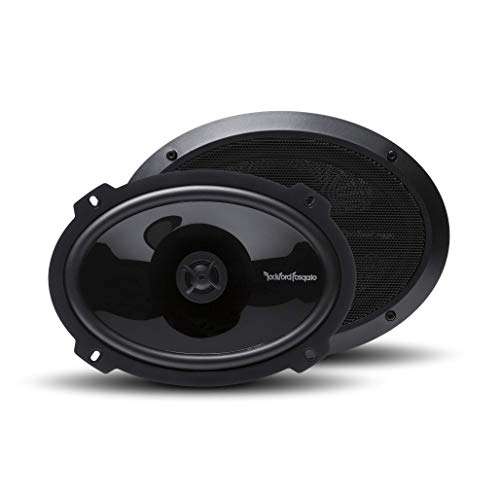

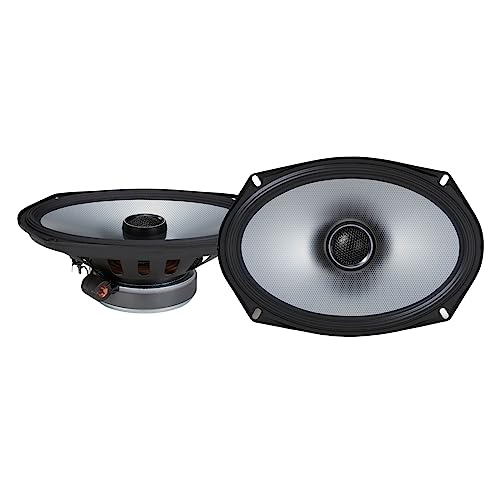


How We Evaluate Car Audio Door Speakers
Door speakers should be scored on fit first, because a brilliant speaker that hits the window glass is worthless. Sound quality comes next, judged by honest power ratings and sensible materials. If you want the broader category picture first, our guide to the best car audio speakers explains how door models differ from dash, rear deck, and full system upgrades.
Vehicle Compatibility
Compatibility starts with size. Most doors use 6.5 inch speakers, but many cars use 5.25 inch, 6 by 9 inch, or custom factory shapes. Measure the factory speaker and, more importantly, the mounting depth behind the panel, because window tracks and glass limit space. Check the mounting hole pattern and whether an adapter ring is included or sold separately. A speaker listed as fitting your model year can still need a bracket, so confirm the full install kit before ordering.
Performance Specs
Judge power by RMS watts, the continuous rating, and ignore the large peak number printed for marketing. A door speaker rated around 30 to 75 watts RMS suits most factory radios and modest amplifiers well. Sensitivity matters just as much. Speakers rated at 90 dB or higher play louder on low factory power, which is vital if you are not adding an amplifier. Frequency response that reaches near 60 Hz gives vocals and guitars real body. Listings in our guide to the best car door speakers for sound quality show how these numbers translate into clarity.
Safety Features
For speakers, safety means protecting both the product and your car. Correct polarity matters. Wiring a speaker with reversed polarity will not damage it, but the pair will play out of phase and bass will nearly vanish, so use marked adapters that preserve factory polarity. If you add an amplifier, demand an inline fuse near the battery and secure every wire away from door hinges and window mechanisms. Disconnect the negative battery terminal before you remove a door panel, since many doors hide airbag sensors and live wiring.
Features and Extras
Useful extras solve real install problems. Swivel or angled tweeters let you aim high frequencies toward your ears instead of your ankles, which sharpens vocals in low door locations. Included grilles protect cones in cars where the factory grille is part of the old speaker. Foam sealing rings and sound deadening pads stop panel buzz and push more sound into the cabin. Wiring harness adapters that plug into the factory connector are the most valuable extra of all, because they avoid cutting wires you may need later.
Warranty and Brand Support
A warranty of at least one year is the floor, and two or three years signals a maker that expects its surrounds and voice coils to last. Check what the warranty covers. Some exclude blown voice coils as misuse, which is exactly the failure door speakers suffer most. Brand support matters during installation too. Look for vehicle specific guides, responsive phone or chat help, and published depth and cutout dimensions. A maker that hides basic dimensions is telling you something about how it will handle a claim.
Build Quality and Weather Resistance
Doors are hostile places. They collect moisture from window seals, swing through wide temperature swings, and slam shut thousands of times. Polypropylene or treated paper cones shrug off humidity that warps untreated paper, and rubber surrounds outlast foam surrounds, which can crumble in hot climates. A rigid basket, often stamped steel or cast polymer, keeps the cone aligned at high volume. If your car lives outdoors in a wet region, favor speakers described as moisture resistant and add inexpensive baffle cups behind them for extra shielding.
Ease of Installation
Most door speaker swaps are beginner friendly with basic tools, a panel removal kit, and about an hour per door. True plug and play kits include the harness adapter and mounting ring, so the job is screws and clips only. Budget extra time if your car uses rivets to hold factory speakers, since drilling them out is common. Watch one video for your exact model before starting. Knowing where the hidden panel clips sit prevents the cracked trim that turns a cheap upgrade into an expensive one.
What Passing Our Checklist Looks Like at Three Levels
Rather than naming winners, use these three standards to judge any candidate in the product table above. A speaker that clears its level cleanly is a sound buy.
Overall Standard: What Great Looks Like
A great all around door speaker pairs a sensitivity of 90 dB or more with an RMS rating that matches your power source, a rubber surround, and a tweeter you can aim. It plays voices clearly at low volume and stays composed when you raise it for the highway. Expect to pay about $80 to $150 per pair. At this level you should not need an amplifier to hear a major improvement over factory speakers, though one will unlock more headroom later.
Value Standard: What Smart Spending Looks Like
A strong value speaker keeps the essentials and trims the extras. You still get a polypropylene cone, a balanced dome tweeter, and honest RMS ratings, but grilles may be plain and aimable tweeters may be absent. Prices around $40 to $80 per pair are typical. This level suits a second car, a teen driver, or anyone replacing a blown factory speaker. Shoppers chasing stronger low end on a budget can compare notes in our guide to the best car door speakers for bass before choosing larger sizes.
Shallow Mount Standard: What Tight Doors Need
Some doors, especially in compact cars and trucks, allow very little depth before the speaker magnet meets the window glass. Shallow mount designs solve this with slim baskets and smaller magnets, usually under about 2 inches of top mount depth. The trade off is modest bass, because a slim motor moves less air. Judge these speakers on fit and clarity rather than low end output, and pair them with a small subwoofer later if you want full range sound. Measure your door twice before ordering this style.
Quick Buyer Checklist
Answer each question before you check out. Any no deserves a second look at a different model or size.
- Have you confirmed the exact speaker size and mounting depth for your doors?
- Does the RMS rating match your radio or amplifier output without a huge gap?
- Is sensitivity at least 90 dB if you plan to keep factory power?
- Does the kit include or offer harness adapters for your vehicle?
- Are the cone and surround materials suited to a damp door environment?
- Can you return the speakers free if the fit is wrong?
- Have you budgeted for foam rings or deadening if your doors buzz now?
Red Flags to Watch For
Weak speakers announce themselves in the listing if you know where to look. Walk away from any product that leads with a huge peak watt number and hides the RMS rating in fine print or omits it entirely. Vague frequency response claims without a tolerance, such as no plus or minus dB figure, usually hide a thin sounding speaker. Extremely light magnets, foam surrounds at a premium price, and no published mounting depth are further warnings. Finally, treat a warranty under one year as a statement about expected lifespan, and price the speaker accordingly.
Setup and Care Tips
Check your owner manual or a vehicle database for factory speaker specs before you order anything. During installation, set your radio tone controls flat for the first week so you hear the speakers honestly, then adjust in small steps. Keep amplifier gains conservative, because distortion from an overdriven radio kills more speakers than clean power does. Once a year, listen at moderate volume with the engine off. New buzzing often means a loose screw or a failed foam ring, both cheap fixes if caught early.
Frequently Asked Questions
Will car audio door speakers fit my vehicle?
They will fit if the diameter, mounting depth, and hole pattern all match your door, and diameter alone is not enough. Many online fit guides list a size as compatible while assuming an adapter ring you must buy separately. One often missed check is the factory grille. Some cars mold the grille and speaker together, so a standard round replacement needs a spacer to sit at the right height behind the panel.
What specs matter most for car audio door speakers?
Sensitivity and RMS power matter most, because together they predict how loud and clean the speaker plays on your power source. After those, look at tweeter material. Silk domes sound smooth on long drives, while metal domes sound brighter and can fatigue some listeners. One spec buyers rarely check is impedance. Most car speakers are 4 ohm, but some 2 ohm or 3 ohm designs draw more power from factory radios and play noticeably louder without an amplifier.
How long do car audio door speakers last?
Quality door speakers commonly last five to ten years, with the surround and the environment deciding the real number. Cars parked outside in hot, humid regions wear foam surrounds fastest, while garaged cars in mild climates can keep speakers healthy far longer. A speaker that starts buzzing only on bass heavy songs is usually showing early surround or voice coil damage. Replacing just the damaged pair, rather than all four speakers, is fine if the others still sound clean.
Do I need professional installation for car audio door speakers?
No, most owners can install door speakers with basic tools, patience, and a vehicle specific video. Hire a professional if your doors contain airbags you must work around, if factory speakers are riveted and you own no drill, or if you are adding an amplifier at the same time. Shop labor often costs around $75 to $150 per pair. Ask the shop to return your factory speakers, so you can refit them if you sell the car.
The Bottom Line
Fit, honest RMS ratings, and humidity ready materials decide whether a door upgrade satisfies you a year from now. Run every candidate through the checklist, respect the red flags, and match the level to your power source and budget. When you compare the best car audio door speakers for your car, use the product table above to verify depth and sensitivity side by side, and the right choice will be easy to hear.


