
Best Canon Cameras Ranked: A First Time Buyer's Guide for 2026
Disclosure: We may earn a commission when you buy through links on this page, at no extra cost to you. As an Amazon Associate I earn from qualifying purchases. Learn more

Shopping for the best canon cameras ranked for the first time? Learn the terms, compare options, and avoid rookie mistakes with this easy guide.
Buying your first real camera can feel confusing because every listing throws numbers at you before you know what any of them mean. This guide slows things down. It explains the best canon cameras ranked in plain language, starting with the basics and ending with a simple way to match a camera to the photos you actually want to take.
You do not need the most expensive body or the longest spec list. You need a camera that fits your subjects, your budget, and your patience for learning. Use the comparison table below as a quick overview, then read the sections that follow to understand why one option may suit you better than another. That approach also shows why the best canon cameras ranked by price alone rarely suit every buyer.


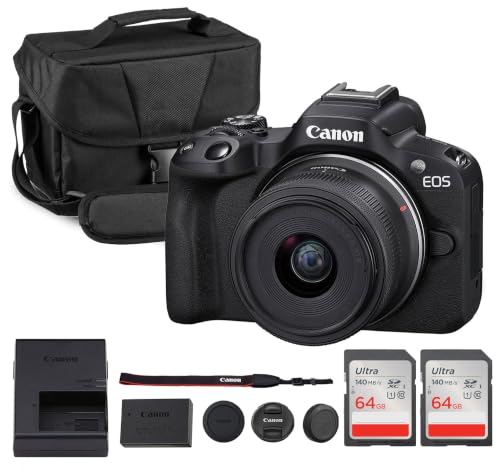


Canon Cameras 101: The Basics
A Canon camera is a tool for controlling light. The lens gathers light, the sensor records it as an image, and the processor turns that data into a photo you can share. Bigger sensors generally capture cleaner images in dim light, while smaller sensors allow smaller and lighter bodies that are easier to carry all day.
Canon sells several families. Compact cameras have a fixed lens and suit travel and family snapshots. Interchangeable lens cameras let you swap lenses for portraits, sports, or landscapes, and they grow with your skills. If you want background on the wider range, see our guide to the best photography canon cameras for how different bodies suit different styles of shooting.
Two older terms still appear in listings. DSLR models use a mirror and an optical viewfinder, and our guide to the best canon dslr cameras explains that design. Mirrorless models skip the mirror, show a live preview in an electronic viewfinder, and usually offer stronger video and subject detection. Neither design is automatically better for a beginner, so judge the specific camera in front of you.
Key Specs Explained in Plain English
Specs only matter when they change your photos. Read each one below by asking a simple question: will this help me capture the subjects I care about, in the light I usually shoot in, without fighting the camera?
Sensor Size and Image Quality
Sensor size is the single biggest driver of image quality. A 1 inch sensor sits inside better compact cameras and beats a phone in dim light. APS C sensors, common in entry level interchangeable lens bodies, give clean files and pleasing background blur for portraits. Full frame sensors are larger again, cost more, and reward careful technique with the cleanest low light results. Megapixels matter less than sellers suggest. Around 20 to 24 megapixels is plenty for large prints and social sharing, and chasing more megapixels often means bigger files and pricier lenses rather than visibly better photos.
Ease of Use for Your Skill Level
A beginner friendly camera explains itself. Look for a guided auto mode that tells you what the camera chose, a touchscreen you can tap to focus, and menus written in plain words rather than codes. Wireless transfer to the Canon app matters more than most people expect, because photos stuck on a memory card rarely get shared. If you are learning from zero, our guide to the best canon cameras for beginners walks through starter friendly features in more depth. Also check the grip. A body that feels secure in your hand will come along more often than a technically stronger one that feels awkward.
Autofocus and Stabilization
Autofocus decides whether your subject is sharp before you press the shutter. Modern Canon systems can detect eyes on people and animals, then track them as they move, which helps enormously with kids and pets. Image stabilization steadies small hand movements. It may live in the body, called IBIS, in the lens, or in both, and it lets you use slower shutter speeds in dim rooms without a tripod. If video matters to you, our guide to the best canon cameras for filming covers frame rates and recording limits. A gimbal can smooth walking shots later, but good built in stabilization solves most beginner needs first.
Battery Life and Charging
Battery ratings are given in shots per charge, measured under test conditions. Screens, video, and cold weather all reduce the real number, so treat the rating as a comparison tool rather than a promise. Mirrorless cameras often deliver about 300 to 500 shots per charge, while DSLR bodies can go much further because the viewfinder uses little power. USB C charging is a genuine quality of life feature, since you can top up from a laptop or power bank between outings. Whatever you buy, budget for one spare battery from day one. A dead camera on a trip is a far worse problem than a slightly smaller sensor.
Durability and Weather Sealing
Weather sealing means gaskets around buttons, dials, and the lens mount that resist dust and light rain. It is not the same as waterproof, and a sealed body only stays sealed with a sealed lens attached. True waterproof cameras are a separate rugged category built for swimming and snorkeling. For most beginners, sensible handling matters more than seals: keep the camera in a padded bag, avoid changing lenses in windblown sand, and let a cold camera warm up inside its bag so condensation forms on the bag instead of the glass.
Rookie Mistakes to Avoid
- Spending the whole budget on the body. Lenses shape your photos more than small body upgrades do, so leave money for at least one lens beyond the kit zoom.
- Chasing megapixels. Sensor size, lens quality, and light affect your images far more than a few extra megapixels on the box.
- Ignoring total size and weight. A camera left at home takes no photos at all, so carry comfort is a real buying criterion.
- Skipping the memory card budget. Fast cards matter for bursts and 4K video, and cheap slow cards can bottleneck a good camera.
- Buying for a fantasy hobby. Choose for the subjects you photograph now, not the wildlife trip you might take someday.
Getting Started: Setup and First Use
Start by charging the battery fully, setting the date and time, and formatting the memory card inside the camera rather than on a computer. Attach the lens until it clicks, remove the cap, and set the mode dial to full auto for your first outing. Take ten photos of the same subject at different distances so you can see what the camera does on its own.
Two habits protect your gear from the start. Clean the lens with a proper lens cloth, not your shirt, because shirt fabric can drag grit across the coating. Carry a spare battery in your bag and rotate it with the main one each month so both stay healthy. Finally, update the camera firmware once you are home, since updates often improve autofocus and fix early bugs. Readers comparing the wider category can also browse our guide to the best canon cameras digital range for context on current body styles.
FAQs
How much should I spend on my first Canon camera?
Most first time buyers do well spending about $500 to $900 on a camera and lens together. Below that range you often give up useful features like a viewfinder or strong autofocus. Above it, gains become smaller unless you shoot in dim light often. Remember to reserve part of the budget for a memory card, a bag, and a spare battery, because those extras are not optional in practice.
Which Canon camera sensor is better for low light photos?
A full frame sensor is better for low light because its larger surface gathers more light and produces cleaner files at high ISO settings. APS C is a close second and costs far less. Whichever size you choose, a lens with a wide maximum aperture, such as f/1.8, improves dim room photos more than a small sensor upgrade does, because it lets more light reach any sensor.
What does a zoom marking like 8x or 10x mean on a camera?
It describes how much longer the longest focal length is than the widest one, so a 10x zoom starting at 24 mm reaches about 240 mm. That tells you the range, not the quality. Large zoom ranges are convenient for travel, but they usually mean a smaller sensor and softer corners. A shorter zoom on a larger sensor often produces better looking photos overall.
Is a smartphone enough instead of a Canon camera?
A smartphone is enough for casual snapshots in good light, and it will always win on convenience. A dedicated camera pulls ahead when you want real optical zoom, reliable subject tracking, creamy background blur, or clean photos indoors without flash. Many photographers keep both: the phone for daily moments and the camera for trips, events, and any subject they care about getting right.
What specs matter most for Canon camera beginners?
Sensor size, autofocus reliability, and comfort in your hand matter most. Those three decide image quality, how many shots come out sharp, and whether you enjoy using the camera enough to learn. After that, look at battery life and lens selection. Ignore long feature lists about obscure modes you may never open, and spend your research time on sample photos of subjects similar to yours.
The Bottom Line
Start with sensor size, autofocus, and carry comfort, and let those three criteria filter the product table above before you compare smaller details. Beginners usually thrive with an APS C body and a versatile kit lens, then add a bright prime lens later. Whichever route you take, the best canon cameras ranked for you is the one that matches your subjects and budget without sitting unused at home. Compare the finalists in the comparison table above and choose with confidence.


