
The Best Canon Cameras Digital: A Buying Guide for 2026
Disclosure: We may earn a commission when you buy through links on this page, at no extra cost to you. As an Amazon Associate I earn from qualifying purchases. Learn more

A clear buying guide to Canon digital cameras, covering sensor size, lens choice, autofocus speed, video features, and how to choose for travel or family use.
Choosing best canon cameras digital can feel hard when sensor sizes, lens mounts, and video specs all sound similar, yet the right camera depends on how you shoot. This guide explains sensors, lenses, autofocus, and video in plain language, so you can match a Canon camera to travel, family, wildlife, or everyday photography.
You will learn how to judge image quality without chasing megapixels, how lens choice shapes results more than the body, and how to set a budget that includes memory cards, spare batteries, and a bag. The comparison table below gives a quick overview of the main camera types, and the sections that follow help you narrow the field with confidence.




Who This Guide Is For
This guide suits beginners moving beyond a phone, travelers who want better zoom and low light photos, and hobby photographers building a lens collection. If you shoot mainly family and travel, ease of use and size matter more than professional video features. If you shoot sport or wildlife, autofocus speed and lens reach matter far more.
It also helps buyers comparing Canon with other brands who want to know about lens range, color, and support. Think about where you shoot, how much weight you will carry, and whether you print large photos or share mainly online, then let those answers shape your short list. A camera you carry often will take better photos than a larger camera left at home.
Types Compared
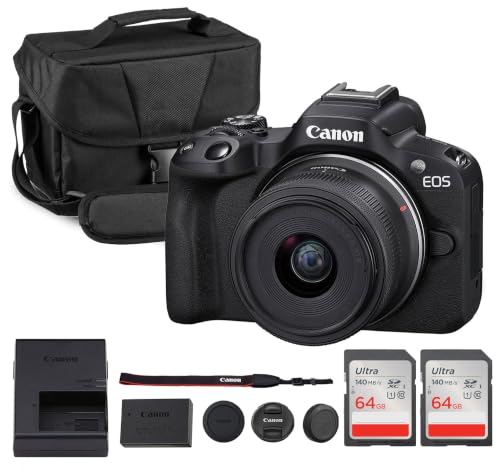
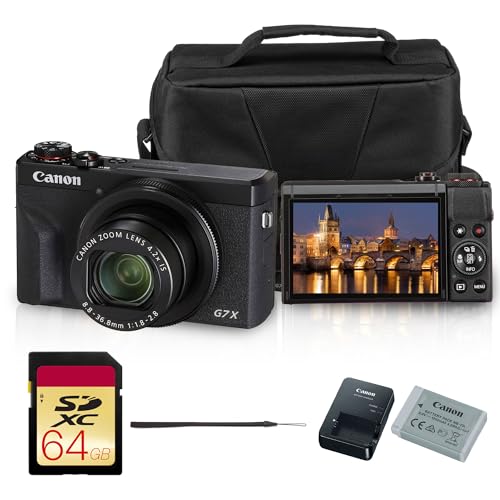
Canon digital cameras range from compact models to full frame mirrorless bodies, and each suits a different shooting style.
| Type | Best For | Typical Price |
|---|---|---|
| Compact Cameras | Pocketable travel and everyday snaps | about $300 to $800 |
| Mirrorless APS C Cameras | Balanced size, quality, and lens choice | about $600 to $1,500 |
| Full Frame Mirrorless Cameras | Low light, portraits, and large prints | about $1,500 to $3,500 |
| DSLR Cameras | Optical viewfinder and long battery life | about $500 to $1,800 |
Compact Cameras
Compact cameras fit a pocket or small bag and suit travelers who want a zoom lens without carrying a large system. They offer good image quality for online sharing and small prints, but smaller sensors limit low light performance. Check zoom range, battery life, and whether the camera offers manual controls for learning.
Mirrorless APS C Cameras
Mirrorless APS C cameras balance image quality, size, and price, and they accept a growing range of lenses for portraits, landscapes, and travel. They suit most hobby photographers and offer fast autofocus and good video. Check lens mount, grip comfort, and whether the lenses you want are available and affordable.
Full Frame Mirrorless Cameras
Full frame cameras use larger sensors that gather more light, which helps in low light and gives softer background blur for portraits. They cost more and lenses are larger, so they suit serious hobbyists and professionals. Compare sensor resolution, autofocus coverage, and card slots before you invest in a full frame system.
DSLR Cameras
DSLR cameras use an optical viewfinder and offer long battery life and a huge used lens market, which can save money. They are larger and heavier than mirrorless models, and live view autofocus may be slower. They suit photographers who prefer an optical viewfinder and already own compatible lenses.
Key Features to Compare
These features shape photo results more than megapixel counts do, so compare them in real shooting conditions.
Sensor Size
Sensor size affects low light quality, depth of field, and dynamic range, which is how much detail is kept in bright and dark areas. Larger sensors generally perform better in low light, but they also mean larger lenses and higher cost. Choose the smallest sensor that meets your print size and low light needs, rather than buying the largest sensor by default.
Autofocus System
Autofocus speed and tracking decide whether moving subjects stay sharp, especially for children, pets, and sport. Look for eye detection, subject tracking, and focus points that cover a wide area of the frame. Test autofocus in low light and with moving subjects if you can, because spec sheets do not tell the whole story.
Lens Range and Mount
Lens choice shapes photos more than the camera body, so check the mount and the lenses available at prices you can afford. A standard zoom covers travel and family, a fast prime suits portraits and low light, and a telephoto suits wildlife and sport. Plan your first two lenses before you buy a body, so the system grows with you.
Video Features
Video needs differ from photo needs, so check resolution, frame rates, stabilization, and microphone input if you film often. Some cameras crop video or overheat on long recordings, which matters for events and interviews. If video is secondary, a simple 4K mode with good autofocus may be enough without paying for professional video features.
Size, Battery, and Handling
Grip, button layout, and menu ease decide whether a camera feels good after hours of shooting. Battery life varies widely, and mirrorless cameras often need a spare battery for a full day. Hold the camera if you can, check weight with a lens attached, and budget for spare batteries, fast memory cards, and a comfortable strap.
Related Guides to Compare
To compare Canon with other brands on sensor, autofocus, and value, see our guide to best digital cameras before you settle on a system.
If size is your top priority, our guide to best small canon cameras digital focuses on pocketable models and travel zoom.
For a broader Canon overview across price levels, see our guide to best canon cameras alongside this buying guide.
If you want simple point and shoot ease, our guide to best canon point and shoot digital cameras explains automatic modes and zoom trade offs.
If budget is tight, our guide to best bargain digital cameras shows where you can save without losing image quality that matters.
Common Mistakes to Avoid
A common mistake is spending the whole budget on a camera body and leaving nothing for lenses, cards, and spare batteries. Another mistake is chasing megapixels while ignoring lens quality and low light performance. Plan the full system cost, prioritize lenses for your main subjects, and choose a camera you will actually carry and enjoy using.
Care and Upkeep Over Time
Keep the sensor clean by changing lenses with the camera facing down and away from wind and dust, and use a blower before any wet cleaning. Store the camera in a padded bag with silica gel in humid climates, and remove batteries for long storage. Update firmware now and then, back up photos regularly, and clean lenses with a soft cloth and proper lens fluid.
Questions to Ask Before You Order
Ask yourself what you shoot most, how large you print, and how much weight you will carry. Ask about sensor size, autofocus, lens mount, video needs, and battery life, and check warranty and repair support. Finally, add the cost of lenses, cards, spare batteries, and a bag so the total system price is clear before you buy.
Frequently Asked Questions
Do more megapixels mean better photos?
More megapixels help for large prints and heavy cropping, but they do not guarantee better photos on their own. Sensor size, lens quality, and low light performance often matter more for everyday shooting. For online sharing and standard prints, a modern 20 to 24 megapixel sensor is usually plenty, and larger files simply fill cards faster.
Should I choose mirrorless or DSLR?
Mirrorless cameras are smaller, offer fast live view autofocus, and represent the future lens development for most brands. DSLR cameras offer optical viewfinders, long battery life, and a large used lens market. Choose mirrorless if you want compact size and modern autofocus, and DSLR if you prefer an optical viewfinder and already own compatible lenses.
What lens should a beginner buy first?
A standard zoom lens covering wide to short telephoto is the best first lens for travel, family, and everyday shooting. Add a fast prime lens later for portraits and low light, when you know which focal length you use most. Check your photo data after a few months to see which focal lengths appear most often in your favorite shots.
How important is video on a photo camera?
Video matters if you film family events, travel vlogs, or interviews, in which case check stabilization, microphone input, and recording limits. If you rarely film, basic video is enough and photo features should drive the choice. Note that long 4K recording can overheat some compact bodies, so check limits for your intended use.
How do I protect a camera while traveling?
Use a padded bag, keep the camera close in crowded places, and carry it in hand luggage on flights. Bring spare batteries, fast cards, a lens cloth, and a small blower, and back up photos daily to a phone or laptop. Avoid leaving the camera in a hot car, and use a rain cover or plastic bag in heavy rain.
Final Thoughts
The best Canon camera is the one that matches your subjects, your travel habits, and the lens system you can afford to grow. Use the product table above to narrow the type, then compare sensor, autofocus, lenses, and handling before you decide.
Budget for the full system, not only the body, because best canon cameras digital should help you take photos you love for years, not sit unused because lenses or batteries were an afterthought.


