Best Cameras Ranked in 2026: Which Type Is Right for You?
Disclosure: We may earn a commission when you buy through links on this page, at no extra cost to you. As an Amazon Associate I earn from qualifying purchases. Learn more

Compare the best cameras ranked by type, from action to mirrorless and compacts, and choose the one that fits your scenes and budget.
Action cameras, mirrorless bodies, compacts, and phones all promise great images, yet they solve very different problems. This guide ranks types, not brand names, so you can place best cameras ranked lists in context and choose the style that fits your scenes, your space, and your budget.
Ranking by type prevents the most common buying error: paying for strengths you never use. A superb action camera is still the wrong tool for portraits, and a superb mirrorless kit is wasted if it stays home because it feels too big. Start with the comparison table below, then read how each type behaves in real use.







Types of Cameras Compared
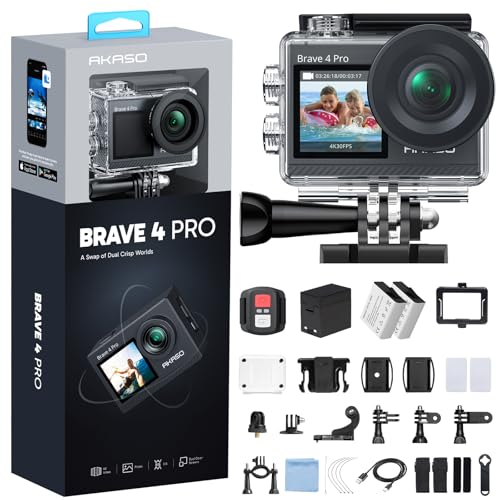
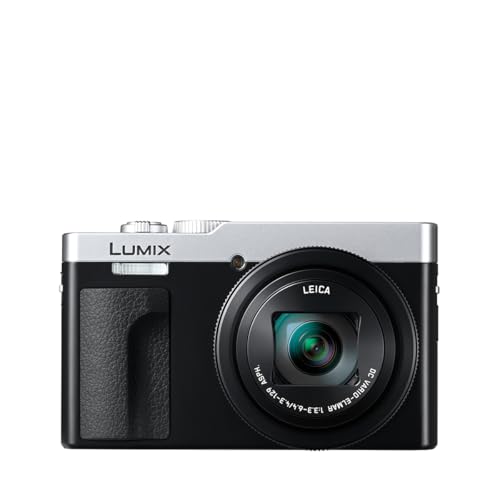
Here is the short version before the detail. Action cameras win on toughness and mounting, mirrorless cameras win on image quality and flexibility, and point and shoot compacts win on simple zoom in a pocket. Typical spending runs about $200 to $500 for action models, about $500 to $2,500 for mirrorless kits, and about $200 to $600 for capable compacts.
Action Cameras
Action cameras are small, rugged boxes built to be mounted on helmets, bikes, boats, and chest straps. Strong electronic image stabilization keeps rough footage watchable, and waterproof housings or sealed bodies handle rain, spray, and shallow swims. They suit travelers, riders, skiers, and families who want video and stills without carrying a kit. The trade offs are a fixed wide lens that distorts close faces, small sensors that struggle at night, and short battery life during long recordings. Around $200 to $500 is the normal range, and spare batteries are a near essential add on for full day outings.
Mirrorless Cameras
Mirrorless cameras use large sensors and changeable lenses, with an electronic viewfinder showing exposure as the sensor sees it. They deliver the best stills and video quality in this comparison, plus fast autofocus that tracks eyes, animals, and vehicles. They suit hobbyists, parents shooting indoor sports, and creators who want room to grow. The costs are size, price, and learning curve, because lenses multiply both quality and expense. A starter kit around $600 to $1,000 covers most people well, and our guide to the best cameras for photography explains how this type serves serious stills work.
Point and Shoot Compacts
Point and shoot compacts put a real optical zoom in a pocket sized body with a fixed lens. Better models use a 1 inch sensor, which lifts image quality well above a phone in shade and at moderate zoom. They suit travelers, grandparents, and anyone who wants simple controls and no lens swapping. Autofocus is slower than mirrorless, low light quality sits in the middle, and you cannot change the lens when your interests change. Prices around $300 to $700 buy the worthwhile versions. Simpler models under that range often add little over a good phone.
Action Cameras vs Mirrorless Cameras: Which Should You Choose?
Choose by scene first. For movement you take part in, such as cycling, paddling, or skiing, the action camera wins because it mounts where a mirrorless body cannot go and survives the knocks. For scenes you watch and frame, such as wildlife, portraits, and indoor games, mirrorless wins on sensor size, lens choice, and autofocus depth.
Video splits the pair in a subtler way. Action footage looks smooth and wide even in chaos, while mirrorless video offers shallow depth of field, better low light, and real audio options. Stills are no contest, since mirrorless files hold far more detail for prints and editing. Budget splits them too: a complete action setup costs less than most mirrorless kits once lenses enter the math. If you can own only one and you shoot family life more than extreme sports, mirrorless is the safer single choice.
How to Choose the Right Camera
Ease of Use for Your Skill Level
Match the controls to your patience. Action cameras ask the least, with one button recording and app based framing. Compacts add zoom and scene modes but still protect beginners with strong auto settings. Mirrorless cameras reward learning with manual controls, custom buttons, and menus that take a weekend to feel natural. Whichever type you pick, phone app transfer lowers friction, because photos you can share quickly are photos you will take more often. Beginners who want the gentlest path can also read our guide to the best cameras for novices before deciding.
Sensor Size and Image Quality
Sensor size explains most of the ranking gaps in this guide. Small sensors in action cameras and basic compacts need good light to stay clean. A 1 inch sensor is the compact sweet spot for travel. APS C and full frame sensors in mirrorless bodies gather far more light, so dusk, forests, and gyms stay detailed. Megapixels matter less than this ladder, since resolution cannot fix noise from a tiny sensor pushed too far. If your favorite scenes happen after sunset or indoors, rank sensor size first.
Battery Life and Charging
Battery habits differ sharply by type. Action cameras record continuously and may last only an hour or two per battery, so spares are part of the real price. Compacts sip power and often finish a travel day on one charge. Mirrorless bodies sit between, with stills counts in the hundreds but video draining much faster. USB C charging helps every type on trips, since one cable and power bank can serve all your gear. Check whether a spare battery is cheap and easy to find before you commit to an older or unusual model.
Lens and Zoom Range
The lens decides what you can frame. Action cameras use a fixed wide lens that captures the scene around you but makes distant subjects tiny. Compacts trade flexibility for simplicity with built in optical zoom, and only optical zoom preserves detail. Mirrorless cameras accept lenses from wide to long telephoto, which is why they dominate wildlife and sports rankings. A lens f stop tells you its light gathering strength, and lower numbers help at dawn.
Picking the Right Cameras for Different Uses
Use your two most frequent scenes as the tiebreaker. Travel favors compacts and small mirrorless kits, family sports favor mirrorless autofocus, and adventure video favors action bodies. If you mostly document daily life and want one device in a jacket pocket, a compact with a 1 inch sensor is the balanced answer. Readers comparing broad formats can cross check with our guide to the best digital cameras for more on body styles.
Best Nikon Cameras Ranked: Which Type Works Best
When readers ask about best nikon cameras ranked by type, the same logic applies within one brand family. Its mirrorless bodies suit quality focused buyers, and its compacts suit simple travel zoom. Judge by sensor, lens options, and the used lens market around the brand rather than by badge loyalty alone.
Setup and Care Tips
Small habits extend the life of every type in this ranking. Use a lens cloth, not your shirt, to clean glass, because trapped grit scratches coatings. Carry a spare battery and a spare card so a full or flat power source never ends a day early. Store gear in a dry, padded bag away from car heat, and let cold gear warm up inside a sealed bag after winter outings so condensation forms on the bag rather than inside the lens. Update firmware once or twice a year, since makers often improve autofocus and stability through software.
Frequently Asked Questions
Is a smartphone enough instead of a ranked camera type?
A smartphone is enough for bright, near, everyday scenes and instant sharing. It is not enough for distant wildlife, fast indoor sports, or mounted action video, where each dedicated type pulls ahead in a different way. Phones also mix your camera with your messages and maps, which drains the same battery. Many people rank a phone as their daily camera and add one dedicated type for the scenes it handles badly.
What specs matter most for beginners choosing a camera type?
Autofocus reliability, stabilization, and sensor size matter most for beginners. Those specs decide your keeper rate while you learn composition and light. After them, weigh size honestly, because a camera left at home has no specs at all. Beginners should also value a clear auto mode and a helpful phone app. Fancy frame rates and deep menus can wait for a second camera, when you know which limits actually bother you.
How much should I spend on my first camera?
Spend about $300 to $700 for a first dedicated camera in most cases. That range buys a strong compact or an entry mirrorless kit with dependable autofocus. Set aside extra for a card, spare battery, and bag. If your heart is set on action video, about $250 to $450 covers a capable body plus mounts and spare power. Spending more before you know your favorite scenes usually buys features you will not touch.
Do I need to buy a lens at the same time?
Not at first. A kit lens covers everyday photos, travel, and family video, and it shows what you shoot most. Add a second lens only when a repeated frustration points to it, such as a bright prime for indoor shots or a telephoto for sports.
Which camera type is better for low light?
Mirrorless cameras are better for low light by a wide margin. Their large sensors and bright changeable lenses gather light that small sensor types cannot match. A premium compact with a 1 inch sensor is the runner up for travel at dusk. Action cameras rank last here, because their tiny sensors and wide lenses are built for daylight adventure. If evenings define your photography, let this single answer steer your whole short list.
Final Thoughts
Rank types by your scenes: action for mounted adventure, mirrorless for quality and growth, and compacts for pocket zoom. Then let sensor size, lens needs, and total kit cost settle the final choice. The product table above shows current examples of each type side by side.
New buyers who want a guided first step can also browse our guide to the best starter cameras after this comparison. Whichever route you take, the smartest reading of any best cameras ranked list is as a map of trade offs, and your own habits are the legend that tells you which road to follow.