Best Canon Cameras for Filming in 2026: What Your Money Really Gets You
Disclosure: We may earn a commission when you buy through links on this page, at no extra cost to you. As an Amazon Associate I earn from qualifying purchases. Learn more

Learn how Canon filming cameras compare by price, sensor, autofocus, stabilization, battery life and sound, so you can choose a setup for your filming plans.
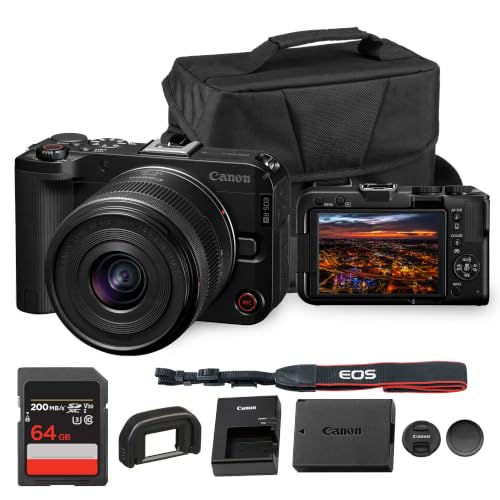
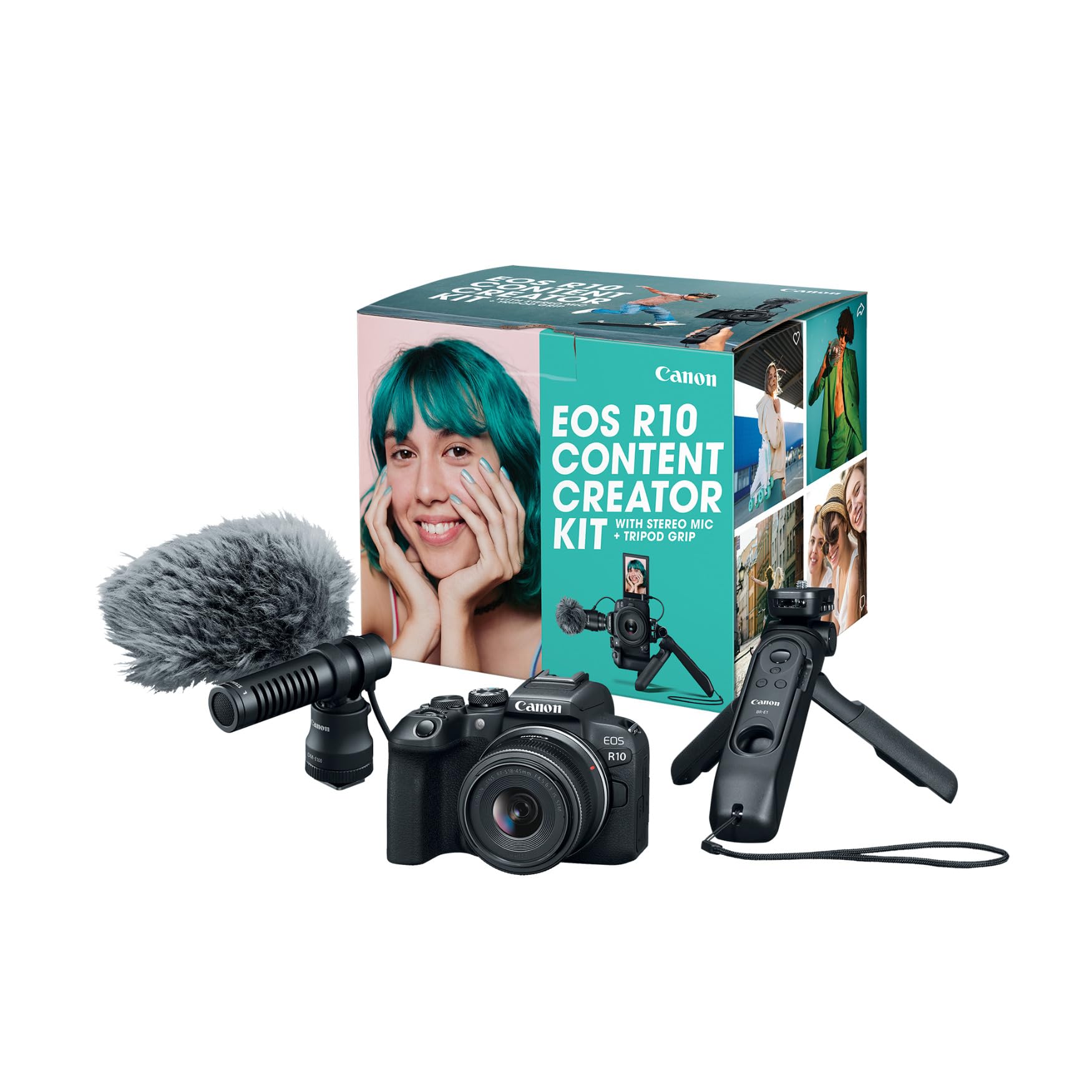
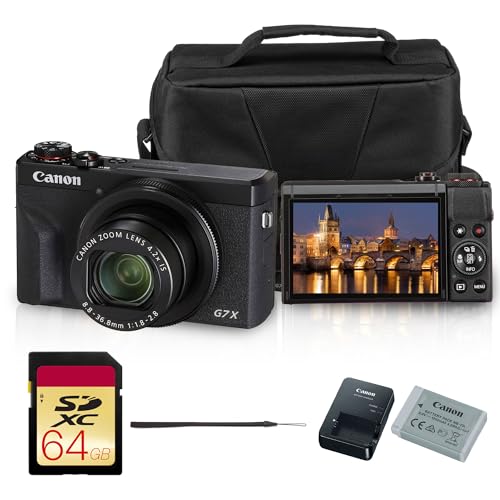
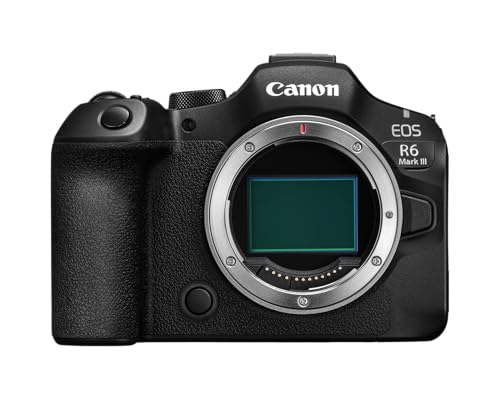
Filming prices vary widely, and the gap between a simple setup and a fully featured one can be confusing. This guide explains best canon cameras for filming in plain terms, so you can see where extra spending helps and where it adds little for your kind of video. Use the product table below to check the main types side by side before you read the detail.
A good choice starts with how you will film, not with the highest specification on the page. Short clips for family events, longer talks to camera, outdoor action and low light rooms all place different demands on focus, sound and battery life. Keep those uses in mind as you compare the options in the sections that follow.






Spending Levels for Filming Cameras
This section groups filming setups by what you can expect at each spending level. The aim is to help you match your budget to the features that matter for your footage. Prices below are broad guides only, and they change with lenses, memory cards and accessories.
Lower Priced Filming Setups
Lower priced setups, at about $300 to $800 for the camera body, suit short clips, family videos and simple online posts. You can expect usable autofocus for a single moving subject, basic stabilization and video that looks clean in good daylight. Sound is often the weakest part at this level, so plan for a separate microphone if clear speech matters. Battery life may cover an hour or so of mixed filming, so a spare battery is a sensible early addition.
Middle Priced Filming Setups
Middle priced setups, at about $800 to $1,800 for the camera body, suit creators who film often and want more control. You can expect faster and more reliable subject tracking, stronger stabilization for walking shots and better performance when light drops. Many cameras at this level offer a flip screen, a microphone input and longer recording options that help with interviews and tutorials. This level is a good balance for many buyers who want room to grow without paying for professional features they may not use.
Higher Priced Filming Setups
Higher priced setups, at about $1,800 to $3,500 for the camera body, suit longer projects, paid work and demanding light. You can expect larger sensors, cleaner footage at higher sensitivity settings and more flexible video formats for editing. Controls are usually more direct, with dials and buttons that let you change exposure while filming. The main trade off is size, weight and cost, plus lenses and storage that add to the total spend over time.
What Each Price Tier Delivers
Price tiers in filming cameras reflect sensor size, processing power, stabilization, sound options and build quality. A higher tier does not automatically make footage better if the camera is hard to carry, hard to focus or paired with a poor microphone. Read each tier for the trade offs, then match it to the length and style of video you actually make.
Entry Level Value
Entry level cameras keep things simple, with automatic modes that handle exposure and focus for everyday scenes. They work well for bright rooms, gardens and events where you can move closer to the subject. Limits show up in dim rooms, fast action and long takes, where focus may hunt and noise may appear in shadows. If most of your filming is short and informal, these limits may not matter much.
Enthusiast Level Balance
Enthusiast level cameras add reliable eye and face tracking, smoother stabilization and better low light results. They also tend to offer more recording choices, such as higher frame rates for slow motion and cleaner audio inputs. This balance suits vlogs, tutorials, travel films and family documentaries that mix indoor and outdoor scenes. You still need to learn basic exposure and sound habits, but the camera forgives more mistakes than an entry level model.
Advanced Level Capability
Advanced level cameras are built for long sessions, mixed light and detailed editing. Larger sensors gather more light, which helps skin tones and shadow detail in rooms lit by lamps or windows. Advanced models may also offer longer battery life, dual memory slots and stronger weather sealing for outdoor work. These benefits matter most when a missed shot cannot be repeated, such as a ceremony, a live event or a client project.
Features Worth Paying For and Ones to Skip
Not every feature earns its price. The list below separates the features that change everyday filming from those that sound impressive but add little for most buyers. Check each feature against your main use before you pay extra for it.
Durability and Weather Sealing
Weather sealing helps when you film outdoors in drizzle, dust or humid air, because it protects buttons, dials and battery doors from moisture. It does not make a camera waterproof, so you should still avoid heavy rain and never submerge the camera. If you film mainly indoors, sealing is a nice bonus rather than a reason to spend more. For travel and outdoor work, a sealed body plus a simple rain cover is a practical combination.
Features That Matter for Filming
Filming places special demands on focus, stabilization and sound. Reliable subject tracking keeps a moving person sharp without constant manual adjustment, while stabilization smooths small hand movements during walking shots. A microphone input and a headphone check, where available, help you catch clean speech instead of room echo. Frame rate choice also matters, since higher rates allow smooth slow motion for action, while standard rates suit talks and everyday scenes.
Battery Life and Charging
Battery life is often quoted as a number of still photos, which tells you little about video use. For filming, look for guidance on continuous recording time and carry at least one spare battery for any shoot longer than an hour. Charging over USB C is convenient for travel, because you can top up from a power bank between takes. Keep batteries away from children, store them in a case, and follow maker guidance on charging and storage.
Sensor Size and Image Quality
Sensor size affects low light performance, depth of field and dynamic range, but megapixel count alone does not decide image quality. A larger sensor usually produces cleaner footage in dim light and smoother background blur, which suits interviews and portraits. A smaller sensor can still produce sharp daylight video and often keeps the camera lighter and more affordable. Judge image quality by sample footage in light like your own, not by the largest number on the specification page.
For a wider view of stills focused options, see our guide to best canon cameras. If you also take still photos, our guide to best digital cameras explains sensor and lens trade offs in broader terms. Newcomers may find our guide to best canon cameras for beginners useful for basic controls and first lens choices.
Long Term Costs to Factor In
The camera body is only part of the total cost of filming. Lenses, memory cards, spare batteries, a microphone, a tripod or stabilizer and a bag can add about $200 to $800 over the first year, depending on your needs. Storage also grows quickly with higher resolution video, so plan for larger cards and a backup drive.
Check warranty terms and maker support before you buy, and keep receipts and packaging until you have checked the camera fully. Follow maker electrical safety guidance, use only approved chargers and cables, and keep small parts and batteries away from children.
Canon Cameras: Your Questions Answered
What features matter most in Canon cameras for filming?
Reliable autofocus, effective stabilization, clean audio input and usable low light performance matter most for filming. A camera that tracks a face smoothly and records clear speech will produce watchable video even without the largest sensor. Check the flip screen, battery life and recording limits too, since those affect long takes and self filming.
Is a smartphone enough instead?
A smartphone is enough for short clips, social posts and quick family moments in good light. A dedicated camera earns its place when you need longer recording, better low light results, interchangeable lenses or cleaner audio from an external microphone. Smartphones also overheat more easily during long takes and offer less control over focus and exposure. Choose a dedicated camera when filming is a regular activity, not an occasional extra.
How much should I spend on my first filming camera?
Most first time buyers do well with a middle priced setup plus a microphone and a spare battery, at a total of about $900 to $2,000. Spending less is fine for short daylight clips, while spending more makes sense only if you film often in low light or need advanced editing formats. Reserve part of your budget for sound and storage, since those affect finished video more than a small sensor upgrade. You can add lenses later as your style becomes clear.
What specs matter most for beginners?
Beginners should focus on autofocus reliability, stabilization, a clear flip screen and simple exposure controls. Video resolution matters less than steady footage and clean sound, so do not chase the highest number at the cost of those basics. Battery life, memory card speed and menu clarity also affect everyday use more than many headline specs. Practice with one lens and one frame rate first, then expand as you learn what your footage needs.
Do I need an external microphone for filming?
An external microphone is one of the most useful additions for any filming that includes speech. Built in microphones pick up handling noise, wind and room echo, while a small directional or lapel microphone places the sound source closer to the speaker. Even a modest microphone can make a simple video feel far more professional. Test audio with headphones before an important shoot, and record a short sample in the actual room.
Which is better for low light filming?
Larger sensors, fast lenses and effective noise handling produce cleaner low light footage than small sensors alone. A lens with a wide maximum aperture gathers more light, which helps in rooms lit by lamps and at evening events. Stabilization also helps, because it reduces shake when light is low and shutter speeds fall. Add a simple portable light for interviews, since a small amount of extra light often beats a large jump in camera price.
Final Thoughts
Choose by filming style first, then by sensor, focus, sound and battery life. A middle priced setup suits most regular creators, while a lower priced setup suits short daylight clips and a higher priced setup suits demanding paid work. Remember to check the product table above for the main types, and keep part of your budget for a microphone, spare battery and storage. For a final check before you order, review best canon cameras for filming against your main use, your light and your total budget, not against a single headline specification.