
Best Camping Sets for Every Need: How to Pick the Right One for 2026
Disclosure: We may earn a commission when you buy through links on this page, at no extra cost to you. As an Amazon Associate I earn from qualifying purchases. Learn more

Match the best camping sets to your group size, stove, and storage space with this guide to materials, piece counts, and care.
A camping set can mean very different things, from a compact cook kit for one hiker to a full box of cookware, dishes, and utensils for a family of five. That is why there is no single winner for everyone. The best camping sets match your group size, your cooking style, and the space you have in your vehicle or pack.
This guide sorts buyers by need first, then explains the features that separate a kit you love from one that stays in the garage. Use the comparison table below to compare piece counts and materials once you know which type of set fits your trips.
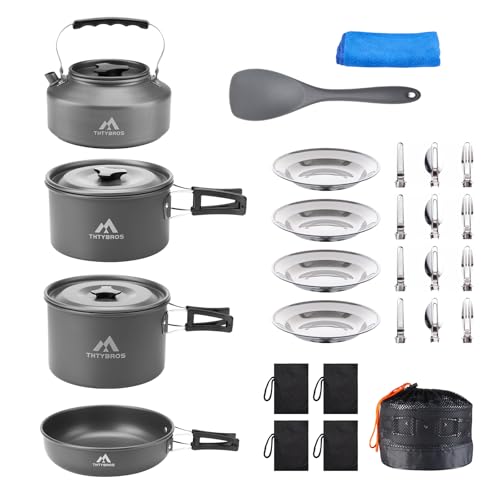
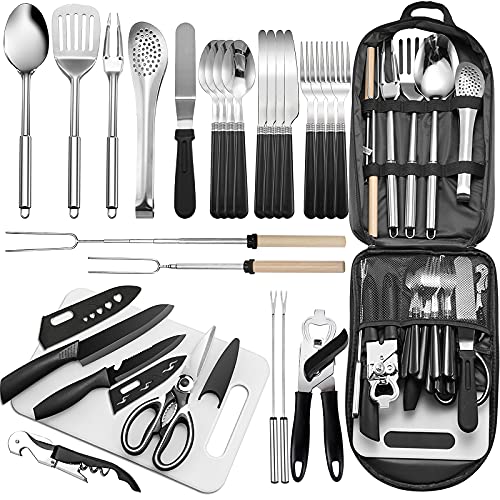


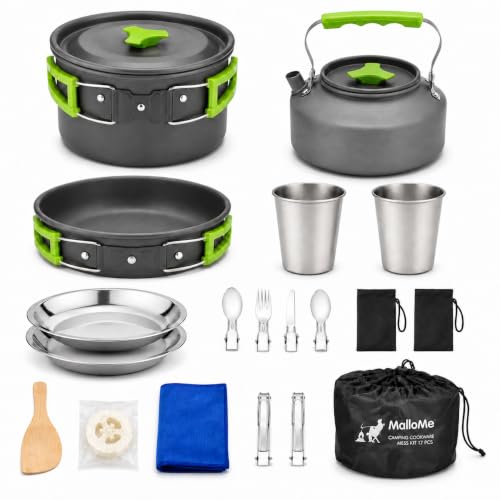

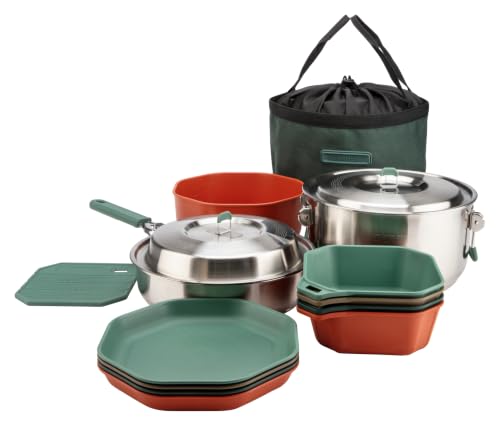

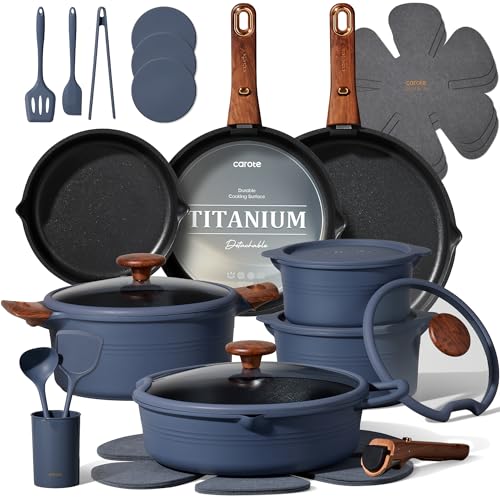

Who Should Buy the Best Camping Sets?
Begin with your typical trip. Note how many people you cook for, whether you boil water or cook full meals, and whether weight or packed size limits you. A set built for a truck bed will frustrate a backpacker, and a minimalist kit will leave a family short of pans and plates.
For First Time Buyers
Your first kit should cover the basics without overwhelming you. Look for one pot, one pan, plates and bowls for your group, and simple utensils, all in materials that forgive mistakes. Stainless steel and hard anodized aluminum tolerate high heat and rough handling, and both clean up easily. Skip specialty pieces like espresso makers or large griddles until you know your camp cooking habits. A modest, complete kit that you use on every trip beats an elaborate one that feels like a chore to pack.
For Value Seekers
Value means cost spread over years of trips, not the lowest sticker price. Mid range kits usually offer the best balance, with sturdy cookware, dishes that resist staining, and a carry case that keeps parts from getting lost. Check what replacement pieces cost, because a kit with cheap spare parts stays useful longer. If your group mainly needs eating gear rather than cookware, our guide to the best camping dinnerware sets focuses on plates, bowls, and cups alone.
For Gift Shoppers
A camping kit is a generous gift, so choose one that suits many kinds of trips. A service for two or four in neutral colors, packed in a tidy case, works for couples and small families alike. Look for a clear warranty and simple care needs, since a gift should not come with chores. If the recipient already owns pots and pans, a dishes only kit may land better, and our guide to the best camping plate sets covers those options in depth.
Key Features to Compare
Piece count is the number sellers advertise, but material, nesting design, and heat tolerance decide how a kit performs at a real campsite. Read the sections below with your own menu in mind, from morning coffee to a one pot dinner, and note which features your cooking actually uses.
Warranty and Customer Support
Camp gear takes knocks, so backup matters. A good warranty covers defects in materials and workmanship, and some makers replace lost lids or handles at a fair price. Check how claims are handled and whether support answers questions about replacement parts before you buy. Keep your receipt and register the kit if the maker offers it. A kit with modest specs and strong support often serves you better than a fancier kit from a seller who vanishes after checkout.
Intended Use and Who It Is For
Match the kit to your stove and your menu. Backpacking kits favor small nesting pots for boiling water and rehydrating meals, while car camping kits add wide pans, larger plates, and room for fresh ingredients. Confirm that pot sizes suit your stove burner and that handles stay cool or fold away safely. Families should count place settings carefully, including cups, because running short at dinner is a common frustration. Solo campers can save real weight by choosing a one person kit.
Ease of Use and Setup
At a campsite, simple wins. Pots that nest in one stack, lids that double as strainers, and utensils that clip together all save time and reduce lost pieces. Practice packing the kit at home once, so you learn the nesting order before you are tired and hungry outdoors. Detachable handles should lock with a positive click you can feel with gloves on. If a kit needs an instruction sheet every time you pack it, it is probably too complex for relaxed camping.
Maintenance and Long Term Costs
Cleaning effort shapes how much you enjoy a kit over years. Nonstick coatings cook eggs beautifully but wear out and need gentle utensils, while bare stainless steel lasts for decades and tolerates metal tools and campfire soot. Budget for small extras like a storage case, replacement handles, and a scrub pad that will not scratch coatings. For cooking focused kits with more pots and kettles, see our guide to the best camping cookware sets for material trade offs in detail.
Common Mistakes to Avoid When Buying Camping Sets
- Judging by piece count alone. Sellers count every lid and spoon, so a high count can hide small, flimsy core pieces.
- Ignoring warranty and support. A broken handle with no replacement path can retire an otherwise good kit.
- Buying the wrong size. A two person kit starves a family trip, while a huge kit wastes pack space for solo campers.
- Forgetting your stove. Wide pans on a tiny burner heat unevenly and waste fuel.
- Skipping the pack test. A kit that does not nest neatly will rattle, sprawl, and lose pieces in transit.
Care and Maintenance Tips
Wash and dry every piece after each trip, even if it looks clean, because food residue attracts pests in storage. Read the manual before first use, especially coating care and heat limits. Soot from a campfire washes off more easily if you wipe pots before the residue bakes on during the drive home.
Store the kit dry, nested in its case, with a soft cloth between coated pans to prevent scratches. Inspect handles, hinges, and lids each season and tighten or replace loose parts early. Keeping the full kit in one labeled bin means you can grab it and go, and a quick inventory after each trip catches missing utensils while replacement is still easy.
At the campsite itself, set up a simple wash routine with two tubs, one for washing and one for rinsing, so greasy water never ends up on the ground near your tent. Strain dirty water and pack out food scraps, which keeps wildlife away from your site and leaves the dish kit cleaner for the drive home. Small habits like these protect both the gear and the places you camp.
Camping Sets: Your Questions Answered
What features matter most when buying camping sets?
Material, pot size, and nesting design matter most. Material decides weight, heat tolerance, and lifespan, while pot size must match both your group and your stove. A kit that nests into one compact stack gets packed more often and loses fewer pieces. After those three, look at warranty support and whether place settings match your group. Color and extra gadgets rarely affect how dinner turns out at a campsite.
How do I maintain a camping set?
Wash pieces with warm soapy water, dry them fully, and store them nested in a dry place. One practical habit is to keep a small repair and cleaning kit in the same bin, with a soft sponge, a towel, and any spare handle parts. Avoid harsh scouring on coated pans, and never store a kit damp in a sealed case, because trapped moisture causes odors and corrosion. A five minute cleanup at home saves scrubbing at the next campsite.
How long does a camping set last?
A stainless steel kit can last for decades, while coated aluminum kits often serve five to ten years before the coating wears. Utensils and plastic dishes are usually the first parts to crack or stain, and they are also the cheapest to replace. Lifespan depends on heat exposure and storage habits more than on brand. Retire any pot with a warped base, since it will rock on the stove and heat food unevenly.
How much should I spend on a camping set?
Most car campers do well spending about $60 to $150 for a complete kit, while ultralight backpacking kits can cost more for less material. Budget kits under about $50 suit occasional trips but often use thinner metal that dents easily. Spending more mainly buys stronger materials, better nesting design, and better support. If you also need forks and knives that travel well, our guide to the best camping cutlery sets covers compact options.
Are expensive camping sets worth it?
They are worth it when you camp often or cook real meals outdoors. Premium kits heat more evenly, nest more cleverly, and come with support that keeps them in service for years. For one weekend each summer, a mid range kit delivers nearly the same meals for far less money. Judge by cost per trip and by how the kit feels in your hands, because a kit you enjoy using earns its price quickly.
Our Verdict
Decide by group size, cooking style, and packed space, in that order. First time buyers should choose simple and sturdy, value seekers should favor mid range materials with good support, and gift shoppers should favor complete kits in tidy cases. Check your shortlist in the product table above, and remember that the best camping sets are the ones that fit your stove, your menu, and your storage space without a fight.


