Which Calphalon Nonstick Pans Should You Buy? Best Models for Every Home (2026)
Disclosure: We may earn a commission when you buy through links on this page, at no extra cost to you. As an Amazon Associate I earn from qualifying purchases. Learn more

Not sure which calphalon nonstick pan to pick? We break down the lineup by household size, space and budget so you can choose with confidence.
Eggs stick on Monday, a quesadilla tears on Tuesday, and by Friday you are soaking the same tired skillet again. If your kitchen has limited cabinet room, finding the best calphalon nonstick pan is less about chasing the biggest set and more about matching size, coating and handles to your daily routine. This guide sorts the lineup by household size, storage space and budget.
Calphalon lines look alike at a glance, yet they differ in base build, oven limits and storage footprint. Use the product table to see current options, then work through the checklist before you spend anything.


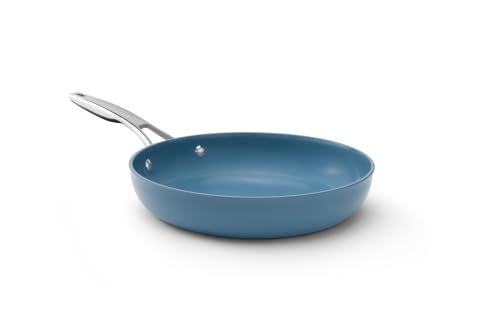

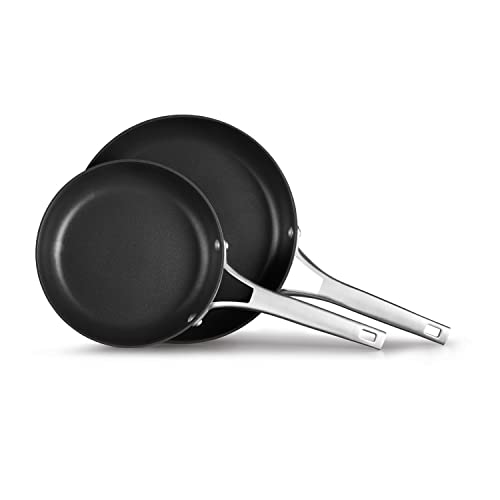


Quick Answer: How the Main Formats Compare
There is no single best calphalon nonstick pan for every home, because a pan that suits a studio kitchen will frustrate a family cooking in batches. Most buyers land on one of three formats. A single skillet covers one or two people with the least storage cost, a larger skillet suits shared meals, and a set only earns its cabinet space when you will use both sizes most weeks.
- Single skillet: lowest cost, easiest to store, ideal for eggs, sandwiches and reheating portions for one or two.
- Large everyday skillet: room for four cutlets or a full pan of vegetables, but it needs a wide burner and a deep cabinet or hanging space.
- Two pan set or stacking set: covers more meal sizes at once, and stacking designs reduce the footprint in a shallow drawer.
Before You Buy: A Quick Checklist for Choosing a Nonstick Pan
Work through these points in order. Size and stove fit come first, because a coating you love cannot fix a pan that crowds your burner or blocks the cabinet door.
Size: Match It to Your Space
An 8 inch skillet handles one egg sandwich or a single cutlet and tucks into a narrow drawer. A 10 inch pan is the flexible middle ground for two people, while 11 and 12 inch pans give four portions room to brown instead of steam. Measure your largest burner and cabinet depth before choosing, and remember that handles add several inches to total length. Check the flat cooking surface too, since sloped sides reduce usable space.
Which Type Fits Your Routine
Most Calphalon nonstick pans pair a hard anodized aluminum body with a traditional smooth coating that releases eggs and fish with little fat. Ceramic coated options appeal if you prefer that style of surface, and our guide to the best ceramic nonstick pan explains how ceramic differs in heat habits and lifespan. Hybrid and granite style pans mix textures and care needs, so compare them only if your routine involves heavy searing. For daily breakfasts, a classic smooth coating stays the simplest match.
Features Worth Paying For and Ones to Skip
A fitted lid earns its price if you steam vegetables, melt cheese or finish sauces in the pan, and it also cuts splatter. Stainless steel handles feel secure and usually raise the oven limit, while a helper handle on large pans makes a full load easier to lift. Skip bundled utensil packs and extra small pans you did not plan to store. Put your money toward a heavier base and a lid you will use weekly.
Is It Non Toxic? What Coating Labels Mean
Labels can confuse fast. PTFE is the coating material behind most traditional nonstick surfaces, and many current pans are labeled PFOA free. PFAS is a broad family name that includes PTFE, which is why some shoppers choose ceramic instead, a choice covered in our guide to the best non toxic nonstick pan. Follow the maker heat guidance, and stop using a pan with deep scratches or peeling.
Induction, Gas and Glass Top Compatibility
Not every nonstick pan works on induction, so look for a stated induction base if you own that stove type, or test the base with a magnet where the maker allows it. On gas, match the pan base to the flame so heat does not climb the sides and damage the coating edge. Glass top stoves need a flat, smooth base that sits fully on the element.
Oven Safe Temperature and Handles
Oven limits vary by line and by lid, so read the rating for the exact pan rather than assuming one number covers the brand. Bare metal handles usually tolerate more heat than silicone coated grips, and glass lids often carry a lower limit than the pan body. A pan rated for moderate oven use can finish a frittata or keep cutlets warm. Measure your oven rack spacing too, since tall lids need clearance.
Realistic Budget Ranges
Expect to pay about $20 to $30 for a small single skillet from an entry line, and about $30 to $60 for a larger everyday pan or a two pan pairing. Sets and premium lines often run about $60 to $100 or more, with the extra money going to thicker bases, stacking designs and higher oven limits. Budget for replacement over the years too, because coatings wear out even with careful use.
Types Compared: Which Format Suits Your Household
The smarter home focused choice is between formats, not specific models. Start with the meals you cook four or more times a month, then pick the format that covers them with the least storage strain.
Single Skillets for One and Two Person Homes
A single 8 or 10 inch skillet covers eggs, grilled cheese, reheating pizza slices and sauteing a handful of vegetables without heating a large surface. It rinses fast, dries on a small rack and fits in a drawer beside sheet pans. If breakfast is your main nonstick job, our guide to the best nonstick pan for eggs looks at that use in depth. The limit is real though. Crowding two large cutlets into a small pan traps steam and prevents browning.
Versatile Everyday Pans for Three and Four Person Homes
An 11 or 12 inch skillet is the workhorse size for shared dinners, holding four portions of fish, a family batch of pancakes or a full layer of sliced potatoes. Look for sides that contain sauce and a helper handle for moving the pan when loaded. This size also suits meal prep for lunches. Confirm your burner can heat the wide base evenly, because a small element leaves a cool ring near the edges.
Sets and Large Pans for Bigger Households and Batch Cooking
A set makes sense when two burners often run at once, for example eggs in the small pan while potatoes crisp in the large one. Stacking sets suit shallow cabinets, since the pans nest in one footprint. Before buying, scan our broader guide to the best nonstick pan to see how sets compare across brands. Avoid sets padded with tiny pans you will rarely touch, since each extra piece still needs washing and storage.
Our Selection Process for the Best Calphalon Nonstick Pans
We compared lines using maker specifications for size, base build, stove and oven compatibility, plus patterns in verified buyer feedback about warping, coating wear and handle comfort. We weighted everyday ease, storage footprint and cost of ownership more heavily than pro style cooking claims. The criteria above let you judge any current model against your own kitchen measurements and habits.
The Calphalon Nonstick Pan Lineup Explained
Calphalon groups its nonstick pans into tiers that share a look but differ in construction details. Entry lines focus on light bodies and simple handles at the lowest prices. Middle lines add thicker hard anodized bodies, more comfortable grips and lids on more sizes. Premium lines may add stacking shapes and higher oven ratings. The coating goal stays similar across tiers, so the upgrade decision is mostly about build, handles and space.
Sets follow the same tiers. Some pair two skillet sizes without lids, while others bundle lids into the piece count. Read that list carefully so you compare cooking vessels, not accessories, and confirm the specific pan you want has the base your stove needs.
Common Mistakes to Avoid
- Buying by rim size alone: a wide rim with steep slopes can leave less flat cooking room than expected, so portions crowd and steam.
- Ignoring handle length in storage: a pan that fits your burner may still block a shallow drawer from closing.
- Using high heat to speed up breakfast: repeated overheating shortens coating life and can warp a lighter base.
- Paying for a large set for one weekly meal: unused pieces still cost cabinet space and washing time.
- Assuming every line suits induction: a pan without the right base will not heat at all on an induction stove.
Cost of Ownership and Care
The purchase price is only part of the cost. A pan used daily will eventually need replacement, so a modest priced pan that lasts through years of breakfasts can cost less per year than a premium pan bought for features you ignore. Factor in a lid you may buy later and soft pan protectors if you stack cookware. Keep the receipt and warranty terms in one folder in case a base warps early.
Daily care is simple. Let the pan cool before washing, use warm soapy water and a soft sponge, and dry it fully before storing. Our step by step guide on how to clean a nonstick pan covers stuck residue in detail. Avoid cooking sprays that leave a sticky film, and cook mostly on low to medium heat to protect the coating.
Your Questions, Answered
Which Calphalon nonstick pan should I buy if I cook mostly breakfast?
Choose a small or medium skillet with low, sloped sides. That shape lets a spatula slide under omelettes and pancakes without tearing the edges. A light body also helps, since breakfast cooking involves frequent tilting to pour eggs. If you cook bacon often, pick the deeper option in this size range so grease stays in the pan rather than on the stove.
Is Calphalon a good nonstick pan brand for renters and first apartments?
Yes, for most renters it is a practical middle ground between bargain pans and costly pro lines. A single mid priced skillet packs easily when you move and does not demand special storage. Check your stove type before ordering though. Some rental induction units need the compatible base, and older gas ranges with small burners suit a 10 inch pan better than a 12 inch one.
How long does a Calphalon nonstick pan last with daily use?
With daily use and gentle care, plan on a few years of strong release rather than a lifetime of service. Signs that replacement time has arrived are eggs sticking after a proper wash, a dull or scratched surface, and a base that rocks on a flat stove. Note the purchase month on your phone to judge wear fairly.
Can I use metal utensils on a Calphalon nonstick pan?
Some lines are described as metal utensil safe, but that rating covers light contact, not scraping with fork tines or cutting food in the pan. Wood and silicone tools remove that risk and cost little, so they remain the safer daily habit. If a metal spatula is your only option for fish, use its flat edge gently and lift rather than drag. Sharp knives should never touch the coated surface.
Do I need to season a Calphalon nonstick pan before first use?
No true seasoning is needed, unlike cast iron. Wash the new pan in warm soapy water, dry it, and it is ready to cook. Some owners rub a few drops of oil over the surface and wipe it nearly clean before the first eggs, a habit explained in our guide on how to season a nonstick pan. That thin film is optional maintenance, not a layer you must build, and repeating it after harsh washing can help an older pan release food more smoothly.
Final Thoughts
Match the pan to your household first, your stove second and your budget third, and the Calphalon lineup becomes much easier to read. Small homes thrive with one nimble skillet, shared kitchens do better with a larger everyday pan, and sets only pay off when both sizes see weekly use. Compare your finalists in the product table above, then choose the best calphalon nonstick pan that fits your cabinets, your burners and the meals you actually cook.