
Best Camping Dinnerware Sets: Materials and Sizing for 2026
Disclosure: We may earn a commission when you buy through links on this page, at no extra cost to you. As an Amazon Associate I earn from qualifying purchases. Learn more

Compare melamine, enamel, steel and wheat straw to find the best camping dinnerware sets that survive drops, stack tight and wash up fast.
Eating a hot meal off a real plate is one of the small pleasures that makes camp feel like a home away from home. The best camping dinnerware sets survive a drop on gravel, handle hot food and still stack neatly in a bin. This guide compares the common materials, shows how to size a set for your group and explains how to keep it clean when water is short.
Use the comparison table below to see the main types and prices side by side, then read on to match one to your trips.






Camping Dinnerware Sets Materials Compared
Melamine
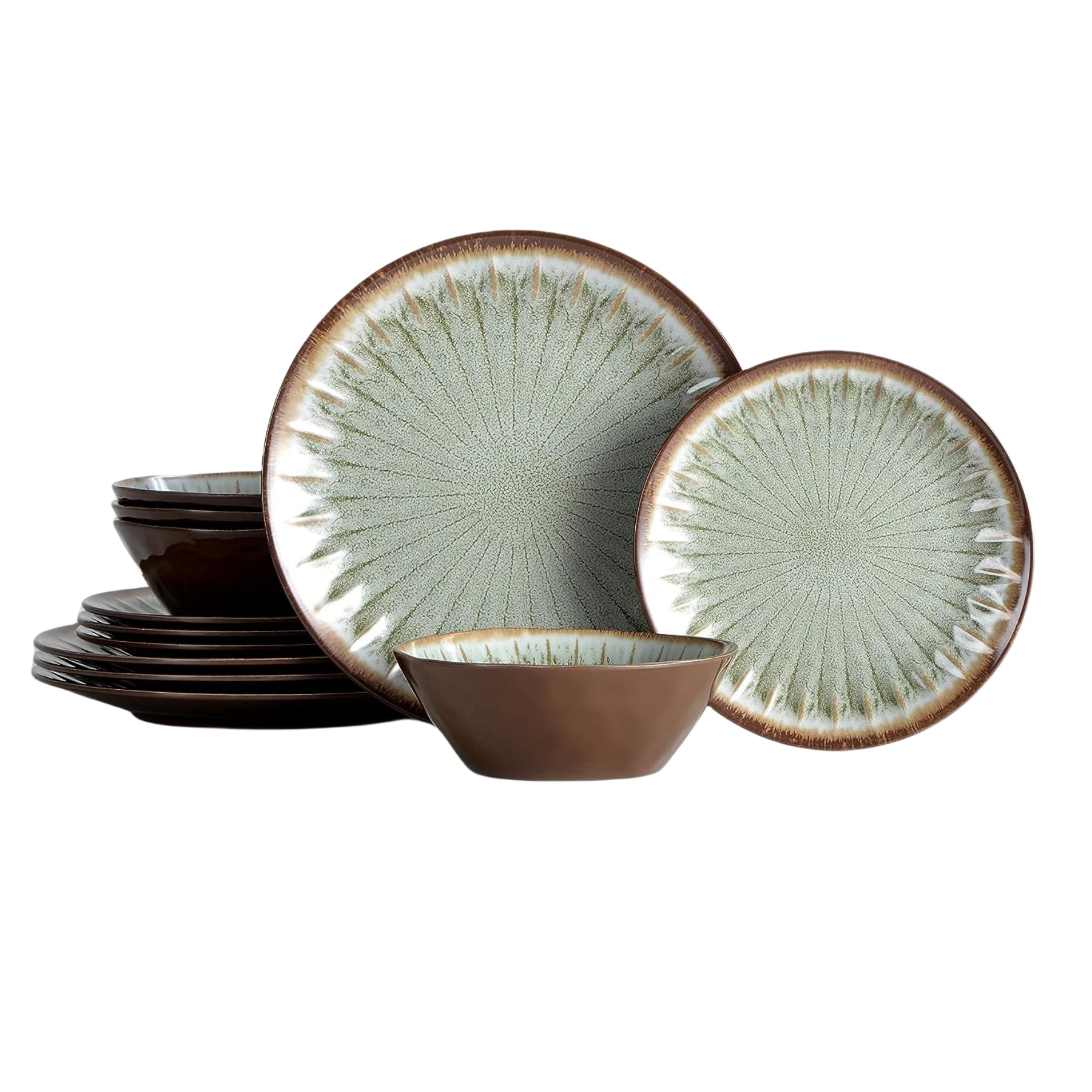
Melamine looks like ceramic but is light and hard to break, which is why it is common for family camping and outdoor dining. It does not suit microwaves or very hot liquids, and heavy scratching can dull the surface. Check the maker's heat guidance before you serve boiling soup in it.
Enamel Coated Steel
Enamelware has a classic camp look and handles hot food well. It is durable but the coating can chip if dropped on rock, and a chipped rim can rust. It suits car camping, where weight is not a concern.
Wheat Straw and Plant Fiber
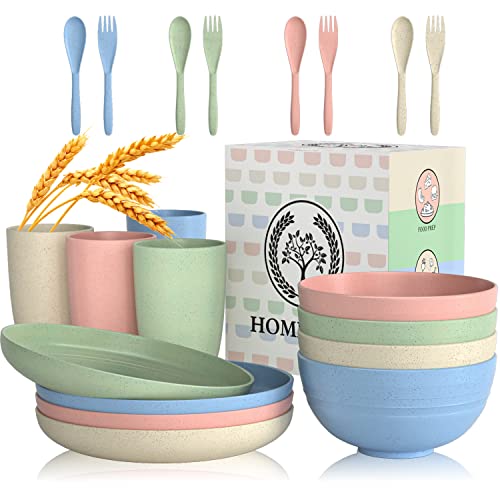
Wheat straw dinnerware is lightweight, comes in colors and is usually dishwasher safe, which makes it popular for picnics and family trips. It is not meant for very hot or long soaking, so it works best for ordinary meals and sandwiches.
Stainless Steel
Stainless steel plates and bowls are nearly indestructible and can sit near the fire, though single wall steel gets hot to hold. They are a good choice for scout groups, backpackers and anyone who is hard on gear.
Plastic and Silicone
Tough plastic sets are cheap and light, and collapsible silicone bowls save space in a pack. Both can stain and warp with heat, so keep them away from direct flame and use them for cool or warm food.
Sizing a Set for Your Group
Count the people who usually eat together and add one or two settings for guests. A set for four should include four plates, four bowls and four cups, not only plates. Deep bowls suit stew, pasta and cereal, while shallow plates suit sandwiches and grilled food. If you mostly cook one pot meals, bowls matter more than plates.
Features to Check
Break Resistance
Camp dinnerware gets dropped on gravel, stacked in a moving car and washed in cold water. Look for materials sold as unbreakable and check that rims are thick enough to survive a fall. Metal and melamine tolerate rough use best, while enamel needs care.
Weight and Stacking
A set that nests into a tight stack saves bin space and stops rattling. Flat plates and bowls with matching diameters stack best. Backpackers should look at the total weight per person, and car campers can pick comfort over weight.
Easy Cleaning Outdoors
Smooth, nonporous surfaces clean with a cloth and a little water. Avoid deep textures and unglazed finishes that trap food. Rinse right after meals so food does not dry on, and dry pieces before packing them to avoid smells.
Safety Labels
Choose sets labeled food safe and free of harmful additives, and avoid unlabeled sets from sellers who give no material details. Follow the heat and dishwasher guidance printed on the product.
Matching Dinnerware to Your Camp Style
Family car campers get the most from melamine or wheat straw, since the set stays in the bin and nobody worries about a drop. Scout leaders and groups that wash in bulk prefer stainless steel, which tolerates rough handling and can be sanitized with hot water. Backpackers rarely need a full set at all: one bowl and one mug per person, in steel, titanium or collapsible silicone, is usually enough. Festival and picnic users can choose wheat straw or light plastic for easy carrying. Whatever the style, serve the food you really cook: deep bowls for stews and shallow plates for grilled food.
Care and Storage
Wash soon after use with warm water and biodegradable soap, and dispose of wash water away from streams and lakes. Dry each piece, store the set in a bag or bin with a cloth between pieces and keep it away from direct flame. At home, check enamel for chips, plastic for cracks and bowls for warping before your next trip. Replace a damaged piece promptly.
Common Mistakes to Avoid
- Buying a set with plates but too few bowls for stews and soups.
- Serving boiling food in plastic or wheat straw that is not rated for it.
- Choosing glazed ceramic for camping, where one drop ends the plate.
- Skipping the nesting check, so the set rattles and takes up too much space.
- Putting damp dinnerware in a bag, which causes odors and mold.
Related Camp Kitchen Gear
If you need a full kit with cookware and utensils, see our guide to best camping sets.
Frequently Asked Questions
What is the best material for camping dinnerware?
Melamine and stainless steel suit most campers: they are tough and easy to clean. Enamel looks great but can chip, wheat straw suits picnics, and plastic works for a budget set.
How many pieces do I need in a camping dinnerware set?
Plan on a plate, a bowl and a cup for each person, plus a spare setting. Check that the set lists each type of piece rather than a total count that hides missing cups or bowls.
Can camping dinnerware go in the dishwasher?
Many melamine, plastic and wheat straw sets can on the top rack, while enamel and steel are usually fine. Always check the maker's guidance, since heat can warp some materials.
How do I stop camping dishes from rattling?
Choose a set with matching diameters that nests tightly and pack it with a cloth or mesh bag. A tight stack also protects enamel and ceramic edges.
Is wheat straw dinnerware good for camping?
It is light and unbreakable for everyday meals, which suits family trips and picnics. Avoid very hot liquids and long soaking, and replace pieces that crack.
Final Thoughts
Match the material to your trips, size the set to your group and make sure it nests tightly. The product table above helps you compare current options, and the best camping dinnerware sets for you are the ones that survive the drive, hold real meals and wash up quickly.


