Best Camping Plate Sets for Every Need: How to Pick the Right One for 2026
Disclosure: We may earn a commission when you buy through links on this page, at no extra cost to you. As an Amazon Associate I earn from qualifying purchases. Learn more

Not all camping plate sets fit every routine. See which best camping plate sets match how you actually use them, what features to prioritize, and what to skip.
There is no single plate set that suits every camper. A couple driving to a lakeside site needs something very different from a family cooking for six or a backpacker counting every ounce. The best camping plate sets are simply the ones that match your group size, your meals, and the way you travel.
This guide starts with how you actually camp, then walks through materials, safety labels, and care costs. Use the comparison table below to check piece counts and materials side by side once you know which type fits your routine.

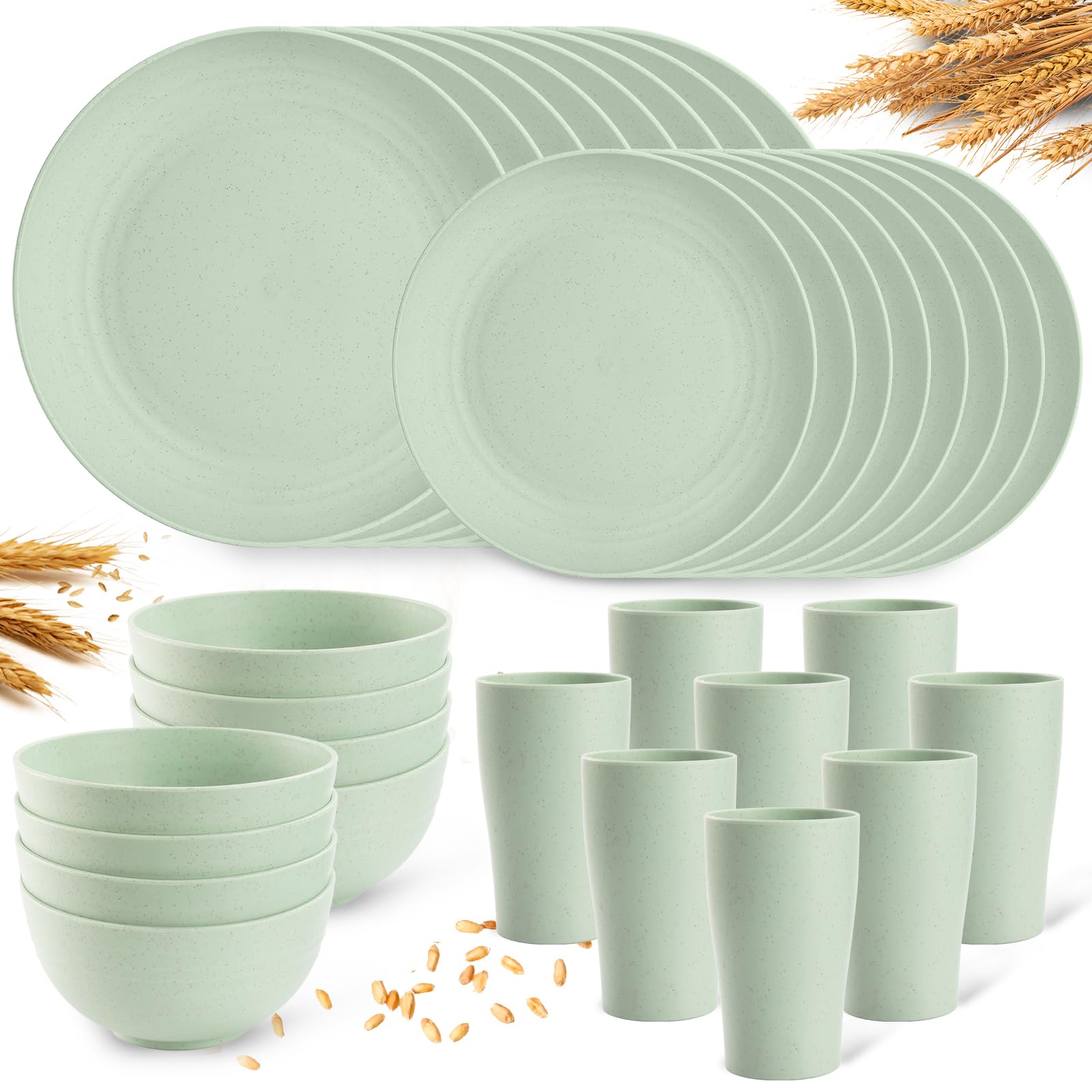

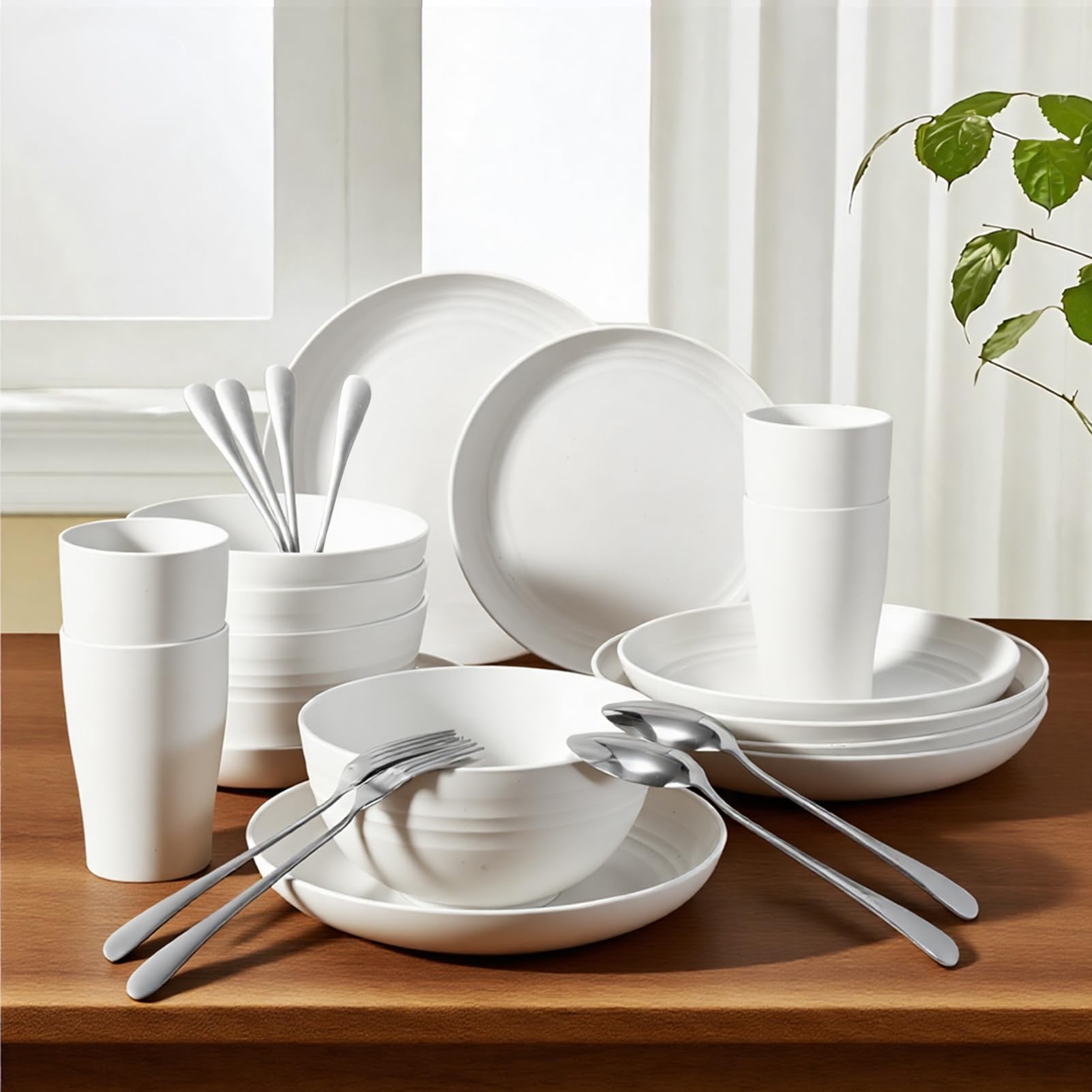


Who Should Buy Which Camping Plate Sets?
Start with your most common trip, not your most ambitious one. Count the people who usually eat with you, the meals you cook most often, and how much storage space your vehicle or pack really has. Those three answers narrow the field faster than any material debate.
For People Who Want the Best Performance
If you camp often and eat real cooked meals outdoors, durability and heat tolerance matter most. Look for plates with a firm feel that do not flex under a heavy stew, rims that keep food from sliding off, and a surface that resists staining from sauces and coffee. Stainless steel and quality enamel coated steel handle years of use well. You pay more up front, but you replace them far less often, and they tolerate hot pans, dish racks, and the odd drop onto gravel without complaint.
For First Time Buyers
Your first set should be simple, forgiving, and easy to clean. A service for two or four in a tough plastic or melamine style material covers most car camping trips, and it will not dent or chip the first time it falls off a picnic table. Choose plates with a raised lip, bowls deep enough for soup, and cups that stack. Avoid huge sets with pieces you will never use, and keep the total weight modest so the set actually comes along on every trip.
For Gift Shoppers
A plate set makes a practical gift when it suits many styles of camping. Choose a neutral color, a complete service for four, and a storage bag or mesh sack that keeps everything together in a camp bin. Check the warranty terms before you buy, since a clear replacement policy makes the gift feel safer. If the recipient also needs cookware and utensils, see our guide to the best camping sets for full kits that bundle those pieces together.
Key Features to Compare
Materials decide most of the ownership experience, from weight to cleaning effort. After material, look at plate diameter, bowl depth, and how the pieces nest together. The sections below explain each feature in the context of real camp meals, so you can trade features off against each other with confidence.
Safety and Certifications
Plates touch hot food, so material safety comes first. Look for clear labeling that the set is food grade and free of harmful plasticizers, and be cautious with very cheap plastic sets that carry no safety information at all. Melamine sets should state their heat limits, since melamine is not meant for microwave use or very hot liquids. Enamel coatings should be smooth and intact, because a chipped coating can expose the metal beneath. When a listing is vague about materials, treat that as a reason to move on.
Maintenance and Long Term Costs
Camp plates live a rough life, so think about what upkeep each material demands. Stainless steel needs almost nothing beyond washing and drying, and it will not hold odors. Plastic sets are cheap to replace but can stain, warp near campfire heat, and pick up scratches that trap grime. Enamel can chip if it is dropped on rock, and replacement pieces may be hard to match later. Buying one sturdy set usually costs less over five years than replacing a flimsy set every season.
Intended Use and Who It Is For
Match the set to the food you serve. Wide flat plates suit grilled meals and pancakes, while deeper plates and bowls handle pasta, curry, and soup without spills on uneven picnic tables. Backpackers should count grams and choose one plate and one bowl per person at most. Car campers can afford heavier steel and larger diameters that feel like home. If you often serve meals at home on the patio as well, compare our guide to the best plate sets to see how home weight and sizing differ.
Key Performance Specs
Four numbers tell you most of what you need. Plate diameter of about 9 to 10 inches holds a full meal without crowding, while smaller 7 inch plates suit snacks and children. Bowl capacity around 20 to 24 ounces handles soup or cereal comfortably. Weight per setting ranges from a few ounces for plastic to over a pound for thick steel. Finally, check nesting height, because a set that stacks flat saves real space in a camp bin or a pack.
Common Mistakes to Avoid When Buying Camping Plate Sets
- Buying on price alone. The cheapest set often warps, stains, or cracks within a season, so total cost ends up higher.
- Ignoring safety labels. Unlabeled plastic and unclear heat limits are a poor match for hot camp meals.
- Choosing the wrong size. Tiny plates frustrate adults at dinner, while oversized plates waste bin space and tip on small tables.
- Skipping the warranty check. A clear warranty signals that the maker expects the set to survive real use.
- Buying too many pieces. Extra serving pieces sound useful but mostly ride along unused and add weight.
Setup and Care Tips
Before the first trip, wash every piece in warm soapy water and check edges for rough spots or coating flaws. Read the care notes that come with the set, especially heat limits for plastic and melamine. At camp, rinse plates soon after meals so sauces do not dry on, and use a soft sponge rather than abrasive pads on coated surfaces.
Back home, dry each piece fully before storing it, since trapped moisture can leave odors in plastic and spots on steel. Store the set in its bag or stacked with a cloth between pieces to limit scratches. A quick inspection each season, checking for cracks, chips, and warped rims, keeps small problems from ruining a meal outdoors.
FAQs
What features matter most when buying camping plate sets?
Material, size, and nesting design matter most. Material decides weight, durability, and heat tolerance, so match it to your style of camping. Diameter and bowl depth decide whether real meals fit comfortably, and a set that stacks flat saves space on every trip. Add clear safety labeling and a fair warranty, and you have covered the points that affect daily use far more than color or extra serving pieces.
How long does a camping plate set last?
A stainless steel or quality enamel set can last a decade or more with basic care. Plastic and melamine sets usually serve two to five seasons before scratches, stains, or warping make them unpleasant to use. Lifespan depends heavily on heat exposure and storage, so keeping plates away from direct flame and drying them before storage adds real years. Retire any piece with deep cracks, since cracks harbor bacteria.
How much should I spend on a camping plate set?
Most campers do well spending about $25 to $60 for a service for four. Budget plastic sets cost less and suit occasional trips, while steel and enamel sets sit at the higher end and reward frequent campers with durability. Spending more mainly buys stronger materials and better finishing, not more pieces. If you camp twice a year, a modest set is sensible, and you can put the savings toward cookware you will use daily at camp.
Are expensive camping plate sets worth it?
They are worth it when you camp often and eat hot cooked meals outdoors. Premium materials resist heat, stains, and drops, and they feel steadier on your lap or a picnic bench. For one weekend a year, the difference is hard to justify, and a simple set serves just as well. Think in cost per trip rather than sticker price, because a set used forty times is cheap at almost any reasonable price.
How do I maintain a camping plate set?
Wash pieces soon after meals, dry them fully, and store them nested with protection between coated surfaces. A useful habit is to pack a small bottle of dish soap and a soft sponge in the same bin as the plates, so cleanup never waits until you get home. Avoid metal scouring pads on enamel and melamine, and keep plastic away from campfire heat. If you need bowls matched to your plates, our guide to the best plates and bowl sets explains combined sizing.
Our Verdict
Choose by routine first, material second, and price third. Frequent campers should favor steel or enamel, first time buyers should favor simple and forgiving sets, and gift shoppers should favor complete services with clear warranties. Compare your shortlist in the product table above, and remember that the best camping plate sets are the ones that fit your group, your meals, and your storage space. If your camping table also hosts family dinners on the patio, our guide to the best dinner plate sets covers larger home style options.