Which Calphalon Frying Pans Should You Buy? Best Models for Every Home (2026)
Disclosure: We may earn a commission when you buy through links on this page, at no extra cost to you. As an Amazon Associate I earn from qualifying purchases. Learn more

Not sure which calphalon frying pan to pick? We break down the lineup by household size, space and budget so you can choose with confidence.
A crowded weekday kitchen makes the choice clear. One person needs eggs that slide out fast before school, another needs chicken browned for four, and the cabinet holds little spare room. Picking the best calphalon frying pan for your home comes down to three things: household size, the space you can give the pan, and how you cook most days.
This guide walks through sizes, materials, handles, and budgets so you can match one pan to your routine. Use the product table to see current options, then read on for the details.


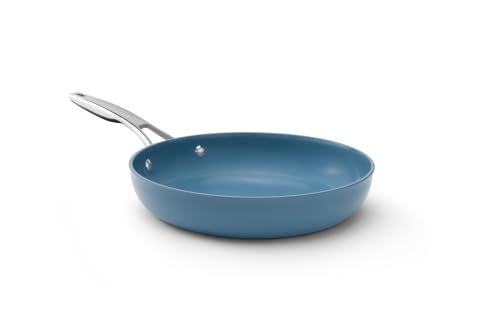


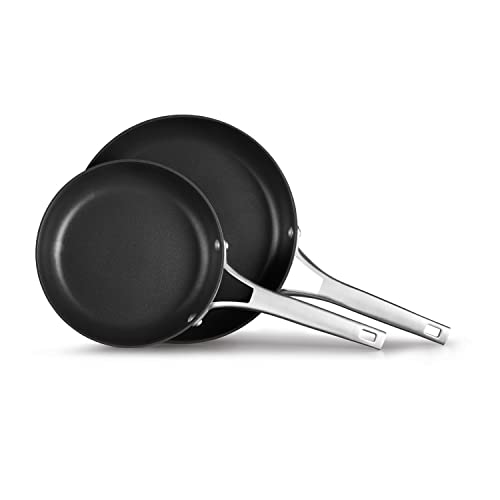

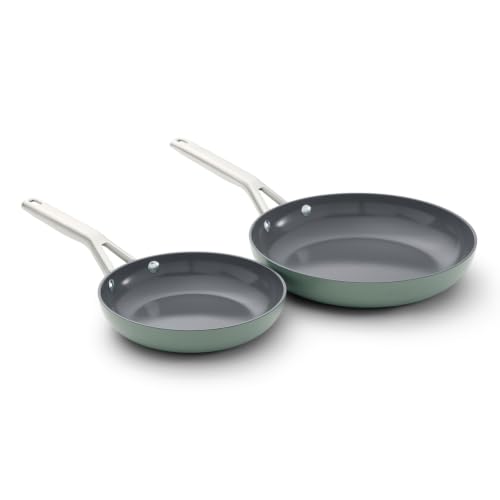
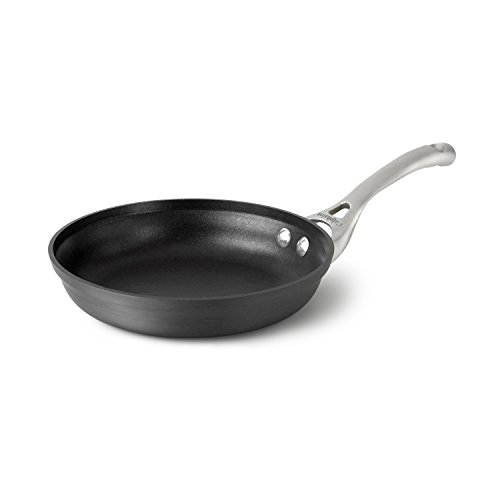

Quick Answer: How the Main Types Break Down
If most of your cooking is eggs, pancakes, grilled sandwiches, and gentle reheating, a hard anodized nonstick pan will feel easiest day to day. If you sear meat hard, build pan sauces, and want a surface that tolerates high heat and metal tools, stainless steel suits you better. Larger households often do best with a wide, deep format that holds a full batch at once.
Before You Buy: A Quick Checklist for Choosing a Frying Pan
Size: Match It to Your Space
An 8 inch pan cooks one or two eggs and fits easily in a small cabinet or a crowded dishwasher rack. A 10 inch pan is the flexible middle choice for most homes, handling omelets, two chicken breasts, or a small batch of vegetables. A 12 inch pan suits families because food can sit in a single layer with room for steam to escape. Measure your largest burner and your storage space before you buy, since a wide pan that overhangs the burner heats unevenly and a handle that blocks the cabinet door becomes a daily annoyance.
Which Type Fits Your Routine
Nonstick releases delicate foods with little fat and wipes clean fast, which suits busy mornings and gentle cooking. If easy release is your priority across brands, our guide to the best nonstick frying pan covers that wider field. Stainless steel browns meat deeply and lets you scrape up the browned bits for a quick sauce, but eggs need patient preheating and enough fat. Ceramic coated pans offer slick release without a traditional coating, yet that release fades faster with heavy use. Cast iron and carbon steel ask for more upkeep, while copper responds to heat changes fast and costs the most.
Features Worth Paying For and Ones to Skip
A helper handle earns its cost on large pans, since a full 12 inch pan of food is heavy to lift with one wrist. Pour spouts help when you drain fat or move a sauce into a small bowl without drips. A lid matters if you finish dishes with steam, melt cheese often, or simmer in the pan. You can skip novelty extras you will rarely touch, such as decorative finishes or bundled tools you already own. Spend instead on a flat, sturdy base and a handle that feels secure in your grip.
What Non Toxic Means for This Pan
The phrase non toxic on a listing usually points to what the cooking surface is made from. Traditional nonstick coatings are often based on PTFE, while ceramic coated pans use a mineral based surface, and bare stainless steel, cast iron, and carbon steel have no coating at all. If avoiding coatings matters most to you, compare the options in our guide to the best non toxic frying pan before you decide. Always read the maker description for the exact surface on the exact size you want, since coatings can differ within one brand lineup.
Induction, Gas and Glass Top Compatibility
A pan works on induction only if its base contains magnetic metal, so check the listing for an induction symbol or test a magnet on a pan you already own. Gas burners forgive most base shapes, but a pan much wider than the flame wastes heat up the sides. Glass top stoves need a flat, smooth base, since a warped or rough bottom can rock, heat unevenly, or scratch the surface. If you plan to change stove types soon, an induction ready base keeps the pan useful after the switch.
Oven Safe Temperature and Handles
Every pan has an oven limit set by its coating and its handle material, and that limit varies across the Calphalon range. Stainless handles usually tolerate more heat than handles with silicone grips, which feel comfortable on the stove but cap the oven temperature lower. Check the stated limit for the size you want rather than assuming the whole line shares one number. If you finish steaks under the broiler, confirm the pan is rated for broiler use, since some pans allow oven heat but not direct broiler heat.
Realistic Budget Ranges
At about $30 to $50 you can expect a serviceable nonstick pan for daily eggs and reheating, with a coating you should plan to replace sooner. About $50 to $100 usually buys thicker metal, a sturdier handle, and more even heating across the base. About $100 to $200 moves you toward fully clad stainless steel or heavier construction meant to stay in service far longer. Paying more makes sense when the pan is your main workhorse, while a modest price is fine for a small second pan.
Calphalon Frying Pan Types Compared
Hard Anodized Nonstick for Daily Cooking
Hard anodized aluminum gives this type a firm body that spreads heat evenly and resists dents from normal handling. The nonstick surface handles eggs, fish, and pancakes with minimal sticking, and cleanup takes a quick wash rather than a long soak. Its limits are heat and tools, since high settings and metal utensils shorten the life of the coating.
Stainless Steel for Searing and Sauces
Stainless steel pans, often built in tri ply or fully clad form, take high heat without damage and build the deep browning that makes a pan sauce taste rich. They also tolerate metal utensils and go from stove to oven with ease. If searing is central to how you cook, our guide to the best stainless steel frying pan shows how this material compares across brands. Expect a learning curve with eggs.
Ceramic Coated and Hybrid Options
Ceramic coated pans appeal if you want slick release from a mineral based surface and bright, easy rinsing cleanup after gentle cooking. Our breakdown of ceramic vs nonstick pan explains how the two surfaces age differently in daily use. Hybrid designs pair a steel body with a coated or textured cooking surface to blend browning with easier release. These options suit moderate heat cooking best, and their surfaces reward gentle tools and patient preheating.
Deep and Large Formats for Family Meals
A deep pan with taller sides holds stir fries, curries, and one pan pasta dishes that would spill from a shallow skillet. The extra wall height also reduces splatter when you fry for a crowd. Choose this format when your household cooks four or more servings at once and your stove has a burner wide enough to heat the base evenly.
How to Compare Calphalon Frying Pan Lines
Compare each line on five points: how evenly the base spreads heat, how the construction holds up over years of use, what the cooking surface is made from, which stoves and oven temperatures it allows, and how much cleaning it needs after a typical meal. Base your judgment on maker specifications and on patterns in verified buyer feedback, such as repeated notes about warping or handle comfort. When you shop for the best calphalon frying pan for your home, treat these criteria as a checklist for reading listings with clear eyes.
The Calphalon Frying Pan Lineup Explained
Calphalon organizes its frying pans by material and construction rather than by one single design. Entry level lines lean toward lighter aluminum bodies with nonstick surfaces, built for easy daily use at a modest price. Middle lines add thicker bases, more comfortable handles, and higher oven limits. Premium lines focus on clad stainless steel, where layers of metal run through the whole pan to spread heat from base to rim. The tier tells you what you are paying for: convenience, durability, or heat control.
Household fit matters most here. A single person in a studio needs one versatile 10 inch pan that stores flat and washes fast. A family of five needs width and depth more than delicate release, plus a helper handle for safe lifting. A home with a glass top stove needs a flat base above all else.
Common Buying Mistakes to Avoid
- Buying a 12 inch pan for a small burner, so the edges stay cool while the center scorches food.
- Choosing nonstick for high heat searing, so the coating wears out long before the pan body does.
- Ignoring storage space, so a long handle keeps the cabinet door from closing and the pan ends up living on the stove.
- Paying for a large set when one pan in the wrong size gets skipped daily, while a single right sized pan would cover nearly every meal.
- Skipping the oven limit check, so a grip handle is damaged the first time the pan goes under the broiler.
Cost of Ownership and Care
The purchase price is only part of what a pan costs you. A nonstick surface is a wear item, so budget for replacement every few years if you cook with it daily, while a stainless steel pan can stay in service for decades with no part to renew. Protect any coated surface by storing pans with a cloth between them, using wood or silicone tools, and washing by hand even when a listing allows the dishwasher. Our full walkthrough on how to clean a frying pan covers stuck on residue for each surface type. Avoid cooking sprays on nonstick, since their additives can build a sticky film.
FAQ
Which Calphalon frying pan should I buy for a small kitchen?
Choose one 10 inch pan in the material that matches your most common meal, since that size covers breakfast for two and dinner for one without crowding. Check that the handle length fits your shallowest cabinet, and favor a pan that stacks flat or hangs from a rail.
Is Calphalon a good frying pan brand?
Calphalon is a long established American cookware brand with lines at several price points, so quality depends on the tier you choose rather than the name alone. Read the warranty terms for the specific line, since coverage differs between coated and steel pans. A clear warranty and consistent maker specifications are the practical signs of a brand worth your money.
How do you clean a Calphalon frying pan after searing meat?
While the pan is still warm, add hot water to loosen the browned bits, then let it sit for a few minutes before washing with a soft sponge. This step works on steel and coated pans alike and saves hard scrubbing. For steel pans with stubborn marks, a paste of baking soda and water restores the shine. Never plunge a hot pan into cold water, since the sudden change can warp the base.
How long does a Calphalon frying pan last?
A stainless steel pan can last for decades because there is no surface layer to wear away. A coated pan gives you a shorter run, and the honest signal to retire it is visible damage: flaking, deep scratches, or food sticking across the whole surface even with fat. A warped base that spins on a flat stove is another clear end point for any material.
Is a frying pan worth it if you already own a skillet?
For most home cooks the two names describe nearly the same pan, with skillet often used for slightly deeper designs in everyday speech. Buying a second pan only pays off when it adds something real, such as a different size, a nonstick surface beside your steel one, or taller sides for saucy dishes. If your current pan already covers your meals well, spend the money on a lid instead.
Final Thoughts
Start with your household, not with a label. Count the people you feed, measure your burner and your cabinet, and decide whether easy release or deep browning matters more at your stove. On that basis the best calphalon frying pan is simply the one whose size, surface, and oven limit match your daily routine. Revisit the product table above to confirm your choice, and if you want to look beyond one brand, our guide to the best frying pan sets this lineup in the wider market.