Best Cameras for Taking Pictures of Stars for 2026: Complete Buying Guide
Disclosure: We may earn a commission when you buy through links on this page, at no extra cost to you. As an Amazon Associate I earn from qualifying purchases. Learn more

Compare cameras for taking pictures of stars by sensor size, high ISO noise, fast wide lenses, focus aids, battery life and price for clear night skies.
Star photos punish weak low light gear. A scene that looks rich to your eyes may record as a dark frame with soft dots and heavy grain. The best cameras for taking pictures of stars solve the real problems of night work, and the comparison table below lets you check them side by side.
Start with the sky you can reach most often. A wide Milky Way view over a barn, a meteor shower from a backyard and a faint nebula tracked for minutes each ask for a different mix of sensor, lens and controls.
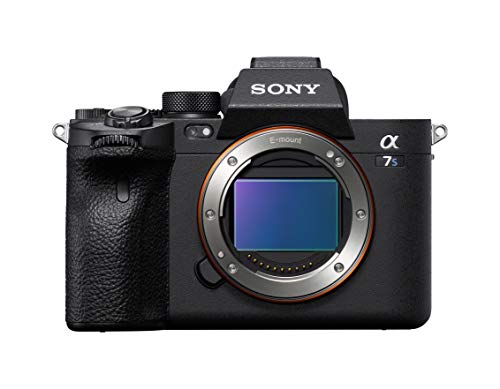


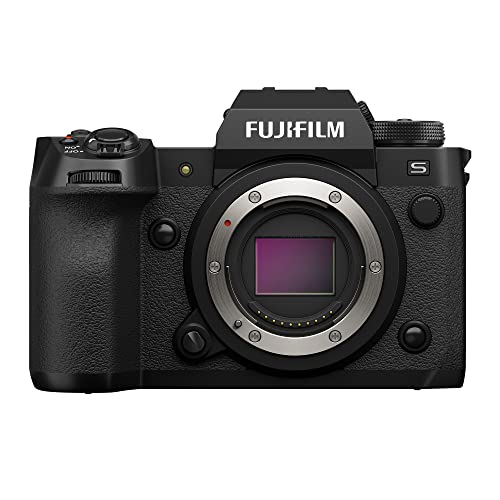
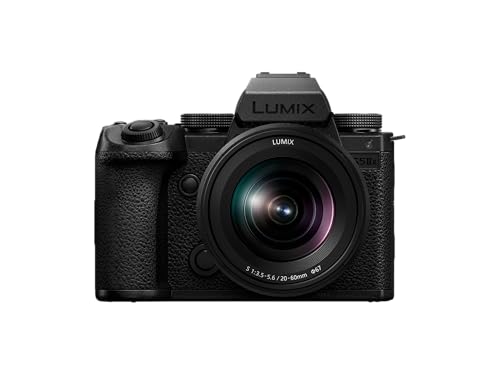


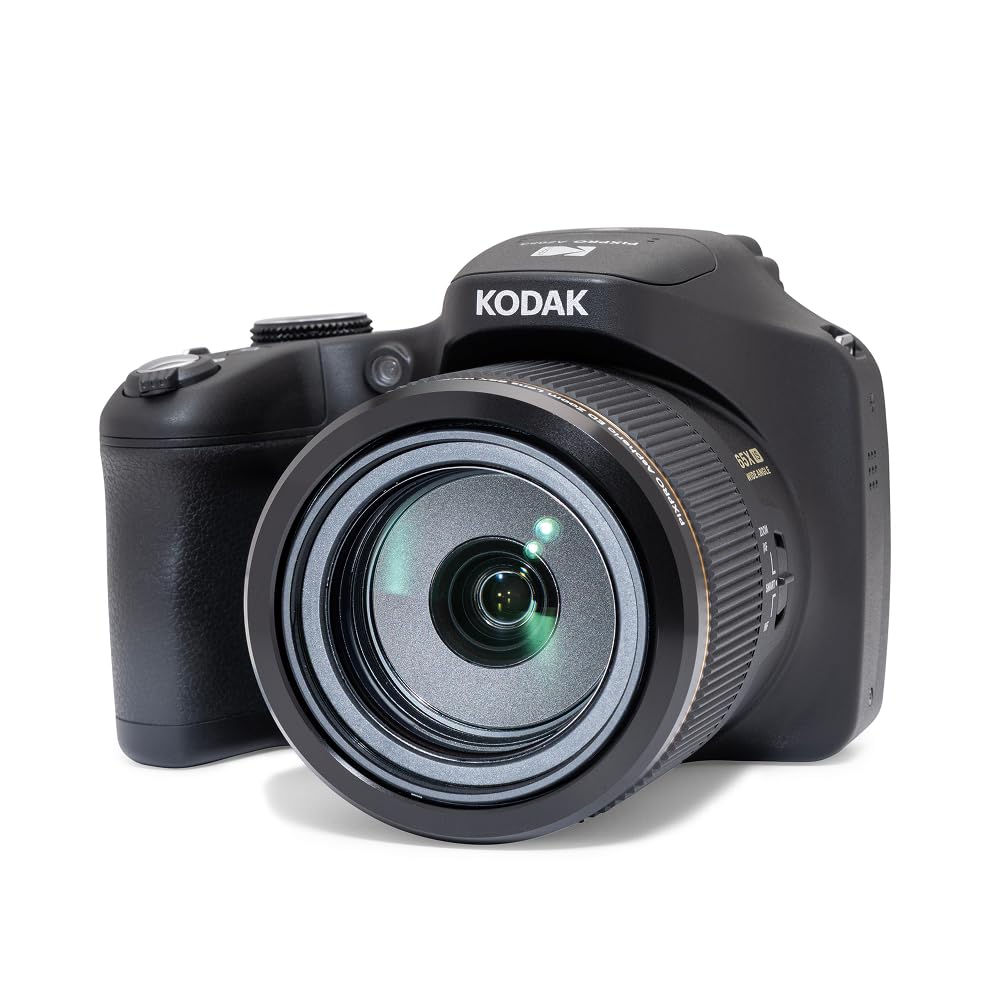
Who Should Buy Which Camera for Star Pictures?
Choose by your usual night, not by a dream trip you may take once. Sky brightness, travel distance and session length matter more than a long feature list.
Milky Way Photographers Who Travel to Dark Sites
You drive away from town lights and shoot landscapes under a broad sky for an hour or more. Choose a full frame camera with strong high ISO control and a fast wide lens, because both help you keep exposures short enough to hold stars still. Weight matters too, since you carry a tripod and warm layers as well.
Backyard Learners Building Night Skills on a Budget
You are learning exposure, focus and composition close to home, where the sky is brighter and sessions are shorter. An APS C camera with manual mode, RAW files and a fast prime lens is enough to learn every core skill. Spend first on a steady tripod and the lens, and upgrade the body later.
Deep Sky Hobbyists Who Shoot Long Tracking Sessions
You aim at nebulae, galaxies and star clusters, often with a tracker that follows the sky during long exposures. Choose a camera with bulb mode, an interval timer or a remote port, and power that lasts through repeated frames. If you also shoot general scenes by day, see our guide to the best cameras for picture taking for broader everyday models.
Key Features to Compare
Compare these five factors in order, because the best cameras for taking pictures of stars share strengths in each one.
How Sensor Size Shapes Your Night Sky Shots
Sensor size affects how much light each pixel can gather during a short night exposure. Full frame sensors tend to give cleaner shadows and smoother color at high ISO than APS C sensors, while 1 inch compact sensors show grain sooner. Megapixel count alone tells you little, since small pixels on a crowded sensor can be noisier than fewer larger pixels. Choose RAW capture for far more shadow detail in editing.
Low Light Performance and High ISO Control
Star pictures often need ISO settings of about 1600 to 6400, so noise control at those settings is central to your choice. Fine grain that keeps star color is easier to work with than heavy smearing from strong noise reduction in the camera. Good dynamic range also helps you hold a bright horizon glow without losing faint stars above it. Judge night samples at your expected ISO, not daylight samples.
Fast Wide Lenses for Broad Star Fields
The lens decides how much starlight reaches the sensor during each exposure. A wide lens of about 14 to 24 mm on a full frame camera frames broad Milky Way views, and an aperture of f/1.4 to f/2.8 gathers far more light than a slow kit zoom at f/3.5 or f/4. Corner sharpness matters too, because weak lenses stretch stars into odd shapes near the edges. If you make one major purchase after the body, make it this lens.
Manual Focus Aids and Controls You Can Use in Darkness
Autofocus has too little light and contrast to lock onto most stars, so manual focus support is essential. Magnified live view lets you enlarge a bright star until it shrinks to its smallest point, and focus peaking can confirm that point on some models. A built in interval timer, a remote release port and bulb mode let you repeat long exposures without shaking the camera. A dimmable screen also helps, since bright menus spoil night vision.
Stabilization, Battery Life and Weather Sealing at Night
Image stabilization helps for dusk landscapes and handheld scouting shots, but on a firm tripod it can drift during a long exposure, so most star work is done with it switched off. Cold air shortens battery life, so check shots per charge and whether the camera can run from a USB power bank. Weather sealing guards against dew and light drizzle, though no seal makes a camera safe in heavy rain. See also our guide to the best cameras to take pictures of stars.
Types of Cameras for Star Pictures Compared
Three camera types can record good star pictures, at different costs, sizes and levels of lens and exposure control.
Full Frame Mirrorless Cameras
These cameras pair the largest common sensor size with a wide choice of fast prime lenses, so they suit serious Milky Way and deep sky work. They cost the most and form the heaviest kit once you add a lens and tripod. Choose this type if clean high ISO files matter more than price or pack size. See also our guide to the best cameras for stars.
APS C Mirrorless and DSLR Cameras
APS C models cost less and weigh less, and many share the same mounts and focus aids as larger models from the same brand. Their smaller sensors show more noise at very high ISO, but a fast lens closes much of that gap in practice. Live view on the rear screen is how you will focus on stars, even on DSLR versions.
Compact Cameras with Full Manual Control
A compact camera with manual exposure, manual focus and RAW files can capture bright constellations and wide star fields over a landscape. Its fixed lens and smaller sensor limit faint detail, and you cannot swap in a faster lens later. Choose one only if a camera you always carry will get far more use than a larger kit left at home.
Common Mistakes to Avoid
Most failed first sessions come from a few repeatable errors.
- Buying by megapixel count alone leaves you with small noisy pixels and a slow lens that starves them of light.
- Using autofocus on a dark sky gives you soft stars, because the camera has almost nothing to lock onto.
- Shooting from a weak tripod or a windy ridge blurs every frame, even with a costly camera body.
- Leaving stabilization on during tripod exposures can soften stars as the system hunts for motion that is not there.
- Picking a slow kit zoom as your only lens forces ISO so high that noise hides faint stars.
Care and Maintenance for Cameras Used at Night
Dew is the main enemy of night gear. When you come in from cold air, place the camera in a closed bag before you enter, so moisture forms on the bag instead of inside the lens. Let the kit warm before you open the bag, then wipe the body dry and air it until any mist clears.
Clean the front lens element with a blower first and a proper lens cloth second, never with a shirt that can drag grit across the glass. Keep a spare battery warm in an inside pocket during a session and store the camera in a dry padded bag at home. Check tripod screws and the mounting plate before each trip, since a loose plate can drop a camera in the dark.
FAQ
What features matter most in a camera for taking pictures of stars under dark skies?
A fast lens, clean high ISO files and reliable manual focus matter most for star pictures under dark skies. One point buyers often miss is filter thread size on the lens, since a light pollution filter can help near towns but does nothing under a truly dark sky. Spend on travel to a dark night first, because no filter restores stars that town glow has hidden.
What camera specs matter most for beginners taking pictures of stars?
Beginners photographing stars need manual exposure, RAW files and a screen that tilts for low tripod work. A custom mode you can save is a quiet advantage, since you can store your night settings and recall them in seconds on site. Start with those basics and ignore burst speed and video menus until your still images improve.
How much should I spend on a first camera for taking pictures of stars?
A sensible first star camera setup costs about $600 to $1,200 with an entry level body, a fast prime lens and a firm tripod. Spending about $1,500 to $2,500 buys full frame files and wider lens choice. Buy the tripod and lens before a flagship body.
Is a smartphone enough instead of a camera for taking pictures of stars?
A smartphone is enough for bright constellations and for learning where the Milky Way rises. Its small sensor and fixed lens limit faint detail, and its automatic stacking can leave odd artifacts around trees and rooflines. A dedicated camera gives you control over focus, exposure length and file quality.
What focal length works best for Milky Way photos with a star camera?
A focal length of about 14 to 24 mm on a full frame camera works best for most Milky Way landscapes. The 500 rule gives a rough limit: divide 500 by your focal length for the seconds before trailing shows in modest prints. On an APS C camera you need a shorter lens for the same wide view, because its smaller sensor crops the scene.
Final Thoughts
Buy for the night sky you actually have. Match the sensor to your budget, put a fast wide lens ahead of extra megapixels, and insist on manual focus aids, an interval timer and a tripod you trust. Use the product table above to check those points against price before you order.
With those basics settled, the best cameras for taking pictures of stars become the ones you will carry out on clear nights again and again. Start with one wide composition and let skill, patience and dark skies do the rest.