Best Cameras for Picture Taking: Buying Guide for 2026
Disclosure: We may earn a commission when you buy through links on this page, at no extra cost to you. As an Amazon Associate I earn from qualifying purchases. Learn more

Compare cameras for everyday picture taking by sensor, zoom, battery and ease of use, with simple price bands to help you choose a camera you will carry.
Most everyday pictures are unplanned. A child laughs at breakfast or a dog finally sits still, and you have seconds to react. The best cameras for picture taking are the ones that are close, charged, and ready in that moment, not the ones with the longest feature list. This guide starts with that daily reality and works outward from it.
You will find the choice sorted in a practical order. Habit comes first, then an honest look at your phone, then the sensor, lens, and battery questions that decide daily results. Keep the comparison table below beside you as you read, because each section explains one row or figure in that table.



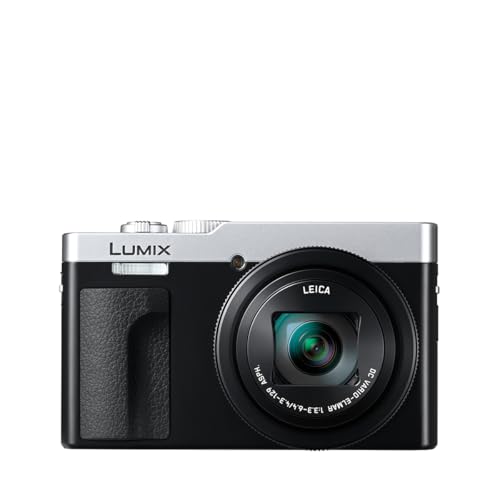
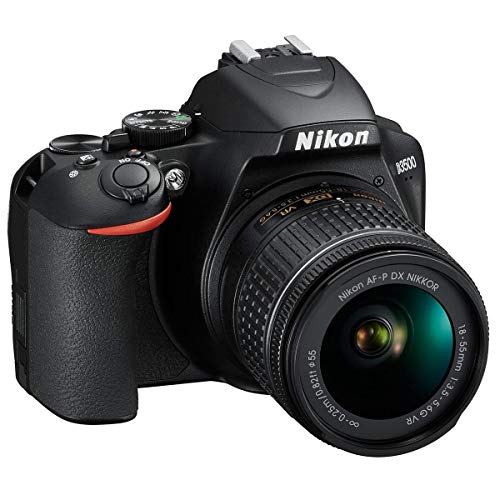
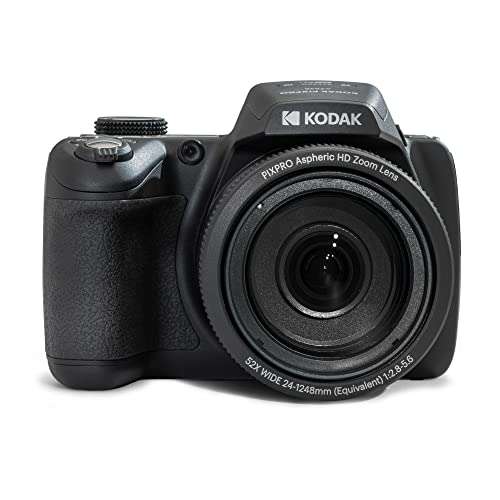
Start With the Camera You Will Actually Carry
The Habit Test Comes First
A picture taking camera is judged by whether it gets used. The camera that is with you is the one that matters, because a superb camera left in a drawer takes no pictures at all. Count your real picture days in a normal month, and notice where they happen: at home, on walks, at school events, or on trips. Then choose the size you will carry on those ordinary days, not the class you admire in a shop.
Habit also shapes the controls you should buy. A camera that powers on fast, focuses without a fight, and sends pictures to your phone in a minute supports a daily habit. A camera that needs a bag, a charged spare, and ten menu choices before the first frame quietly teaches you to stop bringing it. Small friction, repeated daily, decides ownership more than any single specification does.
Your Phone Sets the Bar
The phone is the real rival. It is already in your pocket, it shares pictures in seconds, and in bright daylight its results satisfy most families. A dedicated camera must win on handling, zoom, or low light to earn its place beside that phone. If a model cannot beat your phone clearly in at least one of those three areas, it adds cost and weight without adding pictures.
Handling is the win most buyers feel first. A real grip, a shutter button with a clear half press, and dials you can turn without looking change how confidently you shoot moving children and pets. Zoom is the second win, because optical reach keeps quality at distances where a phone crop turns soft. Low light is the third, since a larger sensor holds color and detail indoors after sunset in a way small phone sensors still struggle to match.
Simple Controls You Understand Beat Deep Menus
An automatic mode that a beginner actually understands beats a manual mode that stays unused. Full auto and scene modes are not a compromise for everyday picture taking; they are the reason many owners take more pictures in the first month. Clear auto exposure, face detection, and a screen you can read in sunlight matter more at this stage than deep custom settings you may never open.
A camera with a good auto mode plus one or two dials for exposure adjustment lets you learn at your own pace. You can start fully automatic, then try guiding brightness as confidence grows. That gentle ladder keeps the camera friendly in week one and still interesting later, which is exactly what a lasting habit needs.
How to Choose the Best Cameras: Buying Guide
Shoppers comparing the best cameras for picture taking often start with megapixels, but daily results turn on a shorter list. Work through sensor size, battery life, body size, ease of use, and lens range in that order. Each factor below explains what it changes in real pictures, which figure to look for, and who should weight it most heavily when the budget forces a choice. The classes named here match the rows in the product table above.
Features That Matter for Picture Taking
Everyday picture taking rewards speed and forgiveness above peak sharpness. Look first for fast and reliable autofocus that locks onto faces and eyes, because missed focus ruins more family pictures than any other flaw. Image stabilization is next, since it steadies handheld shots at kitchen table light and dusk without a tripod.
A tilting screen helps with low angles for children and pets and with high angles over crowds. Quick transfer to a phone matters too, because pictures that stay trapped on a memory card rarely get shared or printed.
Sensor Size and Image Quality
Sensor size sets the ceiling for image quality, especially indoors. Small sensors in basic compacts suit bright days and small prints, while a 1 inch sensor gives a clear step up in evening and indoor clarity for a modest size increase. APS C sensors, common in mirrorless bodies, hold detail and smooth tones at higher sensitivity settings, and full frame sensors go further still for buyers who shoot often in dim rooms. Megapixel counts matter less than sensor size once you pass about 20 megapixels, which already covers large prints for most homes.
Low light is where sensor size becomes personal. Birthday candles, school concerts, and night markets all punish small sensors with grain and smeared detail, while larger sensors keep faces clean and colors true. Readers drawn to the sky after dark face the strictest version of this test, and our guide to the best cameras for taking pictures of stars shows how sensor size and lens brightness combine when the subject is starlight itself.
Battery Life and Charging
Battery ratings are given in shots per charge, and everyday buyers should treat about 300 shots as a workable floor and 400 or more as comfortable. Screen use, video clips, and cold weather all drain a battery faster than the rating suggests. USB C charging is worth seeking, because it lets you top up from a car or a laptop instead of packing a dedicated charger.
Size, Weight, and Ergonomics
Weight decides carrying more honestly than any promise you make in the shop. Pocketable compacts at around 200 to 300 grams disappear into a jacket or a small bag, while mirrorless kits with a zoom lens often reach 600 grams or more before you add a strap and a spare battery. Hold any candidate with one hand, work its dials, and check whether the grip suits your hand size, because a cramped grip will annoy you for years.
Ease of Use for Your Skill Level
Match the control layout to your honest skill level today, not to the photographer you hope to become by next summer. New buyers do best with a clear auto mode, guided scene settings, and a menu written in plain words with icons you can guess. Touch focus on the rear screen feels natural if you learned photography on a phone. More experienced buyers can use extra dials, custom buttons, and manual focus aids, but those extras only pay when you already know which setting you want to change.
Lens and Zoom Range
The lens decides what scenes fit in the frame. A wide end near 24 mm in full frame terms suits rooms, groups, and streets, while a telephoto end of 100 mm or beyond isolates people and details across a garden or a hall. Optical zoom preserves quality across that range; digital zoom simply crops the picture and should be ignored in comparisons.
Lens brightness, written as an f number such as f2.8 or f4, controls low light results and background softness, and lower numbers help indoors. Fixed lens compacts trade flexibility for size, while interchangeable lens bodies let you add a brighter portrait or travel lens later.
Types of Cameras for Everyday Pictures
Every camera in this guide sits inside the wider class described in our guide to the best digital cameras, so the sections below sort that wide class by size and purpose. Readers who want the broad picture first can also browse our guide to the best cameras for pictures, which covers framing and light across all of these classes.
Compact Cameras
Compact cameras are the pocket class, built around a fixed zoom lens and a body that travels anywhere. They suit buyers who want better reach and steadier handling than a phone without carrying a kit bag. Expect simple auto modes, useful optical zoom for holidays and school halls, and prices from about $150 to $600 depending on sensor size. Their limits are low light quality and fixed lenses, so they fit daylight and well lit indoor life best.
Mirrorless Cameras
Mirrorless cameras pair interchangeable lenses with electronic viewfinders and strong autofocus in bodies smaller than older reflex designs. They suit growing photographers who want one system for family life, travel, and later lens additions. Eye detection focus, quiet shutters, and good video make them versatile daily tools.
Prices start at about $500 to $900 for a body with a standard zoom and rise with brighter lenses. The honest cost is total kit weight and lens spending over time, so buy the lens plan, not just the body, and keep the first kit small enough to carry daily.
Action Cameras
Action cameras are small, tough, and wide angled, built to ride on a helmet, a bike, or a snorkel trip and survive water and knocks. As stills cameras they shine for outdoor play and travel moments where a normal camera would stay in its bag for safety. Fixed wide lenses limit portraits and distant subjects, and small sensors limit indoor quality. Buyers who chase fast moving subjects in daylight should also compare the handling advice in our guide to the best cameras for sports pictures, because burst speed and tracking focus matter there as much as toughness does.
Instant Cameras
Instant cameras print a physical picture seconds after you press the shutter, and that print is the whole point of the class. They suit parties, family gatherings, and scrapbooks where a shared print delights people. Picture quality is modest, each print costs real money, and you get one copy only. Read about the best instant picture cameras as a class contrast with the digital classes above: instant trades editing, sharing, and low running cost for immediacy and charm, which some households happily accept.
Setup and Care Tips
A few small routines protect daily results and keep a camera ready for the next unplanned moment. None of them takes long, and together they prevent most of the faults that owners blame on the camera itself.
- Clean the lens with a cloth, not your shirt: shirt fabric can drag grit across the glass and leave fine marks, so keep a small microfiber cloth in the bag and use it before important shots.
- Carry a charged spare battery: a flat battery ends a picture day completely, and a spare in the bag turns that ending into a one minute pause at about $20 to $50.
- Store the camera dry and padded: a padded bag away from bathroom steam and car heat protects the lens mechanism, the screen, and the battery between uses.
- Format the memory card in the camera: formatting in the body you shoot with prevents file errors that formatting on a computer can sometimes introduce over time.
- Update the firmware when the maker offers it: makers often improve autofocus behavior and fix small faults through free updates, so check twice a year with the battery well charged.
Questions Answered for Everyday Picture Taking
What features matter most in cameras for picture taking?
Fast face and eye autofocus matters most, because everyday subjects move and rarely pose twice. One point the body sections only touch briefly is shutter sound: a quiet or silent shutter mode helps at school events and in places of worship, where a loud click can draw attention and make subjects self conscious. Check for a silent option if you often shoot quiet gatherings.
Is a smartphone enough instead of a dedicated camera?
A smartphone is enough for bright daylight snapshots and instant sharing. A dedicated camera earns its place for optical zoom, indoor gatherings, and fast moving children where phone crops and slow low light focus show their limits. A useful extra test is printing: phone pictures printed large for a wall often reveal softness that a bigger sensor avoids. If you print birthdays and holidays at larger sizes, that difference alone can justify the camera.
What specs matter most for beginners buying a first camera?
A clear auto mode, reliable autofocus, and a lens covering wide rooms to modest distance matter most for a first camera. Beginners often overlook card speed, yet a slow memory card can delay burst shooting at sports days and school plays. A card rated for fast writing costs little, at about $15 to $30, and keeps the camera responsive when moments arrive in quick groups.
Which camera class handles low light best for indoor pictures?
Larger sensor mirrorless cameras handle low light best, because their sensors gather more light and their lenses can open wider than compact lenses. Full frame bodies lead, with APS C bodies close behind for most homes. One extra factor is light color: indoor bulbs mix warm tones that can confuse automatic white balance, leaving faces orange. Learning the indoor white balance preset, a one minute menu change, often improves evening pictures more than a more expensive body would.
How much should I spend on a first everyday camera?
Most first buyers spend wisely at about $300 to $800, which covers strong compacts and entry mirrorless kits with a standard zoom. Below that band, sensor size and autofocus usually shrink enough to feel close to a phone. Above it, gains turn gradual and lens spending matters more than body spending. Reserve part of the budget for a bag, a spare battery, and a fast card from the start, because a camera that is protected, powered, and ready supports the daily habit this guide puts first.
Wrapping Up
Choose by habit first, by the phone test second, and by controls you understand third. Sensor size, sensible battery life, and a lens range that fits your rooms and distances then settle the shortlist far better than any megapixel race. When you are ready, compare your final classes in the product table above, and pick the best cameras for picture taking option that you know, honestly, will leave the house with you most days.