
Best Cameras for Stars: Everything to Know Before Your First Purchase for 2026
Disclosure: We may earn a commission when you buy through links on this page, at no extra cost to you. As an Amazon Associate I earn from qualifying purchases. Learn more
Shopping for the best cameras for stars for the first time? Learn the terms, compare options, and avoid rookie mistakes with this easy guide.
Buying your first camera for the night sky feels confusing because the listings assume you already know the language. This guide starts from zero, explains each term in plain English, and shows you what actually matters when you shop for best cameras for stars on a realistic budget. You do not need pro gear to record the Milky Way, bright planets, and wide star fields.
Work through the basics first, then use the comparison table below to line up models that fit your budget and the skies you shoot under most often.
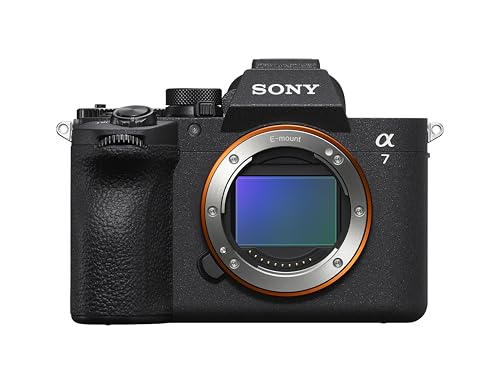


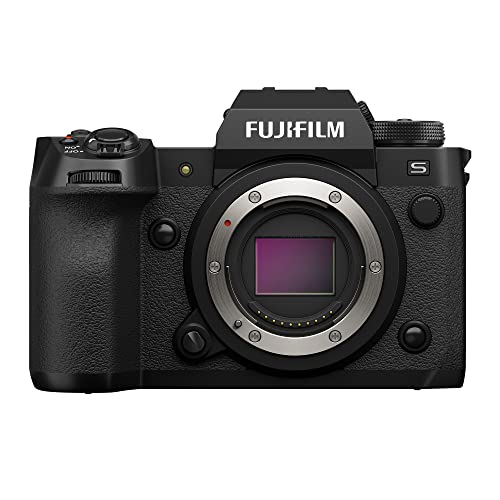
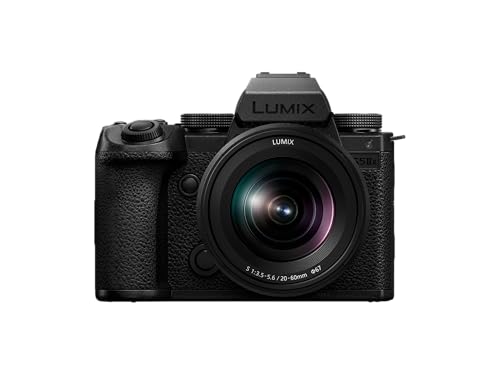



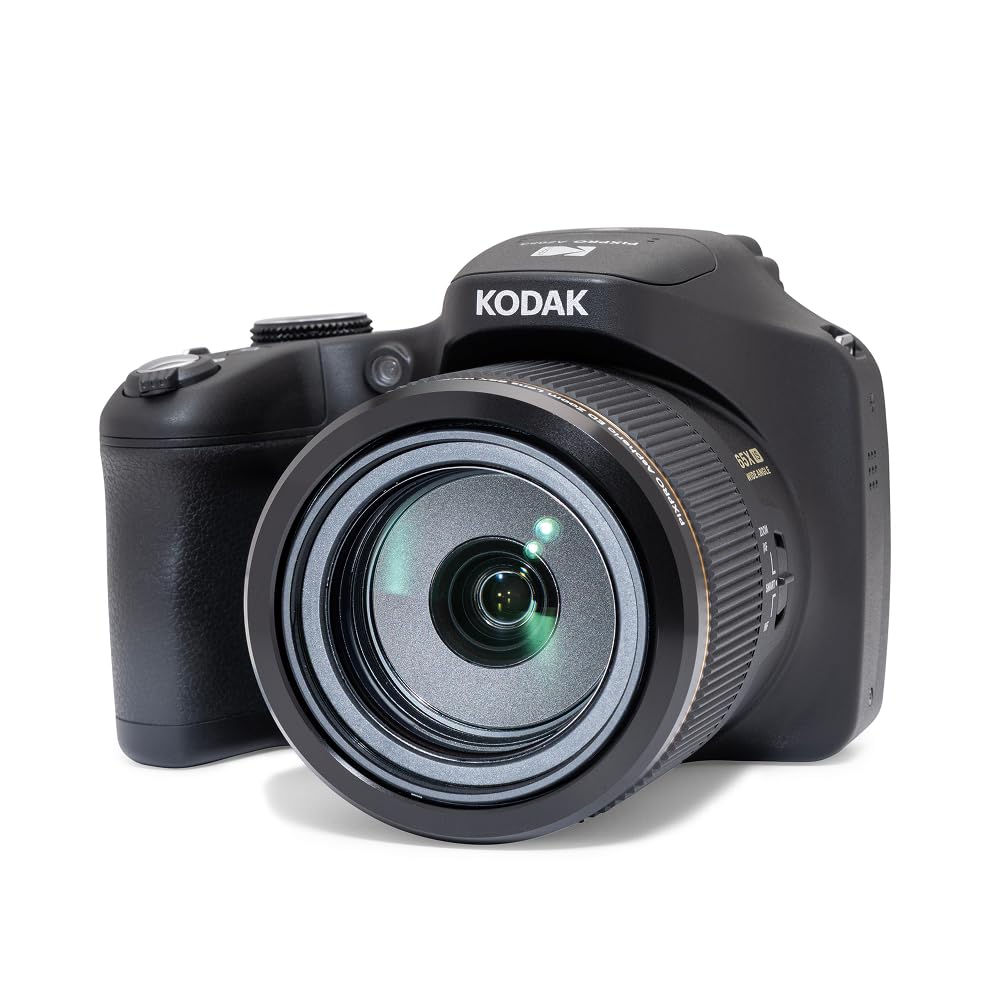
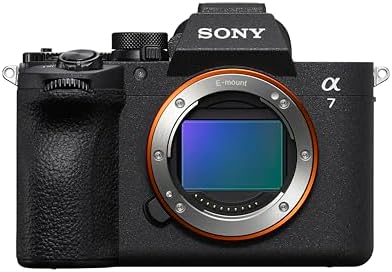
Cameras 101: The Basics
A camera for stars does one job that a daytime camera rarely has to do. It must gather very faint light for many seconds at a time and turn that light into a clean image with visible stars, soft gradients, and as little grain as possible. The body holds the sensor and the controls, while the lens gathers the light and focuses it onto that sensor.
Three broad types cover most first purchases. Point and shoot compacts are small and simple, with a fixed lens and friendly auto modes, though only some allow full manual control. Mirrorless cameras use interchangeable lenses and larger sensors, and they dominate serious night sky work. DSLR bodies work in a similar way and remain a valid used option if the price is right.
If you are still weighing basic camera types, see our guide to the best digital cameras for a broad overview of how the main families differ.
Two settings do most of the work at night. Shutter speed controls how long the sensor collects light, often 10 to 25 seconds for wide star fields. Aperture, written as an f number, controls how wide the lens opens, and a lower number means more light reaches the sensor with each passing second.
Key Specs Explained in Plain English
The sections below translate the listing jargon into buying decisions. Read each one once, note the level that fits your skies and your budget, and then check the product table above for models that meet those levels.
Features That Matter for Stars
Full manual control is the first feature to confirm, because you must set focus, shutter speed, aperture, and sensitivity yourself. A lens that opens to f/2.8 or wider collects far more starlight than a slow kit lens, so lens speed often matters more than body price. Raw file support also matters, since raw files hold more detail for editing faint sky tones later.
If your main goal is detailed Milky Way work, see our guide to the best cameras for star photography for a deeper look at that specialty. For most beginners, though, a wide angle lens, manual focus aids such as focus peaking and magnification of the live view, and a bright rear screen matter more than exotic features. A remote release or a built in timer also helps, since touching the camera can shake a long exposure.
Sensor Size and Image Quality
Sensor size describes the physical area that captures light, and bigger sensors generally handle darkness more cleanly. A 1 inch sensor sits in better compacts and can record bright star fields, though fine detail and faint stars may look soft. APS C sensors, common in starter mirrorless bodies, offer a strong balance of price, size, and clean results at high sensitivity settings.
Full frame sensors are the largest common option and tend to give the cleanest files and the widest true field of view with a given lens. The tradeoff is cost and weight, since full frame lenses are larger and pricier. Megapixel count is a poor guide on its own, because cramming more pixels onto a small sensor can add grain, while a moderate pixel count on a larger sensor often looks better at night.
Readers who care most about build and image quality across all conditions can also see our guide to the best quality cameras. For star work alone, treat sensor size as your main quality signal and megapixels as a secondary detail that mainly affects printing size and cropping room.
Battery Life and Charging
Night sessions drain batteries faster than daytime shooting for two reasons. Long exposures keep the sensor and processor working for many seconds per shot, and cold air lowers battery output on winter nights. Look at the rated shots per charge, but treat that number as a best case, since a few hundred daytime shots can shrink to far fewer long exposures after dark.
USB C charging is worth having because you can top up the battery from a car or a power bank while you travel to a dark site. A spare battery is close to essential, and keeping it in an inside pocket keeps it warmer and ready.
Low Light Performance
Low light performance describes how clean an image looks when the camera raises its sensitivity, shown as ISO. A camera that stays usable at ISO 3200 to 6400 gives you real freedom, since you can keep exposures short enough that stars stay as points instead of trails. Grain, called noise, shows up first in dark sky areas, so clean high ISO files matter more here than in daylight work.
Lens speed and sensor size work together on this point, and neither one fully replaces the other. When you compare listings, ignore vague claims about night vision and look instead for the maximum aperture, the sensor size, and sample images shot at high ISO settings.
Video Capabilities
Most star cameras also shoot video, and 4K video gives crisp clips of the moon, bright planets, and events such as meteor showers. Frame rate matters for smoothness, and 4K at 30 frames per second suits most beginners, while higher rates help with slow motion daytime clips. A log profile, if offered, records flatter footage with more editing room, though it needs extra work on a computer.
Check for a microphone input if you plan to narrate clips, and a screen that flips forward if you film yourself in the field. Video also serves as a handy planetary tool, since stacking many short frames from a clip can reveal detail on Jupiter or Saturn.
Rookie Mistakes to Avoid
First time buyers tend to repeat the same handful of errors, and each one below costs money or ruins early photos. Read the list before you order, not after your first frustrating night out.
- Buying on megapixels alone: a high pixel count on a tiny sensor adds grain at night, so you pay more for files that look worse in the dark.
- Ignoring the lens: a slow kit lens starves the sensor of light, so even a strong body produces dim and noisy star photos.
- Skipping manual focus tools: autofocus hunts in darkness and often locks onto nothing, so a body without focus aids makes sharp stars a matter of luck.
- Forgetting the tripod budget: long exposures blur with any movement, so money spent on the camera alone leaves you with shaky results.
- Chasing optical zoom numbers: a long zoom range means little for wide star fields, and extreme zoom lenses are usually slow at the settings you need most.
- Shooting only in JPEG: compressed files discard faint sky detail, so editing later cannot recover stars that the camera threw away.
Image stabilization helps with handheld daytime shots, but it cannot freeze a 20 second exposure and should be switched off on a tripod. Treat it as a daytime bonus, not a reason to choose one star camera over another.
Getting Started: Setup and First Use
Start at home in daylight, not in a dark field. Charge the battery fully, format the memory card in the camera, and set the clock so your files sort correctly later. Switch the camera to manual mode, turn off autofocus, and practice finding the focus ring, the shutter dial, and the ISO control until your fingers know them by touch.
On your first night, pick a spot with a clear view away from streetlights and arrive before full darkness. Mount the camera on the tripod, level it, and use the screen magnification view to focus on the brightest star or a distant light until it shrinks to the smallest point. Set a 2 second timer or use a remote so your hand leaves the camera before the exposure begins.
Begin with simple test settings, such as a wide aperture, ISO 3200, and a 15 second exposure, then review the shot at full zoom on the screen. Adjust one setting at a time so you learn what each change does to brightness, grain, and star shape. Use a lens cloth, not your shirt, to clear dew or dust, since shirt fabric can smear moisture and scratch coatings over time.
Carry a spare battery and a small flashlight with a dim setting. Many buyers also shoot family and travel photos by day, and if that mix sounds like you, see our guide to the best cameras for photography for help balancing both uses.
FAQs
What features matter most in a camera for stars?
Manual control, a fast lens, and clean high ISO results matter most in a camera for stars. One point buyers often miss is the interval timer, which lets the camera take many exposures in a row without you touching it. That feature helps you build star trail images and time lapse clips, and it costs nothing to check before you buy.
Is a smartphone enough instead of a camera for stars?
A modern smartphone can record bright constellations and the Milky Way core in its night mode, so it is enough for casual snapshots. Its small sensor and fixed lens limit faint detail, and long sessions drain the phone you may need for maps and safety. A dedicated camera also keeps your phone free and gives you raw files with far more editing room.
Which camera type is better for low light star photos?
Mirrorless cameras with APS C or full frame sensors are generally better for low light star photos than small sensor compacts. One extra factor is lens choice, since mirrorless systems let you add a fast wide prime later without replacing the body. Compacts still win on size, so the better type depends on whether you value clean files or a camera that fits in a jacket pocket.
How much should you spend on your first camera for stars?
Most first time buyers do well with a budget of around $500 for a camera and lens, then setting aside money for a tripod. Spending less can still work if you buy a used body with manual control and raw support. A useful rule is to hold back about a fifth of your total budget for the tripod, a spare battery, and a memory card, since those items decide whether the camera works well in the field.
Wrapping Up
Keep your decision simple by ranking three things in order. Put manual control and a fast lens first, sensor size and clean high ISO results second, and battery life with USB C charging third, then match those levels against the product table above. Video extras, flip screens, and deep menus are pleasant bonuses, but they should never outweigh the basics that decide whether faint stars record cleanly.
Buy for the skies you actually visit and the photos you most want to bring home, and leave room in the budget for a solid tripod and a spare battery. Chosen that way, the best cameras for stars become a practical first step into night sky photography rather than an expensive gamble, and your early sessions will teach you faster than any listing can.


