
Best Cameras for Sports Photography in 2026: Which Type Is Right for You?
Disclosure: We may earn a commission when you buy through links on this page, at no extra cost to you. As an Amazon Associate I earn from qualifying purchases. Learn more

Compare mirrorless, DSLR, action and compact camera types for sports photography, with autofocus, burst, lens and budget guidance for gym and field play.
A winger breaks past the last defender, your camera hunts for focus, and the moment is gone before the shutter fires. That frustration is normal, because fast play asks more of a camera than portraits or landscapes ever do. Choosing the best cameras for sports photography starts with the type of camera, not a brand badge, since each type trades reach, speed and low light strength in a different way. This guide compares the types side by side so the trade offs are clear before you spend anything.
Two questions decide most of the choice. Where will you stand, on a sideline, in gym bleachers or on the field itself, and how much light will you have when the play happens. Answer those honestly and the right class usually picks itself. Use the comparison table below to see the classes at a glance, then read the sections that match your sport, your distance from the action and your budget.


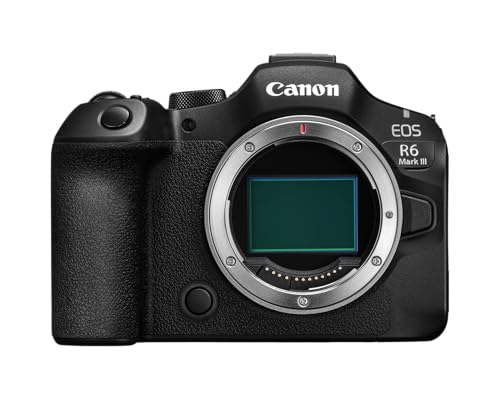

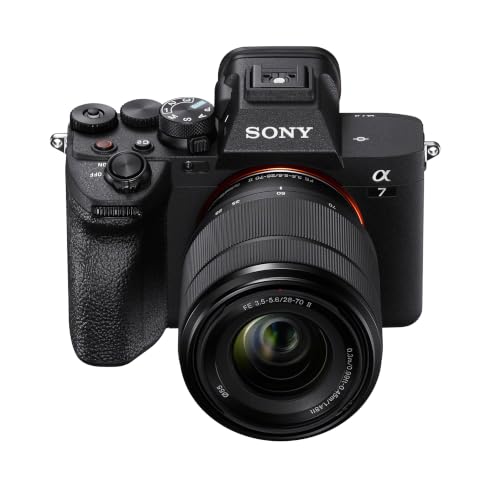


Types of Cameras Compared
Four types cover nearly every sports buyer, and the table below sorts them by the job each one does best. The table gives the short version. The sections after it explain how each type behaves during a real game, because burst numbers and zoom figures on a box say little about tracking a runner in fading light.
| Type | Best For | Pros | Cons | Typical Price |
|---|---|---|---|---|
| Mirrorless Cameras | Field and gym sports with interchangeable lenses | Fast tracking focus, strong video, growing lens catalogs | Batteries drain faster, top bodies cost a lot | about $700 to $3,500 for the body |
| DSLR Cameras | Sideline stills on a careful budget | Optical finder with no lag, long battery life, deep used lens market | Bulky kits, weaker video focus, slower new lens development | about $500 to $2,500 for the body |
| Action Cameras | Players, coaches and close up drill footage | Tiny, rugged, very wide view, mounts almost anywhere | Fixed lens with little reach, small sensor struggles in gyms | about $200 to $500 |
| Point and Shoot Compacts | Bleacher seats and school games in daylight | Long zoom in one unit, simple controls, no lens changes | Small sensor, slower tracking, dim gyms expose the limits | about $300 to $1,000 |
Mirrorless Cameras
A mirrorless camera has no flipping mirror. The sensor feeds an electronic finder that shows your exposure before you shoot, so a dark gym or a bright noon game is visible as the picture will record it. Modern focus systems in this class track a chosen subject across the frame and hold on through other players crossing in front. Burst speeds are high, and the newest sports bodies pair that speed with deep buffers that keep firing while files write to the card.
Choose this type if sports are your main subject and you expect to grow into longer lenses over several seasons. The costs are real. Electronic finders and fast processing drain batteries far sooner than a DSLR, so a spare battery is part of the kit, not an extra. An electronic shutter can also lean straight lines during very fast pans on some bodies, a rolling shutter effect that a mechanical shutter avoids. Lens mounts are newer, which means catalogs are still filling out at the long, fast end.
DSLR Cameras
A DSLR uses a mirror and an optical finder, so you see the play through the lens itself with no screen delay at all. Focus modules in sports oriented DSLR bodies are mature and predictable, and a single battery can cover a full tournament day. Because these systems have been sold for decades, long lenses circulate second hand in large numbers, which matters when the lens, not the body, eats most of a sports budget.
Choose this type if stills are the job, your budget is firm and you are happy buying lenses used. Readers comparing the classic route can see how the classes stack up in our guide to best dslr cameras for sports photography before committing to a mount. The trade offs are size, weight and video. Autofocus during video is a weaker point in this class, and makers now aim their new lens development at mirrorless mounts, so the used market is where this system keeps growing.
Action Cameras
An action camera is a small, sealed box with a very wide fixed lens, made to be mounted on a helmet, a goal post, a chest strap or the frame of a bike. Stabilization in this class is excellent, the bodies tolerate rain, dust and drops that would end a larger camera, and the wide view captures a whole drill or a whole descent without aiming care. Players wear them. Coaches mount them to watch spacing and form from angles no sideline allows.
Understand what this type cannot do before you buy it as your only camera. The fixed wide lens has almost no reach, so a player across the field stays small in the frame no matter what the zoom setting claims, because that zoom is a crop, not optics. The small sensor also works hard in gym light, where footage turns noisy and soft. An action camera is a second viewpoint and a training tool. It is not a sideline sports camera, and no setting changes that.
Point and Shoot Compacts
A point and shoot compact carries one built in lens that cannot be changed. In sports terms the interesting members of this class are the long zoom models, including larger bridge style bodies whose lenses reach from wide team shots to the far touchline in one unit. You carry one light camera, frame with the zoom lever and shoot, with no bag of lenses and no sensor dust from changing glass in the wind.
The limits are focus speed and light. Tracking in this class is a step behind interchangeable lens bodies, and the small sensor shows noise quickly once gym lights or evening games push sensitivity up. Daylight school sports from the bleachers suit these cameras well. If most of your pictures are birthdays, travel and school events with only occasional games, a general guide to best cameras for photography may match your real week better than a dedicated sports body.
Mirrorless Cameras vs Action Cameras: Which Should You Choose?
These two types sit at opposite ends of the sports problem. On reach, the mirrorless body wins without argument, because a long lens brings distant play close while the action camera keeps everything small and wide. On light, the larger sensor in a mirrorless body holds clean detail in gyms where the action camera turns grainy. On viewpoint, the order reverses. Only the action camera rides on the player, the post or the handlebars and survives the weather and knocks that come with those spots.
On durability and cost the action camera also leads. It is the cheapest way to add a second angle, and losing one hurts far less than losing a body and lens. So decide by seat. Spectators, parents and team photographers belong on the mirrorless side, with the action camera added later if a mounted view sounds useful. Players and coaches who want the view from inside the play start with the action camera and accept its reach limits from day one.
Many buyers also record, not just photograph. A mirrorless body with strong video focus can shoot stills on Saturday and record the full match on Sunday, and our guide to best cameras for sports photography and video covers that hybrid brief in detail. If video is only an occasional extra, treat it as a tie breaker between two stills bodies rather than the reason to change types.
How to Choose the Right Camera
Type is only the first filter. Inside any type, four factors separate a body that keeps up with play from one that fights you all season: focus tracking, the lens system, low light strength and the weight you will actually carry. Work through them in that order.
Features That Matter for Sports Photography
Autofocus tracking decides more sports pictures than any other feature. Look for a system that locks onto a subject and follows it across the frame, with subject detection classes for people, animals or vehicles that match your sport. Focus speed also lives in the lens, since the motor that moves the glass sits there, so a fast body behind a slow focusing lens still hunts. Test the pairing on moving subjects, not on a still target in a bright store.
Burst rate is the second headline, and buffer depth is the figure behind it that actually matters. A body may promise a very fast burst yet slow down after a second or two because its buffer fills and the card cannot accept files fast enough. Card write speed classes and, on higher bodies, dual card slots decide how long the burst you paid for really lasts. For most field sports a moderate burst with a deep buffer beats a spectacular burst that stalls.
Reach and Lenses Set the Real Budget
Here is the plainest fact in this guide. A fast long lens often costs more than stepping up one whole class of camera body, and it shapes your pictures more. Budget for the lens first and let the body fit what remains. For field sports, working ranges cluster around 70 to 200 mm for near sideline play and 100 to 400 mm when the far side of the field matters. For gym sports, reach matters less and aperture matters more, because a lens that opens to f/2.8 gathers far more light than one that stops at f/5.6.
Choosing a body also chooses a lens catalog, a service network and a used market. Makers with deep sports catalogs, long support windows and wide rental availability lower your long term costs in ways a spec sheet never shows, and the classes gathered under best canon cameras for sports photography show how one such system is organized. Judge any system by the long lenses you can realistically own in two years, not by the body deal in front of you today.
The same system logic applies on the other long running sports mount, where decades of long lenses circulate second hand at every price point. Comparing best nikon cameras for sports photography against the rival catalog on lens depth, repair support and warranty terms is a fair way to pick a side. Neither system wins for everyone. The one with the used 70 to 200 mm lens you can afford this season usually wins for you.
Low Light Performance
Gym sports are the low light test. To freeze a jump shot or a serve, shutter speed must stay fast, around 1/500 to 1/1000 of a second, so the camera raises sensitivity and noise follows. A wide aperture lens and a larger sensor are the two honest answers, in that order for most budgets. Twilight field games under modest lights produce the same problem outdoors, only with more distance added.
One warning saves many buyers money. Image stabilization steadies your hands, not the subject. It helps with slow panning and with still subjects in dim light, but a running player blurs at slow shutter speeds no matter how good the stabilization is. Spend on aperture and sensor before paying extra for stabilization claims when your subject moves for a living.
Sensor Size and Image Quality
Sports bodies come in three broad sensor classes. One inch sensors live in compacts and keep kits small. APS C sensors sit in the middle and make a given lens frame tighter, which sideline shooters experience as extra reach from the same glass. Full frame sensors gather light best at high sensitivity and give the cleanest gym files, at the highest body and lens prices. None of these classes is a mistake. They are three different balances of reach, light and cost.
Megapixels are not the whole story in any class. More pixels help when you crop into distant play, and distant play is exactly where sports shooters crop, so resolution has real value here. It also fills cards faster, demands steadier technique and shows lens flaws sooner. A moderate pixel count on a larger sensor often serves a gym shooter better than a very high count on a small one.
Size, Weight, and Ergonomics
The kit you carry to the far field is the body plus the long lens, and that pairing, not the body alone, decides your afternoon. A monopod is standard sideline equipment for long lenses, not a sign of weakness, and it also steadies video pans. Deep grips matter when gloves come out in cold weather, and a second control dial matters when you change settings without lowering the camera from your eye.
Weather sealing belongs in this section too, because it decides whether you keep shooting when rain starts. Sealing classes vary from light splash resistance to bodies built for steady rain, and every class is resistance, not waterproofing. A sealed body behind an unsealed lens is an unsealed kit. Assume the weakest part sets the limit, keep a rain cover in the bag regardless, and dry the kit at home after a wet game.
Picking the Right Cameras for Different Uses
Two buying patterns cause most of the confusion in this category. One treats the body and lens as separate shopping trips. The other asks a small camera to do a big camera job. Both patterns have a right answer once the use is stated plainly.
When the Lens Matters as Much as the Body
Treat best lens and cameras for sports photography as one system purchase, because the mount you choose today decides every lens you can buy, rent or borrow for years. Three checks keep the system honest. First, confirm the long lens you want exists in that mount at a price you can reach. Second, ask about rental availability near you, since renting a long lens for playoffs is cheaper than owning one. Third, consider a teleconverter class, a small optic that stretches a lens further in exchange for light, as a planned step rather than an afterthought.
When a Simple Compact Is Enough
For bleacher seats at school games, best point and shoot cameras for sports photography usually means a bridge style compact with a long optical zoom, simple controls and a price that survives being dropped. Judge these cameras on three things. Optical zoom is the only zoom that counts, since digital zoom simply crops the picture. Focus should be tested on a moving child or dog before purchase day, not trusted from the box. Daylight is this class at its best, so an evening schedule under weak lights is the honest reason to step up a type.
Care and Maintenance Tips
Sports gear lives outdoors, in dust, rain and crowded bags, so simple habits decide how long it stays reliable. A few routines cover most of the risk.
- Clean the front element with a lens cloth, not your shirt, since grit on fabric scratches coatings.
- Carry a spare battery and a second card, because tournaments run longer than any single charge or card.
- Store the kit in a dry, padded bag, and leave the bag open at home after a wet game so moisture escapes.
- Blow dust off the sensor area with a hand blower before a big day, and never touch the sensor itself.
- Check straps, monopod feet and mount screws monthly, because a loose fitting fails at the worst moment, not the best one.
Cameras: Your Questions Answered
What features matter most in cameras for sports photography?
Tracking autofocus matters most, because a sharp picture of the wrong moment still fails while a tracked subject gives you the whole sequence to choose from. Before buying, test tracking at a practice game rather than a match that counts, moving with real players at real speed. A body that holds focus during practice drills will hold it on game day, and one that hunts in practice will not improve under pressure.
Is a smartphone enough instead of a sports camera?
A smartphone is enough when you stand close to slow play, such as drills, warm ups and young children learning a sport near the fence. Distance is where phones run out, because their zoom is mostly a crop that thins detail quickly. From bleachers or across a field, a dedicated camera with a real optical zoom keeps faces, numbers and ball detail that a phone simply never recorded.
Which camera setup is better for low light sports?
A larger sensor behind a wide aperture lens is better for low light, and the lens usually delivers the bigger gain per dollar. Position helps for free. Shoot from the side of the gym where light falls strongest, and time your bursts as play moves toward you into that light. Front lit action at moderate sensitivity looks cleaner than brighter settings fired across a dim hall.
How much should I spend on my first sports camera?
Spend enough to cover the lens, not just the body, because the lens decides reach and low light strength for years. A workable first split gives about half the budget to the lens, a third to the body and the rest to a spare battery, fast cards and a padded bag. Buying the body alone at the top of your budget leaves the part that matters most underfunded.
What lens length do I need for field sports?
Your usual distance decides the length, so measure it before shopping. Pace out the gap between your normal spot and the far touchline or the far base, then match that distance to a range class. Near sideline work often fits inside 70 to 200 mm, while far side coverage pushes toward 100 to 400 mm. Renting the longer class for one weekend confirms the need before you own it.
Wrapping Up
Three decisions carry this purchase. Tracking autofocus decides whether the moment is sharp, the lens system decides reach and total cost, and sensor plus aperture decide what happens when the light drops. Type follows from those three. Mirrorless leads for most sideline shooters, DSLR value lives in the used lens market, action cameras own the mounted view and long zoom compacts own simple daylight duty.
Match the type to your seat and your sport, check your shortlist against the product table above, and you will land on the best cameras for sports photography for the games you actually shoot. Start with one body and one honest lens, learn them for a season, and let real gaps in your pictures, not advertising, tell you what to add next.


