Best Affordable Cameras for Sports Photography in 2026: Everything to Know Before Your First Purchase
Disclosure: We may earn a commission when you buy through links on this page, at no extra cost to you. As an Amazon Associate I earn from qualifying purchases. Learn more

Compare affordable cameras for sports photography by burst speed, autofocus, sensor size and lens reach, with a simple budget checklist for new buyers.
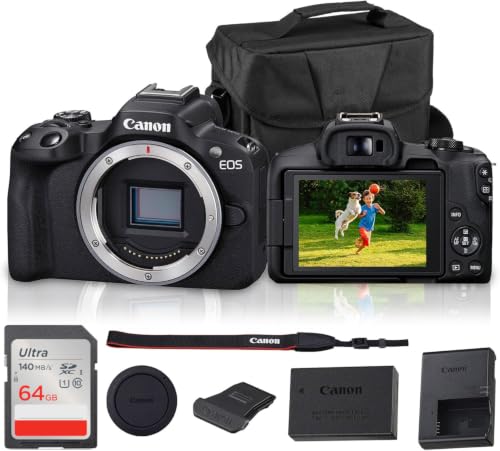
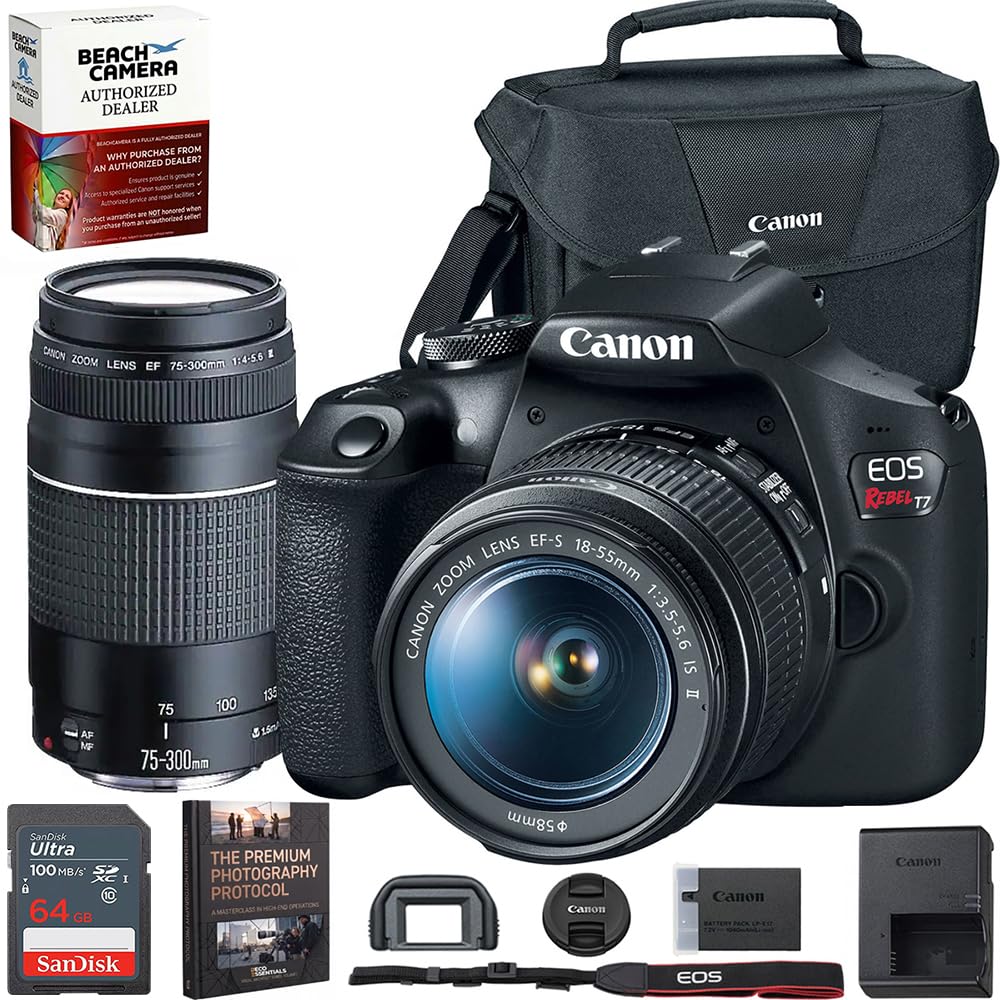
Sports move fast, and a phone or a slow camera often misses the moment you wanted. The best affordable cameras for sports photography fix that with fast autofocus, rapid bursts and lenses that reach across a field, without the price of pro gear. This guide starts with the basics, so you can read the comparison table below with clear priorities.
Think first about the sport you shoot most, the light you shoot in and how far you stand from the action. Those answers decide your sensor, your lens and your budget most.



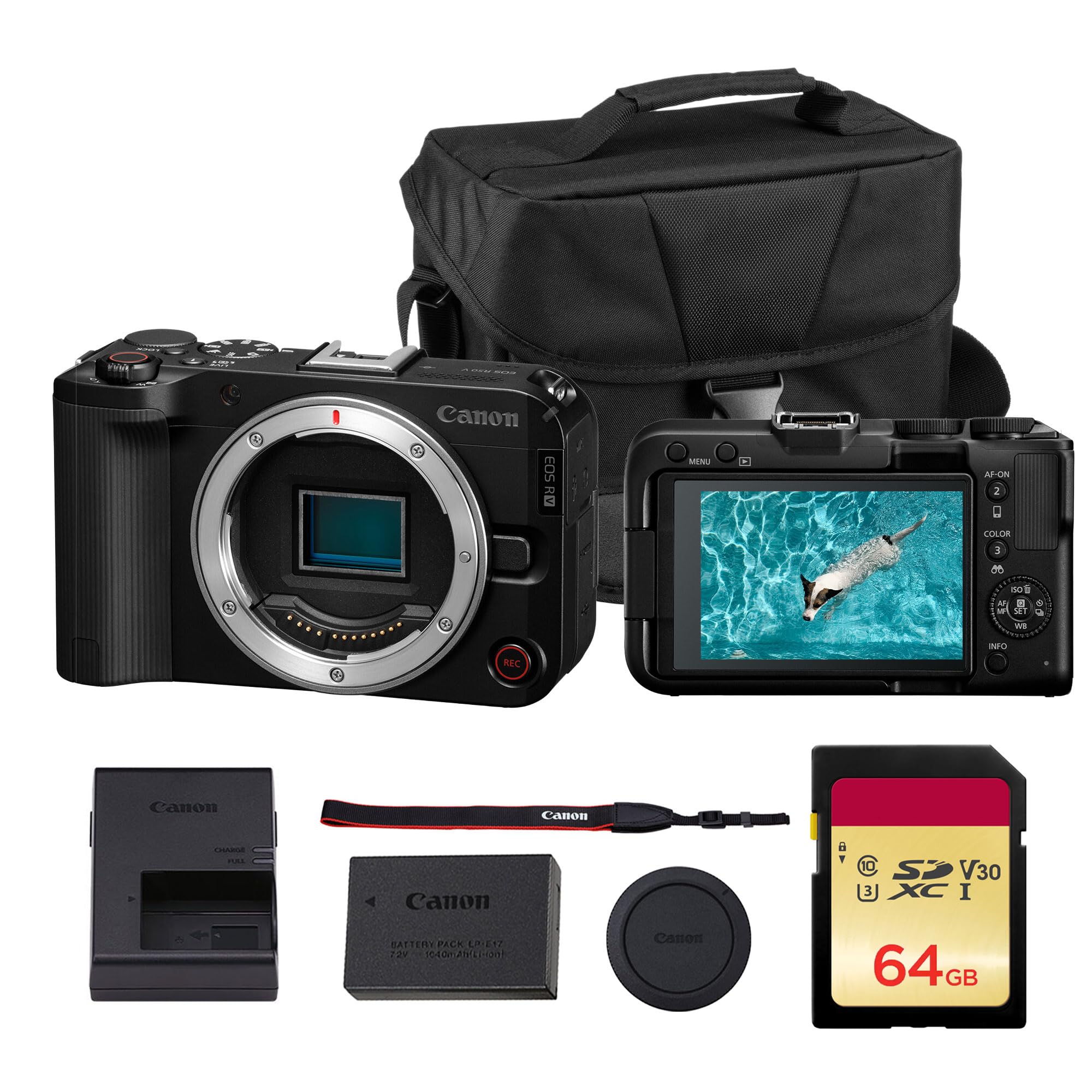
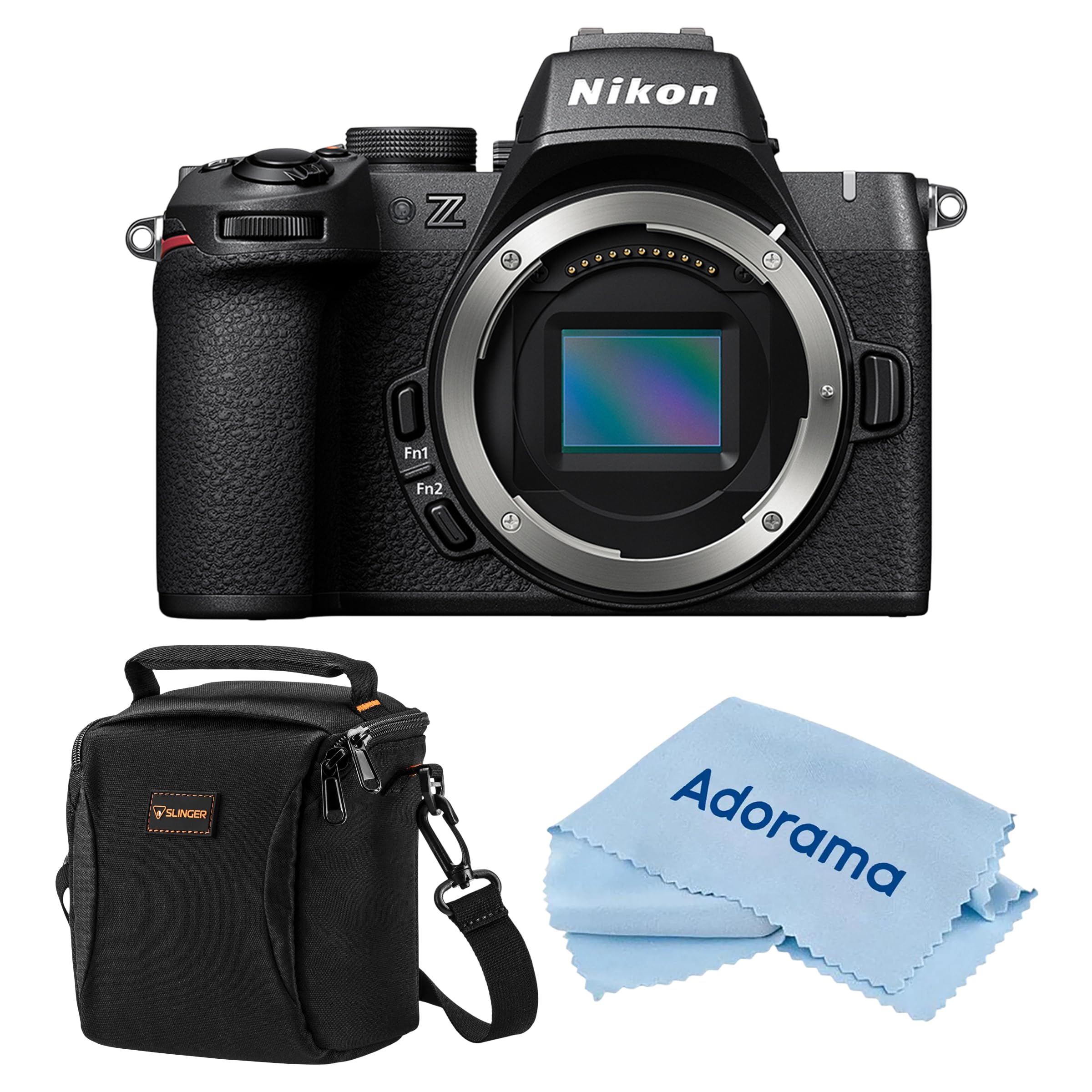

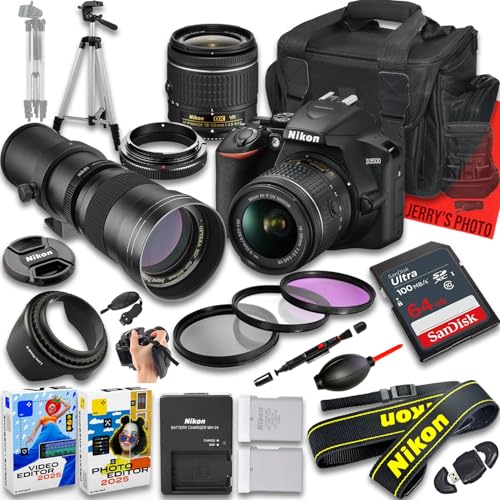
Cameras 101: The Basics for Sports Shooting
A sports camera does three jobs in quick order. It focuses on a moving player, records a short burst while the play unfolds and saves those files fast enough to repeat the cycle. A sensor turns light into an image, and a shutter controls how long that light is gathered. Short shutter times freeze motion, while longer times blur it.
If your budget stretches beyond this guide, see our guide to the best cameras for sports photography for the wider field at higher prices. Most new buyers learn more from a modest body with the right lens.
Who Should Buy an Affordable Sports Camera?
Affordable here means about $400 to $900 in total for a body and a starter lens, not a body alone. Buy for the game you attend weekly, because a camera that suits a bright field may struggle under dim gym lights.
Parents Photographing Youth Games
You need reach more than speed, because you often stand beyond a fence or along a sideline while play stays far away. Choose a telephoto zoom with enough reach and a burst mode that catches a kick or a swing. Simple controls help, since you may hand the camera to another parent mid game.
Students and New Club Photographers
You shoot many sports in one season and need one flexible kit within a club or school budget. A mirrorless body or a DSLR with a standard zoom covers portraits, drills and match play. Spend on a fast memory card before extras, and value good battery life.
Fans Shooting Weekend Amateur Sports
You shoot for fun, share images online and value light weight over pro build. A compact body with a moderate zoom travels easily to races, courts and local fields. Choose a secure grip first, because a camera left at home takes no pictures at all.
Key Features to Compare
Compare these factors in this order, because the first three decide whether you get a sharp shot at all. Price comes last, after speed, focus and reach.
What a Modest Budget Delivers for Sideline Shooting
At about $400 to $900 in total, expect a solid sensor, a burst of about 5 to 10 frames per second, autofocus that tracks one subject well and 4K video. You give up the deepest buffers, the toughest sealing and the fastest tracking. Do not cut the lens, the card or the spare battery, because those items limit your day more than a modest body does.
Burst Speed, Buffer Depth and Card Speed
About 6 to 10 frames per second suits most youth and amateur sports and catches the peak of a jump, a swing or a finish. The buffer holds frames before they reach the card, and a shallow buffer fills quickly. A fast card clears that buffer sooner, so choose the fastest card type your camera supports and shoot shorter bursts.
Sensor Size When the Light Fades at Night Games
Sensor size shapes low light results more than megapixel count does. A 1 inch sensor keeps a compact small, an APS C sensor gathers more light and handles dim gyms better, and a full frame sensor costs much more. Higher ISO settings keep a fast shutter indoors but add grain, so a larger sensor gives cleaner files when light is poor.
Autofocus Tracking and Image Stabilization
Look for autofocus that locks onto a moving subject and stays with it across the frame, ideally with face or eye detection. That tracking matters more than the raw number of focus points on a box. Image stabilization steadies the camera and helps for panning shots, but it cannot freeze a sprinting player, so shutter speed does the main work.
Lens Reach and the Cost of Glass
Reach decides whether a distant player fills your frame or sits as a small figure. Field sports often call for about 200 to 300 mm, while court sports closer to you may need only about 85 to 135 mm. The objective lens you buy later often costs as much as the body, so pick a mount with affordable telephoto options.
Readers who prefer Canon can see our guide to the best canon cameras for sports photography before they commit to a mount, because lens value should guide brand choice.
Durability, Weather Sealing and Handling
A weatherproof body and lens help in rain, dust and cold, but sealing varies widely and no affordable kit should be soaked. Check that dials work with wet hands and that the grip fits you for a full game. Screens and constant focusing drain batteries faster than many new buyers expect.
Camera Types Compared for Sports on a Budget
In practice, the best affordable cameras for sports photography are most often mirrorless kits with a telephoto zoom, because that pairing balances speed, reach and total cost. Mirrorless bodies focus fast and stay compact. DSLRs can cost less second hand and offer long battery life, but their tracking and video tools now trail mirrorless rivals.
Point and shoot compacts and bridge cameras give you a fixed lens with long optical zoom in one light package. Their smaller sensors struggle indoors, and you cannot swap the lens later. If sports is only part of your shooting, see our guide to the best affordable photography cameras for broader budget choices.
Rookie Mistakes to Avoid
Each mistake below costs sharp shots or money, and each is easy to prevent.
- Buying on megapixels alone leaves you with detail in frames that are blurred or out of focus.
- Choosing a kit lens with too little reach forces cropping that throws away detail and softens files.
- Ignoring total cost for lenses, cards and batteries can push a cheap body past your real budget.
- Using a slow shutter speed indoors to keep ISO low turns fast players into streaks.
- Learning burst and tracking modes on game day means key plays happen while you search menus.
Dialing In Your First Sports Shoot: Settings and Practice
Charge the battery fully, format the card in the camera and set the date before you leave home. Choose continuous autofocus, a burst drive mode and a shutter speed near 1/1000 second for bright outdoor play. Set the largest JPEG size if you do not edit RAW files, since JPEG files clear the buffer faster.
Arrive early and shoot warm ups to test reach, light and focus. Stand where action comes toward you, because a player coming toward you grows larger in the frame and gives a stronger picture. Keep a spare battery and a lens cloth ready. A tilting screen, a trait shared with vlogging cameras, helps with low shots.
Care and Maintenance for Sports Cameras
Wipe the body and lens with a soft lens cloth, never your shirt, because shirt fabric can hold grit that scratches coatings. Keep caps on whenever a lens is off the camera, and use a blower for dust only if your manual allows it. Store the kit in a dry bag, away from heat and damp rooms.
After rain, dry the outside, remove the card and battery and leave compartments open until all moisture is gone. Check mount contacts and strap lugs each month, and replace a frayed strap before it fails over hard ground. Carry the kit in a padded bag in transit.
Frequently Asked Questions
What features matter most in cameras for sports photography when money is tight?
Fast tracking autofocus, a usable burst rate and a lens with enough reach matter most when money is tight. Spend on those three before extra megapixels, touch features or video extras. For tight budgets, rent or borrow a telephoto lens for one big game before buying one, because one outing shows whether its reach and weight suit you.
Is a smartphone enough for sports photography instead of a dedicated camera?
A smartphone is enough for close, slow moments near the sideline, but it falls short for distant or indoor action. Its small sensor and limited optical zoom force digital cropping, and its shutter response can lag behind a play. A dedicated camera gives you physical dials you can change without looking away when light shifts across a field.
Which sensor size is better for low light sports photography?
An APS C sensor is usually the better low light choice in this price range, because it gathers more light than a 1 inch compact sensor while its lenses stay affordable. Full frame gathers still more light, but costs rise fast. For school gyms, sit facing the better lit end of the court, because gym lighting is rarely even.
How much should you spend on a first camera for sports photography?
Plan about $400 to $900 for a first camera for sports photography, including the lens, a fast card and a spare battery. Spending near the top of that range should buy better tracking or longer reach, not a larger screen. Leave a small reserve for a bag and a second card, because one full card can end a shoot.
What burst speed and card type do affordable sports cameras need for youth games?
About 6 to 10 frames per second is enough for most youth games, provided you shoot short bursts at the peak of the action. Follow the player with a half press before that peak so the burst starts with focus already locked, rather than beginning cold. That habit saves more frames than a small step up in burst speed.
Wrapping Up
Start with your sport, your light and your distance from the action, then choose autofocus, burst speed and lens reach. Keep the total at about $400 to $900, and let the product table above confirm your choice. Compared in that way, the best affordable cameras for sports photography feel less like a compromise and more like tools you understand.