
Best Cameras for Sports Photography and Video at Every Price: What Your Money Really Gets You for 2026
Disclosure: We may earn a commission when you buy through links on this page, at no extra cost to you. As an Amazon Associate I earn from qualifying purchases. Learn more

Compare the best cameras for sports photography and video by autofocus, burst speed, lens reach, sensor size and video features to fit your budget.
Sports cameras span a huge price range, and the gap between a modest body and a flagship can buy very different results on the field. Choosing the best cameras for sports photography and video starts with knowing which upgrades change your photos and clips, and which ones only add cost. This guide breaks spending into clear tiers so you can put money toward tracking, reach, and clean video first.
Use the comparison table below to compare bodies side by side once you know your tier. Parents filming youth games, students covering school teams, and serious shooters at night matches all need the same core strengths, just at different levels of speed and low light ability.


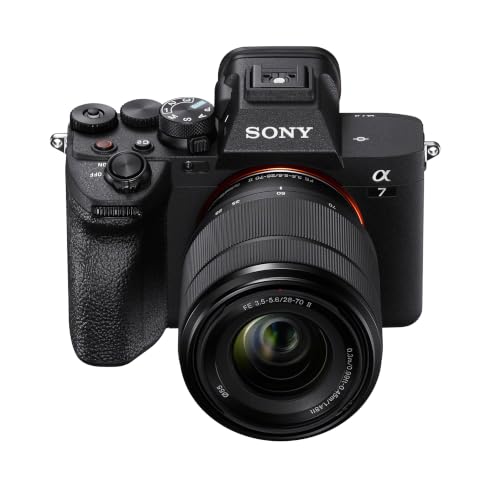


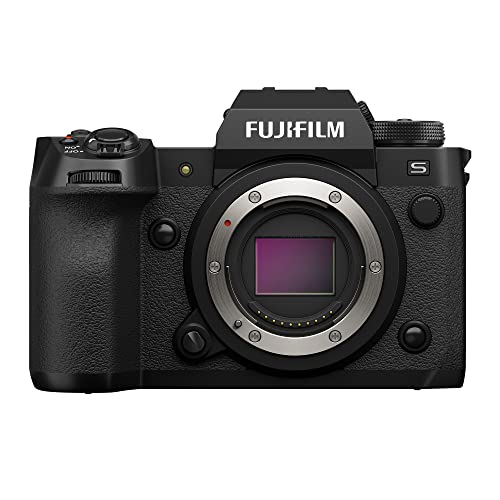


Buying Guidance by Budget
Budget should follow the sport you shoot most, not the longest spec list you can find. A camera that tracks a runner well and pairs with the right lens will beat a pricier body with the wrong glass every time. Rankings of the best cameras for sports photography and video only help once you know which tier fits your light and your distance from the action.
Budget Buyers: Put the Lens and Basics First
At the budget level, look for reliable autofocus, a burst mode of at least five frames per second, and a kit that leaves room for a longer lens later. Many starter mirrorless cameras and some point and shoot compacts handle daylight games well, which suits outdoor soccer, baseball, and track. Accept simpler video controls and plan to shoot in good light whenever you can. Saving on the body only makes sense if you still reserve money for cards, a spare battery, and a bag.
Midrange Buyers: Pay for Tracking and Video Depth
Midrange spending should buy subject tracking that follows a player across the frame, faster bursts, and video with more frame rate choices. This is also where microphone inputs, better screens, and stronger image stabilization become common, which helps if you record interviews or commentary alongside the game. If you split time between stills and clips, this tier usually gives the most balanced value. Our guide to the best cameras for photography and video explains how hybrid features compare for mixed use.
Premium Buyers: Buy Speed, Light, and Endurance
Premium bodies earn their price through very fast bursts, deep buffers, advanced autofocus that holds a face or jersey in a crowd, and clean files in dim gyms. Weatherproof sealing, dual card slots, and long battery life also matter when a whole tournament sits on one card. Choose this tier if you shoot at night, work indoors often, or sell your work. If Canon is on your short list, see our guide to the best canon cameras for sports photography for brand specific context.
What Your Money Gets You at Each Price Tier
Price tiers are guides, not fixed rules, since sales and lens bundles shift value through the year. The patterns below show what typically changes as you move up, so you can judge any deal in the product table above with clear eyes.
Budget Tier: What to Expect Around the Entry Point
Entry bodies often cost under $800 for the body alone or about $800 to $1200 with a kit lens. Expect solid daylight image quality, basic tracking, and 4K video that may crop the frame or limit frame rates. Controls are simpler, buffers fill quickly during long bursts, and low light files show more noise.
Midrange Tier: Stronger Tracking and Cleaner Video
Midrange bodies commonly run about $1200 to $2500, and this step buys the biggest jump in keeper rate. Autofocus locks faster, recognizes people and animals and vehicles in many systems, and holds focus while you record video. Bursts climb toward ten to twenty frames per second, screens articulate for low angles, and 4K at sixty frames per second becomes widely available.
Premium Tier: When Spending More Pays Off
Premium bodies often start around $2500 and rise past about $5000 before lenses. You gain stacked sensors that read out very fast, bursts of thirty frames per second or more, and video tools such as high frame rates for slow motion and flat profiles for editing. Build quality, sealing, and heat handling support long days in rain or heat. Pay this much when missed moments cost you work, not just pride, and when your lenses already cover the reach you need.
Features Worth Paying For and Ones to Skip
Spec sheets reward careful reading, because some numbers change your results daily while others rarely matter at a game. The four areas below decide most of your real world quality, and each one lists a feature you can safely skip.
Video Capabilities
For sports video, frame rate and focus matter more than resolution alone. Video at 4K and sixty frames per second lets you slow plays down while keeping motion smooth, and reliable tracking focus keeps a moving player sharp without constant manual work. A microphone input and a headphone port help you record clean sound and check it during the game. Skip paying extra for 8K if your computer struggles to edit large files and your outlets publish at 1080p.
Size, Weight, and Ergonomics
You may hold a camera and lens for two or three hours, climb bleachers, and move between fields, so balance matters as much as body weight alone. A deep grip, clear buttons you can find by touch, and a bright viewfinder help when the sun is harsh or gloves are on. Smaller bodies travel well but can feel front heavy with a long telephoto lens attached. Try to picture the full kit, with lens, batteries, and bag, rather than judging the body weight printed on a spec sheet.
Sensor Size and Image Quality
Sensor size shapes low light quality, depth of field, and lens cost. One inch sensors sit in compact bodies and pair with long built in zooms, which suits travel and casual games. APS C sensors balance price, size, and quality for most buyers, while full frame sensors gather the most light and give the cleanest files in dark arenas. Megapixels matter less than many ads suggest, since about twenty to thirty megapixels already prints large and crops well.
Autofocus, Burst Speed, and Lens Reach for Sports
Autofocus is the heart of this purchase, because a fast burst of soft frames is worthless. Look for tracking modes that follow a subject across the frame, eye detection for people, and a buffer that holds a long sequence without slowing. Continuous shooting near ten frames per second suits most field sports, while faster rates help for bats, balls, and finishes. Lens reach counts too, since a lens with strong optical zoom or a telephoto focal length brings distant players close, and magnification from the sideline often decides whether a frame is usable.
Long Term Costs to Factor In
The body is only the first purchase, and the full cost of ownership shapes which tier you can truly afford. Lenses usually hold the largest share, since a quality telephoto can cost as much as a midrange body, so confirm lens prices before you commit to a system. Add fast memory cards, at least one spare battery, a charger, a sturdy bag, and sensor cleaning supplies to your plan. Repair costs after a drop argue for a strap and care in the rain. If stills matter most to you, our guide to the best cameras for sports photography covers the photo side in more depth.
Common Mistakes to Avoid
- Buying the most megapixels you can afford, which spends money on detail you may never print while tracking and reach stay weak.
- Choosing a body before checking telephoto lens prices, which can leave you with a fine camera and no way to reach the far end of the field.
- Ignoring buffer depth and card speed, which makes the camera stall in the middle of the exact play you waited for.
- Filming a full game on one battery and one card, which risks losing late action to a dead battery or a full card.
- Skipping weatherproof sealing for outdoor seasons, which leaves dust and light rain able to end a shoot early.
- Judging video by resolution alone, which overlooks rolling shutter, heat limits, and focus that drifts during a play.
How to Make Your Sports Camera Last Longer
Care for the camera and lenses you shoot sports with, and they will survive many seasons of travel and weather. Wipe grit and moisture off the body and lens mounts before you swap lenses, and change lenses with the body facing down so dust stays off the sensor. Keep contacts clean and dry, store batteries partly charged, and use a dry bag or cabinet at home if your gear room is humid. Update firmware when the maker releases a fix for focus or heat. Clean the front element with a blower first, then a microfiber cloth, so grit does not scratch the glass. If you also shoot general subjects between seasons, our guide to the best cameras for photography can help you plan lenses that serve both roles.
FAQs
What features matter most in a camera for sports photography and video?
Tracking autofocus, burst speed, and lens reach matter most in a camera built for sports work. A useful extra check is how the camera handles pre release capture, which saves frames from just before you press the shutter fully. That tool helps with starts, swings, and finishes that happen faster than your reaction time.
Which sensor size is better for low light sports photos and video?
A full frame sensor is better for low light sports work because it keeps noise lower at high sensitivity settings. In practice, pair that sensor with a lens that opens to a wide aperture, since the lens often gains you more light than the sensor step alone.
Is a smartphone enough instead of a camera for sports photography and video?
A smartphone is enough for casual clips near the sideline, but it falls short for distant action and long games. Its small lens limits true optical reach, and digital zoom softens detail as players move away. A dedicated camera also gives you a viewfinder for bright sun, physical controls, and swappable batteries for a full day of games.
How much should I spend on a first camera for sports photography and video?
Most first time buyers should plan about $1000 to $2000 for a body and a starter telephoto lens together. Spending the full amount on the body alone is a common trap, because reach decides whether distant plays fill the frame. Renting a long lens for one big tournament can also teach you what focal length you truly need before you buy.
What does optical zoom mean on a camera for sports photography and video?
Optical zoom means the lens changes focal length with glass, so distant players grow larger without losing detail. This differs from digital zoom, which simply crops and enlarges the middle of the frame. When you compare compacts, check the longest focal length in real terms, since a big zoom number can still start from a very wide view.
What specs matter most for beginners buying a camera for sports photography and video?
Beginners should rank autofocus tracking, a burst near ten frames per second, and a lens that reaches their sport at the top of the list. One beginner friendly step is to shoot in aperture priority with auto sensitivity at first, which keeps shutter speed high while you learn. Our guide to the best video cameras for sports adds more detail if your first camera will mostly record games.
The Bottom Line
Match your tier to your light and your distance, then spend on tracking autofocus, lens reach, and a buffer that keeps up with the play. The product table above can help you compare bodies on those points once your budget is set. Chosen well, the best cameras for sports photography and video will serve you for many seasons, from daylight youth leagues to dim arenas, without forcing an upgrade after your first year.


