Best Cameras for Night Time Photography: Our 2026 Buyer Checklist
Disclosure: We may earn a commission when you buy through links on this page, at no extra cost to you. As an Amazon Associate I earn from qualifying purchases. Learn more

Run through a practical checklist for night time photography cameras: sensor, lens, focus, handling, and value, so you can compare options with confidence.
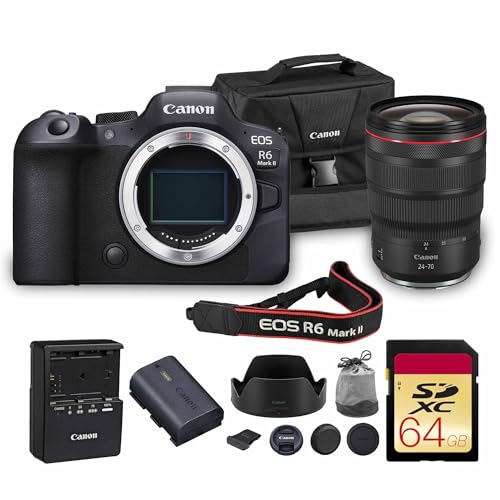
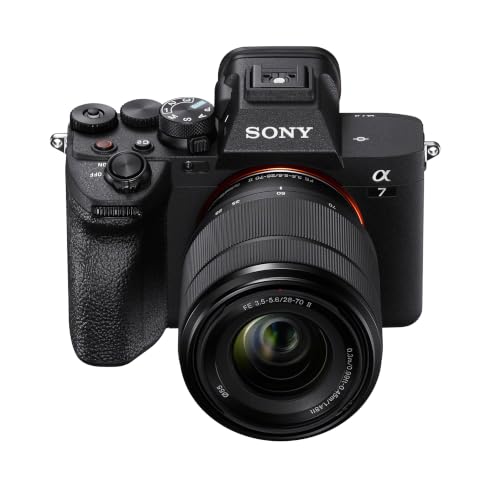
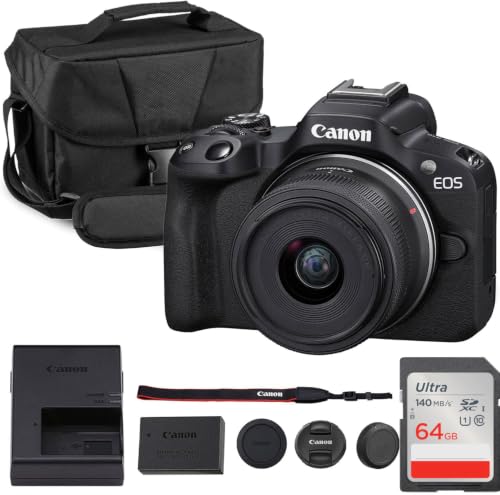
Night time photography rewards preparation more than impulse, so a clear checklist helps you compare cameras on the same terms instead of chasing one headline feature. The best cameras for night time photography share the same core strengths, even when they serve different budgets: they gather light well, focus reliably in dim scenes, and stay usable when your hands are cold and the scene is changing fast. Use the comparison table below to line up types side by side, then work through the checklist in this guide before you spend.
This guide treats evaluation as a buyer tool, not a promise about any single model. Each section gives you a threshold to look for, a warning sign to avoid, and a practical test you can apply from specifications and in store handling. By the end, you should be able to explain why your choice fits your nights, whether you shoot city streets, quiet landscapes, or family gatherings after sunset.




How to Evaluate Cameras With a Checklist
A checklist keeps night buying honest. Instead of asking whether a camera sounds impressive, ask whether it passes each test below in the conditions where you will actually use it. A camera that passes most tests for your routine is a better buy than a camera that excels at one test and fails the rest. For a general starting point, see our guide to the best cameras for photography and note how daylight strengths differ from night strengths.
Features That Matter for Night Time Photography
Night work depends on light gathering, clean shadows, and focus that holds when contrast drops. Check sensor size first, then lens brightness, then stabilization, and treat each one as part of a system rather than a standalone score. If you shoot the night sky, see our guide to the best cameras for night sky photography for the extra long exposure and wide lens needs that subject adds. A camera that handles deep shadows without harsh color shifts will serve every night subject better than a camera that only looks good in bright light.
Sensor Size and Image Quality
Sensor size affects how clean a file looks when sensitivity rises. Full frame and APS C sensors generally keep shadows smoother than small sensors, while a 1 inch sensor can still work well in a compact body for city and social shooting. Megapixels should not be your first filter, since more pixels on a small sensor can add noise rather than detail. Look for sample images taken at the sensitivity levels you expect to use, and pay attention to shadow texture and color, not just sharpness in bright areas.
Ease of Use for Your Skill Level
A night camera should feel natural in the dark. Beginners need trustworthy automatic modes, simple exposure compensation, and menus that do not hide key settings three layers deep. Experienced shooters need direct dials, customizable buttons, and a viewfinder or screen that stays readable without ruining night vision. App transfer helps when you want to share quickly, but it is a convenience, not a substitute for controls you can operate by touch when streetlights are your only light.
Video Capabilities
Video matters if you record evening events, vlogs, or short clips alongside still photos. Check whether the camera records 4K video cleanly at higher sensitivity, whether it offers a microphone input for clearer sound, and whether the screen flips for self recording. Look for stabilization that works during walking shots, since evening footage often involves movement. If video is only an occasional extra for you, do not let a long video feature list outweigh still photo strengths that you will use every night.
Lens and Zoom Range
Lens brightness, written as a low f number such as f1.8 or f2.8, decides how much light reaches the sensor and how well autofocus performs in dim scenes. A versatile zoom suits travel and events, while a bright prime lens gives the cleanest results at one focal length for street and portrait work. Check which lenses are available and affordable in the system you are considering, because a body with no bright lens options will limit your nights no matter how good its sensor looks on paper. For a mirrorless path, see our guide to the best mirrorless cameras for night photography and compare lens lineups before you commit.
Size, Weight, and Ergonomics
The best night camera is the one you carry when the light turns interesting. A large, heavy body with a superb sensor helps little if it stays home during evening walks, while a compact body you enjoy carrying will see far more use. Hold the camera with one hand, test the grip with cold or gloved hands if you can, and check that key buttons fall under your fingers without looking. Battery life deserves equal weight here, since long exposures and cold air drain power faster than daytime shooting.
Spending Levels That Match the Checklist
Use spending levels as a guide to which checklist strengths you can expect, not as a ranking of individual models. At about $300 to $700, look for a bright kit lens, dependable automatic modes, and decent high sensitivity performance for city and social nights.
At about $700 to $1,500, expect larger sensors, stronger low light autofocus, and wider bright lens choices for landscapes, events, and more demanding scenes. Above that range, you gain professional durability, faster handling, and specialized lenses, which matter most to frequent night shooters. If you already carry a capable phone and want to test night shooting before buying a dedicated camera, see our guide to the best camera phones for night photography for how far a phone can take you. In every tier, put the lens first, since a bright lens improves any body it pairs with.
Quick Buyer Checklist
- Does the sensor stay clean at the sensitivity levels you will use most nights?
- Is there a bright lens available at the focal lengths you shoot after dark?
- Does autofocus lock reliably on faces or subjects in dim, low contrast light?
- Can you change aperture, shutter speed, and sensitivity by touch in the dark?
- Does stabilization help your handheld shots without slowing your workflow?
- Will the battery last through a full evening outing in cold air?
- Does the body feel secure in your hands, and is it weather resistant enough for your climate?
- Are warranty, return terms, and repair support clear before you buy?
Red Flags to Watch For
Watch for vague specifications that hide sensor size, maximum aperture, or low light focus limits behind marketing phrases. Be cautious when a listing leans on extreme zoom numbers or megapixel counts while saying little about night performance, since those numbers rarely predict clean evening files.
Short or unclear warranty terms, missing repair information, and unusually low prices for a supposedly advanced camera are also warning signs. For related digital options, see our guide to the best digital cameras for night photography and compare specifications across several sources before trusting one listing. When a claim cannot be checked, treat it as unproven and move on.
Best Cameras for Specific Needs
Best Cameras for Beginners Night Time Photography
Beginners should favor cameras that make night shooting forgiving: reliable automatic exposure, simple exposure compensation, a bright kit lens, and clear guidance in the menus. A compact interchangeable lens body or an advanced compact camera both work, as long as the lens stays bright and the grip feels secure. Avoid buying the most advanced body first, since complex menus can slow learning and discourage evening practice. Choose a camera that grows with you through lens options and manual controls, so your first night camera remains useful as your skills develop.
How to Make Your Camera Last Longer
Simple care habits protect a night camera through many seasons. Use a lens cloth, not your shirt, because shirt fabric can smear coatings and trap grit. Carry a spare battery, since cold air and long exposures drain power quickly, and keep the spare warm in an inner pocket on winter nights.
Store the camera in a dry, padded bag, and wipe moisture from the body and lens after damp outings before you pack it away. Check the lens mount and battery contacts occasionally for dust, and let a cold camera warm gradually indoors to reduce condensation inside the lens.
Frequently Asked Questions
What should I check first for cameras for night time photography?
Check sensor size, lens brightness, and low light autofocus first, because those three decide how much light the camera gathers and how reliably it focuses after dark. A large sensor with a bright lens keeps sensitivity lower and shadows cleaner than a small sensor with a dim lens, no matter how many megapixels the box promises. Stabilization helps handheld still subjects, while battery life and weather resistance matter for long outdoor evenings. Use those checks as your first filter, then compare handling, video, and price among the cameras that pass.
Can a phone replace a dedicated camera at night?
A phone can replace a dedicated camera for many casual night photos, especially well lit streets, social gatherings, and quick shares, because computational processing blends exposures to lift shadows. A dedicated camera still leads for distant subjects, long tripod exposures, moving subjects in very dim light, and fine detail in deep shadows. Phones also offer less control over lens choice and depth of field. Start with a phone if convenience matters most, and move to a dedicated camera when night quality, reach, or creative control becomes your priority.
Which sensor size helps most after dark?
Full frame sensors generally help most after dark, followed by APS C sensors, because larger pixels gather more light and produce cleaner high sensitivity files. A 1 inch sensor can still serve city and social shooting well, especially when paired with a bright lens and stabilization. Sensor size alone does not guarantee good results, since lens brightness and processing also shape the final file. Compare sample images at your usual sensitivity levels, and favor the combination of sensor and lens that stays clean in shadows rather than the largest sensor on its own.
What specs should a beginner prioritize for night shooting?
A beginner should prioritize reliable automatic exposure, simple exposure compensation, a bright kit lens, and dependable low light autofocus over advanced manual features. Those strengths produce sharp, well exposed night photos while skills develop, and they reduce frustration during the first evening outings. A comfortable grip, clear menus, and solid battery life also encourage practice. As confidence grows, manual controls and extra lenses become more valuable, so choose a system with room to grow rather than the most complex body available.
How much should a first night photography camera cost?
A first night photography camera can start at about $300 to $700 for a capable compact or entry interchangeable lens camera with a bright kit lens, which covers city walks and social evenings. Spending about $700 to $1,500 adds larger sensors, better low light focus, and brighter lens options for landscapes and events. Above that range, you pay mainly for professional durability, speed, and specialized lenses. Reserve part of your budget for a spare battery, a sturdy tripod for long exposures, and a dry padded bag, since those accessories support night shooting directly.
The Bottom Line
Run every candidate through the same checklist: sensor, lens brightness, low light focus, handling in the dark, battery life, and honest value for your routine. Beginners should favor forgiving controls and a bright kit lens, while frequent night shooters should favor larger sensors and wider lens choices. Keep the best cameras for night time photography in perspective as a fit for your nights, not a single winner, and check the product table above once more before you decide. The right choice is the camera you will carry, understand, and enjoy using when the light gets low.