
Best Camera Phones for Night Photography in 2026: Which Type Is Right for You?
Disclosure: We may earn a commission when you buy through links on this page, at no extra cost to you. As an Amazon Associate I earn from qualifying purchases. Learn more

Compare camera phones for night photography by type, with guidance on sensors, night mode, battery, storage and updates to help you choose well.
Choosing a phone for dark scenes feels confusing because every brand claims bright night shots, yet the hardware behind those claims differs a lot. The best camera phones for night photography share a few traits, mainly a large main sensor, a wide aperture and smart processing. This guide compares phone types first, then the features that matter, so you can read the comparison table below clearly.
Start with the scenes you shoot most. City walks, family dinners, concerts and dark landscapes each stress a camera in a different way. Match those scenes to the types and checks below, and price will make more sense.


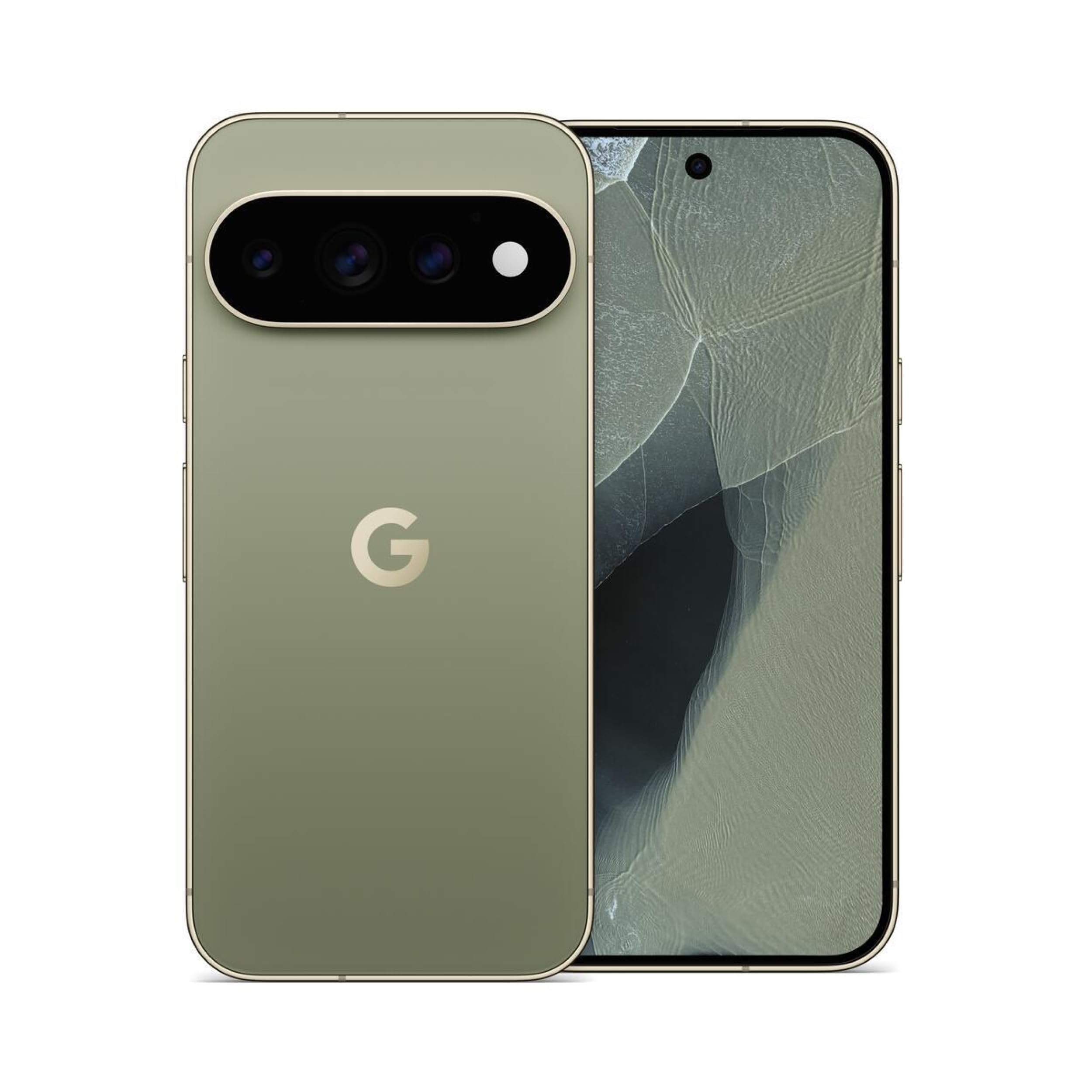


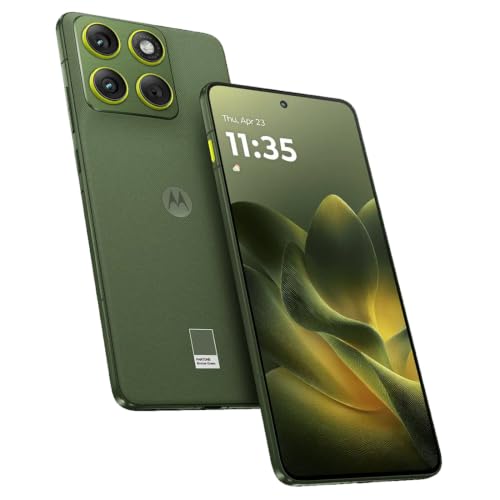
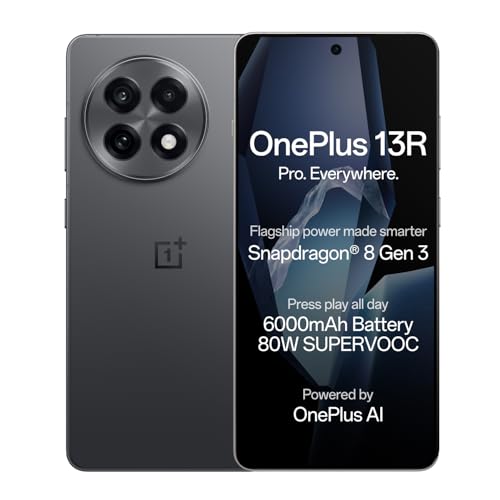
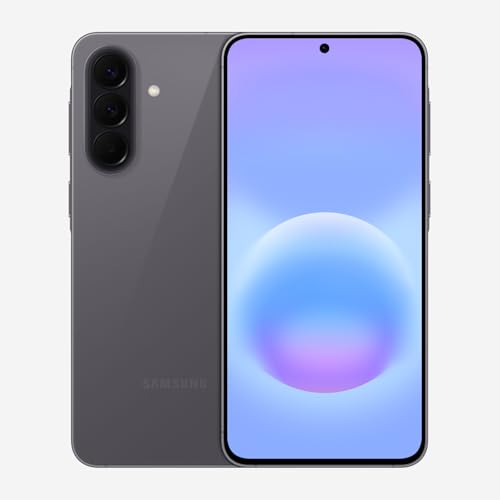

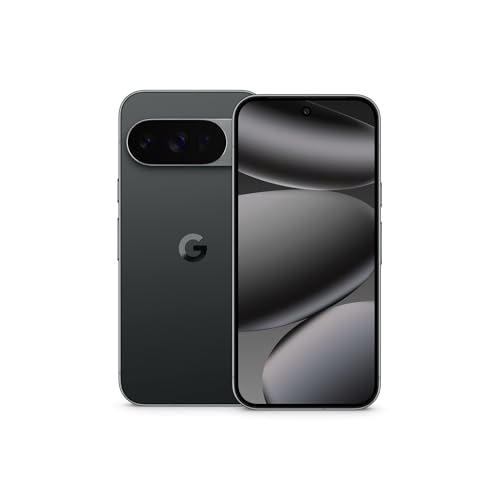
Types of Camera Phones Compared
Phones fall into three broad types, and night results follow that split more than brand names do.
Flagship Phones for Night Photography
Flagship phones pair the largest main sensors with wide apertures, optical stabilization and the fastest processors. That mix keeps handheld night shots cleaner and less grainy. Ultra wide and zoom lenses on these models also tend to handle dark scenes well. Expect to pay about $800 to $1,200, and expect the best results when you shoot moving people indoors or city scenes with mixed light.
Mid Range Phones for Night Photography
Mid range phones use slightly smaller sensors and slower processors, but most keep a capable night mode on the main camera. Still subjects, street scenes and lit portraits usually look close to flagship results, while fast motion and very dark rooms reveal more grain. Ultra wide lenses on these models are often weaker at night. Prices run about $400 to $700, and this type suits most buyers who shoot evenings out and travel scenes.
Budget Phones for Night Photography
Budget phones rely on smaller sensors and basic processing, so night mode helps mainly with still, well lit scenes. Photos of signs, buildings and posed friends can look fine, but dark interiors and moving subjects often turn soft or noisy. Prices run about $200 to $400. Choose this type if night photos are occasional and daylight use matters more.
Flagship Phones vs Budget Phones: Which Should You Choose?
The gap shows up in four places. First, sensor size controls how much light the camera gathers. Second, stabilization decides whether a slower night shutter stays sharp. Third, processing speed affects how many frames the phone can merge and how natural skin tones look. Fourth, extra lenses differ, with budget ultra wide cameras often struggling after dark.
That is why the best camera phones for night photography are not always the priciest ones. They are the ones whose sensor and processing match the scenes you shoot most often.If you shoot mostly lit streets and posed portraits, a budget or mid range phone can be enough. If you shoot concerts, dark restaurants or kids who will not sit still, the flagship hardware earns its price. Readers who also use a dedicated camera on night walks can see our guide to the best cameras for night time photography for a useful comparison.
How to Choose the Right Camera Phone
Work through these checks in order, starting with the one that shapes night quality most.
Features That Matter for Night Photography
Look for a large main sensor, an aperture around f/1.6 to f/1.9 and optical image stabilization on the main lens. A larger sensor gathers more light per photo, a wide aperture lets more light through the lens, and stabilization steadies the slower shutter speeds that night mode uses. Good processing then merges several frames to lift shadows and control bright signs or lamps. Check that night mode works on the ultra wide lens too if you shoot groups or city views.
Battery Life and Charging Speed
Night shooting drains a phone faster than daylight use, since the screen stays bright and the processor merges many frames per shot. Most phones in this class carry about 4,000 to 5,500 mAh, and a larger figure helps on long evening walks. Fast wired charging matters when you top up before going out, while wireless charging suits a desk or bedside routine.
Display Size and Quality
An OLED display shows deep blacks and clear shadow detail, which helps you judge a night photo right after you take it. Brightness matters too, since a dim screen makes a good photo look dull outdoors the next day. Screens around 6.1 to 6.8 inches suit most hands, and a refresh rate of 120 Hz makes scrolling through a large night gallery feel smooth.
Build, Durability and Water Resistance
Night photography often means damp streets, drizzle and cold hands, so build quality is part of camera choice. An IP68 rating means the phone resists dust and can handle immersion in fresh water under rated conditions. Strong front glass helps when a tired hand fumbles the phone on pavement. A grippy case matters as much as the rating, because most night damage comes from drops, not water. Buyers comparing phone cameras with daylight work in mind can also read our guide to the best phone cameras for photography.
Software Updates and Support Window
Camera software improves after launch, so the update window affects night quality over the life of the phone. Look for a clear promise on years of system and security updates, with longer windows now reaching about five to seven years on some models. Check the promise in writing before you buy, whatever the price tier. An unlocked phone gives you carrier freedom and often faster updates, since no carrier approval step sits in the way.
Setup and Care Tips for Camera Phones Used at Night
Clean the lens before every night outing, because a fingerprint smear turns lamps and signs into wide streaks. Turn on night mode or set it to automatic, and hold the phone with both hands while the capture finishes. A small tripod or a wall to brace against helps for sky shots, and readers planning that kind of work can see our guide to the best cameras for night sky photography.
Use a case and a screen protector, keep software updated and avoid charging the phone in extreme heat, such as a hot car. Heat ages the battery, and a weak battery ends night outings early. Store original full size photos with a backup.
Common Mistakes to Avoid
- Judging a phone by megapixel count alone leaves you with tiny pixels that gather little light and grainy night photos.
- Skipping stabilization checks leads to blurred handheld shots whenever night mode slows the shutter.
- Assuming every lens has night mode leaves ultra wide group photos dark and soft.
- Using digital zoom at night crops an already noisy image and removes detail you cannot recover.
- Buying the smallest storage size fills the phone quickly once night video and burst shots pile up.
- Ignoring the update window leaves camera improvements and security fixes ending sooner than you planned.
Frequently Asked Questions
What features matter most in camera phones for night photography?
Sensor size, aperture and stabilization matter most in camera phones for night photography. Together they decide how much light reaches the camera and how steady the shot stays. Processing ranks next, and it matters most for skin tones under mixed indoor light. One extra check helps in stores: cover the lens partway and watch how fast focus reacts in dim light.
How much storage does a night photography phone need?
Most night shooters should choose at least 256 GB of storage on a night photography phone. Night mode files, burst sets and 4K video fill space faster than single daylight photos do. If you shoot RAW files for editing, they can take several times the space of standard photos. Cloud backup helps, but local room keeps a long trip simple.
Should I buy an unlocked camera phone for night photography?
Yes, buying unlocked suits most night photography phone buyers who travel or change carriers. An unlocked phone works with local SIM cards abroad, which helps on night tours in new cities. It also avoids carrier apps you may not want. Check band support for your carrier before ordering, because an unlocked label alone does not guarantee full 5G coverage everywhere.
Is a mid range phone good enough for night photography?
Yes, a mid range phone is good enough for night photography when your subjects are still or well lit. Lit streets, buildings and posed portraits usually come out clean. The limits appear with fast motion, very dark rooms and ultra wide shots. If those scenes are rare for you, the savings can go toward a tripod, a case and extra storage instead.
How many years of updates should a camera phone get?
A camera phone should get at least four years of updates, and longer is better if you keep phones for a while. Count both system updates and security updates, since a promise may cover each for a different span. The clock usually starts at the launch date of the model, not the day you buy it. Checking that date matters most when you buy a model that launched a year or more ago.
Do I need 5G on a camera phone for night photography?
No, you do not need 5G to take good night photos, since capture happens entirely on the phone. 5G helps after the shoot, when you upload large night videos or back up a full gallery away from WiFi. It also drains the battery faster during long uploads. Treat 5G as a convenience for sharing, not as a camera feature, when you weigh two models.
The Bottom Line
Choose by sensor, stabilization and processing first, then confirm battery, storage and the update window. Match the type to your scenes, lit and still or dark and moving, and use the product table above to compare the finalists side by side. Readers who prefer a separate camera body for serious dark work can also see our guide to the best digital cameras for night photography.
With those checks in place, the best camera phones for night photography stop being a confusing spec contest. You will know which type fits your evenings, and you can buy once and shoot with confidence.


