
Best Cameras for Night Photography: A First Time Buyer's Guide for 2026
Disclosure: We may earn a commission when you buy through links on this page, at no extra cost to you. As an Amazon Associate I earn from qualifying purchases. Learn more

Learn how sensor size, lens speed, stabilization, and controls affect night shots, so a first time buyer can choose with confidence and avoid common errors.
Shopping for best cameras for night photography for the first time can feel confusing, because night shooting rewards a different set of strengths than daylight shooting. A camera that looks strong on paper may still struggle after dark if its lens gathers little light, its sensor adds noise at high sensitivity, or its controls slow you down in dim conditions. This guide explains the basics in plain language, so you can compare options by what actually helps at night.
You do not need the most expensive body to get pleasing night images, and you do not need to master every manual control on day one. Start with sensor size, lens speed, stabilization, and ease of use, then match those strengths to the places where you plan to shoot. The comparison table below can help you weigh those tradeoffs side by side before you read the detail that follows.
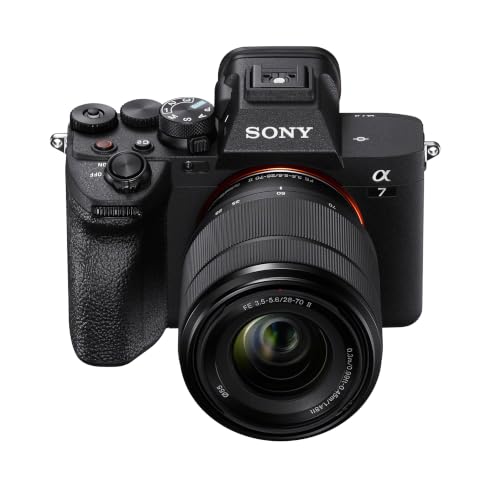





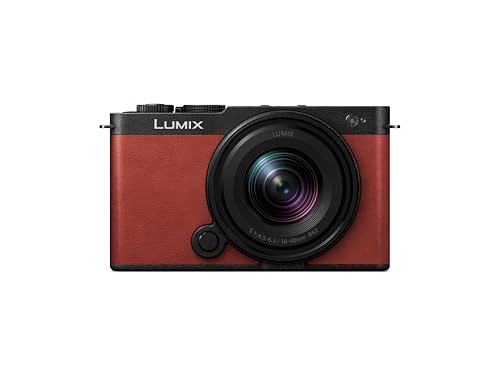
Cameras 101: The Basics
A camera for night work is a light gathering tool first and a gadget second. When light is scarce, the sensor records the scene, the lens decides how much light reaches that sensor, and the shutter decides how long light is collected. A larger sensor usually handles dim scenes with less visible noise, while a lens with a wide maximum aperture lets in more light for a given shutter speed. Together, those two factors shape how clean a night image looks and how much motion you can freeze.
Controls matter just as much for a new buyer. At night you may work with gloves on, in cold air, or on a dark street where small menus are hard to read. Look for clear dials, a bright and readable screen, a viewfinder that stays usable in dim light, and an automatic mode that gives sensible results while you learn. A camera that feels simple to operate will get used more often, and that practice will improve your night images faster than a complex body left at home.
Key Specs Explained in Plain English
The numbers on a camera page can hide the real differences, so read each spec as a question about night shooting. Ask how much light the lens gathers, how clean the sensor stays at high sensitivity, how steady the image stays during a long exposure, and how long the battery lasts in cold or dark conditions. The sections below translate those questions into choices you can compare.
Features That Matter for Night Photography
Night photography needs strong low light sensitivity, a lens that gathers light well, and a way to keep the camera steady during longer exposures. A wide aperture lens, a sensor that stays clean at higher ISO settings, and built in stabilization form the core combination for handheld street scenes, indoor events, and evening landscapes. A fast and reliable autofocus system also helps, because focus can hunt in dim light and miss a brief moment. Check whether the camera offers manual focus help, such as focus magnification or focus peaking, since those tools make it easier to confirm sharpness when the screen looks dark.
Sensor Size and Image Quality
Sensor size affects how much light each picture element can collect, and that effect shows up clearly at night. A 1 inch sensor can be a sensible starting point for a compact camera, while an APS C sensor usually gives cleaner high ISO results and more room to brighten shadows later. A full frame sensor generally gives the cleanest night files, but it also brings larger lenses and a higher price.
Megapixels alone do not decide night quality, because a very high pixel count on a small sensor can add noise rather than detail. Compare sensor size, lens speed, and sample night images together instead of choosing on megapixels alone.
Ease of Use for Your Skill Level
A first time buyer should look for automatic modes that handle exposure well, plus simple ways to take more control later. Scene modes, night modes, and automatic ISO can give a useful starting point, while aperture priority and manual modes let you learn at your own pace. App transfer matters too, because it lets you check images on a larger phone screen and share them without a computer.
Look for menus that use plain words, a quick menu for ISO and exposure compensation, and buttons you can find by touch in the dark. If the camera feels confusing in the shop, it will feel harder on a cold night street.
Low Light Performance
Low light performance comes from the combination of sensor, lens, and processing, not from one number on a spec sheet. ISO describes sensitivity, so a camera that keeps detail and color at ISO 3200 or ISO 6400 will usually serve night shooting better than one that turns noisy much earlier. A lens with a wide aperture, such as f1.8 or f2.8, gathers more light than a slow kit lens, and that extra light lets you use a faster shutter or a lower ISO.
Judge a camera by sensor size, aperture, stabilization, and real night samples instead.
Battery Life and Charging
Night shooting often means longer exposures, repeated focusing attempts, and screen use in the dark, all of which drain a battery faster than daylight snapshots. Check the rated shot count per charge, but treat it as a rough guide, because cold weather and long exposures can reduce it. USB C charging is convenient for travel, since you can top up from a power bank between locations.
Carry a spare battery for evening outings, keep it warm in an inside pocket in cold weather, and check that the charger or cable matches the camera before you leave home. A dead battery ends a night shoot faster than any missing feature.
Picking the Right Cameras for Different Uses
Different night subjects reward different strengths, so start from where you will shoot most often. Street and event shooting rewards fast focus and a compact body you can carry all evening. Landscape and sky shooting rewards a tripod, a wide lens, and clean long exposures. The groups below help a first time buyer match those needs without buying features that will rarely be used.
| Type | Best for | Watch for |
|---|---|---|
| Compact cameras | Carrying all evening and simple night snapshots | Smaller sensors and slower lenses in some models |
| Mirrorless cameras | Interchangeable lenses and cleaner high ISO files | Larger size and higher cost as lenses are added |
| Bridge cameras | Long zoom reach in one body for distant night scenes | Smaller sensors than many mirrorless options |
Best Affordable Cameras for Night Photography
An affordable night camera should still offer a reasonably large sensor, a lens that gathers light well, and usable stabilization, even if it lacks advanced video features or a second card slot. Look for a bright kit lens or a low cost prime lens option, a clean ISO range for evening streets, and a simple night mode for learning. You can learn a great deal with a modest body and a tripod, and that combination often beats a costly body used handheld with a slow lens. See our guide to best cameras for photography for a broader look at everyday camera strengths before you narrow the choice to night work.
Best Cameras for Night Photography Beginners: Tips for First Time Buyers
Beginners benefit most from forgiving controls, clear menus, and a camera that gives good automatic results while manual skills grow. Choose a body with aperture priority, exposure compensation on a dial, and a night or low light scene mode that you can study and then copy in manual mode. A light tripod helps more than an extra feature, because it lets you use lower ISO settings and longer exposures without blur from hand movement. Practice in a familiar place first, such as a lit porch or a quiet street, so you learn focus and exposure before a special evening trip.
Best Cameras for Night Photography under 1000: Tips for First Time Buyers
Under 1000, the smartest tradeoff is usually a capable body paired with one bright lens, rather than a top body paired with a slow lens. Check the total cost including a memory card, a spare battery, and a tripod, because those extras affect night shooting directly. A compact camera with a large sensor can be a strong choice in this range, while an entry mirrorless body with a bright prime lens can give more room to grow. For sky focused evenings, see our guide to best cameras for night sky photography, and for a wider set of night capable bodies, see our guide to best digital cameras for night photography.
Rookie Mistakes to Avoid
- Choosing on megapixels alone, which can hide a small sensor and a slow lens that struggle after dark.
- Ignoring lens speed, because a slow lens forces higher ISO settings and noisier images in dim light.
- Skipping a tripod for landscape and sky scenes, where hand movement blurs long exposures.
- Using only full automatic mode, which can miss focus or choose a shutter speed that blurs moving subjects.
- Forgetting a spare battery and a memory card with enough space, which can end an evening shoot early.
Getting Started: Setup and First Use
After unboxing, charge the battery fully, set the date and time, and format the memory card in the camera so the file system matches the body. Turn on stabilization for handheld work, turn it off on a tripod if the manual advises that step, and set image quality to the highest still format you plan to edit. Take a few test shots at dusk in a familiar place, check focus at full magnification on the screen, and note which ISO level still looks clean to your eye.
Pack for the conditions before you leave: a tripod or a stable surface, a spare battery kept warm, a memory card, and a lens cloth. Use a lens cloth, not your shirt, to clean the front element, because fabric from clothing can smear or scratch coatings over time. Carry a spare battery on every night outing, keep the camera strap secure when working near water or traffic, and review your first images before the light changes completely so you can adjust settings while the scene is still there.
Frequently Asked Questions
What features matter most in cameras for night photography?
The most useful features are a large sensor, a bright lens, effective stabilization, and reliable focus in dim light. A large sensor keeps night files cleaner at high ISO settings, while a bright lens gathers more light and lets you use faster shutter speeds. Stabilization helps handheld shots, and focus magnification helps you confirm sharpness when the scene looks dark on screen. A camera that combines those strengths will usually serve night shooting better than one with a high megapixel count but a small sensor and a slow lens.
Is a smartphone enough instead?
A modern phone can be enough for casual night snapshots, social sharing, and learning composition, especially with its night mode and computational processing. A dedicated camera usually gives cleaner files, more control over aperture and shutter speed, and better results for large prints or heavy editing. If you enjoy night shooting and want to learn manual exposure, a dedicated camera gives more room to grow. If you mainly share small images online, a phone may meet your needs without extra gear to carry.
What specs matter most for beginners?
Beginners should weigh sensor size, lens aperture, stabilization, and simple controls above advanced video specs or burst speed. A larger sensor and a bright lens improve night quality directly, while stabilization helps handheld shots and clear menus reduce mistakes in the dark. Battery life matters too, because night outings often run longer than planned. Choose a camera whose automatic mode gives pleasing results, then learn aperture priority and manual mode step by step as your confidence grows.
Which camera type is better for low light photography?
Mirrorless cameras with interchangeable lenses usually give the most flexibility for low light work, because you can pair a large sensor body with a bright prime lens for your subject. Compact cameras with large sensors can be excellent for travel and street shooting, since they stay light and discreet. Bridge cameras offer long zoom reach in one body, but their smaller sensors may show more noise at high ISO settings. For a closer look at interchangeable lens options, see our guide to best mirrorless cameras for night photography.
Final Thoughts
Night shooting rewards light gathering, steady handling, and controls you can use confidently in the dark. A larger sensor, a bright lens, and effective stabilization will improve more night images than a long feature list, and a tripod will improve landscape and sky images more than an extra mode. Match those strengths to your main subjects, check the total cost including a spare battery and a tripod, and use the product table above as a final check before you decide.
For most first time buyers, a simple body with a bright lens and a clear night mode is a better starting point than a complex body that stays confusing after dark. Practice in familiar places, review images at full size, and adjust one setting at a time so you learn what each control does. With that approach, best cameras for night photography becomes a practical choice based on sensor, lens, and handling, not a guess based on megapixels alone.


