
Best Cameras for Night Sky Photography by Budget for 2026
Disclosure: We may earn a commission when you buy through links on this page, at no extra cost to you. As an Amazon Associate I earn from qualifying purchases. Learn more

Compare budget, midrange, and premium night sky cameras by sensor, lens, and long exposure control, and learn which upgrades are worth the extra cost.
Night sky photography rewards patience more than spending, but price still shapes what you can capture. A small sensor can record bright stars and the moon, while a larger sensor holds fainter detail and cleaner shadows. The best cameras for night sky photography for you depend on how often you shoot after dark, how far you travel to dark skies, and how much weight you want to carry. This guide explains each price level in plain terms so you can spend where it counts.
The comparison table below lines up the main choices, and the sections that follow explain what each tier delivers, which features deserve extra money, and which costs arrive after the purchase. Keep your usual sky in mind: a camera that suits a bright suburb may struggle under truly dark skies, and the reverse is also true.
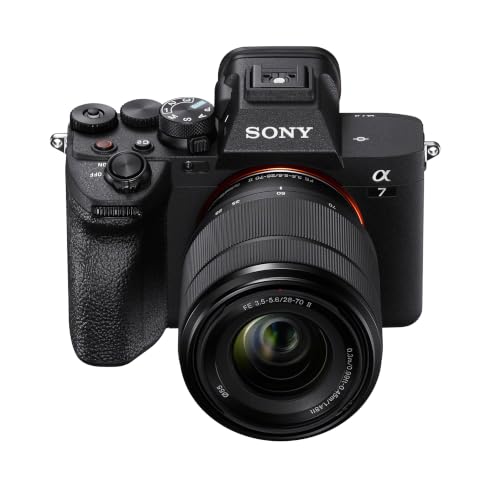





Spending Guidance by Budget
Lower Cost Guidance
Lower cost cameras suit beginners who shoot from a backyard or a nearby park and want to learn long exposures without a large outlay. Around $300 to $600 usually buys a capable camera with manual exposure, a kit lens, and acceptable results for bright constellations and moonlit scenes. Expect more noise in very dark skies and softer detail at the edges of wide shots. A sturdy tripod matters more than a small sensor upgrade at this level, because even a good camera blurs if it moves during a long exposure.
Middle Cost Guidance
Middle cost cameras suit regular night shooters who travel to darker sites and want cleaner shadows and more control. Around $700 to $1,500 usually brings a larger sensor, better high sensitivity performance, and a wider choice of bright wide lenses. This level also tends to offer stronger manual focus aids, such as a magnified live view, which helps you nail focus on a single star. If you shoot several times a month, this is often the level where extra money shows up most clearly in the final image.
Higher Cost Guidance
Higher cost cameras suit dedicated night shooters who chase faint nebulae, wide Milky Way panoramas, and long sessions in cold air. Around $1,800 and up usually brings the cleanest high sensitivity files, the most flexible raw files, and sealing that holds up in dew and dust. The gains are real, but they shrink if your lens is slow or your tripod is weak. Before you stretch your budget here, make sure you already own a bright wide lens and a stable mount, because those two items shape night results as much as the camera body.
What Your Money Gets You at Each Price Tier
Lower Cost Choices: What to Expect
At the lower end, expect solid manual controls, decent battery life, and good results for bright stars, the moon, and city skyline scenes with stars above. The trade off is noise in deep shadows and limited room to brighten a dark file later. Kit lenses are often slow, so plan for a brighter wide lens as your first upgrade. This tier suits learning: you can practice focus, framing, and exposure without worrying about an expensive body in dew or cold.
Middle Cost Choices: Where Value Shows
At the middle level, expect cleaner files at higher sensitivity, better dynamic range, and more lens choices. You can brighten shadows further in editing before noise becomes distracting, and you can capture fainter stars in a single exposure. Focus aids improve too, which saves time in the dark. A guide to best cameras for night time photography can help you compare how different bodies handle the same evening conditions.
Higher Cost Choices: When Extra Spending Pays Off
At the higher end, expect the cleanest files, the most editing headroom, and controls built for long cold sessions. Larger sensors gather more light, and better processing keeps colors natural when you push exposure. The trade offs are price, weight, and a larger lens collection to match. Extra spending pays off most when you already shoot often, travel to dark sites, and print large or crop heavily, while if you shoot only a few times a year, the middle level plus a bright lens may serve you better.
Features Worth Paying For (and Ones to Skip)
Video Capabilities
Video features matter less for still night sky work, but they matter if you also film timelapses or night scenes. Look for clean high sensitivity video, a microphone input, and a flip screen for low angle framing. Skip paying extra for extreme video resolutions if you mainly shoot stills, because they add cost and storage without improving a star photo. One practical point is heat: long video or timelapse sessions can warm a small body, so check recording limits before a long night out.
Low Light Performance
Low light performance for night sky work means clean shadows, natural star colors, and detail that survives editing. A larger sensor usually helps, but a bright lens helps just as much, because it lets you use a lower sensitivity for the same exposure. Test files at the sensitivity you will actually use, not only at the lowest setting. Also compare best cameras for sky photography if you shoot daylight skies too, since daytime needs differ from night needs.
Sensor Size and Image Quality
Sensor size sets how much light the camera gathers and how clean the shadows stay. Common sizes include 1 inch, APS C, and full frame, and each step up tends to improve night files and raise the price. Megapixel count alone does not decide night quality, because a high count on a small sensor can add noise rather than detail. Judge quality by how a file looks after you brighten shadows and by how round and sharp stars stay toward the corners of the frame.
Features That Matter for Night Sky Photography
Night sky shooting needs manual exposure, manual focus with a magnified view, and a way to trigger the shutter without touching the camera. A bright wide lens, often around f2.8 or faster, gathers far more starlight than a slow kit lens. A sturdy tripod and a remote or timer prevent shake during long exposures, and interval shooting helps for timelapses and star trails. Skip features built for fast action sports if you mainly shoot still skies, because they add cost without improving a long exposure.
Best Cameras for Specific Needs
Best USB Cameras for Night Sky Photography
The phrase best usb cameras for night sky photography points to cameras that connect easily to a computer for live view, capture, and control. USB control helps when you shoot from inside a car or a warm shelter on a cold night, because you can frame and trigger shots without touching the camera. Look for stable tethered software, a reliable cable connection, and a power option that lasts through a long session. This setup suits deep sky work from a fixed site more than quick handheld shots on a hike.
Best Mid Range Cameras for Night Sky Photography: Where Your Money Goes
The phrase best mid range cameras for night sky photography describes the level where most regular night shooters find the best balance. Your money goes toward a larger sensor, cleaner high sensitivity files, and better focus aids rather than toward extreme video specs. A bright wide lens still matters more than a small body upgrade, so pair this level with a fast wide lens and a solid tripod. For general stills guidance, a guide to best cameras for photography can help you weigh daytime needs against night needs.
Long Term Costs to Factor In
The camera body is only part of the total cost. A bright wide lens, a sturdy tripod, a remote trigger, spare batteries, and a fast memory card can add several hundred dollars. Cold nights drain batteries faster, so carry at least one spare and keep it in an inside pocket. Editing software, storage drives, and a dew heater for humid nights add smaller ongoing costs, and warranty length and repair access matter too, because a camera used outdoors at night faces dew, dust, and cold more often than a studio camera.
FAQs
What features matter most in cameras for night sky photography?
Manual exposure, manual focus with magnification, a bright wide lens, and a stable tripod matter most. A clean sensor at higher sensitivity ranks close behind, because it lets you brighten faint stars without drowning them in noise. A remote trigger or timer prevents shake, and raw file support gives you room to adjust exposure later. One point beginners often miss is dew: a simple lens hood and a cloth help, but a dew heater may be needed on humid nights.
Which is better for low light?
A larger sensor with a bright lens usually beats a smaller sensor with a slow lens for night sky work. The larger sensor keeps shadows cleaner, while the bright lens gathers more starlight in the same exposure time. In a bright suburb, the gap narrows because light pollution limits faint detail anyway. The practical test is to compare single exposures from both options at the same site and settings, and note that a camera built for daylight sports may not focus well on faint stars.
Is a smartphone enough instead?
A smartphone can capture bright constellations, the moon, and a Milky Way glow from a dark site, especially with a tripod and a long exposure mode. A dedicated camera pulls ahead for faint detail, large prints, and heavy editing, because its larger sensor and raw files hold more information. If you shoot only a few times a year, a phone plus a small tripod is a sensible start. A dedicated camera makes sense when you want to print large, crop heavily, or shoot often.
What specs matter most for beginners?
Beginners should weigh manual controls, focus aids, lens brightness, and tripod stability above headline resolution. A camera that lets you lock focus on a star and hold a long exposure steady will produce more keepers than a complex body with a steep menu. Battery life matters too, because cold nights cut shooting time short. A final practical point is weight: a setup you can carry to a dark site on foot will get used far more than a heavy kit left at home.
How much should I spend on my first one?
Most beginners do well around $300 to $700 for a camera body, plus a tripod and a bright wide lens when the budget allows. Spending more mainly buys cleaner shadows and more editing room rather than a whole new look. If your budget is tight, put extra money toward the lens and tripod before you chase a larger sensor. One often missed cost is storage: raw night files are large, so budget for a fast card and a backup drive, and for night focused stills, a guide to best digital cameras for night photography may offer useful comparisons.
Wrapping Up
Start with how often you shoot and how dark your skies are, then choose a tier that matches that habit. Pair any body with a bright wide lens and a tripod you trust, because those two items shape night results as much as the sensor. Test focus and exposure on a real night out before an important trip, and leave room in your budget for spare batteries and storage. If you weigh those points against the product table above, the best cameras for night sky photography for you will be the setup that feels simple in the dark and keeps stars sharp from edge to edge.


