Best Car Component Speakers for Sound Quality: What Actually Matters Before You Buy for 2026
Disclosure: We may earn a commission when you buy through links on this page, at no extra cost to you. As an Amazon Associate I earn from qualifying purchases. Learn more

Use a clear checklist to choose the best car component speakers for sound quality, covering tweeters, crossovers, power matching, fit, and red flags.
Component speakers promise the clearest sound in car audio, but only when the separate woofer, tweeter, and crossover work as a matched system in your specific car. A careless match can sound worse than the factory setup it replaced. This checklist approach to the best car component speakers for sound quality shows you exactly what to evaluate, in what order, before any money changes hands.
Below you will find the criteria that matter, the thresholds that separate a strong set from a weak one, and the warning signs that should send you back to your shortlist. Use the comparison table below alongside the checklist, and score each candidate as you go.

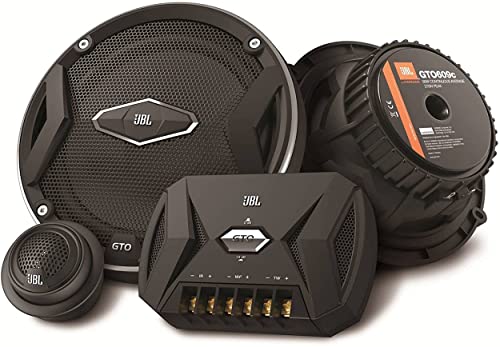


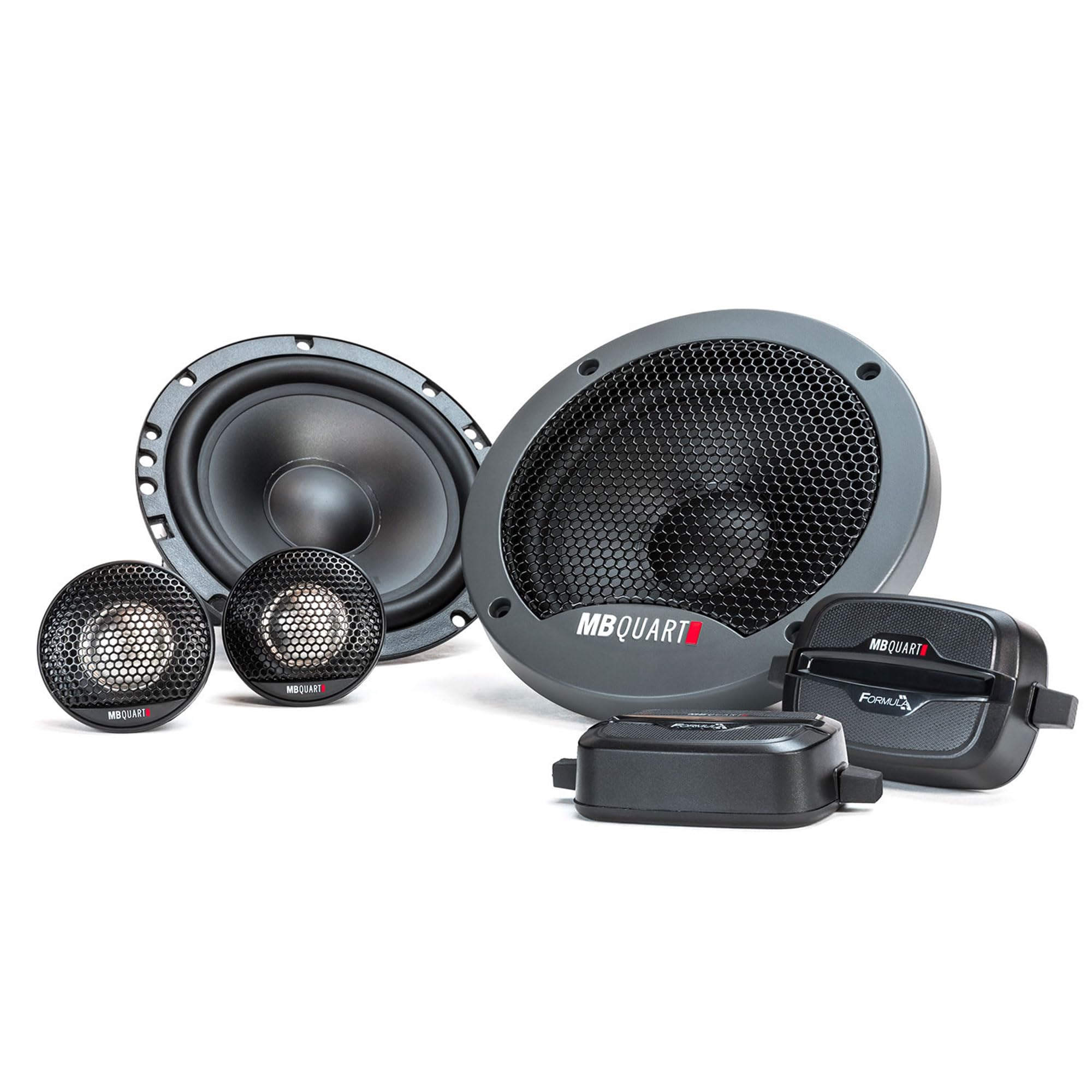


How to Evaluate Car Component Speakers
Evaluation works best as a pass or fail screen followed by a quality ranking. First, a set must fit your vehicle and match your power source. Only then do finer points such as tweeter material and crossover adjustability deserve your attention. The criteria below follow that order, so early failures save you from wasting time on sets that could never work in your car.
Features That Matter for Sound Quality
Sound quality starts with separation. A dedicated tweeter handles detail, a woofer handles body, and a well designed crossover keeps each driver in its comfort zone. Score tweeter material highly when it suits your cabin. Silk and soft domes sound smooth in reflective interiors, while metal domes can sound vivid in soft, padded cabins. Look for a woofer cone that stays rigid through the midrange, such as treated paper, polypropylene, or a composite, because cone breakup in the vocal range is a common and audible flaw in weak sets.
Vehicle Compatibility
Check diameter, mounting depth, and tweeter housing size against your exact year, model, and trim. Common woofer sizes are 5.25 inch and 6.5 inch, but depth is the usual failure point, since larger magnets can strike window glass. Confirm tweeter locations as well, whether dash corners, sail panels, or A pillars, and whether the set includes mounts for that spot. Our guide to the best component speakers for car explains common layouts, and our guide to the best car speakers for sound quality covers fit across speaker types.
Safety Features
Safe installation is part of any honest evaluation. A good set includes protected crossover terminals, clear polarity markings, and wiring that keeps clear of airbag paths when tweeters mount in pillars. During your own install, disconnect the negative battery terminal first, route wires through grommets where they pass metal, and secure crossovers away from window mechanisms. If a listing lacks basic documentation on wiring and mounting, treat that as a quality signal too. Makers who skip safety guidance often skip care elsewhere in the product.
Features and Extras
Score extras by whether they help tuning or installation. Tweeter level adjustment on the crossover is genuinely useful, because it lets you balance brightness after you hear the set in your cabin. Angled tweeter mounts, adapter rings, and vehicle specific harnesses also earn points. Decorative grilles, oversized packaging, and vague sound enhancement claims earn none. If you listen to bass rich music as well as detailed acoustic tracks, our guide to the best car speakers for bass and sound quality shows how to weigh both goals together.
Performance Specs
Use RMS watts as the power figure that counts, and match it to your source. A set rated around 50 to 100 watts RMS per side wants an amplifier to shine, while sensitivity near 90 dB or above keeps a factory head unit viable. Impedance is usually 4 ohms, and it must match what your amplifier or head unit expects. Frequency response should extend smoothly to about 20,000 Hz at the top. Treat peak power numbers and extreme low frequency claims for small woofers as marketing, and let the other specs carry your decision.
Build Quality and Weather Resistance
Inspect materials before you install. Rubber surrounds outlast foam in hot, humid door environments, and polypropylene or coated cones resist the moisture that drains through every door shell. Terminals should feel firm, baskets should not flex under gentle hand pressure, and crossovers should sit in solid housings with secure covers. Weather resistance matters most for the woofer low in the door. Keep the factory water shield in place during installation, and add a foam gasket at the mount to seal air leaks that thin out midbass response.
Three Profiles That Pass the Checklist
With the criteria set, these three profiles show what a passing candidate looks like at different budgets and space limits. Use them as templates when you read the product table above, rather than as fixed product names.
The Overall Profile
An overall profile set pairs a rigid woofer cone, a smooth dome tweeter, and an external crossover with level adjustment. It scores well on every criterion, fits common 6.5 inch locations with reasonable depth, and pairs with a compact amplifier around 50 to 75 watts RMS per channel. Expect about $150 to $300 for a pair. This profile suits drivers who listen daily and keep their cars for years, because its balanced strengths hold up across music styles, talk radio, and long highway drives without fatigue.
The Value Profile
A value profile set keeps the core checklist intact while trimming extras. It may use a simpler crossover without adjustment and include fewer mounting options, but it keeps a real dome tweeter, honest RMS ratings, and sensitivity high enough for factory power. Expect about $80 to $150 for a pair. This profile suits a first component upgrade, where installation learning matters and an amplifier may come later. The honest limitation is headroom. At very high volume on factory power, clarity will fade sooner than with the overall profile.
The Compact Profile
A compact profile set uses a shallow woofer and a small tweeter housing to fit tight doors and small cars where depth is scarce. It passes the fit criterion that eliminates larger sets, and it still delivers the separation that defines component sound. Expect about $100 to $200 for a pair. Output and deep bass are modest, so pair expectations with door size. Rear seat focused builds and larger openings such as those in our guide to the best 6x9 car speakers for sound quality follow different sizing logic.
Quick Buyer Checklist
Run through these questions for every candidate. A no on the first three should remove the set from your list, no matter how attractive the price looks.
- Does the set list your exact vehicle, year, and trim as compatible?
- Is the mounting depth at least a small margin less than the space behind your panel?
- Does the impedance match your head unit or amplifier specification?
- Is sensitivity high enough for your power source, or do you plan to add an amplifier?
- Does the crossover offer tweeter level adjustment you can reach after installation?
- Are adapter rings and wiring harnesses included or easy to order for your car?
- Is the warranty at least one year, with clear terms from the seller?
- Can you return the set if the tweeter mount does not suit your pillar or dash location?
Red Flags to Watch For
Weak products reveal themselves in their listings before they ever reach your door. Walk away, or at least pause, when you spot several of these signs together in one candidate.
- Vague power claims: listings that shout peak watts but hide RMS figures are avoiding the number that matters.
- No published dimensions: a maker that will not state mounting depth expects you to gamble on fit.
- Very short warranty: coverage measured in weeks signals low confidence in surrounds, coils, and crossovers.
- Unrealistic frequency claims: a small door woofer promising deep sub bass is describing hope, not physics.
- Missing crossover details: if the listing never explains how the drivers divide the work, separation may be poor.
For a second opinion on finalists, our guide to the best sound quality component speakers applies a similar checklist from a slightly different angle.
Care and Maintenance Tips
Protect your investment with a few habits. Check your vehicle manual for panel removal and wiring guidance before any work, and keep volume below the point where voices turn harsh, since distortion is the fastest way to damage a tweeter. Inspect door seals each year so water stays off the woofer, vacuum dust from grilles with a soft brush, and confirm crossover covers and mounts stay snug after the first month of driving, when new hardware settles and vibration can loosen screws.
Car Component Speakers: Your Questions Answered
What features matter most in car component speakers for sound quality?
Tweeter quality, crossover design, and placement matter most. A smooth dome tweeter mounted high, protected by a crossover that keeps bass out of it, delivers the clarity this category promises. Cone rigidity through the midrange is next, because voices live there. One point buyers often miss is adjustability. A crossover with tweeter level settings lets you correct for a bright or dull cabin after installation, which can matter more than a small difference in cone material between two good sets.
What specs matter most?
RMS power handling, sensitivity, and impedance matter most, followed by honest frequency response. Match RMS ratings to your amplifier or head unit, favor sensitivity near 90 dB or above for factory power, and keep impedance at the value your source expects. Also note the crossover type when listed. External crossovers generally allow better components and adjustment than tiny inline filters, and that difference shows up as cleaner handoffs between woofer and tweeter on complex music.
Do I need professional installation?
Not always, but component sets are the most demanding speaker install most owners will attempt. Confident owners with panel tools can fit woofers and surface mount tweeters in a day. Flush mounting in pillars, custom pods, and amplifier tuning favor professional help. A sensible compromise is a self install followed by a paid tuning session. You save most of the labor cost while gaining a trained ear for crossover levels and equalizer settings that protect clarity at volume.
How long does it last?
A quality component set lasts five to ten years in daily service. Rubber surrounds, moisture resistant cones, and sensible volume habits sit at the long end of that range, while heat, water intrusion, and constant distortion shorten life quickly. Tweeters usually survive longest, so fading clarity more often points to grille dust, loose mounts, or a failing crossover capacitor. Inspect those simple causes first before you budget for a full replacement set.
Will it fit my vehicle?
It fits when woofer diameter, mounting depth, and tweeter housing all suit your car. Verify with a fit guide for your exact trim, and measure behind the door panel if your vehicle is compact or has power window hardware close behind the speaker. Adapter rings can solve small diameter gaps but add depth. When a listing promises universal fit with no dimensions, treat it as unverified and choose a set that publishes full measurements and names compatible vehicles.
Our Verdict
Screen for fit and power match first, then rank survivors by tweeter quality, crossover adjustability, and build materials. That order keeps the checklist honest and the budget focused. Score your finalists against the questions above, compare them in the product table above, and plan installation time as carefully as the purchase itself. Chosen this way, the best car component speakers for sound quality will reward you with clear, relaxed listening on every trip.