
Best Car Coaxial Speakers by Budget: Smart Picks for 2026
Disclosure: We may earn a commission when you buy through links on this page, at no extra cost to you. As an Amazon Associate I earn from qualifying purchases. Learn more

Learn how the best car coaxial speakers differ by price, with guidance on power handling, materials and fit so you spend wisely for clear car sound.
A pair of coaxial speakers can cost under $30 or well over $300, and both claim great sound on the box. The honest difference lies in power handling, cone materials, and how carefully the built in tweeter is designed. Finding the best car coaxial speakers for your budget means knowing what each price step actually buys, so you stop paying at the point where your ears stop noticing gains.
This guide breaks down the three price levels, the features worth funding, and the extras you can safely skip. Start with the comparison table below, then match a level to your radio and listening habits.


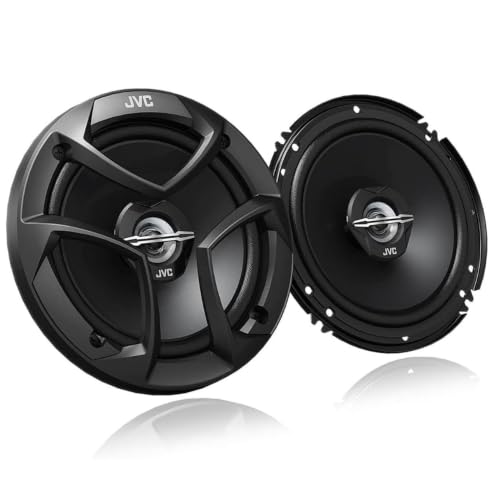


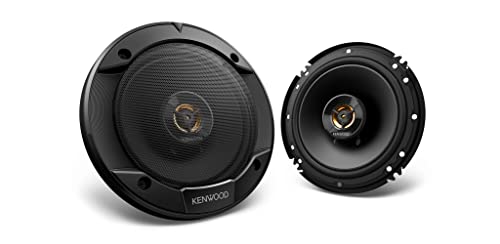


How to Judge Each Price Level
Coaxial speakers mount a tweeter in front of the woofer, so one unit covers most of the audible range with simple wiring. Judge each price level by the standard it should meet, not by brand fame.
Budget Level: What Good Looks Like
A good budget coaxial gives you a polypropylene woofer cone, a balanced dome or mylar tweeter, and a published RMS rating you can match to a factory radio. Sound will be clearer and louder than worn factory speakers, especially in the vocal range. What you give up is bass depth and polish at high volume, where cheap tweeters can sound harsh. For a daily driver that plays radio and podcasts, this level is a rational stopping point, and pairs often cost about $30 to $60.
Midrange Level: What Good Looks Like
A good midrange coaxial adds a silk or soft dome tweeter, a rubber surround, and higher sensitivity, so music sounds smooth and detailed on modest power. Many models at this level let you tilt or swivel the tweeter toward the seats, which noticeably lifts the sound stage from the doors. Expect cleaner bass at volume and less distortion on long drives. Pairs usually run about $70 to $140, and for most listeners this is where the price and performance curves meet.
Premium Level: What Good Looks Like
A good premium coaxial uses stiff, light cone materials such as woven fibers or treated composites, a powerful motor, and a carefully voiced crossover network for its two drivers. The payoff is resolution. Quiet details in recordings survive road noise, and bass stays tight instead of boomy. Prices around $150 to $300 per pair are common. This level only makes sense if the rest of your system, including power and door treatment, is strong enough to reveal the difference.
What Your Money Gets You at Each Price Tier
Each tier buys a specific set of gains. Read the trade offs honestly against how you actually listen, because a commuter streaming talk radio needs far less than a driver who plays full albums on weekend trips.
Budget Tier: What to Expect
Budget coaxial speakers are about $30 to $60 per pair. You get simple two way designs, modest magnets, and foam or cloth surrounds on the cheapest models. They fix the most common factory problems, which are torn cones and dead tweeters, and they install quickly. Longevity is the main compromise, since foam surrounds age faster in hot cars. Choose this tier for a work truck, a first car, or any vehicle where the goal is clear, reliable sound rather than refinement.
Midrange Tier: The Sweet Spot for Most Buyers
Midrange coaxial speakers are about $70 to $140 per pair, and this is the sweet spot for most buyers. Rubber surrounds, better tweeters, and honest sensitivity ratings around 90 dB or higher mean these speakers play loud on factory power and still reward a small amplifier later. Build quality improves too, with sturdier baskets and better moisture resistance for door mounting. If you keep a car for five years or more, the extra cost over budget models spreads out to very little per month of better sound.
Premium Tier: When Spending More Pays Off
Premium coaxial speakers are about $150 to $300 per pair. Spending more pays off when you listen critically, drive long distances, or have already treated your doors with deadening material. You gain smoother high frequencies, stronger midbass, and crossovers that protect the tweeter from low notes it cannot reproduce. Shoppers comparing the finest sounding options across formats can browse our guide to the best sounding car speakers to hear where premium coaxials stand against component sets.
Features Worth Paying For and Ones to Skip
Marketing loves driver counts and giant watt numbers. The four areas below decide real satisfaction, and each one tells you the price level where it becomes standard.
Performance Specs
Shop by RMS watts and sensitivity, never by peak power. A coaxial rated around 40 to 80 watts RMS with sensitivity near 90 dB suits most radios and small amplifiers. Peak power claims are marketing numbers, so use RMS instead. Three way and four way designs add tiny extra drivers that rarely improve sound at budget prices. A well made two way almost always beats a cluttered four way at the same cost.
Build Quality and Weather Resistance
Door mounted coaxials live with moisture, heat, and constant slamming. Polypropylene and composite cones resist humidity, while rubber surrounds survive years longer than foam in hot climates. Look for a rigid basket and a grille that actually shields the cone from cargo and feet in rear door locations. Weather resistance is rarely a headline feature at budget prices, so midrange and above is where durable materials become routine. A speaker that survives eight summers is cheaper than two speakers that each survive three.
Warranty and Brand Support
A one year warranty is the minimum, and better brands offer two or three years on midrange and premium lines. Read the exclusions. Burned voice coils are often classed as misuse, so a generous policy on paper may cover little in practice. Support quality shows in documentation. Makers that publish exact mounting depth, cutout size, and wiring diagrams respect your time. Our overview of the best coaxial speakers explains how support and documentation differ across the wider coaxial market beyond car doors.
Vehicle Compatibility
Compatibility means diameter, depth, and connector style for your exact vehicle. Common sizes include 6.5 inch, 5.25 inch, and 6 by 9 inch, but factory shapes vary and some cars need adapter rings. What matters is clearance behind the panel for the magnet and clearance in front for the raised tweeter, which sits proud of the cone on every coaxial design.
Long Term Costs to Factor In
The speakers themselves are only part of the bill. Harness adapters and mounting rings often add about $15 to $40 per pair, and foam sealing rings or a small deadening kit can add a similar amount while clearly improving bass. Professional installation, if you choose it, commonly runs about $75 to $150 per pair. Owners building a fuller system should also reserve money for low end support, since door coaxials cannot move enough air for deep bass. Our guide to the best sub speakers for car covers that next step when you are ready.
Car Coaxial Speakers: Your Questions Answered
Will car coaxial speakers fit my vehicle?
They will fit when the size, depth, and tweeter clearance all match, and the tweeter is the detail most buyers forget. Because the tweeter sits in front of the woofer, a coaxial needs slightly more room behind the factory grille than a plain woofer does. If your grille sits very close to the factory speaker, choose a model with a low profile tweeter or plan on a spacer ring. Checking a vehicle specific install video takes ten minutes and settles the question with certainty.
What specs matter most for car coaxial speakers?
Sensitivity matters most on factory power, because a few decibels of extra efficiency sound like a much bigger amplifier. Next comes the RMS range, which should overlap your radio or amplifier output. A less quoted spec worth checking is the tweeter crossover point. Models that cross the tweeter over higher, around 5 kHz or above, protect it from strain and usually sound cleaner at volume. Very low crossover points on cheap models are a common cause of harsh, tiring high frequencies.
How long do car coaxial speakers last?
Most quality coaxials last five to ten years, with surround material and cabin heat setting the pace. Rubber surrounds in a garaged car can outlast the car itself, while foam surrounds in a sun baked cabin may crack within four or five years. You can extend life by keeping volume below the point of audible distortion, since a clipping radio damages tweeters quickly. If one speaker starts crackling on bass notes, replace the pair together so both sides age and sound alike.
Do I need professional installation for car coaxial speakers?
No, coaxial speakers are among the friendliest upgrades for home installation, because each unit is self contained and uses the factory wiring location. Most owners finish a pair in about an hour with a trim tool and a screwdriver. Choose professional help if your car has door airbags, premium factory amplification with unusual impedance, or riveted speakers you are not equipped to drill out. A shop can also set amplifier gains with test tones, which protects your new tweeters from day one.
Final Thoughts
Pick your tier by listening habits, then insist on honest RMS ratings, durable surrounds, and a verified fit. Midrange money suits most drivers, while premium spending rewards treated doors and clean power. If you are also planning the source unit side, our guide to the best car stereo speakers shows how coaxials pair with common radios. When you settle on the best car coaxial speakers for your car, check the product table above for depth and sensitivity before you order.


