
Best Cameras for Sky Photography of 2026: Complete Buying Guide
Disclosure: We may earn a commission when you buy through links on this page, at no extra cost to you. As an Amazon Associate I earn from qualifying purchases. Learn more
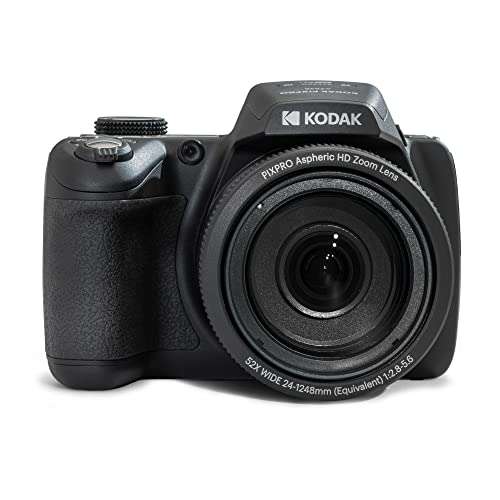
Compare the best cameras for sky photography by sensor size, lens reach, low light skill, and controls, with clear buying guidance for every budget.
The sky changes by the minute, from soft dawn color and fast moving clouds to a sharp moon and bright planets after dark. Choosing among the best cameras for sky photography means matching sensor size, lens reach, and controls to the subjects you love most.
Start with the subjects you shoot most often, then compare the models in the comparison table below on the few specs that truly shape your results.


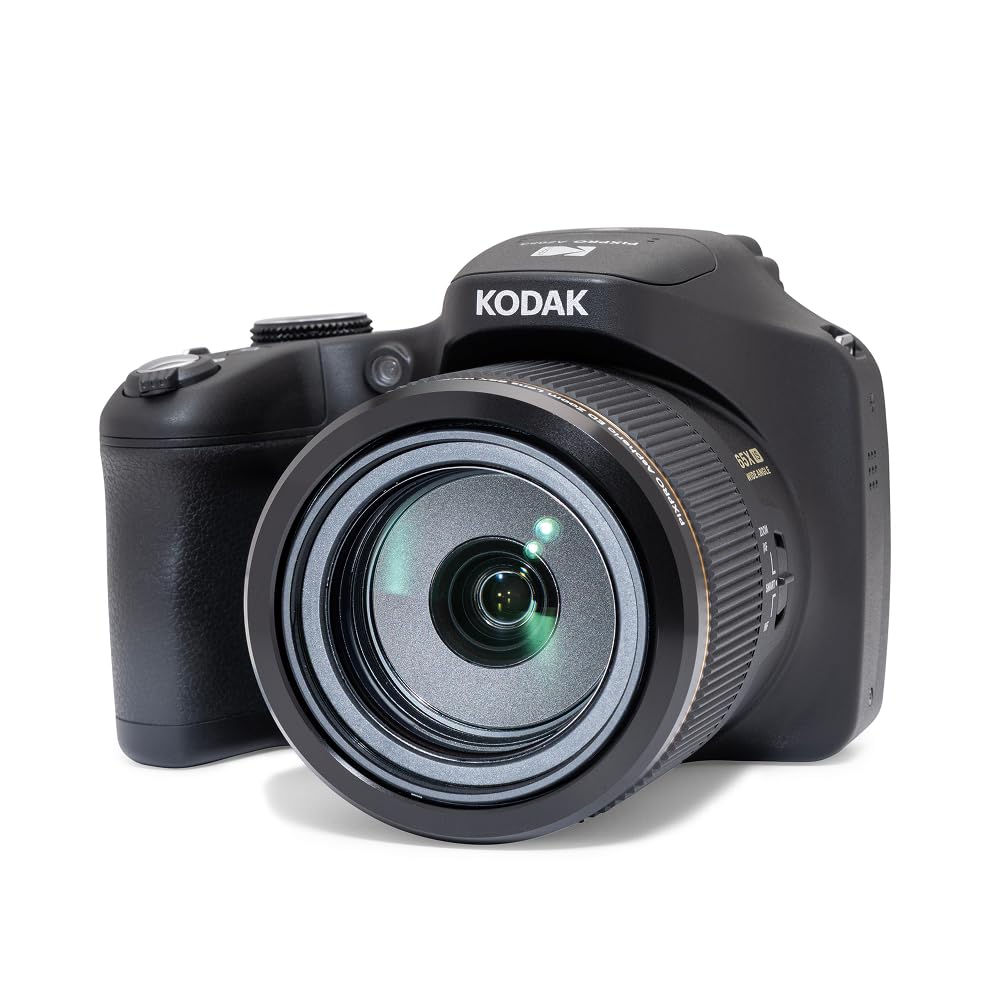


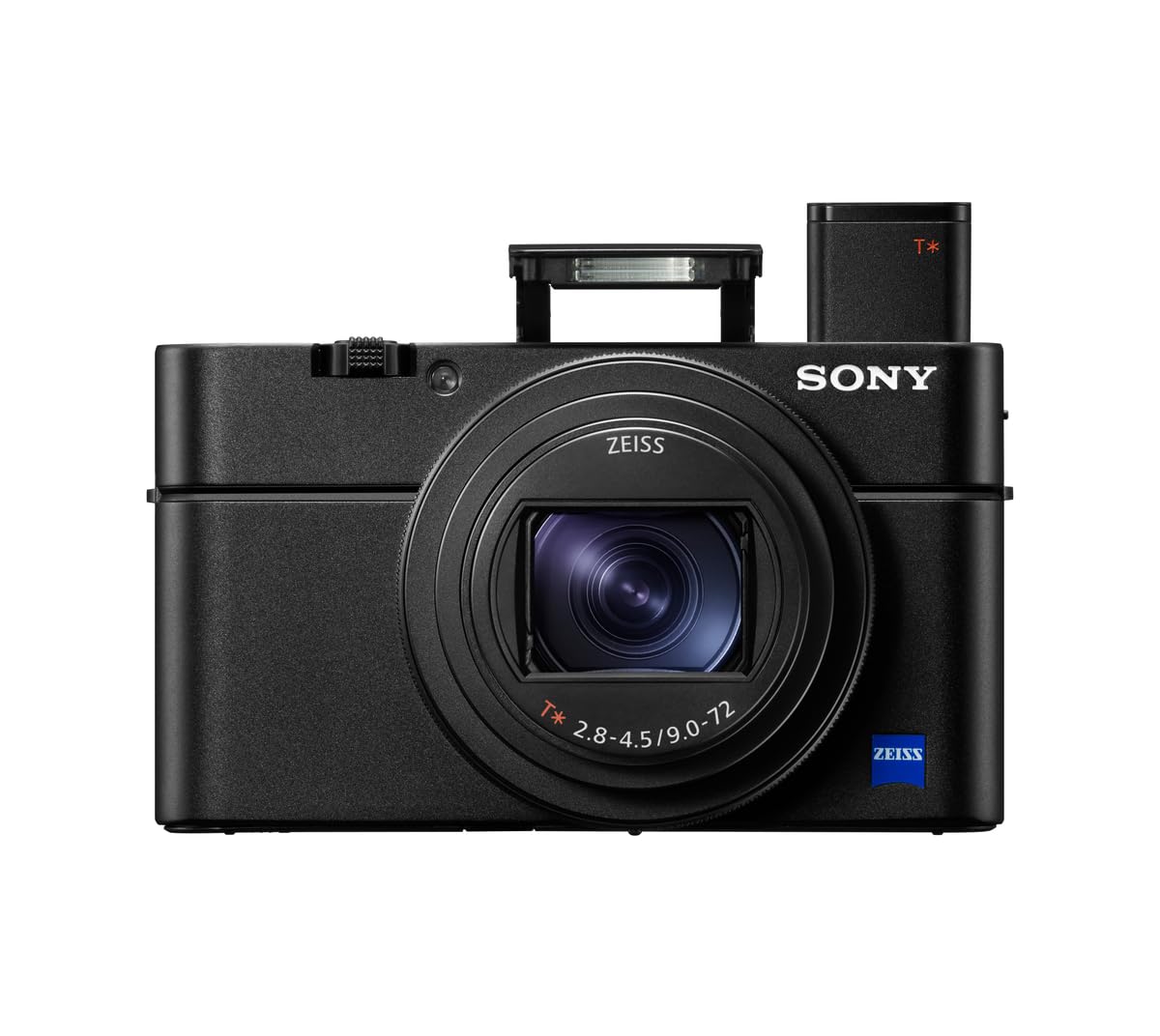

Who Should Buy Which Camera for the Sky?
Your subjects and your patience for settings should drive the choice more than brand loyalty. Each group below points to a different balance of size, reach, and control.
Daytime Cloud and Sunset Shooters
You chase layered clouds, storm light, rainbows, and color at sunrise and sunset. Dynamic range matters most for you, because the ground below a bright sky can fall several stops darker than the clouds. A camera with good highlight recovery and a clear histogram helps you protect bright cloud detail. You rarely need extreme reach, so a versatile standard zoom and a light body you will carry outside every day matter more than a huge telephoto lens.
Moon and Planet Shooters
You want the moon to fill a healthy part of the frame, with craters and shadow detail instead of a small white disc. Reach is your top priority, whether it comes from a bridge camera with long optical zoom or a telephoto lens on an interchangeable lens body. A sturdy tripod mount, a remote release option, and manual focus aids such as focus peaking will help you more than fast burst rates.
Travelers and Casual Sky Watchers
You photograph the sky as part of a wider trip or a daily walk, so size and simplicity lead your list. Point and shoot compacts with a useful zoom slip into a jacket pocket and are ready in seconds when light breaks through clouds. If you are new to dedicated cameras entirely, see our guide to the best beginning photography cameras for models built around gentle learning curves.
Key Features to Compare
The product table above is the fastest way to compare these factors side by side. Read each factor below once, decide your priority order, and keep your shortlist of the best cameras for sky photography to three or four models so the comparison stays honest.
Features That Matter for Sky Photography
Sky subjects punish weak exposure tools and reward patience. You need a camera that shows a live histogram, lets you dial exposure compensation quickly, and offers a self timer or remote control so the tripod stays still during long exposures. Bracketing is useful here, because it captures several exposures of the same sky for later blending. Raw file support also matters, since raw files hold far more highlight and shadow detail than JPEG files when you edit a high contrast sunset.
Sensor Size and Image Quality
Sensor size shapes how clean your images look in dim light and how much detail survives in bright highlights. Small 1 inch sensors in advanced compacts handle daylight skies beautifully and stay portable. APS C sensors gather more light and give cleaner dawn and dusk files, while full frame sensors offer the widest dynamic range and the smoothest tonal steps in a gradient sky. Megapixels matter less than many buyers expect, because a moderate count on a larger sensor often beats a huge count on a tiny one.
Lens Reach, Optical Zoom, and Aperture
Reach decides whether the moon is a dot or a detailed disc. Optical zoom uses real glass to magnify the subject and keeps full image quality, while digital zoom only crops and enlarges the middle of the frame. For general sky work, a range from wide angle for big cloudscapes to moderate telephoto for sunsets covers most scenes. Aperture matters at dawn and dusk, because a brighter lens, shown by a lower f number, lets in more light and allows faster shutter speeds.
Autofocus, Stabilization, and Shooting Speed
Autofocus has an easy job with distant clouds, but birds crossing the sky and planes on approach reward cameras with subject tracking modes. Magnification in the viewfinder or on the rear screen helps you confirm focus on the moon, where autofocus can hunt in the dark. Image stabilization steadies handheld shots of sunsets and airshows, though it cannot replace a tripod for multi second exposures.
Ease of Use for Your Skill Level
Full auto and scene modes make a first dedicated camera approachable, and a guided interface that explains each setting in plain words shortens the learning curve. As your skill grows, you will want direct dials for aperture, shutter speed, and exposure compensation so changes take seconds in fading light. For a gentler step up from a phone, see our guide to the best cameras for starter photography.
Durability and Weather Sealing
Sky photography keeps you outdoors in wind, sea spray, and sudden showers. Weather sealing, meaning gaskets around buttons, dials, and the lens mount, lowers the risk when light rain catches you mid shoot, though no sealed camera should sit unprotected in a downpour. A metal chassis tolerates bumps in a daypack better than thin plastic. Check that battery doors and port covers close firmly, since those openings are common entry points for dust and moisture.
Video Capabilities
Moving clouds are natural video subjects, and timelapse modes turn an hour of slow change into a short dramatic clip. 4K video gives you room to crop in editing while keeping sharp results, and a built in interval timer saves you from buying a separate remote for timelapse work. A microphone input helps if you narrate travel scenes. For a broader look at camera choices beyond the sky, see our guide to the best cameras for photography.
Types of Cameras for Sky Subjects
Each camera type below trades size, reach, and control in a different way. Match the type to your group above before comparing models in the product table above.
Point and Shoot Compacts
Point and shoot compacts pair a fixed lens with a small body you can carry everywhere. Advanced models use a 1 inch sensor and a bright lens that handles sunset color well, while travel zoom models trade some low light strength for a long zoom in a pocket size body.
Bridge Cameras With Long Zoom
Bridge cameras look like small DSLR bodies but keep one fixed lens with very long optical zoom, often reaching far enough to frame the moon in satisfying detail. The trade off is a smaller sensor, so image quality drops sooner as light fades. For moon and planet fans on a fixed budget, this type often delivers the most reach per dollar, with many models around $400.
Mirrorless and DSLR Cameras
Interchangeable lens cameras give you the widest long term options, from wide angle lenses for sweeping skies to long telephotos for the moon and wildlife. Larger sensors deliver the cleanest files at dawn and dusk, and electronic viewfinders in mirrorless models preview exposure before you shoot. For dark skies rather than blue hour scenes, see our guide to the best cameras for night sky photography, where high ISO performance leads the list.
Vlogging Cameras
Vlogging cameras are compact bodies tuned for video first, with flip screens, strong face tracking autofocus, and product showcase modes. Many use 1 inch sensors that handle bright skies and sunset backlight well for clips and stills. They suit creators who film sky timelapses and talk to the camera on location. Their stills controls can feel limited, and most have modest zoom ranges, so check reach carefully if the moon is on your subject list.
Common Mistakes to Avoid
- Buying reach you will not use: an extreme zoom you rarely extend adds weight and cost while your everyday sky shots stay wide.
- Judging a camera by megapixels alone: a crowded small sensor can produce noisy dusk files despite a headline grabbing pixel count.
- Skipping the tripod budget: long exposures on a shaky support blur the moon and stars no matter how good the camera is.
- Trusting digital zoom figures: digital zoom only crops the image, so distant subjects lose detail fast.
- Ignoring the histogram: a bright review screen in daylight hides clipped highlights that ruin cloud texture.
- Choosing a sealed body with an unsealed lens: the pairing is only as weather resistant as its weakest part.
Care and Maintenance for Your Sky Camera
A few simple habits protect both the lens and the sensor from the outdoor conditions sky work involves.
- Use a lens cloth, not your shirt: shirt fabric can hold grit that scratches lens coatings, while a clean microfiber cloth lifts dust safely.
- Carry a spare battery: long exposures, cold mornings, and timelapse sessions drain batteries faster than casual daytime shooting.
- Store the camera in a dry, padded bag: padding guards against knocks in transit and a dry interior slows fungus growth on lens glass.
- Update firmware for autofocus improvements: makers often refine tracking and stability through free updates you install from a memory card.
- Cap the lens and body openings: caps keep dust off the front element and sensor whenever the camera is not in use.
- Wipe off salt spray the same day: a slightly damp cloth removes corrosive residue from the body after coastal shoots.
Frequently Asked Questions
What features matter most in a camera for sky photography?
Dynamic range, exposure tools, and lens reach matter most in a camera for sky photography. A live histogram and exposure compensation help you hold detail in bright clouds, while raw files give editing room at sunset. Also check the maximum shutter time, because some compacts limit long exposures to a few seconds, which restricts silky cloud and star trail work.
What does optical zoom mean in a camera for sky photography?
Optical zoom means the lens changes focal length with moving glass, so the subject truly grows larger in the frame at full quality. A 24 to 200 mm range, for example, covers wide cloudscapes and modest moon shots. Also check the aperture at the long end of the zoom, since many travel zooms darken when fully extended, forcing higher ISO settings at dusk.
Is a smartphone enough instead of a dedicated camera for sky photography?
A smartphone is enough for casual daytime skies, quick rainbow grabs, and sharing straight to social apps. Its small sensor and mostly digital zoom struggle with moon detail and clean dusk files, though. A dedicated camera also gives you a real tripod thread, manual exposure control, and raw files, which matter if you shoot the sky weekly rather than occasionally.
Which camera type is better for low light sky photography?
Interchangeable lens cameras with APS C or full frame sensors are better for low light sky photography because their larger sensors gather more light per pixel. Cleaner high ISO files keep dawn gradients smooth and stars distinct. Also check lens brightness, since a bright prime lens can gain you more in dim light than a small step up in sensor size.
What camera specs matter most for beginners shooting the sky?
Beginners shooting the sky should prioritize a good auto mode, image stabilization, and a zoom range that covers wide scenes to moderate telephoto. A tilting screen helps with low tripod angles, and built in WiFi simplifies sharing your first good sunset. Also look for a built in level gauge, which keeps horizons straight in wide sky scenes.
How much should I spend on my first camera for sky photography?
Most first time buyers spend under $800 on a camera for sky photography and get satisfying results. Lower budgets cover capable travel zoom compacts, while spending closer to that figure reaches entry level mirrorless kits with larger sensors. Leave room in the total for a tripod, a spare battery, and a memory card, since long exposure shots need that support gear.
Final Thoughts
Match sensor size to your light, lens reach to your subjects, and controls to your patience, and the right choice becomes clear. Compare your shortlist once more in the product table above. The best cameras for sky photography for you are the ones whose strengths match the scenes you chase and whose size never gives you a reason to leave them at home.


