
Best Cameras for Makeup Artist in 2026: Which Type Is Right for You?
Disclosure: We may earn a commission when you buy through links on this page, at no extra cost to you. As an Amazon Associate I earn from qualifying purchases. Learn more

Compare compact, mirrorless, and DSLR options to find the best cameras for makeup artist work for your studio, travel kit, and budget with confidence.
Choosing a camera for makeup work is confusing because every type promises sharp detail and beautiful color, yet each shows skin, blending, and texture differently. The wrong choice can leave foundation looking flat and eyeshadow muddy. When you shop for the best cameras for makeup artist work, you are choosing how faithfully a camera records color and how easily you can frame yourself or a client.
This guide compares the main types side by side and explains the features that change your photos and videos. Use the comparison table below to build a short list, then read the sections on sensors, lenses, screens, and video.
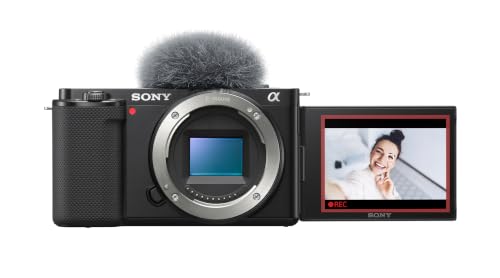





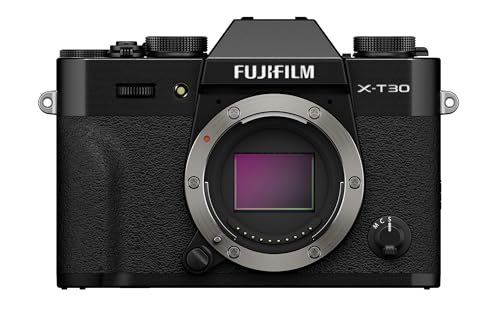


Types of Cameras Compared
Three types cover almost every makeup artist, from a freelancer traveling to weddings to a studio artist shooting editorial looks. Compact cameras keep the kit small. Mirrorless cameras give you interchangeable lenses and the strongest video tools. DSLR cameras offer a large lens library and long battery life in a bigger body. For a wider view, see our guide to the best digital cameras.
No type is right for everyone, and the most expensive body is rarely the best starting point. If your work is mostly still photos of finished looks, see our guide to the best cameras for makeup for a photo focused view.
Compact Cameras for Travel and On Location Work
A compact camera has a fixed lens in a small body, and creator focused models use a sensor much larger than a phone sensor. That gives you clean detail, soft background blur, and a flip screen for framing yourself. The whole kit fits in a pouch inside your makeup case, which matters when you already carry brushes, palettes, and lighting.
The limits appear as your work grows. You cannot swap the fixed lens for a macro lens for a tight shot of lash work or lip detail. The smaller sensor also struggles in dim hotel rooms, so shadows can look grainy. Choose this type if portability and speed matter more than lens flexibility.
Premium Mirrorless Cameras for Studio Detail
A mirrorless camera uses interchangeable lenses, and its electronic viewfinder previews exposure and white balance before you press the shutter. Premium models add a full frame sensor, reliable eye autofocus, and detailed color files that hold up under careful editing. In a studio you can connect the camera to a laptop and show the client each shot on a large screen, which helps you spot an unblended edge early.
This is the most capable type and the most demanding. Bodies and lenses cost more, the kit is heavier, and the menus reward time spent learning them. Choose it if photography or video is a paid part of your business, if you shoot in low light, or if you plan to add lenses over time.
DSLR Cameras for a Dedicated Studio Space
A DSLR uses a mirror and an optical viewfinder, so you see a direct view through the lens with no electronic preview. These cameras are known for long battery life and a deep pool of lenses, including many affordable used options. In a fixed studio where the camera lives on a tripod and lighting rarely changes, that simplicity can serve you well.
The trade offs are size, weight, and video. Bodies are bulky in a travel kit, many screens tilt rather than flip fully toward you, and autofocus during video is usually slower than on a mirrorless body. Choose this type if you already own suitable lenses or shoot mostly stills under controlled light.
Compact Cameras vs Premium Mirrorless Cameras: Which Should You Choose?
Start with size and workflow. A compact camera is ready in seconds and needs no lens changes in a powder filled room, so it suits behind the scenes clips and quick portraits. A premium mirrorless camera takes more setup, but it rewards you with cleaner low light files and lenses matched to each job. For a full day wedding with changing light, that flexibility often matters more than pocket size.
Next compare growth and cost. A compact camera is a finished purchase, but you cannot upgrade its lens later. A mirrorless kit costs more, yet each new lens extends what the same body can do, so its cost spreads over more years and more kinds of work.
How to Choose the Right Camera
Work through the four factors below in order. Sensor and color decide how true the makeup looks, focus and screen design decide whether you can capture it while you work, and the lens decides framing and facial proportions.
Sensor Size, Resolution, and Color Accuracy
A larger sensor gathers more light, which gives cleaner shadows, smoother skin tones, and less grain when a salon or venue is dim. Resolution matters less than listings suggest. About 20 to 30 megapixels is plenty for large prints and for cropping a headshot from a wider frame. What protects your work most is accurate color, so look for strong white balance controls and RAW files, which keep far more color information for editing.
Mixed light is the common studio problem, since rooms combine window light, warm bulbs, and overhead panels. Setting white balance by a number value keeps skin tones consistent across a whole set, so a before and after series looks honest.
Features That Matter Most for Makeup Work
Eye autofocus and face detection matter every time you shoot a person, because the lashes and the iris are where viewers judge sharpness first. A camera that holds an eye lets you talk to the client instead of checking focus after every frame. Touch focus on the screen helps when the detail that matters is a winged liner edge or a brow.
A screen that flips fully toward the front is the other feature artists rely on daily. You can check framing and exposure while you apply makeup, without walking around a tripod. Add a remote control or a phone app, and one person can run the whole shoot alone.
Lenses and Working Distance
The lens shapes the face as much as the sensor does. A short focal length used up close can make the nose look larger and the ears smaller, which misrepresents your work. A moderate portrait range, roughly 50 to 85 mm in full frame terms, lets you step back and keeps facial proportions natural.
For detail work, check close focusing ability. Some zooms focus close enough for half face detail, while a macro lens captures lashes, liner, and lip texture at full size. A bright prime lens helps in low light, but at very wide apertures only a thin slice of the face stays sharp. Many artists start with one zoom, then add a prime.
Video, Audio, and Connectivity for Content
If you film applications or demonstrations, look for 4K video, a microphone input, and a screen you can see from the front. Clear audio matters because viewers forgive soft video sooner than muffled speech, and an external microphone near you sounds far better than one across the room. Also check recording limits, since a full application can run well past a short clip.
Connectivity shapes your daily speed. WiFi transfer sends a photo to your phone for posting, and a wired connection suits studio proofing. For filming technique and settings, see our guide to the best cameras for makeup videos.
Picking the Right Camera for Different Uses
Your main use should settle close calls. Bridal and event artists who move between venues benefit most from a compact camera or a small mirrorless body with one zoom, because the kit stays light and setup stays fast. Studio artists gain more from a premium mirrorless body and a portrait lens, because clients judge that work at large sizes and in print.
Printed pages and large screens reveal shifts in foundation tone that a phone screen hides, so match the camera to the largest place your images will appear. Artists who shoot other creative work can see our guide to the best cameras for artists for how color and lens needs overlap across art forms.
Best Cameras for Makeup Artist Blogger: Which Type Works Best
A blogger needs fast framing while makeup is being applied, quick transfer of clips to a phone, and autofocus that holds on a moving face during a lesson. An advanced compact or a small mirrorless camera with a flip screen covers all three. If filming lessons is your main format, see our guide to the best cameras for makeup tutorials.
How to Make Your Camera Last Longer
Makeup studios are hard on cameras, because fine powder hangs in the air and foundation transfers from fingers to every dial. Handle the body with clean, dry hands, and wipe the grip, screen, and lens barrel with a soft, slightly damp cloth after each session.
- Keep the lens cap on whenever powder, spray, or hair products are being applied nearby.
- Clean the lens with a blower first, then a lens cloth, so grit is never dragged across the glass.
- Store the camera in a dry place away from setting sprays, with the battery removed during long breaks.
- Use two memory cards in rotation and format them in the camera to reduce card errors on a paid job.
- Update the camera software when the maker releases a new version, since updates often improve autofocus.
- Have the sensor cleaned by a service center if spots appear in every photo, rather than touching it yourself.
In transit, a padded case and a wrist loop protect the body from knocks and falls.
Frequently Asked Questions
What features matter most in a camera for makeup photography?
Accurate color, reliable eye autofocus, and a lens that flatters facial proportions matter most in a camera for makeup photography. One extra habit helps: photograph a plain gray card under your shooting light at the start of each session. That reference lets editing software set a neutral white balance for the whole set, so foundation shades stay consistent.
Can a camera for makeup work show true skin tones without heavy editing?
Yes, a camera for makeup work can show true skin tones with little editing when the light and settings are right. Turn off any beauty or skin smoothing mode, because those settings erase the texture your work is meant to show. Light the face with one main source, since mixed light is the most common cause of orange or green casts.
Is a premium camera for makeup work worth the higher price?
A premium camera for makeup work is worth the higher price when clients pay for large prints, campaign images, or filming in dim venues. For social posts, the difference is much harder to see. Spend in this order: light first, lens second, body third, because better light improves every camera.
How much resolution does a camera for makeup photography need?
A camera for makeup photography needs about 20 to 24 megapixels for sharp portfolio prints and confident cropping. That is enough to print a headshot at large size or crop a tight detail shot of eye makeup from a wider portrait. Higher numbers mainly help if you print very large, and they create larger files.
How often should a makeup artist replace a camera body?
A makeup artist should replace a camera body when it limits paid work, not on a fixed schedule. Signs include autofocus that misses in light where it once worked well, video limits that cut into lessons, or a worn shutter flagged by a service center. Lenses usually outlast several bodies.
Final Thoughts
Match the type to your working life first. A compact camera serves the traveling artist who values speed and a light bag. A premium mirrorless camera serves the studio artist and content creator who need lens choice and low light strength. A DSLR still serves the stills focused artist with controlled light. Compare your short list in the product table above.
Your light and lens will shape the result as much as the body does, so leave room in the budget for both. With those priorities clear, the best cameras for makeup artist work stops being a confusing list of specs and becomes a tool that shows your artistry as clients see it in the mirror.
