
Best Cameras for Making Music Videos: Our 2026 Checklist
Disclosure: We may earn a commission when you buy through links on this page, at no extra cost to you. As an Amazon Associate I earn from qualifying purchases. Learn more

Compare the best cameras for making music videos by sensor, autofocus, low light video, audio inputs and lenses with a clear buyer checklist and care tips.
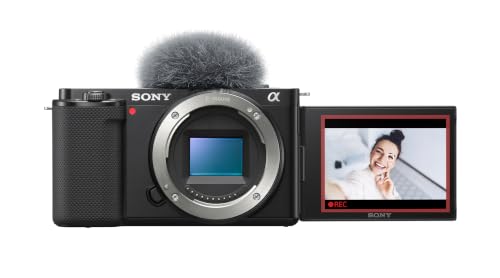
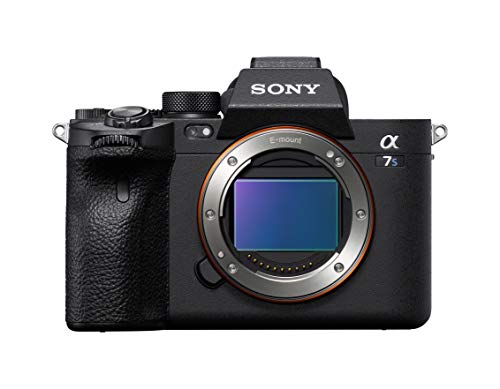
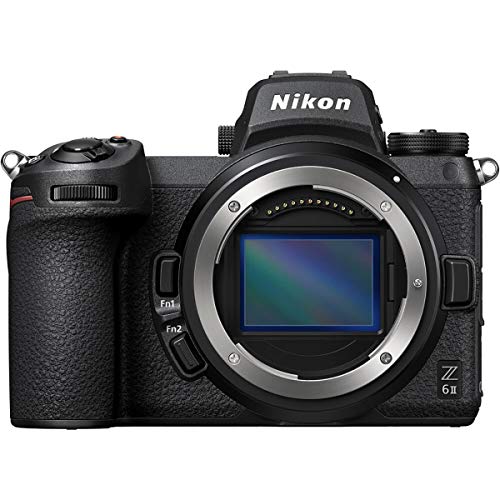
A music video camera has to track a moving singer, hold focus in dim stage light, and record clean sound cues for editing. Start with the best cameras for making music videos for your shooting style, then check sensor size, frame rates, and audio inputs. The comparison table below pulls the core specs together.
This guide uses a simple checklist instead of scores, covering who each type suits and which shortcuts cause soft footage or broken takes.





Who Should Buy Which Camera for Music Videos?
Solo Artists Filming Their Own Performances
If you film yourself, you need a screen that turns to face you, reliable face tracking, and a camera you can start from a phone or remote. A compact mirrorless body with a wide lens lets you frame a studio shot alone and check exposure before a take, usually from a tripod.
Bands and Small Crews Shooting Live Sessions
A band recording a live session needs long record times, a microphone input, and a headphone output so someone can hear problems during the take. Look for a body that runs from wall power or USB C charging, because a full set can outlast one small battery. If your crew also records gigs for release, see our guide to the best cameras for recording music videos.
Directors Making Concept Videos for Clients
Directors who shoot story driven videos need interchangeable lenses, log color options, and clean output to an external monitor. You will change lenses between wide room shots and tight portraits, then grade the footage to match a mood. A larger sensor system costs more, around $1,500 to $4,000 for a body and starter lens, but it gives you the most control over the final look.
Key Features to Compare
Judge each model against the way you actually shoot, a single song in a studio, a full live set, or a story across locations. The best cameras for making music videos are the ones whose strengths match that job.
Sensor Size and Image Quality for Music Videos
Sensor size shapes depth of field and noise more than megapixel count does. A 1 inch sensor in a compact camera keeps most of a room in focus, which suits fast group shots. APS C sensors blur backgrounds more and stay fairly light, while full frame sensors give the shallowest focus and cleanest shadows for close portraits. For grading, 4K video with 10 bit color and a log profile holds more detail than 8 bit files.
4K Video, Frame Rates and Slow Motion
Most music videos are shot at 24 frames per second for a film like motion feel, with 30 frames per second as a cleaner option for online performance clips. A mode that records 60 frames per second lets you slow a dance move or instrument hit to half speed without choppy steps. Check the crop at each rate, because some cameras narrow the view.
Autofocus and Stabilization for Moving Performers
Face and eye detection autofocus matters when a singer walks toward the lens or turns during a chorus, since manual focus is hard to adjust mid take. Good systems hold the eye even when a microphone crosses the face. In body stabilization helps handheld shots feel smooth during slow pushes, but it cannot replace a gimbal for long walking shots.
Low Light Performance for Clubs and Stages
Stage light changes fast, and many venues are darker than they look on a phone screen. A lens that opens to about f/1.8 to f/2.8 lets the camera keep ISO lower, which keeps skin tones cleaner and reduces grain in black clothing. Larger sensors handle high ISO settings with less noise. Add stage light if you can, since even a strong sensor loses color detail in near darkness.
Lenses, Zoom Range and Focus Control
An interchangeable lens mount gives you the widest choice, from a wide lens for tight rooms to a portrait lens for compressed stage shots. A standard zoom covering about 24 to 70 mm handles most single location shoots, while a fast prime suits low light close shots. On fixed lens cameras, judge optical zoom only and ignore digital zoom claims, since digital zoom crops the image and softens detail.
Audio Inputs, Battery Life and Recording Limits
Music videos are often shot to a playback track, but you still need clear guide audio to sync picture and song in editing. A 3.5 mm microphone input, a headphone output, and visible audio levels make that sync far safer. Check the longest single clip allowed and whether heat limits 4K recording on warm stages. Carry two batteries, since video can drain a small pack in about one to two hours.
Camera Types Compared for Music Video Work
Mirrorless Bodies and a Growing Lens Kit
Mirrorless cameras are the main choice for most creators because they balance video quality, lens choice, and size in one system. Start with a kit zoom around $700 to $1,500, then add a fast prime lens later for darker venues. If you want a second angle on the same performance, see our guide to the best video cameras for music videos and match record times before you mix brands.
Compact Cameras and Action Cameras for Extra Angles
Compact and action cameras earn their place as second or third angles rather than as the main camera. Mount one near a drum kit or dance floor edge for details a wide shot would miss. Their small sensors struggle in dim light and most lack a true microphone input, so record main audio elsewhere.
Cinema Style Cameras for Larger Productions
Cinema style bodies add built in neutral density filters, larger audio connectors, and tally lights that help a crew work through many takes. They make sense for client work and long days where an assistant runs focus and sound. Rigs, media, and lenses can push a working kit above $5,000. For planned narrative shoots, see our guide to the best cameras to shoot music videos.
Quick Buyer Checklist for Music Video Cameras
Run through these questions before you order. A no on the first four usually means frustration on shoot day.
- Does it record 4K at 24 and 60 frames per second without a heavy crop?
- Does autofocus track faces and eyes as a performer moves?
- Can you use a microphone input and headphone output together?
- Will it record a full song without stopping or overheating?
- Does the screen swivel so you can frame yourself alone?
- Can you rent the wide and portrait lenses this mount needs?
- Does your budget cover a tripod, spare batteries, cards, and a light?
Common Mistakes to Avoid
- Choosing for megapixel count alone, so stage footage still looks noisy and flat.
- Trusting digital zoom figures, so close shots turn soft when you crop in.
- Using autofocus settings you never tested, so focus jumps to a backdrop mid song.
- Skipping a sound check, so aligning the performance with the studio song takes hours.
- Ignoring record time and heat limits, so the camera stops during the best take of a live set.
- Spending the full budget on the body, so no money remains for a light.
Care and Maintenance for Music Video Cameras
Clean the front lens element with a blower first, then a lens cloth in small circles, because grit dragged across glass can leave fine scratches. Wipe sweat and haze residue off the body after a gig. A dry, padded bag keeps bodies and lenses apart in transit.
Store batteries partly charged if the camera will sit for a few weeks, and keep spares in a hard case. Update firmware only at home on full battery power, never on set. If sensor spots appear against a plain white wall shot, use the camera cleaning mode first and book professional sensor cleaning if spots remain.
Frequently Asked Questions
What features matter most in cameras for making music videos in small venues?
A wide lens, strong low light results, and an angled screen matter most in small venues. Tight rooms leave little distance between camera and performer, so a wide view prevents cut off heads and instruments. Save two custom modes, one for bright stage light and one for dim house light, and switch between songs.
What specs matter most for first time creators making a music video?
Simple menus, dependable autofocus, and a kit lens with stabilization matter most for a first music video. New creators miss more shots through confusing settings than through sensor limits, so clear video controls and touch focus save takes. Rent the camera for one weekend if you can, because one rehearsal shoot shows more about handling than any spec sheet.
Which camera setup is better for low light music video scenes?
A larger sensor paired with a fast prime lens is better for low light music video scenes. That pairing gathers more light than a slow kit zoom, so you can hold shutter speed steady for clean motion. Add one controlled light for the singer even in a dark scene, because shaping a face with a soft source looks better than lifting a flat image later.
Is a smartphone enough instead of a camera for making music videos?
A smartphone is enough for a simple one take performance or a social clip, but it limits lens choice and manual control. Phones also vary exposure when stage lights pulse, which can distract in a longer edit. Lock exposure and focus in the app and record guide audio on a separate device.
Do music video cameras need a microphone input and a headphone output?
Yes, music video cameras benefit from both a microphone input and a headphone output, even when the final song replaces the on set sound. The input records a clear guide track from playback, and the output lets you confirm that track is clean while you can still repeat the take. A loose cable or muted feed may otherwise only show up after the shoot.
The Bottom Line
Start with the shoot you do most, then match sensor, lenses, and audio to that job instead of chasing the longest spec list. Solo creators should value a swivel screen and eye tracking, live crews record time and monitoring, and directors lens choice and grading room. When you compare the best cameras for making music videos for your own work, use the product table above to check the finalists against this checklist.

