
Best Cameras for Artists: Types Compared and How to Choose for 2026
Disclosure: We may earn a commission when you buy through links on this page, at no extra cost to you. As an Amazon Associate I earn from qualifying purchases. Learn more

Compare the best cameras for artists by type, sensor size, color and lens options, with a clear buying checklist for studio, print and video work.
Choosing a camera as an artist can feel confusing because the same models are praised for portraits, travel and video all at once. What you need is faithful color, honest detail and a setup that fits how you work. The best cameras for artists record your work as it truly looks, and the comparison table below will help you sort the main types quickly.
This guide compares types rather than naming models, then explains the features that change results. You will see who each type suits, what to check before you spend, and how to avoid dull color and soft detail.
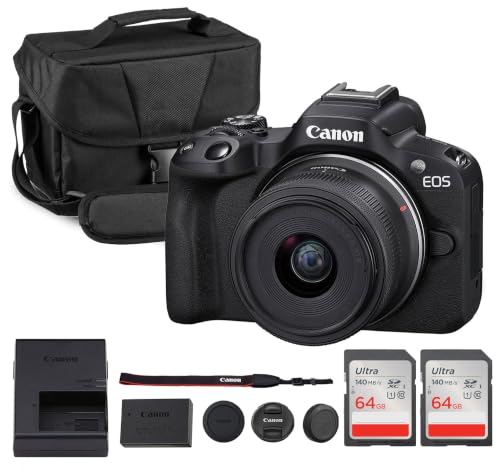


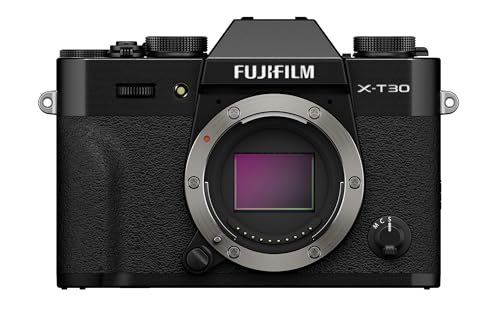

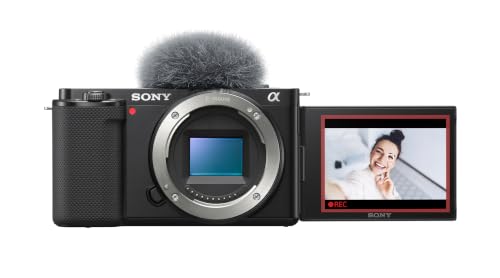


Who Should Buy a Camera as an Artist
Your art form decides your camera more than your budget does. Start with the group below that sounds most like you, then confirm the fit in the feature sections.
Painters and Mixed Media Artists Who Sell Prints
You need color you can trust and enough detail to print large without brushwork turning soft. Prioritize a larger sensor, a sharp lens and a tethered view that shows true tones. A tripod friendly body helps, because flat work is best shot straight on in even light.
Illustrators and Designers Who Capture Work for Screens
Your camera bridges paper and screen, so clean files and fast transfer matter most. Look for accurate autofocus on textured paper, simple WiFi or cable transfer, and a tilting screen for overhead desk shots. If you are new to dedicated cameras, see our guide to the best starter cameras for a gentle start.
Artists Who Film Their Process for an Audience
You record hands, tools and materials, so steady video and comfort matter as much as stills. Choose a body that stays cool, focuses smoothly on moving hands and lets you check framing from in front of the lens. Weight counts too, because an overhead rig must hold the camera safely above your work.
Types of Cameras Compared for Artists
Four types cover almost every artist need. Match the strengths to your subjects and space. For a wider market view first, see our guide to the best digital cameras.
Mirrorless Cameras for Artists
Mirrorless bodies pair interchangeable lenses with strong sensors in a moderate size, making them the most flexible option for most artists. Fit a standard lens for flat artwork, a macro lens for texture or a wider lens for studio scenes. The electronic viewfinder shows exposure before you shoot.
Compact Cameras for Artists
Compact cameras keep the lens built in, so they travel easily and set up fast. Better models use a larger sensor and a useful optical zoom for subjects you cannot approach closely. The tradeoff is flexibility, because one fixed lens must handle close detail and wide rooms alike.
Vlogging Cameras for Artists
Vlogging cameras suit creators who talk and work on camera, with flip screens, clear sound options and focus that tracks a face. For artists they shine in process videos and lessons where you move between your face and your hands. Stills are good, though lens choice is simpler than on a mirrorless body.
Action Cameras for Artists
Action cameras are small, rugged and very wide in view, and they mount almost anywhere, even above a workbench. They suit outdoor sketching, messy processes and time lapse records where a normal camera would be at risk. The wide view distorts flat artwork, so treat one as a second camera rather than your main tool. Pick one over a vlogging camera only when the work is rough or wet.
Key Features to Compare in Cameras for Artists
Specs matter only when they change your work on the print or the screen. That is why the best cameras for artists are rarely the ones with the longest zoom.
Sensor Size and Image Quality for Artwork
A larger sensor gathers more light and records cleaner detail, with smoother gradients in skies and shaded paint. Full frame sensors lead for large prints, APS C sensors balance quality and price well, and 1 inch sensors suit compact bodies for screen use. Megapixels matter less than sensor size past about 20 megapixels, because clean pixels print better than noisy ones. For print focused work, see our guide to the best cameras for photography.
Color Accuracy for True Artwork Tones
Your camera must record reds, earth tones and subtle mixes without shifting them, because buyers judge a piece by its photo. Look for natural color profiles, a custom white balance setting and RAW files, which keep more color data. A tilting screen with a live histogram helps you spot clipped highlights on pale paper. Faithful color is a core reason to study our guide to the best quality cameras.
Lens Options and Focal Length for Different Art Subjects
Lenses decide how close you can work and how true your shapes stay. A standard lens around 35 mm to 50 mm records flat artwork with little distortion on a full frame body, while a macro lens reveals paper grain and canvas weave. Interchangeable lens bodies cost more over time, so budget first for the one lens your work truly needs.
Autofocus, Manual Focus and Stabilization for Fine Detail
Accurate focus protects fine detail, especially in close views of texture and line. Fast autofocus with a small movable point locks onto an eye, a stitch or a brush tip, while focus peaking helps manual focus on a tripod. Stabilization steadies handheld shots in dim studios, letting you use slower shutter speeds without blur. For flat artwork, a tripod still beats stabilization, so treat it as help for location work first.
Battery Life, Size and Weather Sealing for Artists on Location
Long demonstrations drain batteries faster than short studio shoots, and video drains them fastest of all. Check shots per charge, carry a spare, and favor USB C charging so a power bank can rescue a session. Size and grip matter when you hold a camera all day at a fair or residency. Basic weather sealing guards against dust and light rain outdoors.
Choosing a Camera for Your Art Practice
Match the camera to the place and pace of your work before you compare prices. A home studio rewards a larger body and tripod, while travel sketching rewards a small kit you will carry.
Best Video Cameras for Artists: Which Type Works Best
For filmed process work, a mirrorless or vlogging type usually works best, with clean video, a screen you can see from the front and focus that follows your hands. Look for a microphone input and recording limits long enough for a full session. Action cameras join in only for risky angles or outdoor steps.
Common Mistakes to Avoid When Buying a Camera as an Artist
Most regrets come from judging a camera by one number or one test shot. These errors are common and avoidable.
- Buying on megapixels alone leaves you with noisy files that print poorly.
- Shooting flat artwork at an angle distorts shapes and makes a square canvas look uneven.
- Ignoring white balance lets warm studio lamps shift colors and mislead buyers about a piece.
- Choosing a very wide lens for finished pieces bows straight edges and weakens scale.
- Skipping a spare battery can end a long demonstration or market day early.
- Forgetting a tripod and basic lights leaves a good camera producing dim, shaky records.
Care and Maintenance Tips for Cameras Used by Artists
Clean the lens with a proper lens cloth, never your shirt, because paint dust and grit on fabric can scratch the coating. Use a blower first to lift charcoal and pastel dust off the front element. Wipe the body after dusty studio sessions.
Store the camera in a dry, padded bag away from fumes, solvents and damp plaster, and remove the battery during long breaks. Carry a spare battery and card so a shoot never stops early. Have the sensor cleaned by a service shop if spots survive gentle blowing.
Cameras for Artists: Your Questions Answered
These answers cover questions artists ask most before a first serious purchase.
What features matter most when artists photograph finished artwork?
Faithful color and even sharpness across the frame matter most for finished artwork. Set the camera square to the piece and use a timer or remote release so pressing the shutter adds no shake. Shoot two versions, one slightly darker, to hold pale detail. That habit protects highlights in white paint that a single exposure often loses.
Do artists need interchangeable lenses or is a fixed lens camera enough for artwork?
A fixed lens camera is enough if your work stays at a similar size and distance, such as sketchbooks. Interchangeable lenses earn their cost when subjects vary widely, from tiny texture studies to room sized installations. If one lens covers your widest and closest monthly shots, save the money for lighting and printing instead.
Is a smartphone enough for artists instead of a dedicated camera?
A smartphone is enough for quick records, social posts and reference photos in good light. It falls short for large prints, calm low light files and flat work that must stay free of distortion. Phone cameras also sharpen and smooth images on their own, which can hide real texture. Add a dedicated camera once print sales or client work begins.
How much should artists spend on a first dedicated camera?
Most artists do well spending about $400 to $900 on a first body and lens kit, leaving room for a tripod and a simple light. Spending less often means a sensor too small for prints. Buy from a current range so batteries and support stay easy to find.
Which camera type is better for artists who work in low light?
Mirrorless cameras with larger sensors are better in low light because they hold detail and color at higher sensitivity settings. Compact and action types brighten scenes with heavy processing, which can smear fine lines and grain. A fast lens with a wide maximum aperture helps as much as the body by letting in more light.
Final Thoughts
Start with your art, not the spec sheet, and let color and detail guide the choice. Painters who print need sensor quality most, while filmed teachers need screens, sound and steady focus. Whichever type you pick from the product table above, the best cameras for artists are the ones you will use daily to record work honestly.


