
The Best Cameras for Making Movies in 2026: A Buying Guide
Disclosure: We may earn a commission when you buy through links on this page, at no extra cost to you. As an Amazon Associate I earn from qualifying purchases. Learn more

A plain buying guide to cameras for making movies: how the project decides the class, which sensor and lens facts matter, and what media and power cost.
Movie work punishes the wrong camera faster than stills do: a take is long, the light is deliberate, and a focus miss cannot be rescued later. The best cameras for making movies are chosen by the project first and the specification sheet second, because a body that suits a staged short can be exactly wrong for a wedding day.
This guide walks through that order: what the project demands, which sensor and lens facts actually matter, and the media and power costs that follow every shooting day. The comparison table below gives the price spread of the main classes, so the rest of the guide has a budget frame to work against.

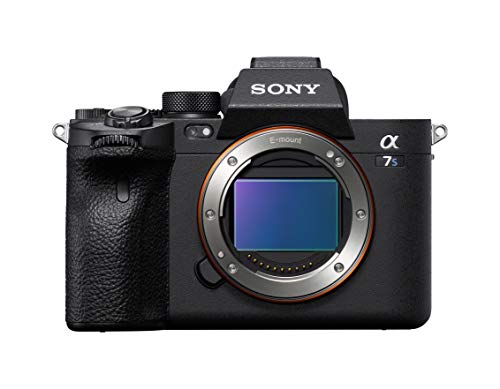
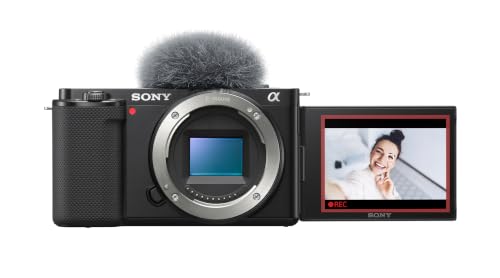


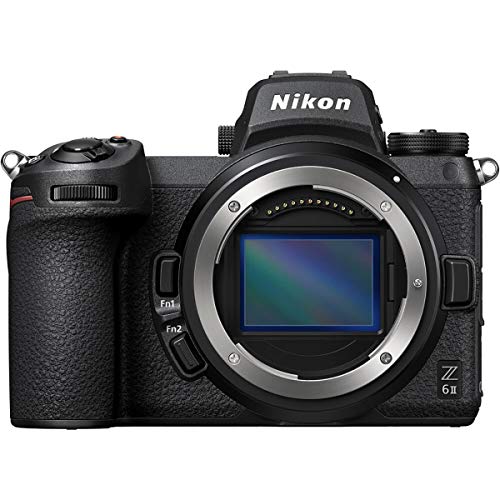

How to Choose a Movie Camera: The Buying Guide
Every decision below serves the shoot itself. The best cameras for making movies share one trait: they disappear into the work, holding their settings through a take and never stopping a scene for a menu, a hot body, or a full card. Buy against the points in this section and the product table above will make more sense than any ranking.
The Project Decides the Class
A short film, a wedding, and a documentary ask for different cameras. A short film is shot in controlled setups with time to relight and repeat, so manual control and lens choice lead. A wedding is one long unrepeatable day, so reliability, battery life, and clean footage at high sensitivity settings lead.
A documentary mixes both and adds travel weight and fast handling. Genre matters less than schedule and crew size, which is why two filmmakers can buy different classes for the same festival slot. Name your project honestly and the class shortlist writes itself.
Features That Matter for Making Movies
Movie recording rewards sustained performance over peak numbers. Look for clean footage at the sensitivity settings your locations demand, manual exposure control that stays set during a take, and focus aids such as magnification and peaking described in general terms. Maker figures for resolution and dynamic range are class figures measured in each brand's own way, so they describe a tier rather than a ranking you can trust across brands.
Sound deserves the same suspicion as the picture. Dialogue carries a film, and the built in microphone on any body is a starting point for quiet interiors only. The upgrade that matters is a way to place a microphone near the speaker, through an external input on the body or a separate recorder, and the right class depends on crew size. Budget for sound before resolution.
Sensor Size and Image Quality
Full frame sensors give the shallowest depth of field and the strongest low light footage, at the highest lens prices. APS C sensors balance cost, lens size, and image quality for most independent work. Smaller sensors keep cameras compact and affordable, with more of the scene in focus at once, which suits documentary shooting. For video, sensor size shapes the look more than the megapixel count, since a 4K frame uses only about eight megapixels.
Manual Control Over Exposure and Focus
Filmmaking assumes deliberate settings. The shutter, aperture, and sensitivity should lock and stay locked through a take, because automatic drift mid scene reads as an error on screen. Manual focus with a smooth lens ring and on screen magnification lets a focus puller, or a solo shooter, hold a face through movement. Autofocus has a real place in fast documentary work, but the camera must let you take control back instantly.
Battery Life, Media, and Charging
Production eats consumables. A shooting day can drain several batteries and fill multiple memory cards, and the professional card formats some bodies require cost far more than common cards. Cards, batteries, readers, and storage drives are recurring production costs, stated plainly: budget them per project, not once. Charging from USB power banks helps on location, and a body that records to affordable media can save more across a year than a cheaper body on costly cards.
Storage continues after the shoot. Working footage should live in two places before any card is wiped, and finished projects deserve an archive copy that is not on the editing drive. Drives are cheap next to reshooting a wedding, so treat backup as part of the media budget rather than an optional extra. Price cards and drives into every quote you give a client.
Lens and Zoom Range
The lens ecosystem decides what the camera can become. A mount with a deep catalogue of lenses at several prices lets a kit grow from one starter lens to a full set over time. Fast apertures buy low light ability and shallow depth of field, and they cost more in every system.
Zoom lenses cover events and documentaries where your position is fixed by the room; fixed focal length lenses usually give the cleaner image and the faster aperture for staged scenes. Renting a lens for a single production is also a normal step, and it tests a mount before you commit to owning glass.
Durability and Weather Sealing
Exterior scenes do not respect equipment. Weather sealing in the body and the lens keeps light rain and dust from ending a shoot, though it protects against splashes rather than immersion. Solid dials and a body that tolerates cold matter on winter locations. Treat sealing as insurance rather than a promise: the ratings describe lab conditions, and a simple rain cover still belongs in the kit bag.
Ease of Use for Your Skill Level
A first movie camera should teach rather than fight. Clear menus, a screen that shows exactly what will be recorded, and guided exposure tools help a beginner finish a first short. Experienced shooters should weight control layout and lens choice instead. In both cases the right body is the one whose settings you can change without stopping a scene to search through a menu.
Camera Types in Brief
Catalogues file these bodies under overlapping labels, and searches for best cameras for shooting movies or best cameras to film movies return the same three classes below. Learn the classes and the labels stop mattering.
Compact Cameras
Compact fixed lens cameras suit travel documentaries, second angles, and small crews working in public places. They ask little attention, record quietly, and travel in a jacket pocket or a small bag. The fixed lens and smaller sensor cap their low light reach, so they support a production rather than anchor a staged one.
Mirrorless Cameras
Mirrorless bodies are the default movie class for independent work. They pair large sensors with deep lens catalogues, full manual control, and prices that scale from starter kits to professional rigs. Most short films, wedding films, and online series are shot on this class, which also means accessories and advice are easiest to find for it.
Action Cameras
Action cameras earn their place where other bodies cannot go: mounted on vehicles, worn on a chest, or placed inside the action itself. Their footage cuts in as a special angle rather than carrying a scene. Sound and low light are weak, so plan for them as a supporting class on any serious production.
Camcorders
Camcorders trade the stills heritage of the other classes for long, comfortable recording: deep grips, built in zoom ranges, and bodies designed to run for hours without fuss. They suit ceremonies, stage shows, and documentary days where the camera rarely stops. Their smaller sensors limit the shallow depth of field look, so they serve events better than staged drama. For a one person crew filming an entire day, the class remains the practical choice.
Best Cameras for Specific Needs
Best Digital Cameras for Making Movies
The digital difference is workflow. Digital bodies record to cards, preview the exact frame on a screen, and hand footage to editing the same day, which is why the wider family of best digital cameras has replaced film for nearly all movie work. Judge this class by its stated recording limits, its media cost per shooting day, and whether the body records clean footage for the full length of your longest scene without a heat warning.
Common Mistakes to Avoid
- Buying resolution before recording reliability: a body that stops mid take for heat or a card limit loses scenes that a humbler body would have finished.
- Ignoring media cost: professional card formats can cost more per shooting day than the rental of the body itself, so price the cards before the camera.
- Choosing a lens mount with a thin catalogue: the body is one purchase, but the mount decides every lens price you will pay for years.
- Forgetting sound until the edit: dialogue recorded badly at the shoot cannot be repaired later, so plan a microphone route with the camera, not after it.
Tips to Get the Most From Your Camera
- Use a lens cloth, not your shirt, because grit dragged across the front element scratches coatings over time.
- Carry at least two spare batteries per shooting day, since video drains cells far faster than stills work.
- Format memory cards in the camera before each project, and keep two copies of every card before wiping anything.
- Store the body in a dry, padded bag, with gel packs against damp in humid climates.
- Update firmware when the maker releases it, since autofocus and stability improvements often arrive that way.
Frequently Asked Questions
What features matter most in cameras for making movies?
Sustained recording without overheating, full manual control that stays locked during a take, and a lens mount with room to grow matter most. After those come clean footage at the sensitivity settings your locations need and focus tools you can trust. Peak resolution and headline dynamic range figures matter least, because they are measured differently by every maker and describe a class rather than your footage.
Which is better for low light?
Larger sensors paired with faster lenses are better for low light, because they gather more light per frame and keep noise down at high sensitivity settings. In practice the lens matters as much as the body: a fast lens on a smaller sensor can beat a slow lens on a larger one. Set the budget for both together, and remember that adding light to the scene beats every specification.
How long can a camera record in one take?
Limits vary by class and by recording format. Some bodies cap a single take near thirty minutes, while video focused bodies record until the card fills or heat intervenes. Long ceremonies and stage shows need the second kind, or a planned restart during a natural pause. Check the stated limit for your exact format, because high frame rates often shorten it further.
Is a smartphone enough instead?
For a first short filmed in good light, a phone can be enough to learn framing, editing, and sound basics. Movie work outgrows it through control: manual settings hold steadier on a dedicated body, lenses change the look deliberately, and batteries and cards swap instead of ending the day. Treat the phone as the training camera, and buy the dedicated body when a specific limit blocks a scene you can already picture.
What specs matter most for beginners?
Read sensor size first, because it shapes low light quality and lens prices for years. Read the recording limit second, because it decides which scenes are possible in one take. Read the lens mount third, because it fixes your future lens budget. Ignore megapixel counts and headline frame rates until those three are settled; they rarely change what a first film looks like on screen.
How much should I spend on my first one?
A workable first movie setup usually runs about $800 to $1,800 once the lens, two batteries, and cards are counted, even when the body alone looks cheaper. Under that range, expect compromises in low light ability or recording length. Over it, money buys lens speed and reliability more than visible quality. Renting a body for one weekend project is a legitimate way to learn your class before committing to a purchase.
Wrapping Up
Start with the project, match the sensor and lens system to it, and budget media and power as production costs rather than extras. The best cameras for making movies reward planning more than spending: a modest body with the right lens and enough cards finishes more films than a flagship body starved of accessories. Compare the classes in the product table above against your next project, and buy for the film you are actually about to make. Buy once for the work in front of you, and let the second production, not the first advertisement, tell you what to add next.

