
Best Cameras for Making Short Films in 2026: Which Type Is Right for You?
Disclosure: We may earn a commission when you buy through links on this page, at no extra cost to you. As an Amazon Associate I earn from qualifying purchases. Learn more

Compare camera types for short films, from vlogging and action bodies to mirrorless and cinema models, and learn which video features matter most.
A short film asks more of a camera than a holiday snapshot does, because you need steady footage, clean audio, and a look that holds up on a larger screen. With so many types on offer, it is easy to buy for stills quality and discover too late that video features matter more. The best cameras for making short films balance video resolution, autofocus, audio inputs, and handling for the way you actually shoot.
The comparison table below sets out the main types, what each suits, and what each costs in broad terms. The rest of the guide explains video features in plain language, compares the two most popular small types directly, and answers the questions first time filmmakers ask most. Use it to pick a type before you worry about accessories.





Types of Cameras Compared
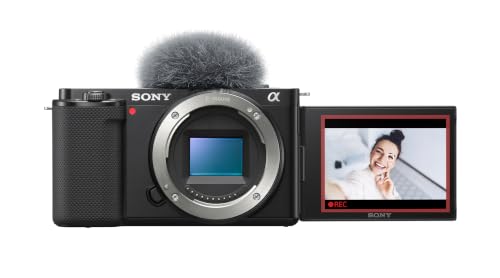
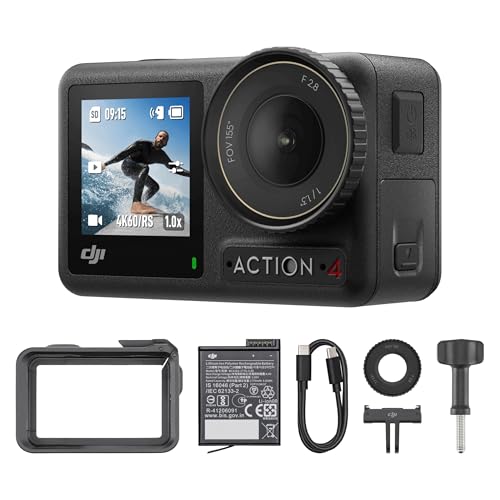
Four types cover most short film work for independent filmmakers. Vlogging cameras suit solo shooters who film themselves and need a flip screen. Action cameras suit rugged, mounted, and outdoor shots where size and toughness matter.
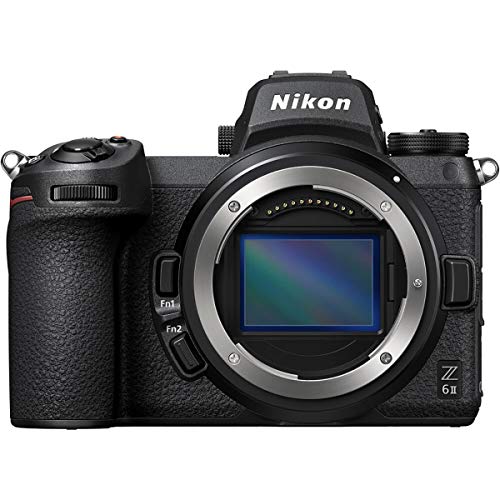
Mirrorless cameras suit narrative work that needs interchangeable lenses and shallow depth of field. Cinema cameras suit crews who want the most control over color and dynamic range and who accept larger rigs.
| Type | Best For | Pros | Cons | Typical Price |
|---|---|---|---|---|
| Vlogging cameras | Solo and talking head scenes | Flip screen, good autofocus, small body | Smaller sensor, fewer lens choices | around $400 to $900 |
| Action cameras | Mounted and outdoor shots | Tiny, tough, strong stabilization | Small sensor, limited low light ability | around $300 to $500 |
| Mirrorless cameras | Narrative and dialogue scenes | Large sensor, lens choice, clean image | Needs rigging for best audio and handling | around $700 to $2,000 |
| Cinema cameras | Crew based productions | Wide dynamic range, flexible color | Large, costly, needs crew and accessories | around $2,000 to $6,000 |
Vlogging Cameras
A vlogging camera is a small camera built for self filmed video, with a flip screen and autofocus that tracks a face reliably. It suits solo filmmakers, documentary interviews, and behind the scenes material where one person handles camera, sound, and performance. Many models record 4K video and accept an external microphone, which lifts audio quality well above built in microphones.
The limits show up in controlled narrative scenes. The smaller sensor gives less shallow depth of field than a mirrorless body, and lens choices are limited or fixed. For a solo short film or a documentary style project, though, the small size and simple handling often matter more than ultimate image control, because a camera you can run alone gets the shot.
Action Cameras
An action camera is a tiny, tough camera made to be mounted on a helmet, a bike, a car, or a chest harness. Strong electronic stabilization keeps footage smooth while moving, and waterproofing lets you shoot in rain, surf, and snow without extra housing. Action cameras suit chase scenes, sports sequences, point of view shots, and any angle where a larger camera cannot go.
The trade off is the small sensor, which struggles in dim interiors and gives a deep focus look with little background blur. Audio from a built in microphone also suffers in wind, so plan for a separate audio recorder or a microphone adapter when dialogue matters. Use action cameras as a second angle or for specialty shots rather than as the only camera for a dialogue heavy film.
Mirrorless Cameras
A mirrorless camera is the most versatile choice for narrative short films. Interchangeable lenses let you pick a wide lens for interiors, a fast prime for low light dialogue, and a longer lens for portraits and detail shots. Larger sensors give cleaner low light footage and a filmic shallow depth of field, and most current models record 4K with reliable eye autofocus. For a general short film camera, see our guide to best cameras for short films alongside this comparison.
The cost is the system around the body. You will likely add lenses, spare batteries, memory cards, a microphone, and some form of rig or tripod, and the total can pass the body price quickly. Mirrorless cameras suit filmmakers who work with a small crew, who shoot dialogue scenes, and who want room to grow as their projects grow more ambitious.
Cinema Cameras
A cinema camera is built for productions where image quality and post production flexibility come first. Wide dynamic range holds detail in bright windows and dark shadows in the same frame, and flexible color profiles give a colorist room to shape a consistent look. Cinema cameras suit crew based shoots with a dedicated camera operator, a sound recordist, and time for lighting and setup.
They are poor solo tools. Cinema bodies are large, power hungry, and usually need external monitors, rigs, and audio recorders to work well. For a first short film, a cinema camera often slows production more than it improves the result. Consider one only when your crew, schedule, and post production skills can use what it offers.
Vlogging Cameras vs Action Cameras: Which Should You Choose?
Compare the two small types on handling, image quality, audio, stabilization, and mounting. Vlogging cameras win on handling and audio, because the flip screen, face autofocus, and microphone input suit talking scenes and interviews. Action cameras win on stabilization and mounting, because they go where larger cameras cannot and stay steady while moving.
Choose a vlogging camera if your film centers on people talking to camera or to each other in controlled locations. Choose an action camera if your film needs movement, outdoor action, or unusual angles. Many filmmakers use both, with the vlogging camera as the main camera and the action camera as a second angle, and that pairing covers more ground than either type alone.
How to Choose the Right Camera
Video Capabilities
Resolution is only the start. Look for 4K recording at 24 or 30 frames per second for a filmic look, and 60 frames per second when you want smooth slow motion. A log picture profile records a flatter image that grades more flexibly, but it needs color work afterwards, so beginners may prefer a standard profile.
A microphone input matters more than most buyers expect, because poor audio ruins a scene faster than a slightly soft image. Check recording limits too, because some cameras stop after a set time.
Features That Matter for Making Short Films
Short films reward reliable autofocus, good stabilization, and clean low light performance in that order for most scenes. Eye autofocus keeps actors sharp while they move, stabilization smooths handheld walking shots, and a larger sensor keeps night interiors usable. Flip screens help solo shooters frame themselves, while dual card slots protect irreplaceable footage on larger productions. Weigh each feature against your shooting style rather than chasing a spec sheet, and test handling in person when you can.
For the filmmaking angle specifically, see our guide to best film making cameras as a companion to this guide.
Sensor Size and Image Quality
Sensor size shapes depth of field, low light ability, and dynamic range. A 1 inch sensor suits compact and vlogging bodies, an APS C sensor suits most mirrorless filmmaking, and a full frame sensor gives the shallowest depth of field and the cleanest dark scenes. More megapixels do not automatically mean better video, because video uses only part of the sensor in many modes. For short films, dynamic range and color flexibility usually matter more than stills resolution, so judge sample footage rather than stills specs.
Battery Life and Charging
Video drains batteries far faster than stills, and a single battery rarely lasts a full shooting day. Check the rated video recording time, then plan on at least two spare batteries for a half day shoot and more for a full day. USB C charging lets you top up from a power bank between setups, which helps on location without mains power. Keep batteries warm in cold weather, label them so you rotate through the set evenly, and carry enough memory cards that you never need to delete footage on set.
Choosing Cameras for Your Situation
Best Video Cameras for Making Short Films: Which Type Works Best
The best video cameras for making short films are the ones whose video features match your production, not the ones with the longest spec list. For solo and documentary work, a vlogging camera with a microphone input and flip screen covers most needs. For narrative dialogue, a mirrorless camera with interchangeable lenses and clean low light footage gives more control. For action inserts, an action camera adds angles no other type can reach.
See our guide to best video cameras for short films for a deeper video first comparison before you commit.
Two video specific criteria deserve extra weight. First, audio: a microphone input, headphone monitoring, and manual audio levels prevent the most common beginner failure, which is unusable dialogue. Second, stabilization: in body stabilization or a small gimbal keeps handheld footage watchable without a full rig. A camera that scores well on both will serve a short film better than one that only wins on resolution.
Tips to Get the Most From Your Camera
Use a lens cloth, not your shirt, to clean the front element, and blow dust off before wiping so grit does not scratch coatings. Carry a spare battery and spare memory cards, because video fills both faster than you expect. Store the camera in a dry, padded bag, and protect it from rain with a simple cover when shooting outdoors.
Plan each scene with a shot list, record room tone for a few seconds at each location to ease editing, and check focus and audio on headphones before moving on. Note that film style shooting differs from stills film work, and our guide to best cameras with film covers the stills film side if that is also your interest.
Cameras: Your Questions Answered
What features matter most in cameras for making short films?
Reliable autofocus, clean low light footage, a microphone input, and effective stabilization matter most for short films. Autofocus keeps actors sharp as they move, low light ability keeps interiors usable, a microphone input lifts dialogue quality, and stabilization keeps handheld shots watchable. Resolution matters less than these four, because 4K from a camera with poor audio and shaky footage still looks amateur. Judge cameras on sample footage and sample audio together, not on stills specs alone.
Is a smartphone enough instead?
A recent smartphone can shoot a credible short film, especially for social formats and documentary style projects, thanks to strong stabilization and computational video. It struggles with shallow depth of field, with low light interiors, with long takes that overheat the phone, and with professional audio without adapters. A dedicated camera earns its place when you need interchangeable lenses, longer recording, manual audio control, or a larger screen look. Many filmmakers start on a phone and move up once the phone limits a specific project.
Which is better for low light?
Mirrorless cameras with larger sensors are better for low light than vlogging and action cameras, because the bigger sensor gathers more light with less noise. A fast prime lens widens the advantage further, letting you shoot dialogue in dim rooms without harsh extra lighting. Action cameras struggle most in dim interiors, while vlogging cameras sit in the middle and suit well lit rooms and daylight exteriors. If night interiors dominate your script, prioritize sensor size and a fast lens over resolution or compactness.
What specs matter most for beginners?
Beginners should weigh reliable autofocus, a microphone input, usable 4K video, and simple handling before advanced color profiles. A camera that tracks faces, accepts an external microphone, and records clean 4K will carry a first film further than a complex cinema body. Dual card slots and long battery life add safety on longer shoots. You can learn log profiles and color grading later, but you cannot rescue out of focus footage or unusable dialogue after the shoot ends.
How much should I spend on my first one?
Most first time filmmakers do well at around $500 to $1,200, which buys a capable vlogging or entry mirrorless camera plus a microphone and a spare battery. That range covers short films shot with a small crew in controlled locations. Step up to around $1,500 to $2,500 only if you need interchangeable lenses, stronger low light footage, and room to grow across several projects. Beyond that, extra spending buys crew scale tools rather than a dramatic jump in basic storytelling ability.
Final Thoughts
Video features, audio, and handling decide a short film camera more than stills specs do. Vlogging cameras suit solo work, action cameras add angles and movement, mirrorless cameras carry narrative dialogue, and cinema cameras serve crew productions with time for setup.
Match the type to your script, your crew size, and your budget, and spend early on audio and batteries rather than on resolution alone. The best cameras for making short films are the ones that let your crew finish the shoot with usable footage and clean dialogue, so check the product table above once more before you choose.

